
Electric Cars vs Gas vs Hybrid Cars in Pakistan: What Works Best in 2026?
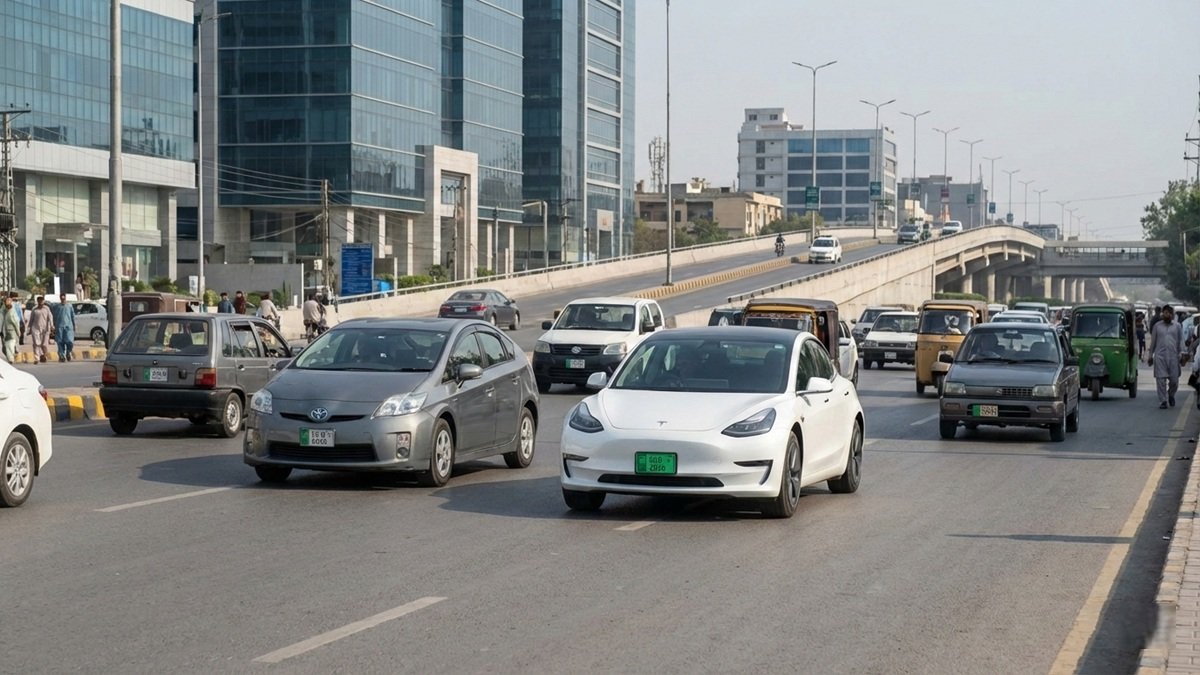
Electric cars vs gas cars vs hybrid cars in Pakistan is no longer an academic question. Today it’s a real financial and environmental decision millions of drivers face.
With rising petrol prices, new electric vehicle (EV) policies, and global shifts in automotive markets, Pakistanis are asking:
👉 Is an electric car truly better than a petrol car?
👉 Are hybrid cars the smart middle ground?
👉 What is the best choice for Pakistani roads in 2026?
In this long-form article, you’ll find credible data, local policy context, expert insight, real user feedback, and future outlooks — all structured to help you understand before you decide.
Table of Contents
- Why This Debate Matters
- Global Vehicle Trends: EVs, Hybrids & Gas Cars
- Electric Vehicle Policy in Pakistan
- How EVs vs Petrol vs Hybrid Cars Compare
- Gas Cars vs Electric Cars: Pros & Cons
- Hybrid Cars in Pakistan: Practical or Not?
- Brand Options & Prices in Pakistan (2026)
- User Experience: What Drivers Are Reporting
- What Happens Next? Future Market Outlook
- Expert Take: Realistic Advice for Buyers
- Final Verdict: Best Choice for Pakistanis
- FAQ (Google-Preferred Format)
1. Why This Debate Matters Now
Transportation is one of Pakistan’s biggest household expenses. Petrol prices have been volatile, and many families struggle with monthly fuel bills.
At the same time, electric car sales are emerging slowly, and hybrid options are gaining traction among urban users.
This transition is backed by government policy aimed at reducing oil imports and pollution — but the road ahead is not straightforward.
This question affects not just buyers — it impacts Pakistan’s energy security, environment, and future mobility. Learn more about Pakistan’s broader energy challenges at the International Energy Agency.
2. Global Vehicle Trends: EVs, Hybrids & Gas Cars
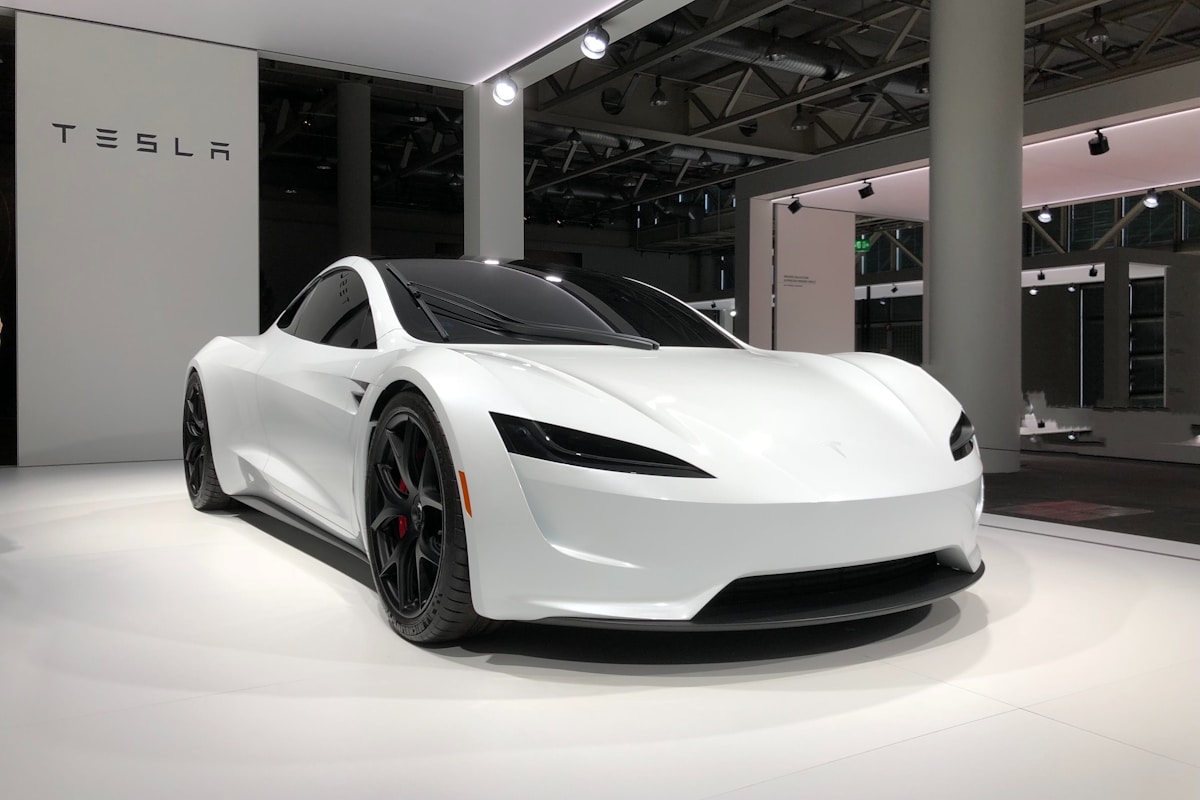
Globally, the electric car market has grown substantially, with EVs representing over 20% of new vehicle sales in many regions.
Key Global Highlights:
In Norway, nearly 96% of new car sales in 2025 were electric, demonstrating the potential of EV adoption under supportive policy conditions.
Meanwhile, Chinese EV manufacturer BYD overtook Tesla in global EV sales in 2025, selling more fully electric vehicles than any other manufacturer.
However, growth is slowing in some major markets. In 2026, global EV growth is expected to be the slowest since the pandemic, with manufacturers and buyers shifting focus back to hybrids in some regions.
Key global takeaways:
- EVs are mainstream where policy support and infrastructure exist.
- Hybrid cars often grow faster than pure EVs in markets with limited charging networks.
- Petrol cars still dominate in many developing countries.
For more insights on global automotive trends, visit MarkLines Automotive Industry Portal.
3. Electric Vehicle Policy in Pakistan
Pakistan’s government is actively trying to steer its auto market toward cleaner vehicles.
Under the New Energy Vehicle Policy 2025–2030, the country has set goals including:
- 30% EV sales by 2030
- Support for local EV assembly
- 3,000 charging stations nationwide
- New tariffs to encourage EV adoption
- Federal vehicle fleets transitioning to electric by 2027
The policy also highlights that EV numbers increased from a few hundred in 2021 to over 80,000 electric vehicles by mid-2025 (mostly two- and three-wheelers).
This shows policy momentum, even though implementation still lags. For detailed information on Pakistan’s automotive policies, check the Engineering Development Board of Pakistan.
4. How EVs vs Petrol vs Hybrid Cars Compare
Before choosing, it helps to understand how these three vehicle types differ:
| Feature | Petrol Cars | Hybrid Cars | Electric Cars |
|---|---|---|---|
| Purchase Cost | Lowest | Moderate | Highest |
| Fuel/Energy Cost | High | Medium | Low |
| Maintenance | Familiar & Cheap | Moderate | Less frequent but specialized |
| Emissions | High | Lower than petrol | Zero tailpipe |
| Charging Needed | No | Only PHEVs | Yes |
| Fuel Independence | No | Partial | Full |
This table clearly shows why electric car vs gas vs hybrid cars in Pakistan isn’t just a choice of tech — it’s a choice of lifestyle and access.
For more detailed comparisons, explore resources at the Consumer Reports Automotive Section.
5. Gas Cars vs Electric Cars: Pros and Cons
Gas Cars – Pros
- Lowest upfront purchase cost
- Service and repair networks exist nationwide
- Tried-and-tested technology
Gas Cars – Cons
- Rising fuel costs
- Higher emissions contributing to pollution
- Long-term operational cost
Electric Cars – Pros
- Very low energy cost per kilometer
- Zero tailpipe emissions
- Increasing range and performance
Electric Cars – Cons
- High purchase price
- Limited charging infrastructure
- Resale values still uncertain in Pakistan
Overall, electric car vs gas cars pros and cons always depends on usage patterns, access to charging, and how long you intend to keep the vehicle.
Looking to understand more about EV technology? Visit Alternative Fuels Data Center for comprehensive information.
6. Hybrid Cars in Pakistan: Practical or Not?
Hybrid technology blends petrol engines with electric motors. They do not need external charging like EVs.
In Pakistan:
About half of SUVs sold over Rs 8 million were hybrid models in recent years.
Hybrid cars do offer 8–10 km more per liter than equivalent petrol versions, saving fuel costs.
But the price gap between hybrid and petrol cars (often Rs 3–4 million) means payback can take over 7 years on fuel savings alone.
Expert Insight: This explains why many buyers hesitate: hybrids save fuel but high acquisition cost often outweighs savings.
One local analysis even suggests hybrid fuel efficiency benefits may be overstated outside city driving conditions.
Also explore our detailed guide on Kia EV5 and hybrid options in Pakistan.
7. Brand Options & Prices in Pakistan (2026)
Electric Cars
| Model | Approx Range | Price (PKR) | Notes |
|---|---|---|---|
| BYD Atto 3 | ~450–480 km | ~Rs 11–12m | New EV option |
| MG ZS EV | ~420 km | ~Rs 9.8–10.5m | Most visible EV on roads |
| Seres 3 | ~405 km | ~Rs 8.8–9.8m | Competitive mid-range EV |
Read our comprehensive review of the AVATR 11 electric vehicle for more options.
Hybrid Cars
| Model | Type | Notes |
|---|---|---|
| Toyota Corolla Cross HEV | HEV | Fuel-efficient SUV |
| Honda Vezel | HEV | City-friendly hybrid |
| MG HS PHEV | PHEV | Plug-in flexibility |
| Haval H6 PHEV | PHEV | Larger SUV |
Petrol Cars
- Suzuki Alto/Cultus (economy city cars)
- Toyota Corolla (family sedan)
- Honda Civic/City (midsize sedans)
- Kia & Hyundai SUVs (feature-rich but higher cost)
These reflect current market options and typical price ranges in Pakistan. Check out our analysis of the Honda Civic 2026 facelift for petrol car updates.
For international vehicle pricing and specifications, visit Car and Driver.
8. User Experience: What Drivers Are Reporting

On local forums and owner groups, drivers consistently highlight a few themes:
✔ Hybrid cars do feel more efficient in congested traffic
✔ EV owners value smooth, quiet driving
✔ Petrol owners emphasize low service hassle and resale ease
✔ High initial prices are often the biggest deterrent for EV and hybrid adoption
User reports also suggest that hybrids make sense only when driven frequently and mostly in city stop-start traffic — otherwise cost benefits shrink rapidly.
9. What Happens Next? Future Market Outlook
With the New Energy Vehicle Policy rolling out and foreign makers planning local assembly:
🚗 China’s BYD plans to assemble EVs and plug-in hybrids in Pakistan starting in mid-2026, aiming to expand domestic production and reduce prices.
This is a strong signal that industry investment sees long-term potential here.
However, adoption may still be slow due to infrastructure challenges and higher upfront costs.
For insights on global EV market trends, check Bloomberg Automotive.
10. Expert Take: Realistic Advice for Buyers
Experts emphasize:
✔ Consistent policy is crucial to attract investment and build confidence.
✔ Incentives and infrastructure need to grow together — just reducing taxes isn’t enough.
✔ Hybrids can help bridge the gap while EV infrastructure matures.
In simple terms: EVs are the future — but hybrids are the present for many Pakistanis.
Learn more about sustainable transportation at the World Resources Institute.
11. Final Verdict: Best Choice for Pakistanis
Based on current cost, infrastructure, and usage patterns:
🥇 Best Overall Today
Hybrid cars — a balanced choice for urban drivers who want lower fuel costs without charging worries.
⚡ Best Future-Proof Choice
Electric cars — ideal for those with access to home charging or city travel and who plan to keep the car 5+ years.
💸 Best Budget Choice
Petrol cars — still the most affordable and practical, with easy service and resale.
12. FAQ (Google-Preferred Format)
Can electric cars work in Pakistan?
Yes, especially for city driving with home charging — but public chargers remain limited.
Are hybrid cars cheap to maintain?
Hybrid maintenance is usually slightly higher than petrol but lower than full EVs long term.
Which is cheaper to run: EV or petrol?
EVs are significantly cheaper per kilometer once charged, but initial cost is higher.
Does Pakistan have incentives for electric cars?
Yes — through the NEV Policy 2025–30, including tax concessions and infrastructure targets.
What is the best choice for Pakistani drivers in 2026?
Hybrid cars are the best overall choice today for urban drivers seeking lower fuel costs without charging concerns. Electric cars are ideal for those with home charging and long-term plans. Petrol cars remain the most affordable and practical with easy service.
How long does it take to charge an electric car in Pakistan?
With a standard home charger, it typically takes 6-8 hours for a full charge. Fast charging stations can provide 80% charge in 30-45 minutes, though these are still limited in Pakistan.
What is the average fuel savings with a hybrid car?
Hybrid cars typically offer 8-10 km more per liter than equivalent petrol versions, resulting in 25-35% fuel savings in city driving conditions.
Are electric cars reliable in Pakistan’s hot climate?
Yes, modern electric cars are designed to operate in various climates. Battery thermal management systems help maintain optimal performance even in Pakistan’s summer temperatures.
Can I install a home charging station for an electric car?
Yes, most EV owners in Pakistan install Level 2 home chargers. You’ll need a dedicated electrical circuit and should consult with a qualified electrician for proper installation.
What is the resale value of electric cars in Pakistan?
The resale market for EVs is still developing in Pakistan. Currently, resale values remain uncertain due to limited market history, though this is expected to improve as adoption increases.
Why This Matters to You
Your choice affects:
- Your wallet
- Environmental footprint
- Long-term mobility costs
This is not just a car decision — it’s a household financial strategy for years to come.
For more automotive news and reviews, explore MotorTrend and stay updated with Pakistan’s automotive developments.

Disclaimer
The information provided in this article is for general informational purposes only. Vehicle prices, specifications, and policies are subject to change. Readers are advised to verify current information with official dealers and government sources before making purchase decisions. Pakistan News Desk does not endorse any specific vehicle brand or model mentioned in this article.