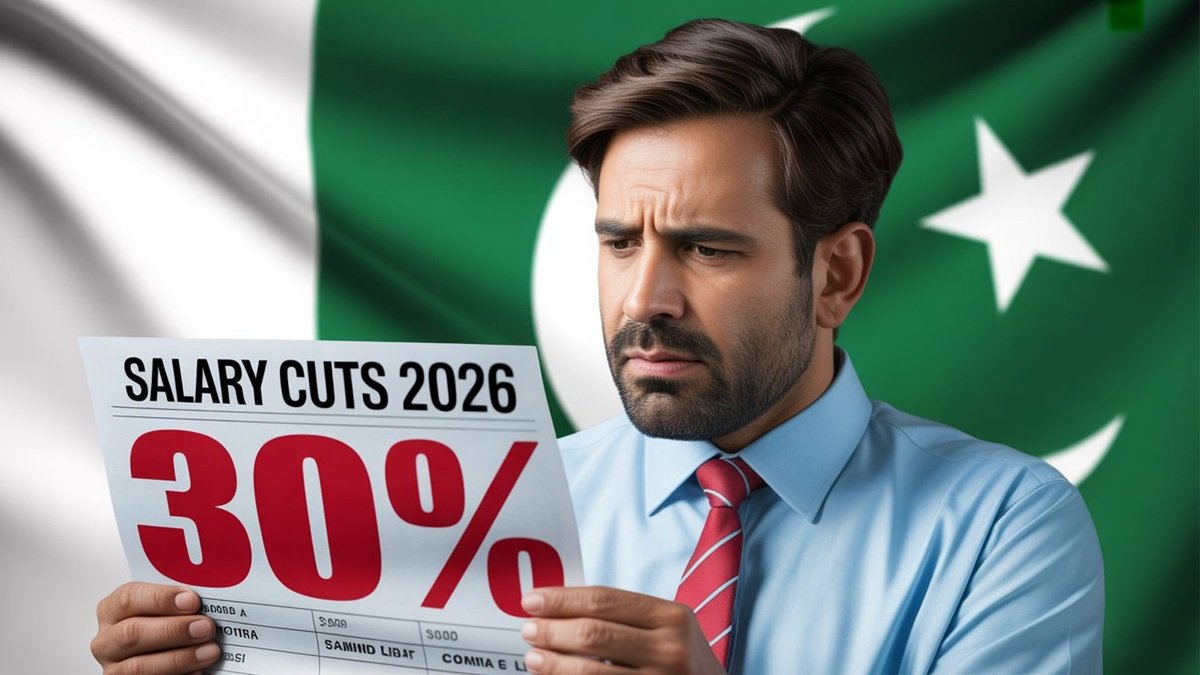
Govt Salary Cuts 2026: Full Chart, Who Loses How Much?
Pakistan’s government salary cuts 2026 are now in effect. They are already shaping public debate. The policy is simple on paper. High-earning government officials will face temporary pay cuts. Yet the real story is deeper. It connects to fuel prices, economic pressure, and public trust.
Prime Minister Shehbaz Sharif approved the plan as part of a wider austerity strategy. Many people now want clear answers. Who is affected? Why now? And will this actually help the public?
This article explains everything step by step. It combines official updates, policy context, expert insight, and real-life impact in simple language.
📋 Table of Contents
- What Are Govt Salary Cuts 2026?
- Full Salary Cut Chart Explained
- Who Is Affected the Most?
- Federal vs Provincial Impact
- State-Owned Enterprises Under Pressure
- Why This Decision Was Taken Now
- Where Will the Money Go?
- Exemptions for Health and Education
- Comparison With Past Austerity Measures
- Expert Opinions and Analysis
- Local Impact on Pakistani Households
- What Happens Next?
- Key Facts Summary
- FAQs
What Are Govt Salary Cuts 2026?
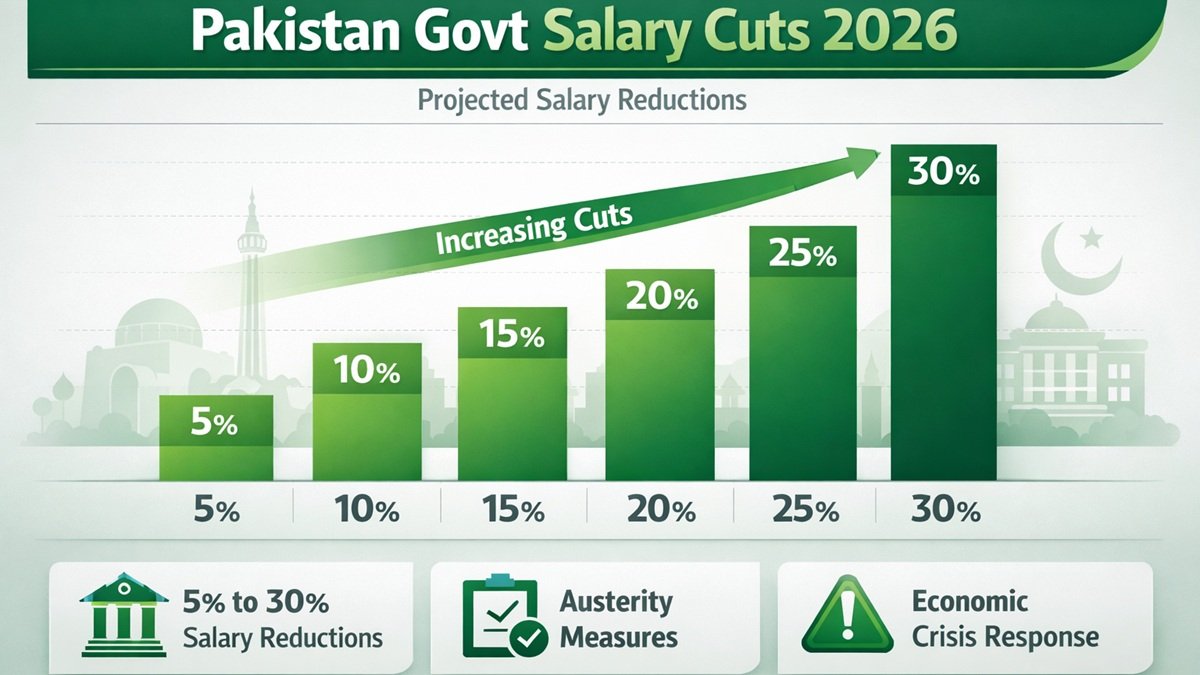
The government has introduced temporary salary cuts from 5% to 30% for senior officials. These cuts will last for two months.
According to official statements released through the Finance Division, the aim is to reduce spending during a period of economic stress. Pakistan is currently dealing with rising oil prices and external financial pressure.
For official updates, readers can check the Government of Pakistan portal and notifications from the Finance Division.
Why This Matters
Firstly, this is not a general salary cut. It targets only high earners. Secondly, all savings will go into the Prime Minister’s Austerity Fund 2026, which is meant for public relief.
This approach shows a shift. Instead of cutting across all levels, the government is focusing on top earners first.
📌 Also Read: Pakistan Austerity Plan: 4-Day Work Week, School Closures — more details on the government’s wider cost-cutting strategy.
Full Salary Cut Chart Explained
The salary cuts follow a tier-based system. The more you earn, the higher your cut. This progressive model is often used in fiscal adjustments. It spreads the burden more fairly.
| Salary Range (PKR) | Cut Percentage | Duration |
|---|---|---|
| 300,000 – 1,000,000 | 5% | 2 months |
| 1,000,001 – 2,000,000 | 15% | 2 months |
| 2,000,001 – 3,000,000 | 25% | 2 months |
| 3,000,000+ | 30% | 2 months |
💡 Quick Examples
- Rs500,000 salary → about Rs25,000 deduction (5%)
- Rs2 million salary → about Rs300,000 deduction (15%)
- Rs3.5 million salary → about Rs1,050,000 deduction (30%)
Who Is Affected the Most?
Senior officials from Grade-20 and above are among the most impacted groups. | Image: Pexels
The biggest impact is on top-tier government employees.
Main Affected Groups
- Grade-20 and above officers
- CEOs and directors
- Employees in autonomous bodies
- Government board members
🔔 Important: Federal cabinet ministers will give up full salaries for two months. Members of Parliament will face a 25% cut. This sends a clear message. Leadership is expected to share the burden first.
Federal vs Provincial Impact
The policy does not apply equally everywhere. The federal and provincial levels operate under different rules.
| Aspect | Federal | Provincial |
|---|---|---|
| Salary Cuts | Mandatory | Voluntary |
| Scope | Wide | Limited |
| Monitoring | Daily reports | Flexible |
| Salary Slabs | Fixed tiers defined | No fixed slabs |
This difference shows that provinces still have flexibility. However, they are under pressure to align with federal policy.
State-Owned Enterprises Under Pressure
All state-owned enterprises (SOEs) are included in the policy. No single company is targeted.
Key Sectors Included
- Energy
- Aviation
- Banking
- Infrastructure
Well-known examples include Pakistan International Airlines, Oil and Gas Development Company Limited, and Pakistan Steel Mills.
For governance details, reports from the Privatization Commission of Pakistan explain how these entities operate.
Why This Decision Was Taken Now
Rising fuel costs and global economic pressure triggered the austerity move. | Image: Pexels
Timing is very important here. Pakistan is currently facing several pressures at once.
⚠️ Pakistan’s Current Economic Pressures
- High global oil prices
- Pressure on foreign reserves
- Inflation concerns
- Regional instability
According to policy signals, the decision was influenced by rising fuel costs due to Middle East tensions. Global financial institutions like the International Monetary Fund have also been encouraging fiscal discipline.
What Changed from Last Year?
In 2025, the focus was on subsidies. In 2026, the focus has shifted to cost-cutting inside government. This marks a clear policy shift.
📌 Related: Pakistan Petrol Price Rs321 — Fuel Crisis Explained
Where Will the Money Go?
All savings will go into the Prime Minister’s Austerity Fund 2026.
Official Guidelines
- Funds only for public relief
- No use for regular government spending
- Monitoring and audits planned
Expected Areas of Spending
- Fuel relief support
- Emergency financial aid
- Inflation management
For updates, citizens can follow the Ministry of Finance Pakistan.
🔍 Important Insight: The success of this policy depends entirely on how transparently this money is used. Public trust is on the line.
Exemptions for Health and Education
The government has made some key exceptions to protect essential services.
✅ What Is Exempt?
- Health sector employees — exempt from voluntary cuts
- Education sector officers — exempt to ensure continuity
However, if they fall into high salary brackets within SOEs, mandatory cuts still apply.
This shows a balanced approach. Essential services remain protected.
Comparison With Past Austerity Measures
Pakistan has used austerity measures before. However, this plan has some clear differences.
| Feature | Past Policies | 2026 Policy |
|---|---|---|
| Focus | Broad cuts | High earners only |
| Transparency | Limited | Daily monitoring |
| Duration | Long-term | Short-term (2 months) |
| Leadership Role | Partial | Full participation |
💡 Key Takeaway: This policy is more targeted and more visible compared to earlier measures. The daily monitoring is a significant new feature.
Expert Opinions and Analysis
Experts are divided but cautious about the long-term impact.
What Economists Say
An Islamabad-based economist shared that short-term cuts help manage immediate pressure. But long-term reforms are still needed.
Another analyst noted that public trust will depend on transparency and fair implementation.
Institutions like the State Bank of Pakistan have often highlighted the need for fiscal discipline during economic stress.
Local Impact on Pakistani Households
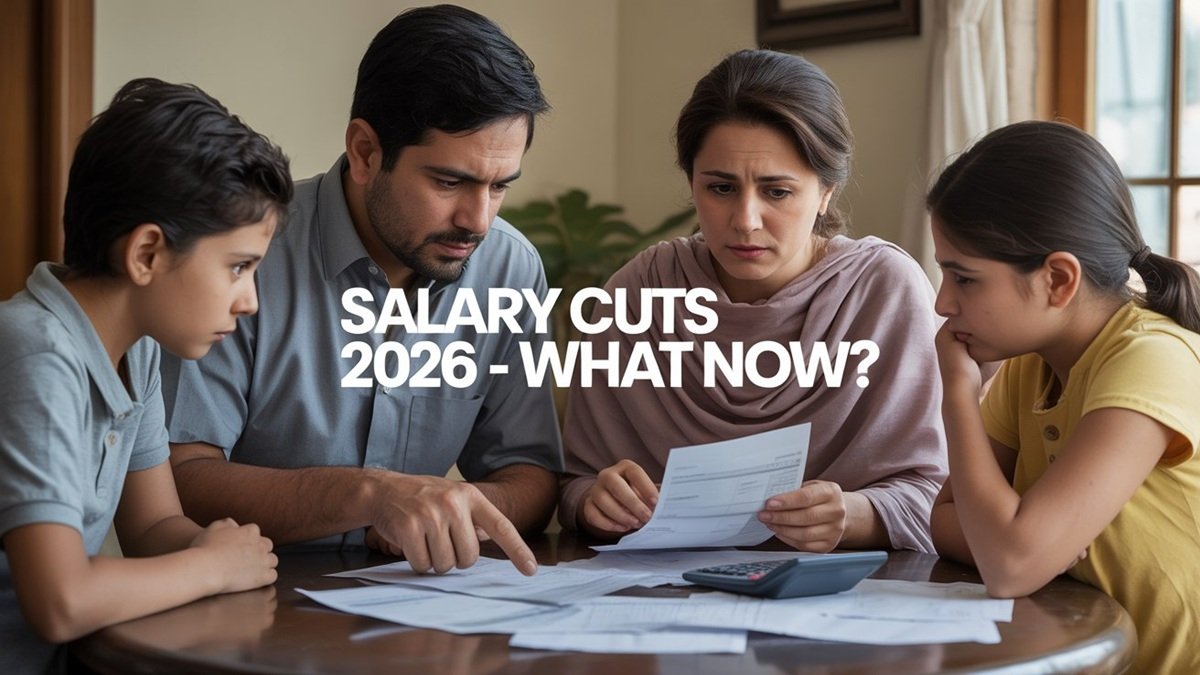
Even though the policy targets high earners, its impact spreads wider. In cities like Rawalpindi, Lahore, and Karachi, government employees support extended families.
⚠️ Possible Ripple Effects
- Reduced household spending
- Lower personal savings
- Less demand in small businesses
- Slower local markets
This means the policy may indirectly affect the broader economy beyond the officials themselves.
What Happens Next?
The situation is still evolving. All eyes are on the government’s next moves.
🔭 Likely Next Steps
- Announcement of public relief programs
- Continued monitoring of savings
- Possible extension if the crisis continues
Citizens should stay updated through official channels.
📋 Key Facts Summary
- Salary cuts: 5% to 30%
- Duration: 2 months
- Target: High-income government employees
- Purpose: Public relief funding via PM’s Austerity Fund
- Exemptions: Health and education sectors (from voluntary cuts)
- Monitoring: Daily reports at federal level
Why This News Matters
This is not just a financial decision. It is a test of policy direction.
The government is trying to manage economic pressure while maintaining public trust. For citizens, the main concern remains simple. Will these cuts lead to real relief in daily life?
FAQs
⚖️ Final Word: A Policy That Needs Trust
This policy is being closely watched across Pakistan. If implemented with transparency, it can build trust. If not, it may raise more concerns than it solves. For now, one thing is clear. Pakistan is trying to manage a difficult economic moment with quick and visible action.