Free Insulin Program in Pakistan: A Complete Guide to Home Delivery for Type‑1 Diabetes Children

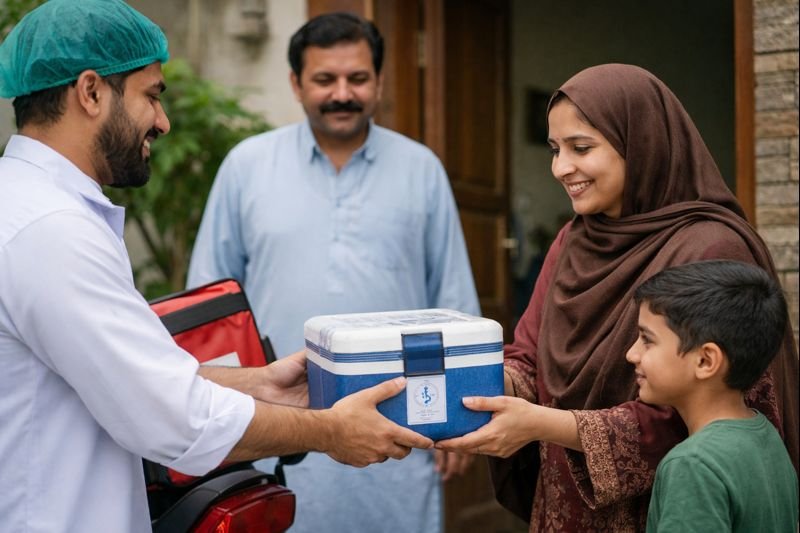
The Punjab government has launched a landmark healthcare initiative for children living with Type‑1 diabetes. Insulin and essential supplies are provided completely free. They come straight to your door. No hospital visits required. This doorstep delivery system is the first of its kind in Pakistan. It’s a real step forward for families who’ve been struggling for years.
What Is Type‑1 Diabetes and Why Does It Matter?
Type‑1 diabetes is different from adult diabetes. A child’s body completely stops making insulin. Without it, sugar from food cannot reach the body’s cells. The child gets very sick. Fast.
This is not a once-a-week pill. Children need insulin injections every single day. Sometimes multiple times a day. It’s a lifelong condition. According to the World Health Organization, diabetes affects millions globally and Type‑1 is one of the most demanding to manage daily.
The Harsh Reality Families Were Facing
Insulin is expensive. A family could spend thousands of rupees every month. Just on insulin. That’s before testing strips, needles, and monitoring devices. Many families had to make heartbreaking choices.
Do we buy insulin or pay school fees? Do we get a full month’s supply or stretch half a dose? These were real questions parents in Punjab were asking every single month.
Rural families had it even worse. They traveled hours to reach a city pharmacy. And sometimes the insulin wasn’t even in stock. The Punjab government’s free insulin home delivery program directly solves this problem. If you’re looking at other support programs from Punjab, also check out the Punjab Rehmat Card program which offers financial relief for low-income families.
How the Program Actually Works
The solution is simple. Instead of making families travel, the government brings insulin to them. Here is the process:
What You Actually Receive
This is not just insulin in a bottle. It’s a full diabetes management package. Here is exactly what families receive every month:
| Item | What You Get | Why It Matters |
|---|---|---|
| Insulin | Monthly supply per doctor’s prescription | Essential for daily survival |
| Syringes / Pens | Enough for all daily injections | Safe insulin delivery |
| Blood Glucose Monitor | Digital monitoring device | Track sugar levels at home |
| Testing Strips | Regular monthly supply | Check blood sugar multiple times daily |
| Lancets | For blood sample collection | Safer, less painful testing |
Step-by-Step Registration Guide
Who Can Register?
Check these basic eligibility requirements before you begin:
- Child must be under 18 years old
- Must have a confirmed Type‑1 diabetes diagnosis from a recognized hospital
- Must be a resident of Punjab province
- Must have proper medical records and a valid prescription
Documents You’ll Need
- Child’s Birth Certificate or B-Form
- CNIC of Parent or Guardian
- Medical Diagnosis Certificate from an endocrinologist or pediatrician
- Current Prescription showing insulin type and dosage
- Previous Medical Records confirming diabetes diagnosis
- Proof of Residence such as a utility bill or domicile certificate
Don’t have everything ready? Start with what you have. Staff at registration centers will guide you on what else is needed.
Where to Register
After Registration: What to Expect
- Week 1: Documents are carefully verified by the medical team
- Week 2: A health worker may visit your home to confirm details
- Week 3: Approval confirmation arrives via phone or SMS
- Week 4: First insulin delivery arrives at your doorstep
After the first delivery, monthly supplies come automatically. The delivery person calls ahead. Make sure someone is home to receive the package. This is the same spirit behind other Punjab welfare programs like the CM Punjab Rehmat Card, Widow Sahara, and Youth Loan initiatives.
Common Problems and How to Fix Them
If your application is taking more than a month, contact the Punjab Health Helpline. Don’t wait silently. Follow up every week.
Call the helpline right away. Keep the contact number from your registration. Sometimes delivery addresses get mixed up in the system.
Do not use it. Contact your doctor and the program helpline immediately. The correct type will arrive within a few days.
Important Things Every Parent Must Know
Insulin Storage Rules
- Keep unopened insulin in the refrigerator, not the freezer
- Insulin in use can stay at room temperature for 28 days
- Never let insulin freeze or get too hot
- Always check expiry dates when a delivery arrives
For more guidance on managing Type‑1 diabetes at home, the International Diabetes Federation Pakistan has useful resources for families.
Emergency Contacts to Save Right Now
Also save: Your district health office number, your child’s doctor’s emergency number, and the nearest emergency room that handles diabetes cases.
How Pakistan Compares to Other Countries
In India, similar programs exist but often have long waiting lists and limited supplies. In Bangladesh, free insulin is mostly limited to major cities only. Punjab is making this accessible even in rural areas. That’s a significant achievement.
Countries like the UK and Canada have had free insulin through their health systems for decades. But they built that infrastructure over many years. Punjab is doing it faster with limited resources. The Lancet Diabetes & Endocrinology has noted that improving access to insulin in low-income countries is one of the most urgent global health challenges today.
Real Impact: What Families Are Saying
A mother from Kasur shared that she used to skip buying vegetables to save money for insulin. Now she doesn’t have to make that choice anymore.
A father from rural Bahawalnagar said his daughter missed school constantly because unstable blood sugar made it impossible. Now she attends every day and is doing well academically.
Future Expansion Plans
- The program is planned to extend to other provinces across Pakistan
- Continuous glucose monitors for severe cases are being considered
- Parent training programs on diabetes management are being developed
- Online consultations with diabetes specialists may be added soon
Frequently Asked Questions
Take Action Right Now
- Gather all documents listed above
- Get a current prescription from your doctor
- Find your nearest district health office or teaching hospital
- Visit or call them to start registration
- Follow up every week until you receive approval
Useful Resources
- Punjab Health Department Official Website
- International Diabetes Federation — Pakistan
- World Health Organization — Diabetes Fact Sheet
- Punjab Rehmat Card — Complete Application Guide
- CM Punjab Welfare Programs Update