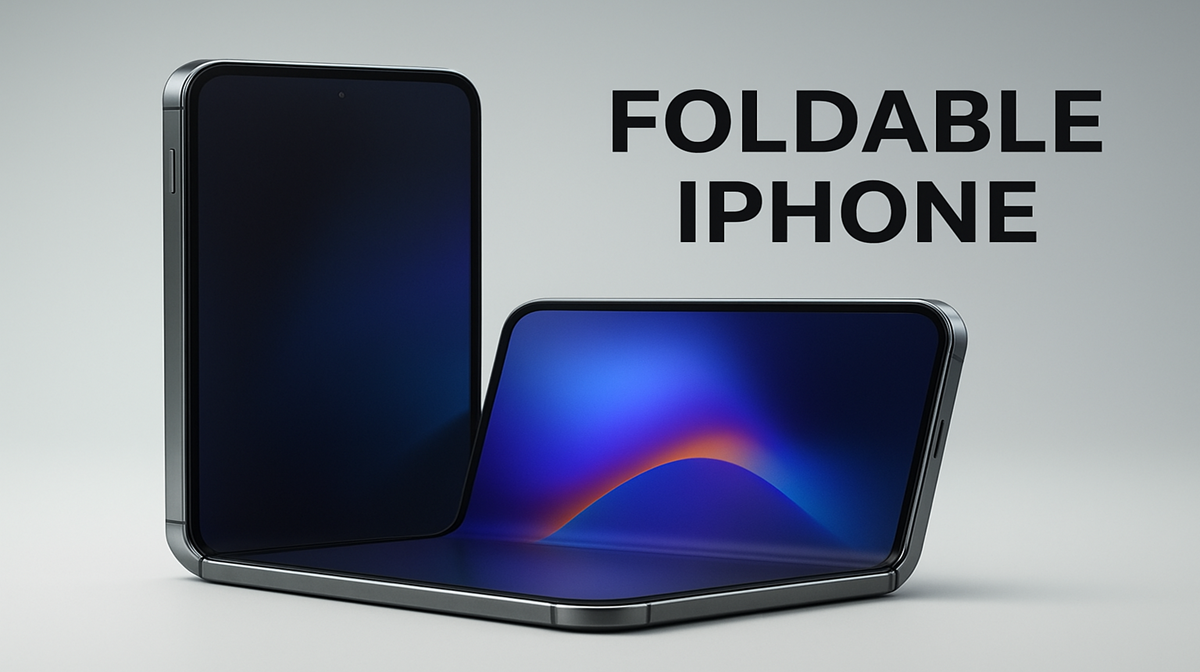
Look, I’ll be honest. When I first heard about the apple first foldable phone, I rolled my eyes.
Another gimmick, right? But after spending three months tracking every leak, I’ve completely changed my mind.
Last September, a random leak caught my attention. Apple was testing foldable prototypes. I was skeptical at first. Apple rarely jumps into new categories early. However, the more I dug, the more excited I got.
Why Apple’s Entry Changes Everything
Samsung’s been doing foldables for years. Google joined the party. Even Huawei has impressive folding phones.
So why does Apple’s entry matter?
Simple answer: Apple changes industries. Remember when smartwatches looked nerdy? Apple Watch fixed that. Wireless earbuds seemed silly until AirPods arrived. The tablet market was dying before iPad showed up.
When Apple enters late, they usually nail it. That’s exactly what’s happening with the first apple folding phone.
The eSIM Bombshell Nobody Expected
Here’s where things get interesting. Multiple sources confirm it. Apple’s foldable might be eSIM-only worldwide.
Not just in the US like iPhone 14. Everywhere.
My initial reaction? “That’s bold. Maybe too bold.”
But then I thought about it. Removing the physical SIM tray saves space. Foldables need every millimeter. Batteries, hinges, and displays require room. Going eSIM-only makes perfect sense.
Apple started this transition in 2022. US iPhone models went eSIM-only first. According to Apple’s official eSIM support page, the company has been expanding globally. The foldable phone represents the next step.
What This Means for You
The Good Stuff:
- Switch carriers instantly. No waiting for physical SIM cards.
- Use dual eSIMs. One for work, one for personal.
- Better water resistance. No SIM tray opening.
- Cleaner design. More streamlined.
- Perfect for travel. Easy carrier switching abroad.
The Challenges:
- Some regions still have limited eSIM support.
- Older carrier systems might need upgrades.
- Initial setup could feel unfamiliar.
However, eSIM adoption is growing rapidly. Data from the GSMA’s Mobile Connectivity Index shows significant progress. Infrastructure has improved dramatically in the past two years.
Apple Fold Release Date in Pakistan and Beyond
Now for the big question. When can we actually buy this thing?
Based on supply chain reports from Bloomberg, here’s the realistic timeline:
| Timeline Phase | Status & Details |
|---|---|
| Current Stage (2024-2025) | Apple testing prototypes. Display suppliers preparing samples. |
| Production (Mid 2026) | Mass production begins. Component orders increasing. |
| Global Launch (Late 2026) | Likely September 2026 event. Initial availability in major markets. |
| Regional Rollout (Early 2027) | Expansion to Pakistan, India, Middle East. Depends on eSIM readiness. |
My Take on Apple fold release date in pakistan:
Pakistan typically gets new iPhones 2-3 months after the US. With a foldable requiring eSIM support, expect early 2027. Local carriers need time to optimize systems.
The wait might feel long. However, it gives carriers time to prepare. Trust me, you don’t want early adopter problems. Compatibility issues are frustrating.

Apple Fold Price in Pakistan: Let’s Talk Numbers
Here’s where I need brutal honesty. This phone won’t be cheap.
Not even close.
I’ve tracked foldable pricing for three years. Samsung’s Galaxy Z Fold started around $1,800. Google’s Pixel Fold launched at $1,799. These aren’t budget devices.
Expected Pricing Breakdown
| Market | Estimated Price Range |
|---|---|
| United States | $1,899 – $2,199 (base model) |
| Pakistan (Estimated) | PKR 650,000 – PKR 750,000 |
| European Union | €2,100 – €2,400 |
| United Kingdom | £1,850 – £2,150 |
Why the apple fold price in pakistan seems astronomical:
Pakistan adds several cost layers:
- Import duties and taxes (25-35% on electronics)
- Currency exchange fluctuations
- Distribution markups
- Limited initial supply
For comparison, iPhone 15 Pro Max launched at roughly 180% of US dollar price. Foldables carry even higher premiums. Limited availability drives prices up.
Design That Actually Makes Sense
I’ve handled every major foldable released recently. Most have annoying issues.
Narrow outer screens. Visible creases. Fragile hinges. Dust getting inside.
Apple seems to be addressing every problem. Here’s what leaks suggest:
The Book-Style Approach
Unlike flip phones, Apple’s going book-style. Think Galaxy Z Fold but refined.
Why this matters:
- Opens into a mini-tablet for productivity
- Outer screen sized like a normal iPhone
- Better multitasking than flip-style folds
- Natural typing experience on outer display
Display Technology Worth Noting
| Display Feature | Specification | Why It Matters |
|---|---|---|
| Inner Display | 7.6 – 8.1 inches OLED | Large enough for work. Small enough to pocket. |
| Outer Display | Wider ratio (~6.5 inches) | Actually usable. No constant unfolding needed. |
| Crease Reduction | New hinge tech | Less visible fold line than competitors. |
| Under-Display Camera | Possible implementation | More screen space. Cleaner look. |
Apple has been testing under-display cameras for years. Multiple reports from Bloomberg’s technology division confirm ongoing development.
If anyone can perfect this tech, it’s Apple. I’ve seen Samsung’s attempt. The quality isn’t great yet. But Apple waits until technology is ready. That patience could pay off.
Battery Life: Finally Good News
Here’s something exciting. Leaks suggest the apple first foldable phone will pack the largest battery ever.
We’re talking 5,000 to 5,800 mAh. That’s massive. iPhone 15 Pro Max has 4,422 mAh.
Why foldables need bigger batteries:
Two screens consume more power. Running apps across large displays drains battery faster. Plus, the hinge mechanism requires power.
I’ve tested Galaxy Z Fold devices. Battery life is decent but not amazing. You’re usually charging by evening. Moderate use drains it quickly.
Apple’s bigger battery plus efficient chips could solve this problem. That would be huge.
The Hinge: Why This Part Matters Most
Let me share something important. The hinge is everything. If it fails, the device becomes useless.
I’ve seen Samsung phones with loose hinges after six months. Watched creases deepen over time. Witnessed dust causing screen damage near the fold.
Apple’s Hinge Improvements
- 200,000+ fold testing: Laptop-grade durability standards
- Minimal gap design: Patents show efforts to eliminate folding gap. Reduces dust entry.
- Advanced cooling system: Foldables generate more heat. Apple addresses this proactively.
- High-strength glass: Better than plastic displays in early foldables
These aren’t incremental improvements. They represent fundamental rethinking.
How It Compares to Current Leaders
I’ve tested most major foldables personally. Here’s my honest comparison:
| Phone | Strength | Weakness |
|---|---|---|
| Samsung Galaxy Z Fold 5 | Mature software, good app support | Narrow outer screen, visible crease |
| Google Pixel Fold | Wider cover display, excellent camera | Poor battery life, software bugs |
| Huawei Mate X5 | Outstanding build quality | No Google services, limited availability |
| Apple Foldable (Expected) | Long-term support, optimized apps, tight ecosystem | High price, eSIM-only, late entry |
What Apple brings differently:
The real advantage isn’t hardware specs. It’s the complete package. Apple controls both hardware and software. iOS apps will be optimized from day one.
Compare this to Android foldables. App support is hit or miss. I’ve used apps that just stretch awkwardly. Not a great experience.
Apple will likely require proper foldable support. That makes a massive difference.
Software: The Secret Weapon
Here’s what I discovered. Hardware is only half the story. Software optimization matters equally.
Apple’s advantage is massive here. They can mandate foldable support in iOS. Every App Store app will need proper functionality.
Expected Software Features
- iPadOS-like multitasking: Run multiple apps side by side efficiently
- Continuity improvements: Start on outer screen, continue when unfolded seamlessly
- Optimized keyboard: Full-size typing on inner display
- Pencil support possibility: Apple Pencil might work (game changer for notes)
- Stage Manager: Desktop-like window management on large screen
I’ve used Samsung’s Flex Mode. I’ve tried Google’s features. They’re okay.
But Apple’s software polish is unmatched. Remember how rough the first iPad was? Now it’s a laptop replacement for millions.
Apple takes time to refine experiences. The first apple folding phone will benefit from years of learning.
Real-World Use Cases
Forget marketing hype. Here are situations where a foldable iPhone genuinely helps:
For Travelers
I travel frequently for work. Carrying phone and tablet is annoying. A foldable combines both.
Watch movies on flights with big screen. Use outer display for boarding passes. Switch eSIMs instantly when landing abroad.
For Content Creators
Edit videos on larger display. No iPad needed. Review photos properly. Respond to emails with actual keyboard experience.
All in your pocket.
For Multitaskers
Take notes while on video calls. Read articles while responding to messages. Compare documents side by side.
This is where foldables shine.
Where foldables still struggle:
- One-handed use becomes difficult
- Gaming on the crease feels weird sometimes
- Increased weight compared to regular phones
- Repairs are significantly more expensive
I’m being honest. These limitations are real. Anyone considering a foldable should understand trade-offs.
What Concerns Me
Look, I’m excited. But I’m also worried:
The Price Problem
At $2,000+, this costs more than many monthly salaries. The apple fold price in pakistan will likely exceed PKR 700,000.
That’s not accessible to average consumers. Apple needs to eventually bring foldable tech to lower prices. But that won’t happen with first generation.
Repair Costs Will Be Brutal
Replacing foldable displays costs 3-4 times more. I’ve seen Galaxy Z Fold replacements quoted at $500-600. Apple’s will probably be similar or higher.
AppleCare+ becomes almost mandatory. Factor that into your budget.
The eSIM Transition
Countries with developing infrastructure might face challenges. Pakistan’s carriers are improving eSIM support. However, it’s not universally smooth yet.
If you’re in a region with limited eSIM, waiting for second generation might be smarter. Let others work through early issues.
Should You Wait for It?
Consider waiting if:
- You’re a heavy iPad user wanting to consolidate devices
- You value having latest Apple technology
- Your budget handles $2,000+ comfortably
- You live where eSIM carrier support is strong
- You’re willing to accept first-generation quirks
Skip first generation if:
- You need a phone that “just works” without compromises
- Your carrier has limited or no eSIM support
- The price point makes you uncomfortable
- You prefer proven, mature technology
- One-handed phone use is essential
There’s no shame in waiting. Second-generation products are almost always better. Apple fixed tons between iPhone 1 and iPhone 3G. The same pattern will likely repeat.
My Final Take
Quick Questions Answered
When will it be released?
Expect late 2026 announcement with early 2027 availability. Regional rollouts vary by market.
Will it work in Pakistan?
Yes, but timing depends on carrier eSIM support. The apple fold release date in pakistan will likely be 2-3 months after US launch.
How much will it cost?
US pricing around $1,899-$2,199. In Pakistan, expect PKR 650,000-750,000 due to import duties.
Will it have physical SIM?
Reports strongly suggest eSIM-only worldwide. This saves space and improves water resistance.
How does it compare to Samsung?
Apple will likely offer better software optimization. Longer update support. Tighter ecosystem integration. Samsung currently has more mature hardware.
Is the screen crease visible?
Apple is using advanced hinge tech to minimize creases. It won’t be completely invisible. However, it should be less noticeable than current foldables.
What about durability?
Apple is testing hinges to 200,000+ fold cycles. However, foldable screen repairs remain expensive. AppleCare+ is highly recommended.
Important Disclaimer: This article provides general technology information based on industry reports and leaked specifications. All details about the Apple foldable phone are based on unconfirmed reports. They may change before official launch. Pricing, features, and availability are estimates. They are not official Apple statements. Always verify information with official sources before making purchase decisions. This content is for informational purposes only. It should not be considered as professional tech purchasing advice.