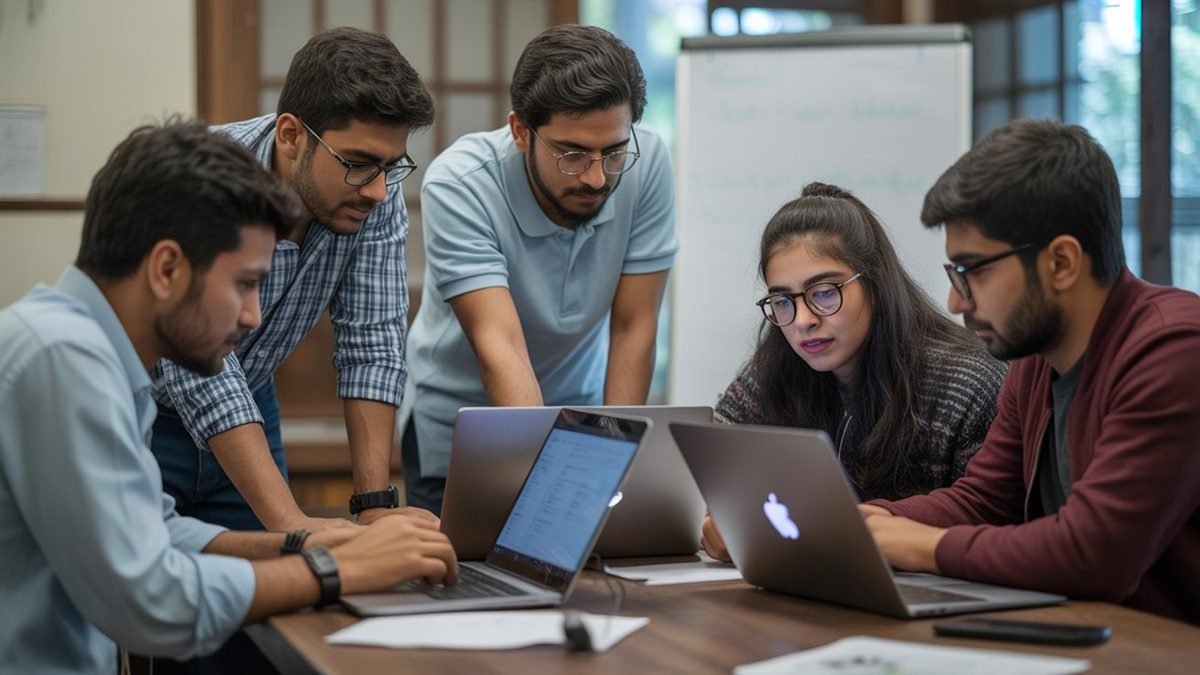
I signed up quickly. Within an hour, I had a working AI tool. That alone told me something important. AI Seekho 2026 is not theory. It is practical. Right now, many people in Pakistan are looking for skills that actually lead to income. This program focuses exactly on that. It pushes you to build real apps — not just watch tutorials.
What is AI Seekho 2026?
AI Seekho 2026 is a national AI learning and hackathon program launched by Pakistan’s Ministry of IT & Telecom with partners like Google for Developers and Telenor.
Unlike older training programs, this one focuses on building real AI tools from day one. You can register here: goo.gle/aiseekho2026
Key Goals
- Turn beginners into AI builders
- Support startup creation
- Solve local problems using AI
There is also a Rs 2.5 million prize pool — which makes it competitive and serious.

Program Structure and Timeline
The program is simple but fast-paced. Timelines are short. Quick action is important.
Phase 1: Online Building (April 11 – May 3)
- Build AI apps or games
- Use Google AI tools
- Submit your project online
Phase 2: Hackathons
- Held in Karachi, Lahore, Islamabad
- Only top participants qualify
- Work on real challenges
Latest updates: goo.gle/aiseekho2026
Step-by-Step Registration Guide
I tested the process myself. It is very simple.
- Step 1: Open goo.gle/aiseekho2026
- Step 2: Sign up with your Google account. No payment needed.
- Step 3: Fill in your skills and education profile.
- Step 4: Start building on Google AI Studio.
- Step 5: Submit your project before the deadline.
Already exploring ways to earn from AI in Pakistan? Read this: Real Methods to Earn from AI in Pakistan — it connects directly with what AI Seekho is building toward.
My Hands-On Experience
I wanted to see if this actually works.
So I built a simple flood alert tool using local weather patterns. It took under two hours. That speed is unusual.

Pakistan AI Policy Context — Why This Matters Now
This program connects with Pakistan’s National AI Policy 2025. The policy aims to train large numbers of people in AI, increase digital skills, and support IT export growth.
Pakistan has a young population. Many graduates are entering the market each year. Job opportunities are limited. So skill-based programs like this can help close that gap.
If you’re in a province like KP, there are also targeted efforts: KP Digital Skills Program for Women in Peshawar is one such initiative worth knowing about.
The reality: Pakistan needs jobs, skills, and innovation. Programs that only teach theory have failed before. AI Seekho is different because it demands you build something real before you even reach the hackathon stage.
Hackathon Details and Themes
After the online phase, selected users move to hackathons.
Locations
- Karachi
- Lahore
- Islamabad
Format
- 24 to 48 hours
- Team-based work
- Mentorship support
Tracks
- App Banao — Build real solutions like agriculture or traffic apps
- Game Uthao — Create AI-based interactive games
Focus Areas
- Agriculture
- Traffic systems
- Flood alerts
- Energy issues
From what I tested, local problem-solving increases your chances of selection. Build something that solves a Pakistani problem — not just a generic app.
What is Google Antigravity?
Google Antigravity is a key tool used in AI Seekho. Full details are at ai.google.dev. It is an AI-powered coding assistant.
What It Does
- Generates code from simple prompts
- Fixes bugs automatically
- Helps test applications
When I used it, it corrected errors without manual work. That saved time. Compared to older tools, it feels more automated and beginner-friendly. Someone with zero coding experience can genuinely build something in a few hours.
Local Impact and Job Reality
Pakistan’s job market is shifting. Many graduates struggle to find work. At the same time, freelancing is growing fast — and AI skills are at the center of that growth.
Programs like AI Seekho can help by teaching practical skills, connecting users with startups, and supporting freelance income. In cities like Rawalpindi, access to opportunities is limited. This program helps bridge that gap.
For a broader picture on certification and skill-building, also check: Global IT Certification Program — Punjab PITB Guide.
Comparison with Past Programs
Pakistan has launched similar initiatives before — like DigiSkills and National Incubation Centers. Here is how AI Seekho stacks up.
| Feature | Old Programs | AI Seekho 2026 |
|---|---|---|
| Learning Style | Theory | Practical |
| Tools | Basic | AI tools |
| Industry Link | Weak | Strong |
| Speed | Slow | Fast |
This shift toward practical building is important. Theory alone does not create jobs. Building does.
Expert Insights
Industry professionals are already highlighting AI’s importance in Pakistan’s economy. Awais Vohra has discussed how AI will shape telecom services. From my discussions with developers across Karachi and Rawalpindi, three things keep coming up:
- Practical skills matter more than degrees
- AI tools reduce entry barriers significantly
- Startups need builders — not just learners
This aligns with what AI Seekho is trying to achieve. It is not just training. It is a filter for real talent.
Key Facts Summary
| Category | Details |
|---|---|
| Program | AI Seekho 2026 |
| Organizer | Ministry of IT |
| Partners | Google, Telenor |
| Prize Pool | Rs 2.5 Million |
| Phase 1 | April 11 – May 3 |
| Cities | Karachi, Lahore, Islamabad |
| Cost | Free |
What Happens Next?
In the coming weeks, we may see more student registrations, hackathon dates announced, and top teams moving into incubation programs. If this continues, it can lead to new startups, more freelance income, and a better tech ecosystem across Pakistan.
Success depends on how well participants use the opportunity. Even if a small number build real products, the impact could be strong. It also helps people see AI as an opportunity — not a threat.
Frequently Asked Questions