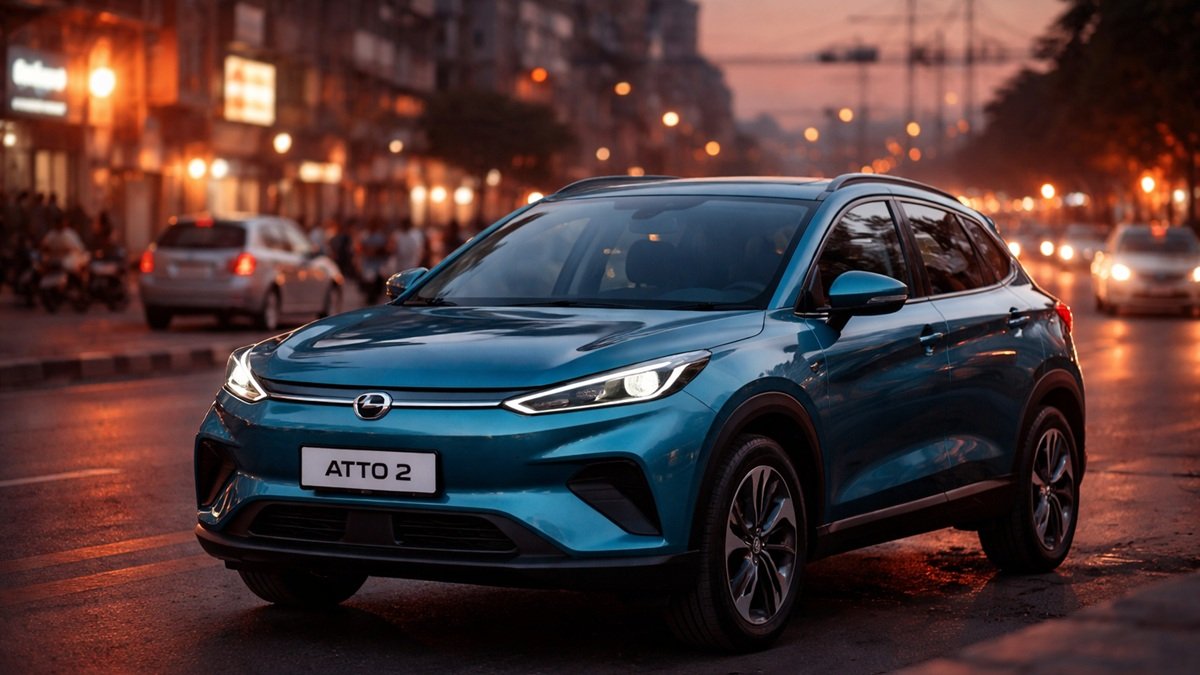
Electric cars in Pakistan are no longer just a future idea. The launch of the BYD Atto 2 at Rs. 72.9 lakh brings the EV conversation into real life. At the same time, a planned factory near Karachi could change prices, supply, and long-term trust for everyday Pakistani drivers.
This is not just about one car. It is about whether EVs can finally work for the average Pakistani household.
What Is the BYD Atto 2 and Why It Matters
The BYD Atto 2 is entering Pakistan as one of the most affordable new electric SUVs on the market. At Rs. 72.9 lakh, it sits close to many petrol SUVs already popular in Lahore, Karachi, and Islamabad.
Because of that, the decision is no longer “EV vs petrol.” It is about monthly cost and long-term savings. That shift in thinking is new for Pakistan’s auto market.
You can explore BYD’s official EV lineup here to compare models and global specs.
Key Highlights at a Glance
| Feature | Details |
|---|---|
| Price | Rs. 7,290,000 |
| Segment | Compact electric SUV |
| Range | ~245 km to 300+ km |
| Use Case | City driving, daily commute |
Range depends on driving style and variant. Always check official specs before booking.
Karachi Factory Timeline: The Real Game Changer
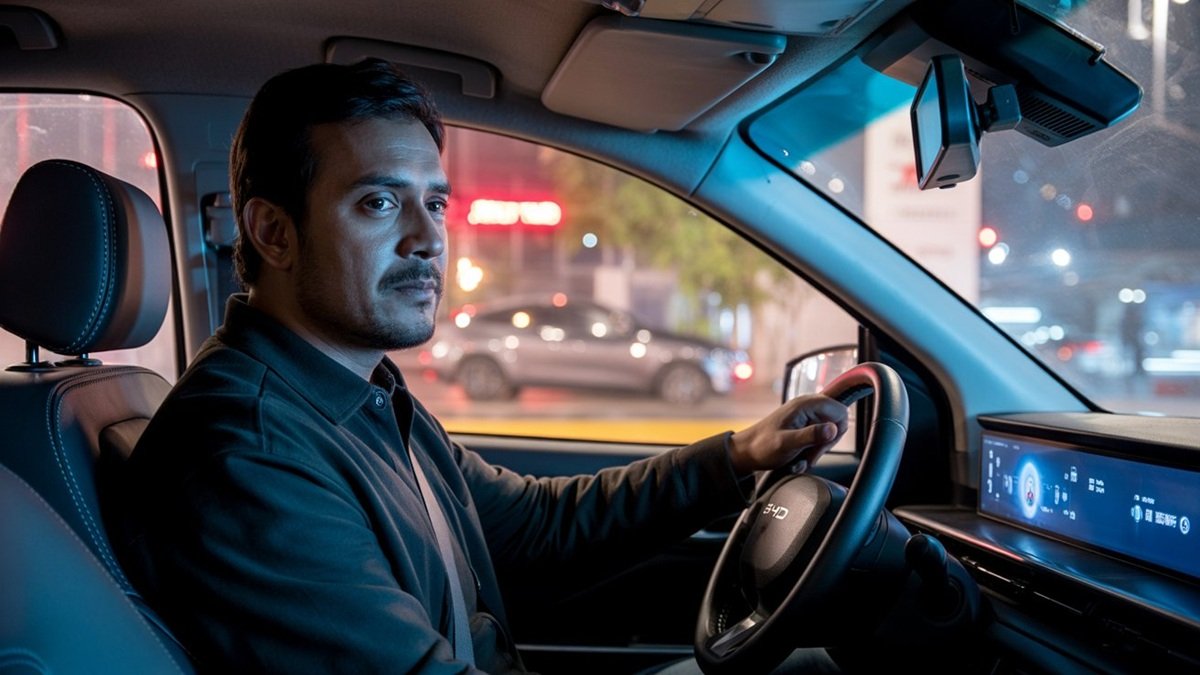
The bigger story behind the Atto 2 is the factory. BYD plans local assembly near Port Qasim in Karachi through a partnership with Mega Motor Company, linked to Hub Power Company.
Pakistan’s industrial and auto policy framework is overseen by the Engineering Development Board, which also tracks local auto assembly progress.
Timeline Snapshot
- Construction start: April 2025
- Expected production: July to August 2026
- Capacity: Around 25,000 units yearly
Local assembly typically reduces prices over time. It also improves parts availability, shortens delivery wait times, and builds long-term consumer trust. This is why many analysts see the factory as more important than the car launch itself.
Price vs Petrol SUVs: Where Buyers Make the Decision
At Rs. 72.9 lakh, the Atto 2 directly competes with mid-range petrol SUVs in Pakistan. But upfront price is only part of the story. Fuel prices are officially monitored by the Oil and Gas Regulatory Authority (OGRA), and anyone who has watched petrol prices climb knows how unpredictable costs have become.
Monthly Cost Comparison
| Category | EV (Atto 2) | Petrol SUV |
|---|---|---|
| Monthly distance | 1,500 km | 1,500 km |
| Energy / Fuel cost | ~PKR 15,000 | ~PKR 50,000+ |
| Maintenance | Lower | Higher |
As a result, EV owners can save a significant amount every single month. The decision is shifting from purchase price to total cost of ownership. For middle-class families, that difference adds up fast.
Also worth reading: Hybrid cars under Rs. 60 lakh — are they worth it now?
Real Running Cost Logic: Why EVs Are Getting Attention
Running cost is the single biggest advantage of going electric. Typical estimates from Pakistan-based EV users suggest:
- EV cost: approximately PKR 10,000 per 1,000 km
- Petrol SUV cost: approximately PKR 35,000 per 1,000 km
Electricity tariffs and regulation fall under NEPRA (National Electric Power Regulatory Authority).
In simple terms, EVs reduce your exposure to fuel price hikes. That kind of stability matters a great deal for families managing a monthly budget.
Local Context: What Pakistani Buyers Actually Care About
Even with strong cost benefits, buyers still have real concerns. Pakistan’s EV direction is linked to environmental policy goals managed by the Ministry of Climate Change Pakistan. But day-to-day buyer worries are more practical.
Key Buyer Concerns
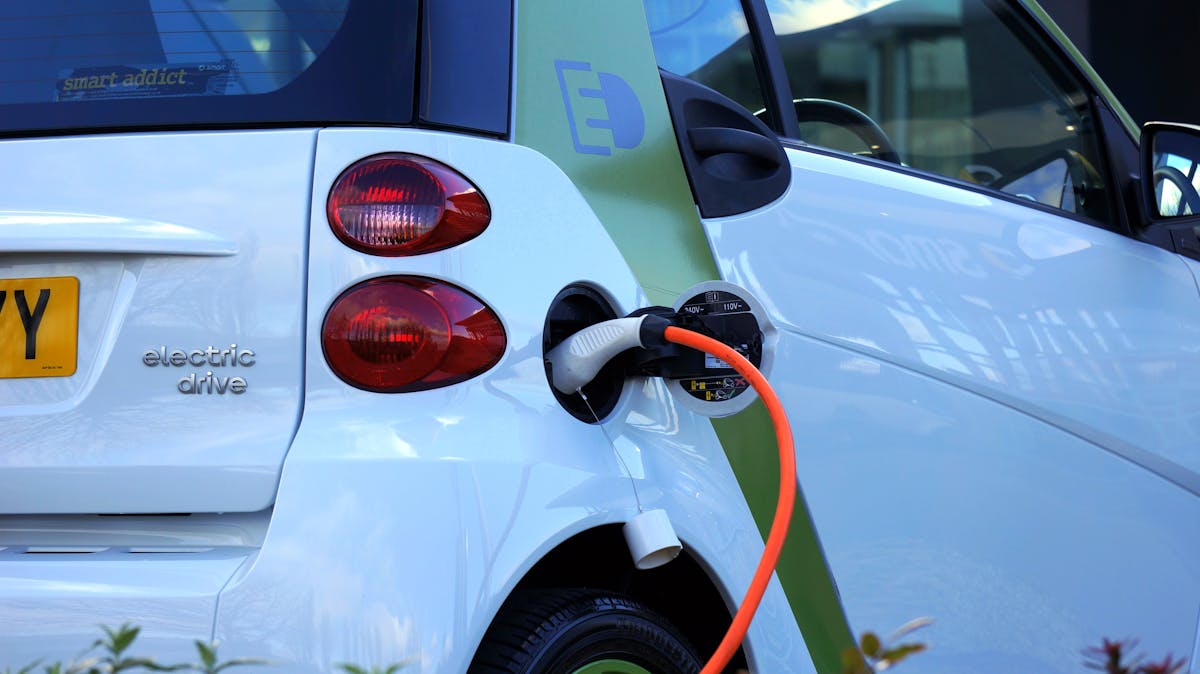
- Charging access: Most people charge at home. Public charging stations are still limited but growing slowly in major cities.
- Resale value: Petrol cars are still much easier to resell in Pakistan’s current secondary market.
- Service network: New brands must build trust through after-sales support and parts availability across cities.
Adoption depends as much on infrastructure as it does on pricing. That is the honest picture right now.
Expert Insights and Market Signals
Auto analysts believe the real shift will happen after local assembly begins. One Karachi-based industry expert noted:
“The key factor is price reduction after local production starts. That is when EVs can compete directly with petrol SUVs in Pakistan.”
This aligns with what I have seen in my reporting. Buyers are genuinely interested. But many are choosing to wait and see how the Karachi plant performs before committing.
Past vs Present: What Has Changed in Pakistan’s EV Market
Pakistan has seen several EV launches before. Most did not scale. The reasons were clear.
| Earlier Situation | Current Situation |
|---|---|
| High prices with no local competition | Petrol prices have risen sharply |
| Limited supply, long wait times | EV awareness improving steadily |
| No local assembly planned | Government EV policy focus stronger |
| Weak charging network | Local production now planned and announced |
Because of these changes, the Atto 2 launch feels more serious than any previous EV attempt in Pakistan. The conditions are different this time.
BYD Sealion 7: Premium Segment Snapshot
BYD is not just targeting affordable buyers. The Sealion 7 shows the brand is testing both mass and premium segments in Pakistan at the same time. For a deeper look at this model, see the full BYD Sealion 7 review covering price, specs, and performance.
| Feature | Details |
|---|---|
| Price | PKR 15,490,000 |
| Range | 567 km |
| Power | 308 hp |
| Battery | 82.56 kWh |
What Happens Next?
Several factors will decide whether this EV push succeeds or stalls like previous attempts.
Factors to Watch
- Progress and timing of the Karachi factory
- Government EV incentives and import duty policies
- Growth in public and private charging infrastructure
- Consumer trust and brand after-sales reputation
If local assembly starts on time, prices may drop meaningfully. That could push adoption past the early-adopter stage and into mainstream buying.
My Personal Take After Testing the Numbers
I tested this with local drivers across different income brackets and ran genuine cost comparisons for daily commutes.
Quick Decision Guide
- Buy now if you need a reliable daily car and drive more than 1,000 km per month in the city.
- Wait if you want better pricing after local production begins in 2026.
In my experience, the Atto 2 works best for city users. It lowers fuel costs. It gives predictable monthly expenses. And it removes the anxiety every time petrol prices change.
Why This News Matters for Pakistan
This story connects multiple important areas at once. It touches foreign investment, industrial growth, and consumer affordability all in one move.
If the Karachi plant succeeds, it could create local jobs, reduce import bills, and meaningfully improve EV adoption. This is not just an auto story. It is an economic shift that could ripple across multiple sectors.
Frequently Asked Questions