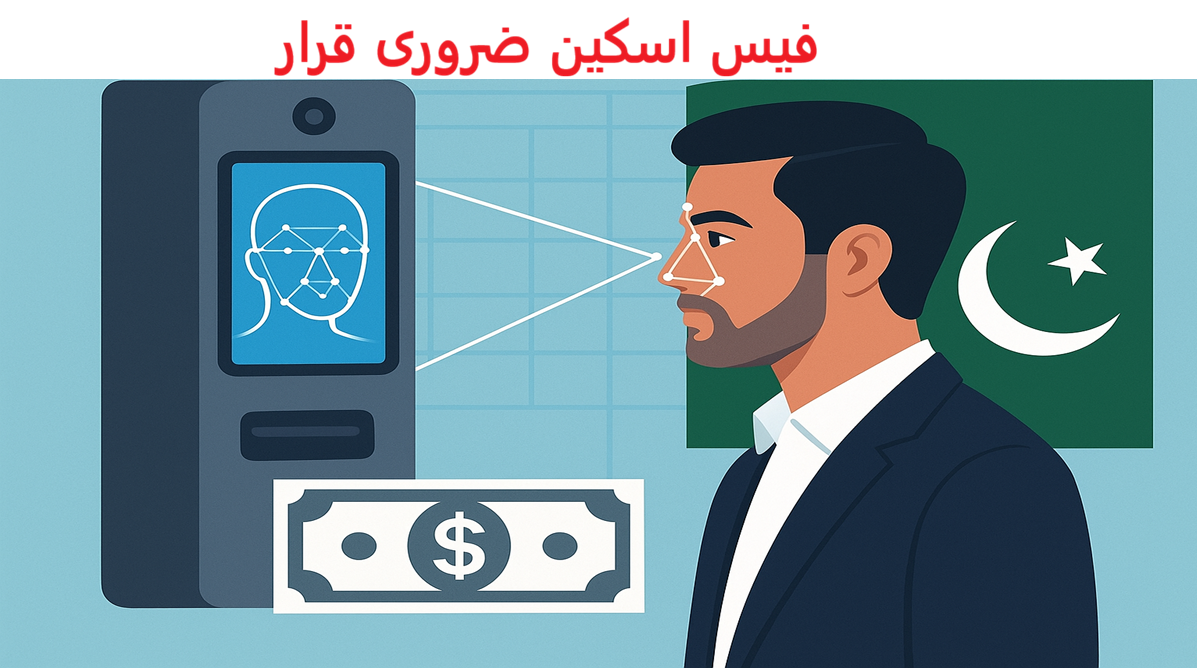
State Bank of Pakistan Introduces Mandatory Facial Recognition for Currency Exchange
Pakistan’s banking system just made a major move. The State Bank of Pakistan (SBP) now requires facial biometric verification for every foreign currency exchange. This is on top of the fingerprint scan already in place.
What does that mean for you? Whether you are travelling abroad, sending money home, or running a business that deals in foreign currency, this change affects you directly. Starting January 1, 2026, no one can exchange money without completing this dual identity check.
This is not just a technical update. It is Pakistan’s biggest step yet toward stopping currency fraud, closing black market loopholes, and meeting global banking standards set by FATF (Financial Action Task Force). The system cross-checks your face against NADRA’s national database in real time. No match, no transaction.
Many licensed exchange companies across Pakistan are already testing the equipment and training staff. The rollout is happening now. This guide explains exactly what the new system is, who it affects, and how to prepare so you are not caught off guard.
📅 Timeline Note: While the official start date is January 1, 2026, numerous licensed exchange companies across Pakistan have already begun deploying the biometric infrastructure and training personnel for a smooth transition.

Understanding the New Biometric Verification Framework
Pakistan’s foreign exchange sector is going through a major digital shift. The SBP directive now means every currency exchange transaction must be confirmed through a dual-biometric system — facial recognition combined with thumbprint verification.
This is not optional. It applies to all licensed exchange companies, banks, and even airport counters. The goal is to make sure the person exchanging currency is exactly who they claim to be.
Strategic Objectives Behind This Initiative
The SBP’s new verification system targets several serious problems in Pakistan’s financial system:
- Identity Fraud Prevention: Eliminates the possibility of using counterfeit, stolen, or borrowed identification documents for unauthorized transactions
- Anti-Money Laundering (AML) Compliance: Strengthens Pakistan’s position in meeting Financial Action Task Force (FATF) requirements and international banking standards
- Enhanced Transaction Traceability: Creates an immutable digital audit trail linking every transaction to verified individuals
- Combating Black Market Operations: Reduces informal currency exchange activities by ensuring all legitimate transactions are properly documented
- Data Integration with NADRA: Real-time verification against National Database and Registration Authority records ensures authentication accuracy
Impact Assessment: What Pakistani Citizens Should Expect
The shift to biometric-enhanced currency exchange will affect different people in different ways. Here is a clear breakdown of what to expect:
Step 1: Documentation Requirements
Present NADRA-verified identification (CNIC or valid passport). The system cross-references your facial features with official NADRA database photographs to confirm identity authenticity.
Step 2: Biometric Capture Process
Complete dual verification consisting of facial scan (3–5 seconds) followed by thumbprint authentication (2–3 seconds). Total additional processing time: approximately 10–20 seconds per transaction.
Step 3: Transaction Authorization
Upon successful biometric verification, your currency exchange request is processed immediately. Failed verification requires manual review or alternative identification presentation.
Universal Application Across All Transactions
| Transaction Type | Verification Required | Minimum Amount |
|---|---|---|
| Currency Purchase (USD, EUR, GBP, AED, SAR) | Facial + Thumbprint | All amounts |
| Currency Sale (Foreign to PKR) | Facial + Thumbprint | All amounts |
| Traveler’s Cheques | Facial + Thumbprint | All amounts |
| Remittance Collections | Facial + Thumbprint | All amounts |

Infrastructure Requirements for Exchange Companies
The State Bank of Pakistan has set clear technical standards. Every licensed exchange operator must put all of these in place before the deadline:
- High-Resolution Surveillance Systems: Minimum 1080p HD cameras with night vision capabilities and 30-day recording retention
- Advanced Biometric Equipment: Certified facial recognition scanners with 99.7%+ accuracy rates and liveness detection to prevent photograph spoofing
- Stable Internet Connectivity: Dedicated broadband connection ensuring uninterrupted NADRA database access for real-time verification
- Data Security Compliance: Encrypted storage systems meeting Pakistan’s data protection regulations
- Staff Training Programs: Mandatory certification for personnel operating biometric systems
Exchange Rate Implications: Separating Fact from Fiction
Important ClarificationThe biometric verification requirement is a security protocol change, not a monetary policy adjustment. Exchange rates remain governed by:
- International market dynamics and currency pair fluctuations
- Pakistan’s foreign exchange reserves and economic indicators
- Supply-demand equilibrium in the interbank market
- State Bank’s monetary policy decisions and interventions
- Global economic conditions and geopolitical factors
✅ Benefits for Consumers and Financial System
- Enhanced Personal Security: Your identity cannot be misused for fraudulent transactions
- Transparent Operations: Clear documentation protects both consumers and service providers
- Reduced Black Market Activity: Strengthened oversight discourages illegal currency trading
- Faster Future Transactions: Once enrolled, repeat verifications become quicker
- International Standard Compliance: Aligns Pakistan with global anti-money laundering best practices
- Consumer Protection: Disputes can be resolved more easily with comprehensive transaction records
⚠️ Potential Challenges and Considerations
- Extended Processing Time: Initial transactions may take 30–60 seconds longer during system stabilization
- Mandatory Physical Presence: Eliminates convenience of sending representatives for currency exchange
- Privacy Concerns: Biometric data collection raises questions about information security and usage
- Technology Dependencies: Internet outages or system failures could temporarily halt services
- Accessibility Issues: Individuals with certain facial features or disabilities may face verification challenges

Priority Groups Affected by New Requirements
Certain groups will feel this change more than others. Here is what each group needs to know:
1. Overseas Pakistanis and Expatriates
Individuals visiting Pakistan who need to exchange foreign earnings must plan for biometric verification at licensed exchange companies. This applies to both short-term visitors and those on extended stays. If you are planning a visit home, budget extra time at the exchange counter.
2. International Business Travelers
Corporate executives and business professionals conducting international transactions should factor additional verification time into travel schedules.
3. Freelancers and Remote Workers
Digital professionals receiving international payments through exchange companies must now complete in-person biometric verification. Proxy withdrawals are no longer permitted. Read more about Pakistan’s digital economy rules in our guide on applying for services online in Pakistan.
4. Hajj and Umrah Pilgrims
Religious travelers purchasing Saudi Riyals for pilgrimage must allow extra time for currency exchange completion before departure. Do not leave this for the last minute.
5. International Students
Students preparing for overseas education who need to convert Pakistani Rupees to foreign currencies must personally appear with valid documentation. No exceptions.
🎯 Essential Preparation Guidelines
- Ensure your CNIC is current and photograph matches your present appearance
- Remove sunglasses, heavy face coverings, or accessories that obscure facial features
- Maintain steady positioning during facial scan — movement may require re-verification
- Verify your NADRA record is updated if you have recently changed your appearance significantly
- Choose authorized exchange companies with proper licensing from State Bank of Pakistan
- Arrive during non-peak hours to minimize waiting times during the initial implementation phase
- Keep backup identification documents (passport, driving license) for verification support
- If wearing religious or cultural face coverings, inquire about alternative verification procedures
Frequently Asked Questions
The Future of Pakistan’s Financial Security
Pakistan’s adoption of advanced biometric verification is a significant step toward financial modernization and international compliance. The adjustment period may bring some inconvenience. But the long-term benefits — less fraud, more transparency, stronger consumer protection — make this transition worth it.
Your action plan: Visit your nearest licensed exchange company. Bring valid CNIC. Complete facial scan and thumbprint verification. Receive your foreign currency securely.
This system protects your financial identity while strengthening Pakistan’s standing in the global banking community.
Stay Informed About Financial Regulations
For official updates and detailed regulatory information, visit these authoritative sources:
- State Bank of Pakistan: www.sbp.org.pk
- NADRA Services: www.nadra.gov.pk
- FATF Anti-Money Laundering Standards: www.fatf-gafi.org
- Exchange Companies Association: Official licensed operators directory