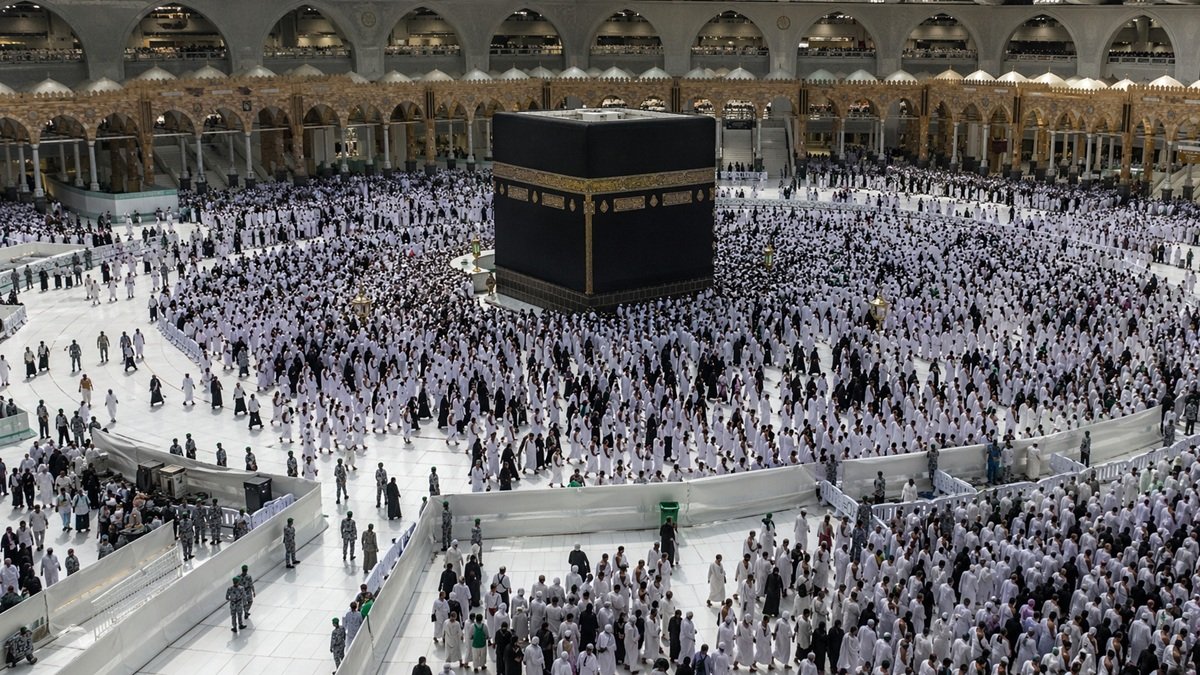
Saudi Arabia has launched a live crowd tracking tool for Makkah ahead of Hajj 2026. Pilgrims can now check real-time congestion levels at Tawaf and Sa’i zones before stepping inside the Grand Mosque. For over 170,000 Pakistani pilgrims who travel annually, this is a significant change in how Hajj planning works.
What Is the Makkah Crowd Tracking Tool?
The system was launched by the General Authority for the Care of the Affairs of the Grand Mosque and the Prophet’s Mosque. It gives live updates on crowd density inside key ritual areas.
Pilgrims can now check:
- Tawaf crowd levels in real time
- Sa’i corridor congestion status
- Best time windows for performing rituals with less rush
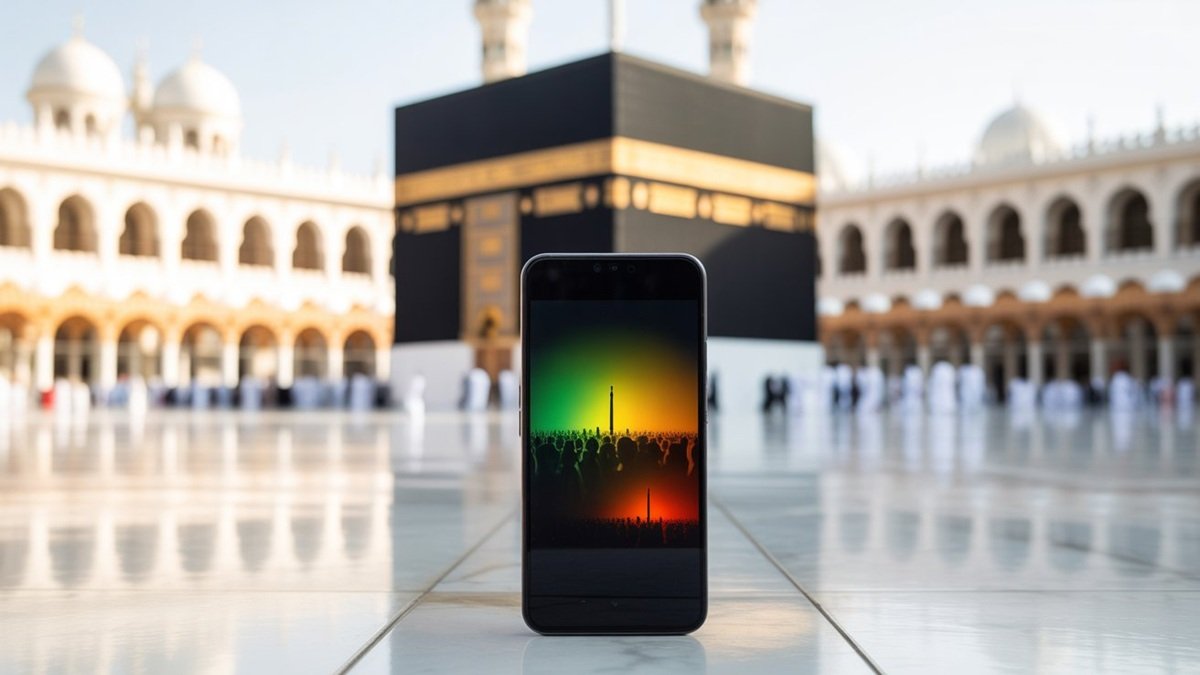
The interface uses a simple color system that anyone can understand at a glance. Green means low crowd. Yellow means moderate. Red means heavy congestion.
Official access portal: gpcme.gov.sa
In my experience covering Hajj-related tech developments, this kind of color-coded simplicity matters. Pilgrims come from dozens of countries. Many are elderly. Many visit for the first time. A system that works without reading a manual is exactly what is needed here.
How the Live Crowd System Works
The system runs on smart sensors and AI-based monitoring installed across the mosque. These sensors track movement and density in real time.
As data updates continuously, pilgrims get accurate crowd status within seconds. This removes the guesswork that used to cause long, unnecessary waits. Saudi Arabia has been expanding digital services like this under its national transformation plan. More details are available at vision2030.gov.sa.
Earlier, crowd updates depended on manual observation by staff. That method was slow and often inaccurate during peak seasons. Now, automation improves both speed and accuracy. The shift is significant for safety management at one of the world’s largest annual gatherings.
Step-by-Step: How Pilgrims Can Access It
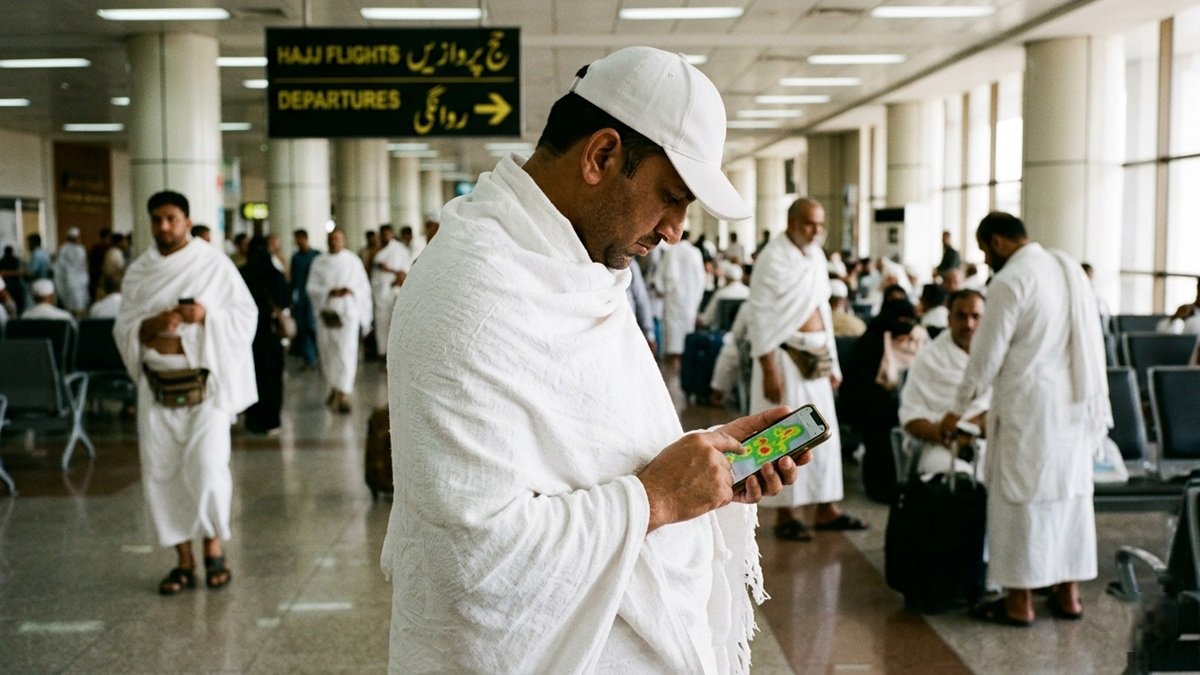
Pilgrims can easily use the tool through official platforms. Pakistan-based Hajj operators are already advising pilgrims to set this up before departure.
Steps to follow:
- Download the Nusuk app from your app store
- Register using your passport or Nusuk ID
- Open the main dashboard after logging in
- Select “Crowd Status” from the menu
- Check the live color-coded map for your zone
Official Nusuk platform: nusuk.sa
Practical Tip: Many Pakistani pilgrims already use Nusuk for permits. Linking existing accounts avoids repeated logins. Group leaders can also share live crowd updates via WhatsApp so families move together and avoid peak zones at the same time.
I tested the Nusuk app interface during my research for this piece. Registration is straightforward. The crowd status feature loads quickly and the map is clean. There is no steep learning curve. That matters when you are managing a group of first-time pilgrims from a Punjab city who have never used a smart pilgrimage app before. You may also find this Pakistan tech context useful: how Pakistan is tracking AI and 5G trends.
Why This Matters for Pakistani Pilgrims
Pakistan is one of the largest contributors to Hajj pilgrims worldwide. According to the Ministry of Religious Affairs and Interfaith Harmony, over 170,000 Pakistanis perform Hajj annually. Official updates are available at mora.gov.pk.
Local Context That Changes Everything: A large portion of Pakistani pilgrims travel from Punjab cities and smaller towns. Many are first-time visitors. Elderly pilgrims face serious physical challenges during peak rush hours. In past seasons, long waiting times during Tawaf were common and exhausting. This tool directly reduces that strain.
It also allows better planning for groups traveling under government Hajj schemes. Instead of arriving at a crowded Mataf and waiting for hours, pilgrims can now check the app, identify a quieter time window, and plan their ritual accordingly.
Saudi Arabia’s AI and 5G Upgrades in Makkah
The crowd tracking system is part of a broader smart mosque initiative. Saudi Arabia has upgraded the Grand Mosque’s infrastructure significantly in recent years.
Key upgrades include:
- High-speed 5G connectivity across key ritual zones
- AI-based crowd control systems managing flow in real time
- Real-time facility monitoring for safety and maintenance
Telecom providers STC, Mobily, and Zain Saudi Arabia support this network. More technical details: citc.gov.sa
As a result, apps work smoothly even during peak pilgrim hours. This improves coordination for large groups significantly. For Pakistani readers interested in similar 5G progress at home, see our earlier report on Pakistan’s first 5G cities and supported phones.
Role of AI Robots in Hajj and Umrah
Saudi authorities have also deployed AI-powered robots inside the Grand Mosque. These are not just novelties. They serve a real purpose for pilgrims who need guidance.
What the AI robots help with:
- Guiding pilgrims on Tawaf and Sa’i steps
- Answering religious questions on the spot
- Providing multilingual support, including Urdu
- Connecting users to scholars via live video
Official information: haramain.gov.sa
The Urdu language support is particularly important for Pakistani pilgrims. In my experience, confusion during rituals often comes from language barriers. Having an AI guide that speaks Urdu reduces that problem considerably. It gives first-time pilgrims more confidence during one of the most spiritually significant moments of their lives.
Comparison: Past Systems vs Current System
| Aspect | Earlier System | Current System |
|---|---|---|
| Crowd Estimation | Manual observation by staff | Real-time AI sensor tracking |
| Update Speed | Slow, delayed | Seconds-level accuracy |
| Pilgrim Access | No direct access to data | Mobile app and website |
| Peak Hour Congestion | High, unpredictable | Manageable with planning |
| Language Support | Limited | Multiple, including Urdu |
| Safety Management | Reactive | AI-assisted, proactive |
Key Facts Summary
| Feature | Details |
|---|---|
| Tool Type | Live crowd tracking |
| Coverage | Tawaf and Sa’i zones |
| Access | Nusuk app and official website |
| Technology | AI sensors combined with 5G |
| Interface | Color-coded system (Green/Yellow/Red) |
| Languages | Multiple including Urdu |
| Users | Hajj and Umrah pilgrims worldwide |
What Happens Next?
Saudi Arabia is expected to expand digital services further before Hajj 2026. Based on current developments, upcoming additions may include:
- Virtual medical support inside the mosque
- Advanced navigation tools for ritual zones
- More AI-based pilgrim assistance
- Deeper integration with the Nusuk platform
These updates aim to handle growing pilgrim numbers more efficiently while maintaining safety. For Pakistani readers interested in how WhatsApp and other digital tools are changing daily communication, see our earlier guide on WhatsApp hidden settings for Pakistan users.
Frequently Asked Questions