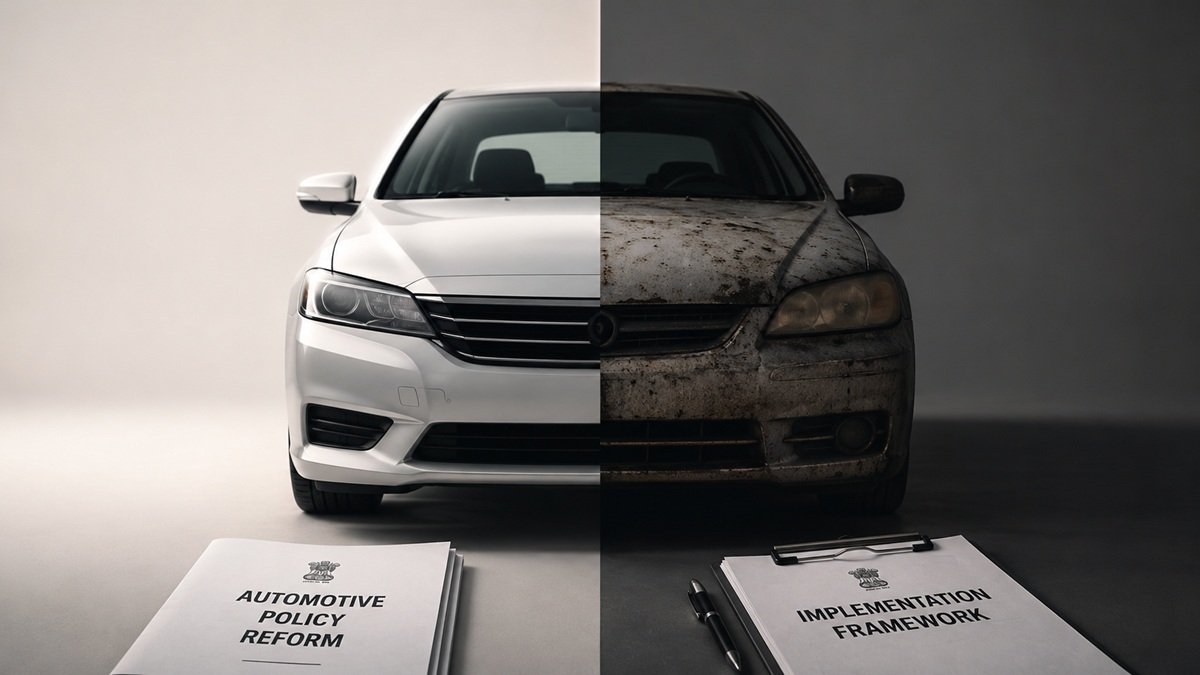
Everyone in Pakistan is asking the same question right now. Will cars actually get cheaper? The government announced its new Auto Policy 2026–31 and headlines went wild. “Cheap cars are coming!” But wait. I tracked the actual policy details. The real picture is very different from what most people expect.
This policy is not about giving buyers relief at the showroom. It is about reshaping Pakistan’s auto industry to earn foreign exchange. Here is what is actually happening and what it means for you.
What Is Pakistan’s Auto Policy 2026–31
Pakistan is preparing a new auto policy aimed at long-term industry growth. Unlike older policies, this one focuses more on exports and competition.
As part of broader reforms linked to the International Monetary Fund program, Pakistan is expected to reduce trade barriers and open its markets gradually. According to official sources from the Ministry of Industries and Production Pakistan, the policy is moving in a clear direction.
- Promote vehicle and parts exports
- Allow controlled import of used cars
- Reduce protection for local assemblers over time
- Encourage foreign investment
This clearly shows the policy is designed for economic restructuring. Not quick consumer relief. If you were hoping for a sharp price drop by December, that is probably not happening.
Curious how Chinese brands are already disrupting things? Read how Pakistanis are choosing BYD, MG, and Haval over Toyota and Honda right now.
Why “Cheap Cars” Headlines Can Be Misleading
At first glance, importing used cars sounds like great news. Lower prices seem possible. But the actual policy structure tells a different story.
Most imported vehicles are expected to be refurbished in Pakistan and then re-exported to other countries. As per government announcements and discussions linked with the Engineering Development Board Pakistan, the main goal is building an export-focused system. The policy is designed to earn foreign exchange. Not to increase local car supply.
So the “cheap cars” story? It is a headline that oversimplifies a complicated policy.
Will Cars Actually Get Cheaper in Pakistan?
This is the main question for buyers. In my experience tracking Pakistan’s auto market for years, price reductions are slow. They depend on many factors. Policy changes alone rarely reduce prices quickly.
Car prices depend more on economic conditions than policy announcements. For example, tax structures defined by the Federal Board of Revenue Pakistan show that multiple taxes keep prices elevated regardless of import duty changes.
| Factor | Effect on Prices |
|---|---|
| Rupee depreciation | Increases import cost |
| GST and FED | Keeps final prices high |
| Interest rates | Makes car loans expensive |
| Limited supply | Supports higher prices |
Bottom line: Cars may become slightly more affordable over time. But major price cuts are unlikely in the short term. Anyone planning a purchase should not wait for a big drop that may never come.
Key Drivers of Car Prices in Pakistan
Understanding these factors explains why prices stay high even when policies change.
1. Taxes and Duties
Pakistan applies multiple taxes on vehicles. Even if import duties fall, overall costs remain high. Details are available on the Federal Board of Revenue Pakistan website.
2. Exchange Rate
The rupee’s value directly affects import prices. Latest updates are tracked via the State Bank of Pakistan. When the rupee weakens, every imported component costs more.
3. Financing Costs
High interest rates make car financing difficult. Fewer people can afford new cars. This limits demand but does not necessarily push prices down.
4. Supply Issues
Limited local production and import restrictions keep prices elevated. More supply is the only real cure, and that takes time to build.
Already bought a used car under the old system? You need to read about new risks facing used car buyers in Pakistan right now.
Import-Refurbish-Export Model Explained
This is the core idea behind the new policy. The government is inspired by global trade hubs like Jebel Ali Free Zone in Dubai.
- Import used cars from international markets
- Refurbish them locally using Pakistani labor
- Export them to other countries for profit
Why this model matters: Pakistan has extra production capacity, domestic demand is limited, and export earnings are urgently needed.
No official export target has been announced yet. But the direction is clear. Exports come first. Local buyers come later. According to the International Organization of Motor Vehicle Manufacturers (OICA), successful export-oriented auto industries require years of infrastructure investment before showing results.
Local Industry Impact and Job Shifts
This policy could reshape employment in the auto sector. And not everyone benefits equally.
Jobs at Risk: Industry discussions suggest around 300,000 jobs in parts manufacturing could face pressure. The sector overall supports millions of livelihoods. Auto parts manufacturers, assembly plants, and traditional car dealerships all face an uncertain transition period.
New Job Opportunities: Vehicle refurbishment, inspection services, logistics and warehousing, and spare parts trading are all expected to grow. But job shifts may happen unevenly. Losses may appear faster than new opportunities arrive.
Pakistan vs Dubai Model Comparison
| Factor | Pakistan | Dubai |
|---|---|---|
| Labor cost | Lower | Higher |
| Infrastructure | Developing | Advanced |
| Export network | Limited | Global |
| Regulation | Improving | Strong |
Dubai’s success is built on strong systems and global trade links. Pakistan has a real cost advantage. But it must improve regulatory systems, quality control, and export logistics. Without these, results may stay limited no matter how good the policy looks on paper.
Want to see what new models are already lining up? Check out 8 cars from the China Auto Show set to launch in Pakistan.
IMF’s Role in Auto Policy Reforms
The International Monetary Fund is actively supporting reforms in Pakistan’s economy, including the auto sector. As per government announcements, the key reform focus includes reducing tariffs gradually, increasing competition, and improving transparency.
What this means for consumers: More competition in the long term. Possible improvement in choices. But a slow impact on prices. The IMF reforms are structural. They take years to reach your wallet.
What Changed From Previous Policies
Pakistan’s earlier auto policies focused heavily on protection. That era is ending.
Previous Approach: High import duties, limited competition, strong support for local manufacturers like Toyota, Honda, and Suzuki.
New Approach: Gradual market opening, export-led growth, reduced protection for incumbents. This is a major shift toward a more competitive system.
Market Winners and Losers
| Likely Winners | Likely Losers |
|---|---|
| Exporters | Traditional car dealers |
| Refurbishment businesses | Local assemblers (short term) |
| Logistics companies | Parts suppliers |
| Foreign investors | Consumers waiting for price drops |
Consumers may benefit from more options. But price relief may take years, not months.
What Happens Next
The policy is still evolving. Final details will decide its real impact. According to official sources, key developments to watch include final approval of Auto Policy 2026–31, tax changes in the upcoming budget, exchange rate trends, and import policy implementation. Updates are usually available through the Ministry of Finance Pakistan.
Key Facts Summary
- Policy focuses on exports rather than direct price cuts
- No official export target announced yet
- Taxes and currency remain key price drivers
- Job shifts expected across the industry
- IMF-backed reforms support long-term competition
What Happens Next for Buyers
- Check your budget carefully before deciding
- Monitor upcoming federal budget announcements closely
- Watch exchange rate trends weekly
- Compare local versus imported options
This helps make better decisions in an uncertain market. Do not wait indefinitely for price drops that may not arrive soon.
Frequently Asked Questions