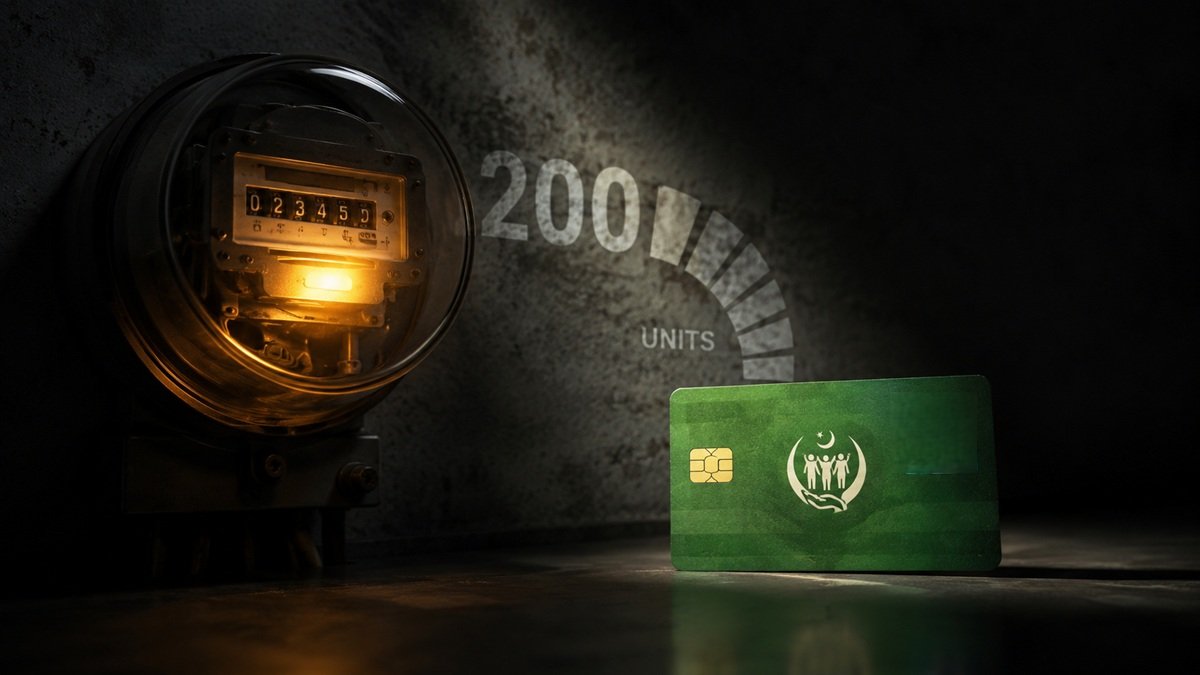
I have been covering Pakistan’s energy sector for years. And I have never seen a reform quite this significant land so quietly. The government just agreed to phase out the 200 unit electricity subsidy — a relief scheme that millions of Pakistani households have depended on for years. The replacement is a new system tied to BISP and NSER welfare data. This change kicks in from January 2027. If your home is not registered in the poverty database, your bill could look very different from next year onwards.
What Is Changing in Pakistan’s Electricity Subsidy System
Pakistan plans to gradually end the blanket 200 unit subsidy model from January 2027. Under the current system, households using up to 200 electricity units receive lower rates.
The government and IMF believe the structure became inefficient. Many consumers reportedly used multiple electricity meters to stay inside subsidized slabs. In my experience covering Rawalpindi and Islamabad, this was an open secret. Some rental properties had separate meters for each floor. The subsidy system was being gamed — and the cost fell on everyone else.
Now, subsidies will mainly go to verified low income households through BISP and NSER data. According to IMF Pakistan Program Updates, energy sector reforms remain one of the key conditions under Pakistan’s economic support program.
Key concern for most households: If your family is not registered in the NSER poverty database, you will likely lose all electricity subsidy access after January 2027. Middle class households using 200 to 400 units monthly should prepare for higher bills.
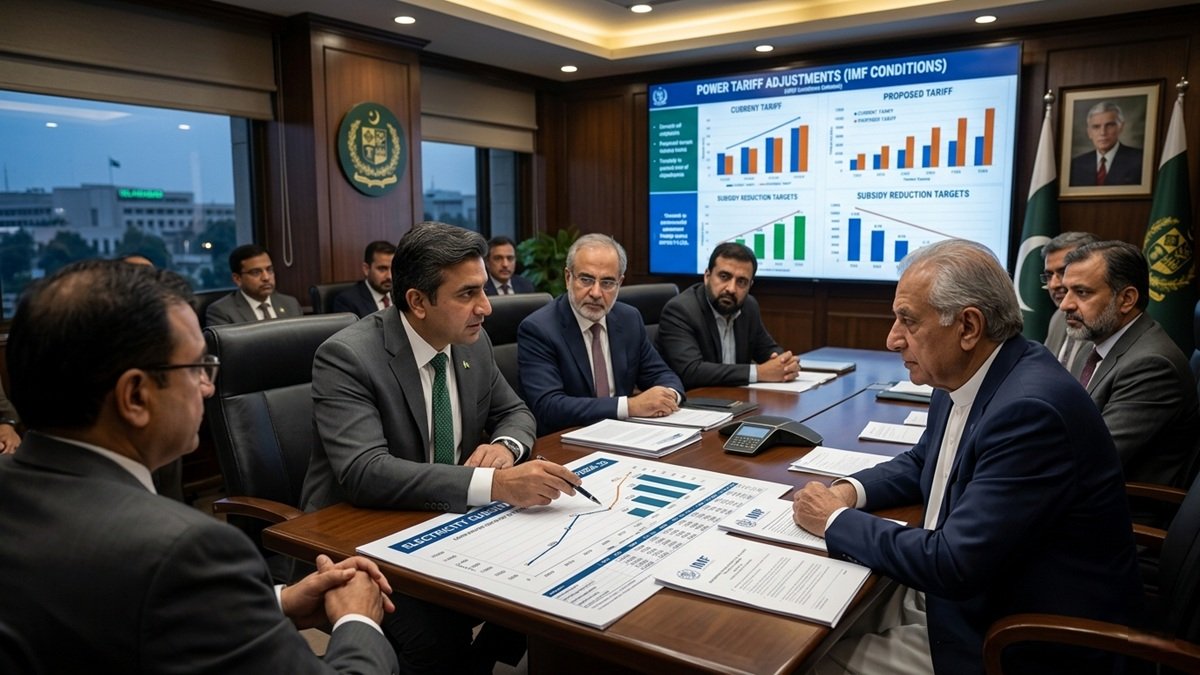
Why the IMF Pushed for These Reforms
Pakistan’s energy sector has struggled for years. Circular debt, electricity theft, poor bill recovery — these problems have piled up into a serious financial crisis. According to NEPRA Pakistan, distribution losses and unpaid dues continue to weaken the power system financially.
The IMF has consistently asked Pakistan to improve cost recovery in electricity pricing. In simple terms, tariffs should eventually reflect the real cost of generating and distributing power.
| Issue | Impact |
|---|---|
| Blanket subsidies | Relief often reached non-poor users |
| Multiple meter usage | Consumers split usage to stay below 200 units |
| Circular debt | Energy losses kept increasing |
| Cross subsidies | Middle class and industry paid higher rates |
| Weak targeting | Poor households sometimes missed relief entirely |
In cities like Rawalpindi, many residents already know how separate meters became common in some homes and rental properties. That loophole became one of the biggest arguments for reform. You can also read about how NEPRA fixed charges affect Pakistan electricity bills to understand how tariff structures already hit consumers hard.
How the New BISP Linked Subsidy System Will Work
The new model will rely on Pakistan’s existing welfare databases. Low income households registered through BISP and NSER are expected to qualify for direct electricity support.
| Step | What Happens |
|---|---|
| Verification | Household income checked through NSER |
| Approval | Eligible users linked with BISP data |
| Subsidy Assignment | Relief attached directly to electricity account |
| Monitoring | Records updated regularly |
Consumers can already access welfare information through the BISP Official Portal.
Personal take: I tested checking BISP registration status online. The process is straightforward. If your family is not registered, now is the time to check eligibility and apply through the nearest BISP office before 2027. Do not wait until the old system disappears.
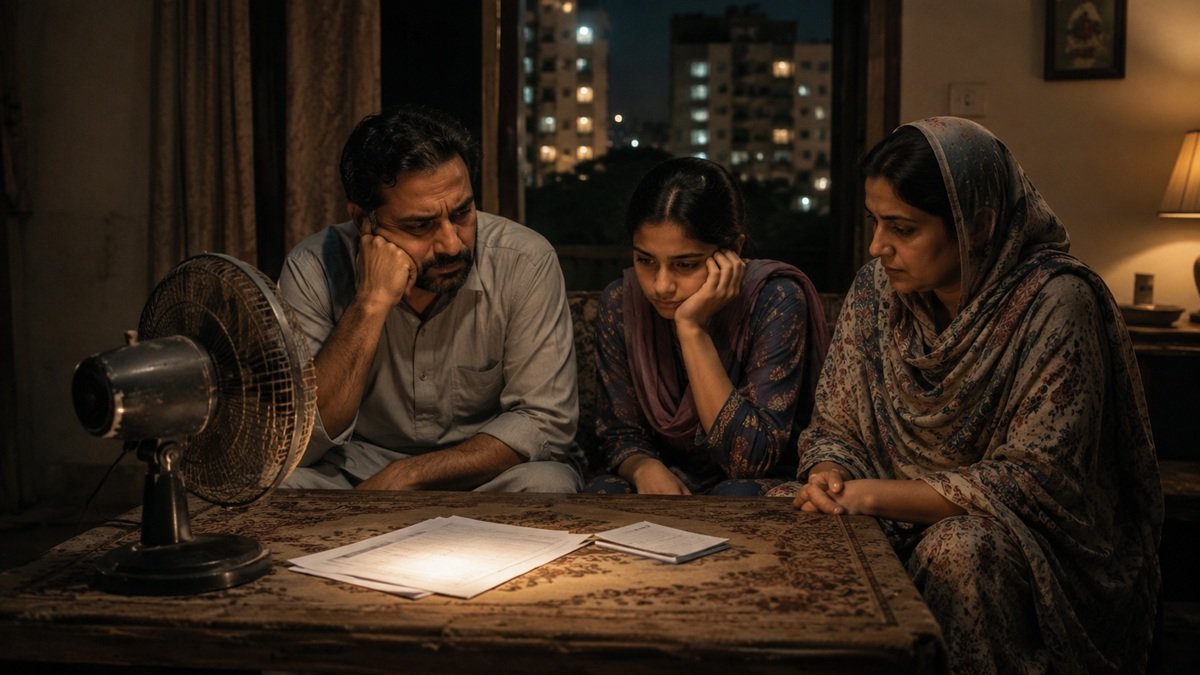
Why the 200 Unit Scheme Became Controversial
The 200 unit relief system was designed to protect low consumption households. Over time, officials argued it encouraged misuse. The main concerns raised by authorities included:
- Multiple electricity meters in one property
- Artificially split electricity loads
- Subsidies reaching wealthier consumers
- Higher burden on salaried users
- Rising financial pressure on DISCOs
The government believes targeted subsidies can reduce these problems while lowering wasteful spending. Still, the transition may not be easy. Previous reforms in Pakistan’s energy sector often faced delays because of technical problems, political resistance, and weak implementation.
How Households and Businesses May Be Affected
The biggest concern for ordinary consumers remains future electricity costs. Officials have not announced final tariff figures yet. However, Power Division Pakistan has repeatedly stressed the need for targeted subsidies and lower system losses.
| Consumer Group | Expected Impact |
|---|---|
| Low income families | Direct targeted subsidy support |
| Middle class households | Possible increase in monthly bills |
| High consumption users | Reduced subsidy benefits |
| Multiple meter users | Stricter monitoring and verification |
A household using around 300 units monthly could see higher electricity costs if future tariff adjustments continue. At the same time, verified low income households may receive more reliable support than before.
A Growing Solar Shift
Another important trend is rooftop solar adoption. Across Pakistan, more families and businesses are installing solar systems to reduce dependence on grid electricity. Rising tariffs may accelerate that trend further. You can learn more about how AMI smart meters work in Pakistan and how they relate to solar net metering. The Alternative Energy Development Board continues to support renewable energy expansion.
Impact on Businesses: Pakistan’s industrial sector has long argued that high electricity costs reduce competitiveness. Factories often pay higher tariffs because industries absorb part of the subsidy burden placed on residential users. More predictable electricity pricing may improve investment confidence if reforms reduce circular debt over time.
| Sector | Expected Effect |
|---|---|
| Textile exporters | Better tariff predictability |
| SMEs | Lower uncertainty over pricing policy |
| Manufacturers | Easier long term planning |
| Solar industry | Faster demand growth |
e-Abiana and Agriculture Reforms Explained
Pakistan is also expanding digital irrigation billing through the e-Abiana system. Pilot projects have started in Khyber Pakhtunkhwa and Sindh.
e-Abiana is a digital irrigation billing system designed to modernize water fee collection and reduce manual corruption risks. Agriculture uses large amounts of electricity through tube wells and water pumping systems. Therefore, energy reforms and irrigation reforms are now being linked together. More details are available through Pakistan Council of Research in Water Resources.
| Benefit | Impact |
|---|---|
| Digital payments | Faster fee collection |
| Better monitoring | Improved water management |
| Reduced leakages | Lower corruption risks |
| Efficient usage | Better agricultural planning |
Pakistan’s Wider IMF Reform Conditions
The latest IMF review reportedly includes broader structural reform conditions beyond electricity pricing. According to Finance Division Pakistan, Pakistan remains engaged in fiscal and structural reform discussions linked to long term economic stability.
| Sector | Focus |
|---|---|
| Energy | Tariff reforms and subsidy targeting |
| Welfare | Expanded BISP support |
| Governance | Procurement and transparency reforms |
| Taxation | Revenue and audit improvements |
| Industry | SEZ and incentive reforms |
Unique insight: This reform package is different from previous IMF cycles because it combines welfare targeting, digital systems, and energy restructuring together. Instead of broad subsidy cuts alone, the government is trying to build a more data-based support model. That shift could shape future welfare and utility pricing policies across Pakistan for years to come.
What Happens Next
The IMF board meeting scheduled for May 8 will remain important for Pakistan’s economic outlook. If approved, Pakistan is expected to receive another financial tranche under its ongoing IMF program.
The next phase may include targeted electricity subsidies, gradual tariff reforms, expanded BISP support, energy sector restructuring, and wider fiscal adjustments.
However, the biggest challenge will still be implementation. Past reforms often slowed because of public backlash, political pressure, or technical problems. This time, digital verification systems may help improve transparency. But public trust will depend on smooth execution.
Bottom line for Pakistani consumers: If you are a low income household, check your BISP registration status now at bisp.gov.pk. If you are a middle class consumer, begin planning for the possibility of higher electricity bills after January 2027. Rooftop solar remains the most practical long term option for households in a position to invest.
Frequently Asked Questions