Sana Bahadar and Pakistan’s Squash Gold Drought: The Full Picture
Pakistan’s last Asian Games squash gold came in 1995. Since then, the country has produced talented players, reached finals, and kept the sport alive. But the gold has stayed out of reach. The 2023 Asian Games was the latest example. Pakistan made it to the final but came away empty.
That gap of over three decades has pushed coaches, federations, and sponsors to think differently. Instead of waiting for one superstar, there is now a real push to build a stronger base of young players. Sana Bahadar sits near the top of that list.
Who Is Sana Bahadar?
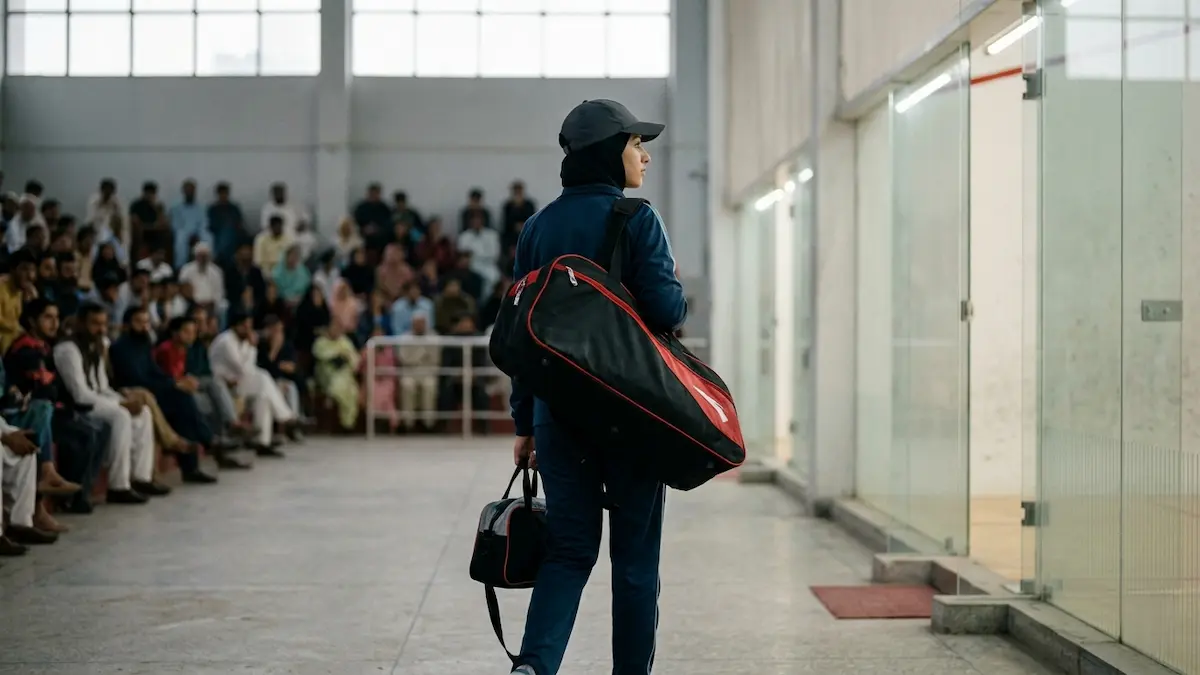
Sana is 19 years old, born and raised in Peshawar. She has been deaf and mute since birth. Despite that, she has worked through Pakistan’s junior squash system and is now drawing serious attention from coaches and former champions who see genuine potential in her game.
Peshawar is not just any city for squash. It is where the sport runs deepest in Pakistan. Growing up there means growing up around players, coaches, and a culture that treats squash as part of daily life. That environment matters more than most people realise when developing elite athletes.
What makes Sana’s case stand out is not just her ranking or results. It is the combination of her background, her location, and the moment Pakistan squash finds itself in. The sport needs new faces. She is becoming one of them.
Quick Profile
| Category | Details |
|---|---|
| Name | Sana Bahadar |
| Age | 19 |
| City | Peshawar |
| Sport | Squash |
| Special Circumstance | Deaf and mute since birth |
| Goal | International competition and national representation |
The Sponsorship That Could Change Everything
Talent without funding rarely goes far in modern competitive sport. International tournaments cost money. Travel costs money. Quality coaching costs money. This is where most promising Pakistani athletes hit a wall.
Sana’s three-year sponsorship agreement with the Amir S. Chinoy Foundation removes that wall, at least for now. The deal also covers her brother Saif Bahadar, who is also a squash player. The backing comes from a group of serious corporate names: International Industries Limited, Pakistan Cables, and International Steels Limited.
This kind of private-sector investment in individual athletes is still not common in Pakistan. Most funding flows through government bodies or federations, where resources are limited and distribution is often uneven. A targeted, multi-year deal for specific young players is a different model. It gives athletes stability and lets them plan their development over a longer horizon.
Pakistan’s sports funding landscape has been shifting. The Punjab government recently allocated its biggest sports budget yet for youth development, signalling that investment in emerging athletes is becoming a national priority. Private sponsorships like Sana’s are an important part of that broader picture.

Why Women’s Squash Is Pakistan’s Biggest Untapped Opportunity
For most of Pakistan’s squash history, the spotlight fell on male players. Jahangir Khan and Jansher Khan turned Pakistan into a global powerhouse through the 1980s and 1990s. The women’s game never received the same attention or investment.
That is changing. The Pakistan Squash Federation has been running more junior and national events for women. More female athletes are entering competitive squash at a younger age. The pipeline is slowly filling up.
This matters for one simple reason: sustainable success in international sport requires depth across both men’s and women’s categories. A country that competes well in only one half of the draw will always be limited. Pakistan has a real opportunity to build something more complete, and Sana Bahadar is part of that effort.
The World Squash Federation tracks international rankings and championship results across both categories. Pakistan’s women’s rankings have room to climb, which makes every competitive result from players like Sana meaningful beyond just the individual score.
Peshawar’s Role in Pakistan’s Squash Revival
It is worth pausing to understand why so many of Pakistan’s best squash players come from Peshawar. The city has a squash culture built over generations. Courts are part of the urban fabric. Coaches pass knowledge down through families and clubs. Former champions stay involved in the sport after their playing careers end.
Qamar Zaman, one of Pakistan’s great former champions, is from Peshawar and remains active in nurturing young talent. Having that kind of experienced eye watching over the next generation is not something you can manufacture through a government programme. It grows organically over decades.
For Sana, growing up in this environment means she has had access to knowledge and coaching that athletes in other cities might not. That geographic advantage is real, and it is one reason Peshawar continues to punch above its weight in producing elite players.
The Road to the 2026 Asian Games
Reaching the Asian Games is not a simple path. Athletes must build their international rankings through competitive play, survive national selection processes, and stay physically fit across a long calendar of events.
For Sana, the immediate priority is gaining experience in international tournaments. Domestic events provide a baseline, but it is exposure to foreign competition that accelerates development fastest. That is exactly what the sponsorship funding makes possible.
Key Development Path
| Stage | Purpose |
|---|---|
| Domestic tournaments | Competitive experience and consistency |
| International events | Ranking improvement and exposure |
| National camps | Team selection preparation |
| Asian Games 2026 | Medal opportunity for Pakistan |
Pakistan’s broader sports scene is also experiencing a moment of renewed investment. Events like the Saudi Arabia Dunes T20 League reflect how international interest in Pakistan sports is growing, which brings more visibility and resources into the ecosystem overall.
What Sana’s Rise Tells Us About Pakistan Squash’s Future
There is a temptation in Pakistani sports coverage to frame every promising young player as the next Jahangir Khan or the saviour of a sport. That framing is usually unfair to the athlete and inaccurate about how sports development actually works.
Sana’s story is better understood differently. She is not a single solution to a 30-year problem. She is evidence that the system is producing talent again. That there are young players with real ability coming through. That private sponsors are willing to back them. That women’s squash is gaining ground.
The 2026 Asian Games will tell us something about where Pakistan squash stands right now. But the more important story is what happens over the next five to ten years, as this generation of young players matures. Sana Bahadar, deaf and mute since birth, competing at the highest levels she can reach, is already part of that longer story.
Frequently Asked Questions
Who is Sana Bahadar?
Sana Bahadar is a 19-year-old squash player from Peshawar. She has been deaf and mute since birth and has developed into one of Pakistan’s notable junior squash players, attracting sponsorship and national attention.
When did Pakistan last win an Asian Games squash gold?
Pakistan’s last Asian Games squash gold came in 1995. The country reached the final at the 2023 Asian Games but did not secure the gold medal.
Who is sponsoring Sana Bahadar?
The Amir S. Chinoy Foundation has signed a three-year sponsorship agreement for Sana and her brother Saif Bahadar. The backing also comes from International Industries Limited, Pakistan Cables, and International Steels Limited.
Why is women’s squash important for Pakistan?
Pakistan’s squash history has been dominated by male players. Building a strong women’s programme gives the country depth in both categories and opens up more medal opportunities at international events like the Asian Games.
What role does Peshawar play in Pakistan squash?
Peshawar is the historical heart of Pakistan squash. It has produced multiple generations of elite players and maintains a strong coaching culture, giving local athletes a significant development advantage.
What is the next major milestone for Sana Bahadar?
The 2026 Asian Games is the most significant upcoming target. Before then, Sana will compete in domestic and international tournaments to improve her rankings and gain the experience needed for national team selection.