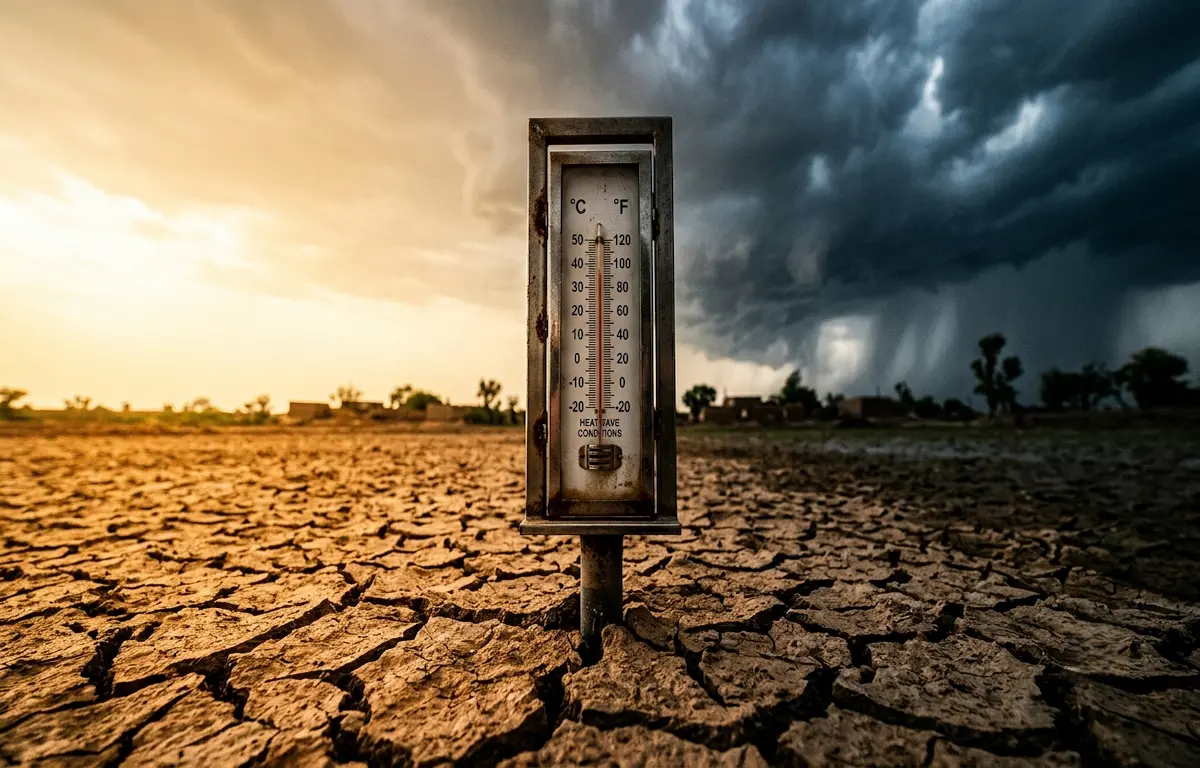
Pakistan Heatwave Continues as PMD Warns of Major Weather Shift Ahead
Hot and humid weather remains intense across Pakistan’s plains on 29 June 2026. Temperatures stay high in most cities while humidity levels climb across Punjab, Sindh, and parts of Khyber Pakhtunkhwa. This combination makes the actual air feel several degrees hotter than what thermometers show.
The Pakistan Meteorological Department has issued an important update. The first major pre-monsoon weather system of the season is expected to arrive during the first week of July. This shift will bring rainfall, thunderstorms, and strong winds to several regions. However, authorities also warn about potential heavy rain, flash floods, urban flooding, and landslides in vulnerable areas.
The period between 29 June and 15 July represents one of the most critical weather phases in Pakistan’s summer season. Understanding what’s coming can help you and your family prepare safely.
Heatwave Conditions Continue Affecting Multiple Pakistani Regions
Pakistan has endured several intense heatwave periods during May and June 2026. Earlier warnings from the Pakistan Meteorological Department indicated that certain areas experienced temperatures four to seven degrees Celsius above normal seasonal averages. Southern Punjab, upper Sindh, and parts of Balochistan remained among the regions most affected by extreme heat.
The National Disaster Management Authority issued multiple advisories throughout June highlighting serious health risks. Dehydration, heat exhaustion, and heatstroke emerged as major concerns for vulnerable populations. Outdoor workers, elderly citizens, children, and people with existing medical conditions face the greatest exposure during prolonged heat events.
PMD Pre Monsoon Forecast: What’s Expected from July 1 Onward
The Pakistan Meteorological Department expects the first major pre-monsoon activity to begin around 1 July and continue through the first week of the month. This incoming weather system will bring scattered to widespread rainfall across several provinces, accompanied by thunderstorms, dust storms, strong winds, and localized heavy downpours. Temporary temperature reductions are also expected.
Northern Pakistan is forecast to experience the initial effects. Upper Punjab, Islamabad, Khyber Pakhtunkhwa, Gilgit Baltistan, and Azad Jammu and Kashmir may receive heavier rainfall compared with southern regions. The exact distribution and intensity of rainfall may still change as the system develops.
According to the Pakistan Meteorological Department official forecasts, isolated dust storms, gusty winds, and thunderstorms may occur in parts of upper Punjab and northern Pakistan during evening and night hours before the larger system arrives.

Weather Timeline: 29 June to 15 July 2026
| Period | Expected Conditions |
|---|---|
| 29 to 30 June | Hot and humid weather across most plains with isolated thunderstorms in northern regions |
| 1 to 6 July | Arrival of pre-monsoon system with rain, thunderstorms, and gusty winds |
| 7 to 10 July | Potential continuation of monsoon activity with localized heavy rainfall |
| 11 to 15 July | Weather conditions may vary depending on monsoon strength and regional moisture flows |
Urban Flood Risk in Pakistan’s Major Cities
The first significant monsoon spell following an extended dry period typically creates serious drainage challenges in Pakistan’s largest cities. Water accumulation occurs because dust, debris, and waste materials accumulate and block drainage channels during summer months.
Cities with documented histories of urban flooding include Karachi, Lahore, Rawalpindi, Islamabad, and Gujranwala. Traffic disruptions and temporary electricity interruptions frequently follow heavy rainfall events in densely populated areas. Central and northern Punjab districts may experience thunderstorms and moderate rainfall during early July, while Karachi may see increased humidity before rainfall activity arrives.
Flood and Landslide Risks in Mountainous Regions
Upper Khyber Pakhtunkhwa faces significant risk of heavy rainfall during active monsoon periods. Flash flooding in mountain streams becomes a serious concern during intense downpours.
Gilgit Baltistan and Azad Jammu and Kashmir face some of the highest risks from landslides and flash floods during early monsoon phases. Glacier melt combined with heavy rainfall can increase river flows and escalate local flood risks substantially. Northern Balochistan may receive scattered rainfall while southern regions could remain comparatively dry during the early monsoon phase.
Impact of Pre Monsoon Rains on Pakistan’s Agriculture
The upcoming rainfall period creates both significant opportunities and real risks for farming communities across Pakistan. Positive impacts include improved soil moisture, better conditions for late planting, reduced irrigation demand, and relief for heat-stressed crops struggling through the hot season.
Potential risks include waterlogging of fields, crop damage from strong winds, delayed harvesting schedules, and localized flooding of agricultural land. Agricultural outcomes depend largely on rainfall intensity and duration. Farmers should monitor weather updates closely and prepare contingency plans based on their local conditions and crop types.
Public Health Concerns During Heatwave to Monsoon Transition
Health risks during this transition period require different responses at different times. During the final days of June, heat-related illnesses remain the primary concern. These include dehydration, heat exhaustion, and heatstroke affecting vulnerable populations most severely.
After rainfall begins in early July, different public health challenges emerge. Water contamination risks increase, mosquito breeding accelerates, gastrointestinal illnesses become more common, and vector-borne diseases spread more readily. Hospitals and emergency services typically experience changing patterns of patient demand during transitions from heatwave conditions to monsoon activity.
This healthcare workforce shift requires advance planning. Organizations like the National Health Services Pakistan typically prepare for seasonal demand changes well in advance to ensure adequate staffing and resources.
How Pakistan’s Climate Patterns Are Changing
Pakistan experiences pre-monsoon weather activity almost every year between late June and early July. However, climate experts have noted that climate variability is increasing uncertainty surrounding seasonal rainfall timing and intensity. Official climate assessments discuss possible influences of larger global patterns such as El Niño on regional weather systems.
These climate signals influence rainfall distribution and temperature patterns across South Asia. As a result, rainfall may become increasingly uneven, with longer dry periods followed by short but intense downpours. This pattern creates new challenges for water resource management and agricultural planning across Pakistan.
What Comes After: Monsoon Season Outlook
The first week of July will likely determine how the wider monsoon season develops across Pakistan. If moisture inflows strengthen as currently forecast, rainfall activity may become more widespread across northern and central regions. If incoming weather systems weaken unexpectedly, rainfall may remain intermittent and localized.
Weather agencies are expected to issue updated forecasts and advisories as conditions evolve throughout the coming weeks. Staying informed through official sources helps families and businesses make better decisions during this dynamic weather transition period.
Frequently Asked Questions
When will Pakistan’s heatwave end and pre-monsoon rains start?
Current forecasts from the Pakistan Meteorological Department indicate that significant pre-monsoon rainfall activity may begin during the first week of July 2026. Some areas may receive rain from around 1 July onward, potentially bringing temporary relief from extreme heat in affected regions.
Which areas in Pakistan face the highest flood and landslide risk?
Upper Khyber Pakhtunkhwa, Gilgit Baltistan, Azad Jammu and Kashmir, and major urban centers including Karachi, Lahore, Rawalpindi, and Islamabad face the highest risks. Urban drainage challenges and steep mountain slopes significantly increase vulnerability during heavy rainfall events.
Why does high humidity make Pakistan’s heat feel worse?
High humidity reduces the body’s natural cooling ability through sweating. When moisture levels are high in the atmosphere, sweat cannot evaporate efficiently from skin, causing actual conditions to feel several degrees hotter than measured air temperature.
What are the main health risks during Pakistan’s heatwave to monsoon transition?
Late June brings serious dehydration, heat exhaustion, and heatstroke risks for vulnerable populations. After rainfall begins in July, different concerns emerge including water contamination, mosquito breeding, gastrointestinal illnesses, and vector-borne diseases requiring adjusted public health responses.
How might pre-monsoon rains affect Pakistan’s agriculture?
Pre-monsoon rainfall can significantly improve soil moisture and create better conditions for late planting while reducing irrigation demand. However, real risks include waterlogging, crop damage from strong winds, delayed harvesting, and flooding of agricultural land in vulnerable areas.
What is the Pakistan Meteorological Department’s detailed forecast for June 29 to July 15?
The period shows hot and humid conditions through June 30, followed by pre-monsoon system arrival from July 1 to 6 bringing rain, thunderstorms, and gusty winds. Potential monsoon continuation is forecast July 7 to 10, with variable conditions afterward depending on monsoon strength and regional moisture patterns.