Why Have Solar Panel Prices Dropped in Pakistan Again?
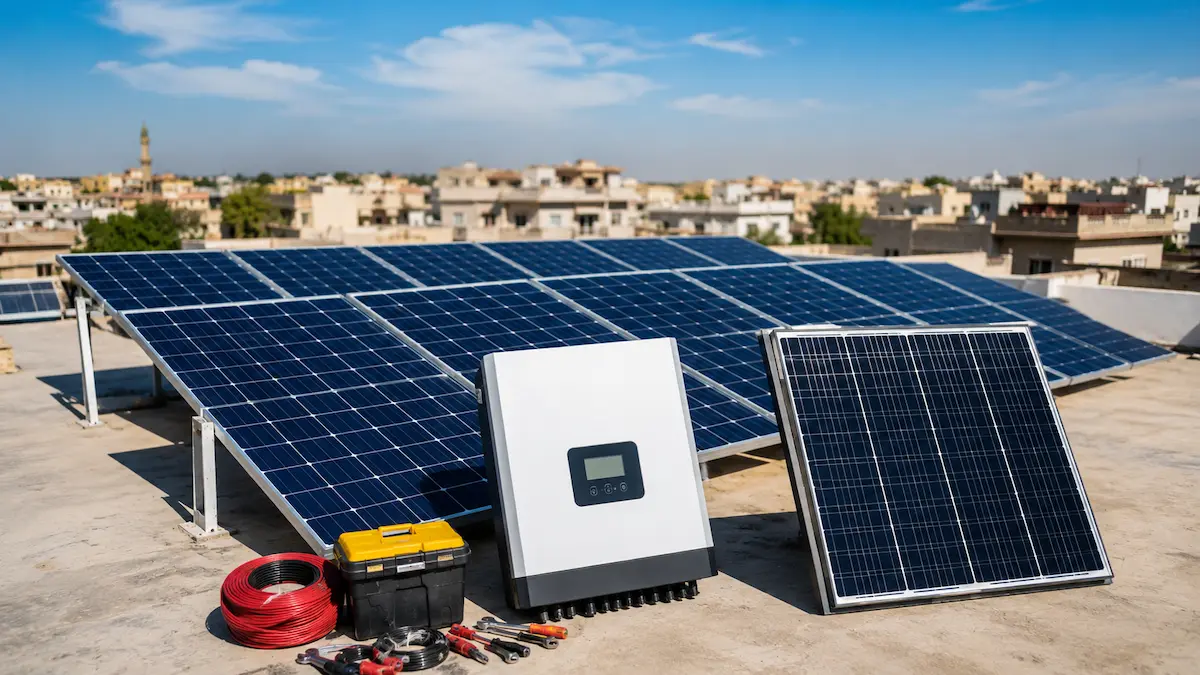
Solar panel prices in Pakistan have fallen once more, and buyers are already feeling the difference. Market traders report that complete solar systems now cost Rs. 4,000 to Rs. 9,000 less than before.
The main reason is simple. Lower petroleum prices have reduced transport and import costs across the solar supply chain, and dealers have passed some of that saving on to customers.
How Lower Fuel Prices Cut Solar System Costs
Most people connect petrol prices only with cars and bikes. But fuel costs touch almost every stage of the solar supply chain in Pakistan.
Imported panels travel through several steps before they reach your rooftop, including shipping, port clearance, and long distance trucking to dealers across the country. When diesel becomes cheaper, each of these steps costs less.
Even a small drop in freight charges can add up to real savings on a full residential solar system. Buyers who were tracking tax relief for solar users now have another reason to feel optimistic about installation costs.
Pakistan’s Solar Market Keeps Growing
Interest in rooftop solar has grown steadily across Pakistan over the past few years. Rising electricity tariffs, better equipment availability, and growing public awareness have all played a part.
According to Pakistan’s Alternative Energy Development Board and the National Electric Power Regulatory Authority, distributed solar generation and net metering connections have expanded significantly in recent years.
Who Benefits from Cheaper Solar Panels in Pakistan?
Urban households often delay solar installation because of the upfront cost. With systems now cheaper by thousands of rupees, some families may finally move ahead with their plans.
Small businesses such as shops, clinics, and schools tend to recover their investment faster, since they usually pay higher commercial tariffs and use most of their power during daylight hours.
Farmers running tube wells and irrigation pumps also stand to gain, since panel cost is one of the largest expenses in a solar irrigation project. Households curious about affordable storage options can also look into sodium ion battery storage costs now entering the local market.
What Has Changed Compared With Last Year
Dealers say average panel prices have been falling for months due to global supply growth and manufacturer competition. The latest drop adds lower domestic transport costs on top of that trend.
| Last Year | Current Situation |
|---|---|
| Higher transport costs | Lower transport expenses after fuel price cuts |
| Higher average panel prices | More affordable complete solar systems |
| Higher installation cost | Lower upfront investment for buyers |
| Slower buying decisions | Renewed consumer interest in solar |
Will Battery and Inverter Prices Fall Next?
Solar panels have become cheaper, but batteries and hybrid inverters have not dropped at the same pace. These parts still make up a large share of the total cost of a hybrid or backup system.
Battery prices depend on exchange rates, raw material costs, and global shipping charges. Industry sources say prices could ease further if these conditions remain stable, though no official announcement confirms this yet.
Net Metering and Government Policy in Pakistan
Consumers who want to export extra electricity to the grid must meet requirements set by the National Electric Power Regulatory Authority, including approved equipment, a licensed installer, and a bi directional meter.
Provincial schemes have also supported solar adoption in recent years. Readers in Punjab can review details of the CM Punjab Free Solar Panel Scheme to see if they qualify for additional support.
What Buyers Should Check Before Purchasing
A lower price does not always mean better value. Buyers should compare quotations from multiple suppliers and confirm panel, inverter, and installation warranties before paying anything.
It also helps to verify that the installer is experienced, that equipment meets required standards, and that the system size matches actual electricity usage rather than guesswork.
What Happens Next
Future solar prices in Pakistan will depend on exchange rates, shipping costs, petroleum prices, and international supply conditions. Consumers should track current market prices rather than assume further cuts are guaranteed.
Frequently Asked Questions
Why have solar panel prices fallen in Pakistan?
The drop is mainly linked to lower petroleum prices, which have cut transport and import costs across the solar supply chain. Strong competition among international panel manufacturers has also supported lower prices.
How much cheaper have solar systems become in Pakistan?
Market traders say complete solar systems are now available for around Rs. 4,000 to Rs. 9,000 less than before. Actual savings depend on system size, brand, and installation requirements.
Will battery and inverter prices in Pakistan also fall?
Industry participants believe battery and inverter prices could become more competitive if transport costs and global supply conditions stay favourable. There is no official confirmation yet.
Who benefits most from cheaper solar panels in Pakistan?
Homeowners, small businesses, schools, and farmers using tube wells and irrigation pumps are among the biggest beneficiaries, since lower panel prices reduce the upfront cost of installation.
Does every solar system qualify for net metering in Pakistan?
No. Consumers must meet requirements set by NEPRA and their local electricity distribution company, including approved equipment, a licensed installer, and a bi directional meter.
Should buyers choose a solar system based on price alone?
No. Buyers should also compare installer experience, product warranties, after sales support, and system design before making a purchase decision.