Rs. 100 Mobile Recharge Pakistan: Where Does the Money Actually Go
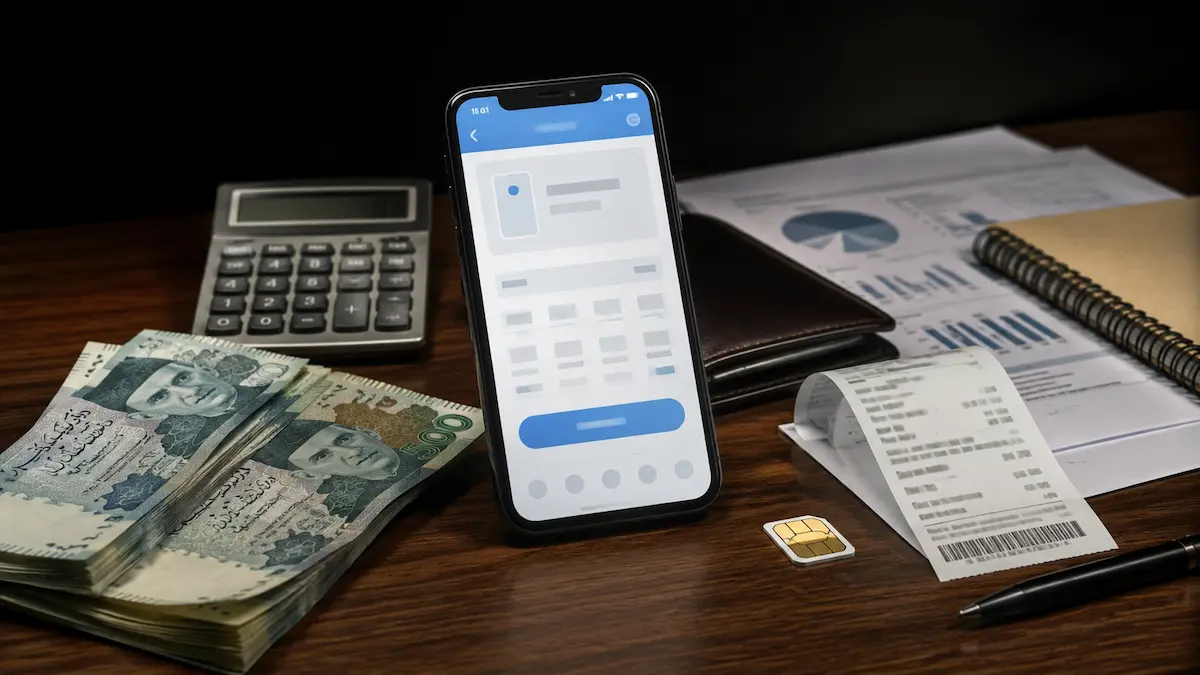
Under the current mobile recharge tax structure in Pakistan, a Rs. 100 top up leaves users with only about Rs. 72.77 in usable balance. The remaining Rs. 27.23 is cut through Advance Income Tax and Sales Tax.
This deduction happens instantly, before the user makes a call, sends a message, or opens a data session.
Full Tax Breakdown on a Rs. 100 Prepaid Recharge
The two main deductions applied on every prepaid recharge in Pakistan are Advance Income Tax and General Sales Tax. Here is how a standard Rs. 100 recharge is split.
| Deduction | Amount |
|---|---|
| Advance Income Tax | Rs. 13.04 |
| Sales Tax | Rs. 14.19 |
| Total Taxes | Rs. 27.23 |
| Actual Mobile Balance | Rs. 72.77 |
How This Affects Everyday Pakistanis
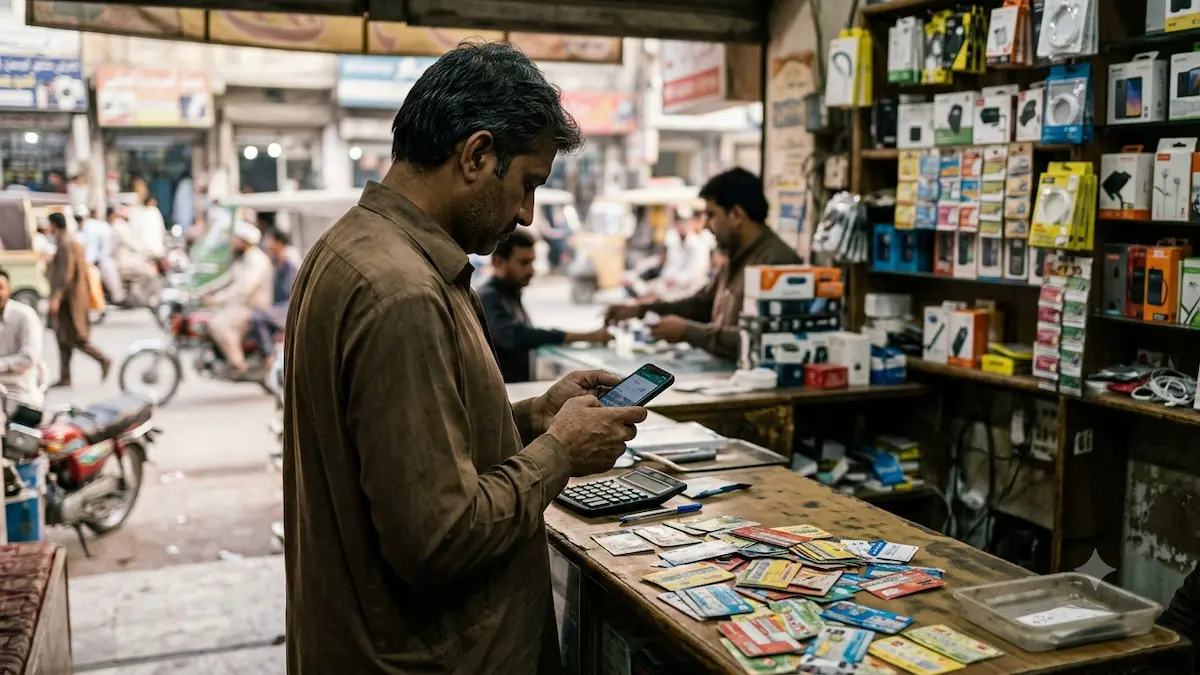
Pakistan has one of the largest prepaid mobile markets in the world. Most users are students, daily wage earners, freelancers, and lower income households. They usually recharge in small amounts such as Rs. 50, Rs. 100, or Rs. 200.
For these users, every rupee lost to tax has a real impact on how long their balance lasts.
Monthly and Yearly Impact of Recharge Tax
Someone who recharges Rs. 1,000 every month pays close to Rs. 272.30 in tax each month. Over a year, that adds up to roughly Rs. 3,267.60 in deductions, out of Rs. 12,000 spent in total.
| Recharge Amount | Usable Balance | Taxes Deducted |
|---|---|---|
| Rs. 100 | Rs. 72.77 | Rs. 27.23 |
| Rs. 500 | Rs. 363.85 | Rs. 136.15 |
| Rs. 1,000 | Rs. 727.70 | Rs. 272.30 |
Why Prepaid Users Feel This Tax the Most
Unlike postpaid customers, prepaid users pay tax immediately at the time of recharge. Since Pakistan’s mobile market is overwhelmingly prepaid, this tax burden is felt by millions of people every single day.
Small recharges make the gap more noticeable. When someone pays Rs. 100 and sees far less in their balance, the difference is hard to miss.
Why This Matters for Pakistan’s Digital Economy
Pakistan is moving quickly toward digital payments, online learning, e-commerce, and e-government services. Mobile phones are now required for digital wallets, banking verification, NADRA services, online classes, freelancing, and small business marketing.
Higher effective communication costs can discourage regular internet use, especially among low income users who depend on prepaid connections. This directly affects digital safety and awareness across Pakistan, since staying connected also means staying informed about online risks.
Mobile connectivity costs are also linked to how Pakistanis access affordable devices. Recent changes such as the imported phone duty cut in July 2026 and the PTA tax installment option for imported phones show that affordability of mobile access remains a live policy issue in Pakistan.
How Pakistan’s Mobile Tax Compares Globally
Many countries tax telecom services in some form. What makes Pakistan different is how visible the deduction is. Prepaid users see the cut instantly when they recharge, while in many other markets, taxes are folded into monthly bills or package prices, making them less noticeable.
According to official government sources, taxation on telecom services in Pakistan falls under the country’s broader Advance Income Tax and Sales Tax framework, which applies across multiple sectors, not just mobile services. For more detail on how these tax categories work, readers can refer to the Federal Board of Revenue.
What Could Make the System More Transparent
While tax policy remains a government decision, a few measures could make the process clearer for everyday users.
Operators could display a full tax breakdown before a recharge is confirmed. Showing the expected usable balance upfront, rather than after deduction, would reduce confusion. A simpler tax structure could also help more people understand exactly where their money goes.
The Bigger Picture for Digital Inclusion
The debate around mobile recharge tax in Pakistan is no longer only about losing Rs. 27.23 on a Rs. 100 top up. It connects to a larger question about affordable digital access in a country where smartphones are now the main gateway to education, banking, healthcare, and government services.
As Pakistan expands its digital economy, keeping basic mobile connectivity affordable will remain an important part of that progress, especially for low income and prepaid dependent users.
Conclusion
Under the current tax structure, a Rs. 100 prepaid mobile recharge in Pakistan results in about Rs. 72.77 of usable balance, after Rs. 27.23 is deducted as Advance Income Tax and Sales Tax. For millions of Pakistanis who depend on prepaid mobile services daily, this is a recurring cost that adds up significantly over a year. As digital services expand across the country, affordable and transparent mobile connectivity remains a key point of discussion for policymakers and consumers alike.
Frequently Asked Questions
Why does a Rs. 100 mobile recharge give less balance in Pakistan?
A Rs. 100 prepaid mobile recharge in Pakistan gives only about Rs. 72.77 in usable balance. The rest, around Rs. 27.23, is deducted as Advance Income Tax and Sales Tax before the balance is loaded.
How much tax is deducted on mobile recharge in Pakistan?
On a Rs. 100 recharge, about Rs. 13.04 goes toward Advance Income Tax and Rs. 14.19 goes toward Sales Tax. Together this totals around Rs. 27.23 in taxes.
Do postpaid users pay the same mobile taxes as prepaid users?
Postpaid users also pay similar taxes, but the deduction appears on their monthly bill. Prepaid users notice it immediately because the balance is reduced right after recharge.
How much tax does a person pay yearly on Rs. 1,000 monthly recharge?
A person spending Rs. 1,000 every month on prepaid recharge pays roughly Rs. 3,267.60 in taxes over a year, out of Rs. 12,000 spent in total.
Can mobile recharge taxes in Pakistan change in the future?
Yes. Tax rates on mobile recharge depend on federal and provincial tax policy. Rates can change through the annual budget or new government notifications.
Why does Pakistan tax mobile recharge so heavily?
Advance Income Tax and Sales Tax on mobile recharge are part of Pakistan’s broader tax collection framework. Telecom services are an easy and consistent revenue source because almost every citizen uses a mobile connection.