Karachi AI Data Centre: What the Sindh and CMPak Deal Covers
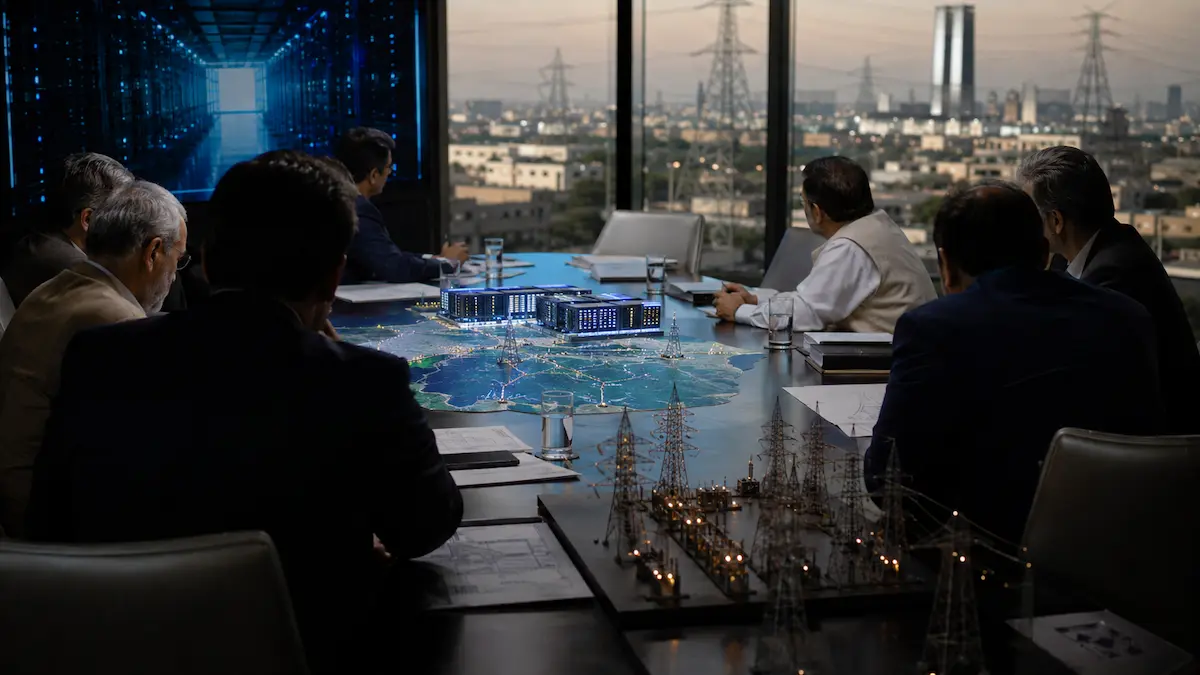
Sindh Chief Minister Syed Murad Ali Shah and CMPak Chairman and CEO Huo Junli have agreed to work together on a new AI ready Tier III data centre in Karachi.
CMPak, the company behind Zong 4G, proposed the facility for Korangi Industrial Area. It would run through a public private partnership, with the Sindh government asked to support and facilitate the plan.
According to the reported proposal, CMPak has already invested Rs4.07 billion. It plans to add Rs14 billion more over the next ten years. The facility is expected to hold around 1,600 server racks.
| Key point | Reported detail |
|---|---|
| Location | Korangi Industrial Area, Karachi |
| Standard | AI ready Tier III |
| Planned scale | Around 1,600 server racks |
| Power requirement | About 20 megawatts |
| Investment so far | Rs4.07 billion |
| Planned investment | Rs14 billion over 10 years |
Why 20MW of Power Is the Real Test
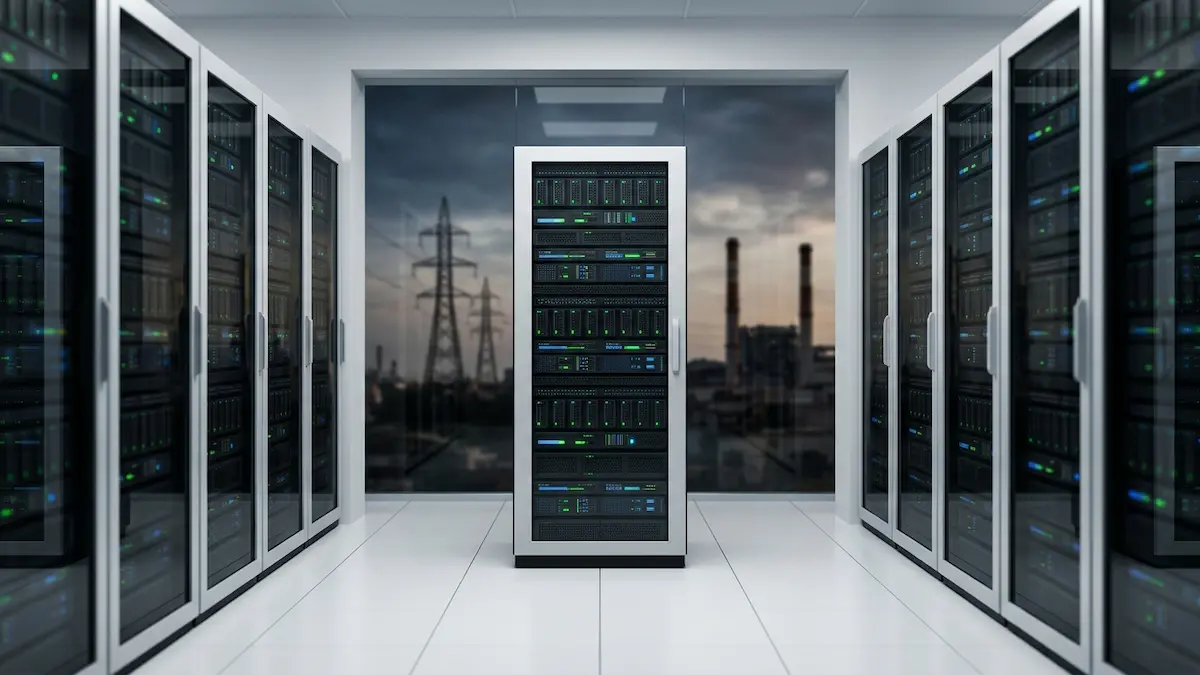
CMPak asked Sindh for an industrial electricity tariff, stronger grid capacity, dual power feeds and priority status. This is where the project could succeed or stall.
A Tier III facility needs power that never really stops. Dual feeds reduce the risk of one failed line taking the whole site offline. Backup generators help, but they are not a substitute for a steady grid connection over the long run.
Pakistan’s growing focus on AI adds more pressure. The National AI Policy 2025 lists compute infrastructure as a national priority, which means more facilities like this one may be needed in the coming years.
What an AI Ready Data Centre Could Support
If built as planned, the facility could support AI model training, GPU heavy computing, cloud applications, banking systems, government databases and cybersecurity services.
Local hosting also matters for startups and digital platforms that want faster access to computing power without relying entirely on foreign servers. This links to a wider trend of Pakistani students pursuing AI careers abroad while local infrastructure slowly catches up at home.
Why Karachi Makes Sense for the Project
Karachi is Pakistan’s largest commercial hub. Banks, logistics firms, manufacturers and e commerce platforms are already based there, giving local data infrastructure a ready market.
The city also fits into Pakistan’s wider digital push. Growing demand for tech talent has already shaped programs like the Google career certificates rolled out across Pakistan, which aim to build the workforce this kind of infrastructure will eventually need.
Risks That Could Slow the Project Down
Power reliability tops the list of risks. Electricity cost could also raise the price of cloud and AI services built on the facility.
Approval delays, weak fibre connectivity and uncertain customer demand are other factors that could affect the timeline. As Pakistan tightens rules across its digital economy, including new crypto licensing rules for wallets and exchanges, investors will be watching how regulation shapes emerging tech projects like this one too.
Frequently Asked Questions
What is the Karachi AI data centre project?
It is a proposed AI ready Tier III data centre in Korangi Industrial Area, Karachi. Sindh and CMPak have agreed to pursue it through a public private partnership.
How much electricity could the Karachi data centre need?
CMPak has reported a planned requirement of about 20MW. The final demand could change once the design is confirmed.
Why does a data centre need dual power feeds?
Dual feeds lower the risk of one failed connection shutting down the whole facility, which is why Tier III sites need redundant power routes.
How many server racks are planned?
The proposal outlines around 1,600 server racks, according to CMPak’s reported submission.
Is the Karachi AI data centre already operating?
No. Sindh and CMPak have only agreed to collaborate. Key details like the power arrangement and construction timeline are still being finalized.
Why does this project matter for Pakistan?
It could expand local cloud and AI hosting capacity and support goals set out in the National AI Policy 2025.