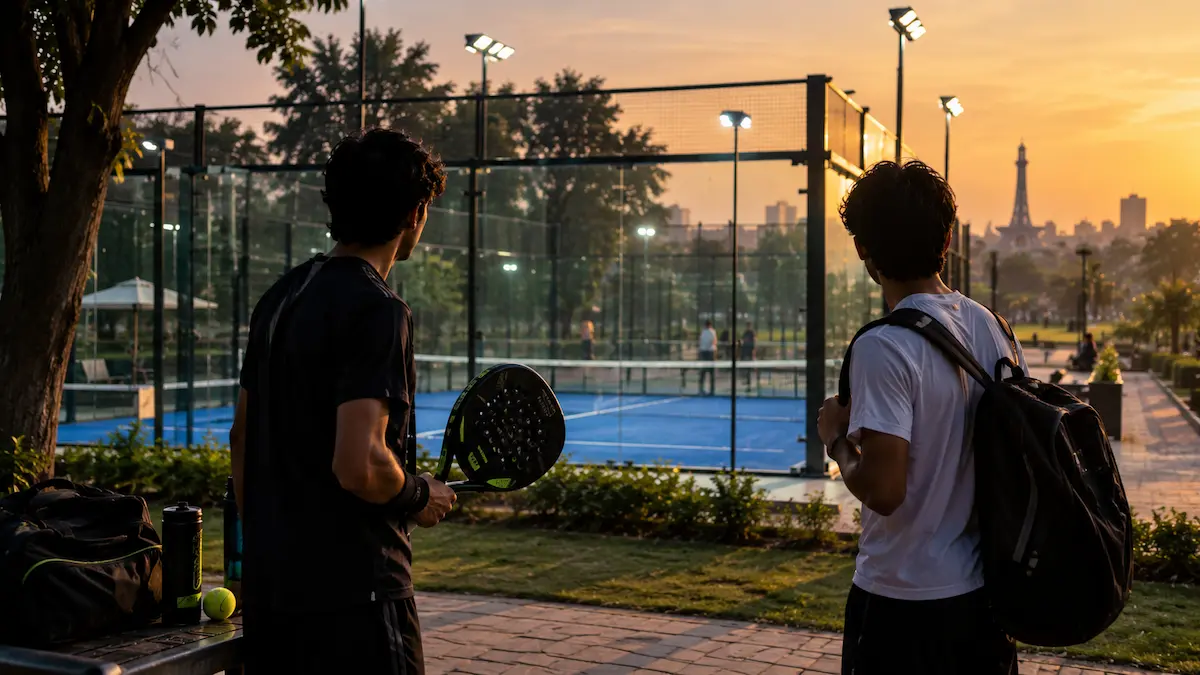
Lahore Padel Courts: What Opened at Nishtar Park Sports Complex
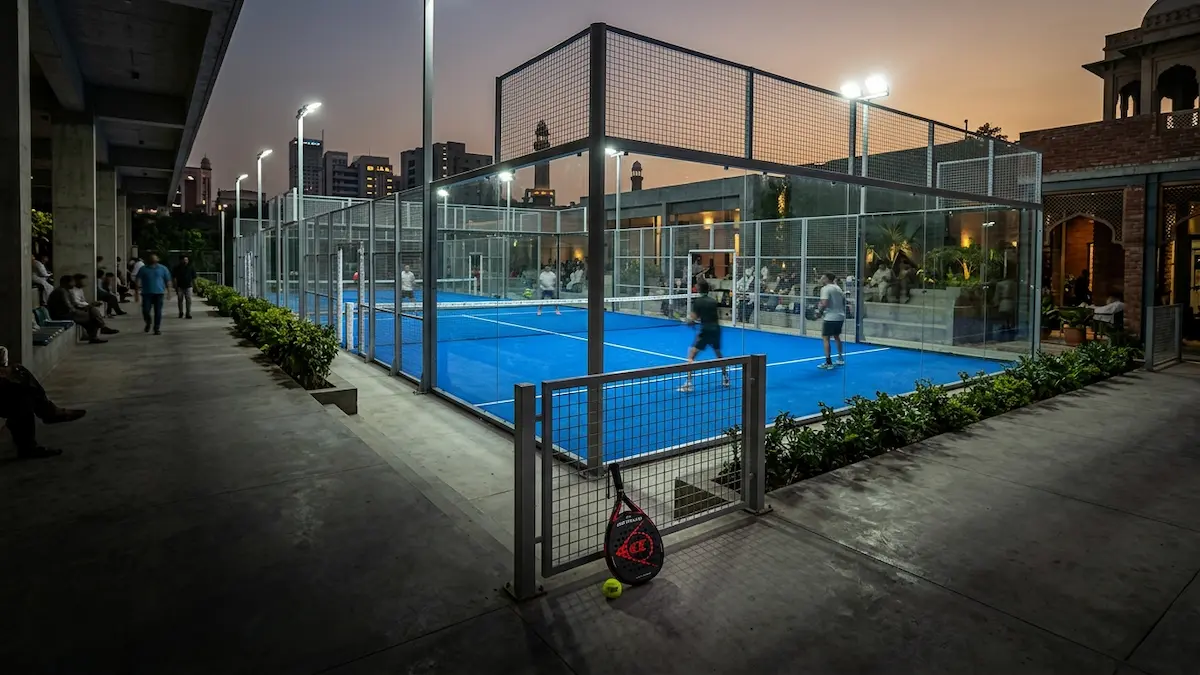
Punjab Sports Minister Malik Faisal Ayub Khokhar inaugurated the five padel courts in early September 2026. One court was built to international standards. The other four are meant for national competitions, training and daily practice.
The venue also has seating, washrooms and other basic facilities for players and visitors. Sporting activity has already started, and the provincial government says a similar facility is planned for Sialkot.
| Detail | Information |
|---|---|
| Location | Nishtar Park Sports Complex, Lahore |
| Total courts | 5 |
| International standard | 1 court |
| Other courts | 4 for competitions, training and practice |
| Reported investment | Rs100m to Rs120m |
| Planned expansion | Sialkot |
Why Padel Is Gaining Attention Around the World
Padel is not new, but its growth has picked up fast. According to the International Padel Federation (FIP), more than 35 million people played padel worldwide in 2025, across over 24,600 clubs and roughly 77,300 courts in 150 countries.
Asia is part of that growth too. FIP recorded about 2.2 million amateur players across 30 Asian countries in 2025, with participation and facilities both growing by around 20 percent. Pakistan was named as one of the Asian countries showing positive growth, even if it still trails more established padel markets in the region.
Why the Lahore Padel Project Matters for Pakistan
Punjab already had organised padel activity before this. The Punjab Padel Association ran the First Punjab Padel Championship in 2025. The Nishtar Park courts build on that base rather than starting from zero.
Three things will decide how far this project goes: player development, local competition and international exposure.
Player Development and Local Competition
A dedicated public venue gives beginners and serious players more regular access to courts. The four national level courts can host domestic tournaments, which helps coaches spot promising juniors and senior players.
International Exposure
The international standard court gives Punjab a venue that could host bigger events. But having one qualifying court does not guarantee a tournament. Organisers still need to meet FIP’s competition, officiating and infrastructure rules.
Lahore, Sialkot and Punjab’s Wider Sports Plan
Sialkot is already known for sports goods manufacturing and exports, which adds an interesting local angle, though there is no confirmed link yet to a padel equipment export plan.
Padel is arriving as Punjab expands sports infrastructure more broadly. Chief Minister Maryam Nawaz announced in February 2026 that the province’s first Sports City will launch in 2027, alongside a wider school sports development plan aimed at building participation from a young age.
That announcement came during the Khelta Punjab Pink Games at Nishtar Park, which involved 3,400 women athletes in 2026. Women’s sport is gaining ground elsewhere in Pakistan too, seen recently in the women’s netball plate title win and the national team’s high profile appearance in the Pakistan vs India Women’s Asia Cup match.
What Could Determine the Project’s Success
Courts alone do not build a sport. Access and pricing need to stay clear and affordable. Coaching and junior programmes are needed so players can improve beyond casual play.
Regular domestic tournaments give players a reason to train. Padel courts also use glass, fencing and lighting that need steady upkeep, so maintenance will decide whether the investment holds its value over time.
What Happens Next
The focus now shifts to daily use of the Lahore courts. Signs of long term success will include regular bookings, more domestic tournaments, youth programmes, local coach development and clear public information on fees and booking.
FIP says its organised tournaments grew from 182 in 2024 to 290 in 2025, involving more than 11,000 athletes. That gives Pakistan a bigger international competition system to aim for, if local players and organisers can meet the required standards.
Frequently Asked Questions
How many padel courts opened in Lahore?
Five courts opened at Nishtar Park Sports Complex. One meets international standards, and four are for national competitions, training and practice.
How much did the Lahore padel project cost?
Reports from the inauguration put the cost at approximately Rs100 million to Rs120 million.
Can Lahore host international padel tournaments?
The Punjab government says the facility can support international events, but actual hosting depends on meeting FIP’s competition and infrastructure requirements.
Was padel already played in Pakistan before this project?
Yes. The Punjab Padel Association held the First Punjab Padel Championship in 2025, showing an established competitive base before these courts opened.
Are more padel courts planned in Punjab?
Yes. The provincial government has announced similar facilities for Sialkot, and planning documents list further proposed padel schemes for 2025 to 2028.
Why is padel becoming important around the world?
FIP reported more than 35 million players worldwide in 2025, with strong growth in clubs, courts and national federations, including fast expansion across Asia.