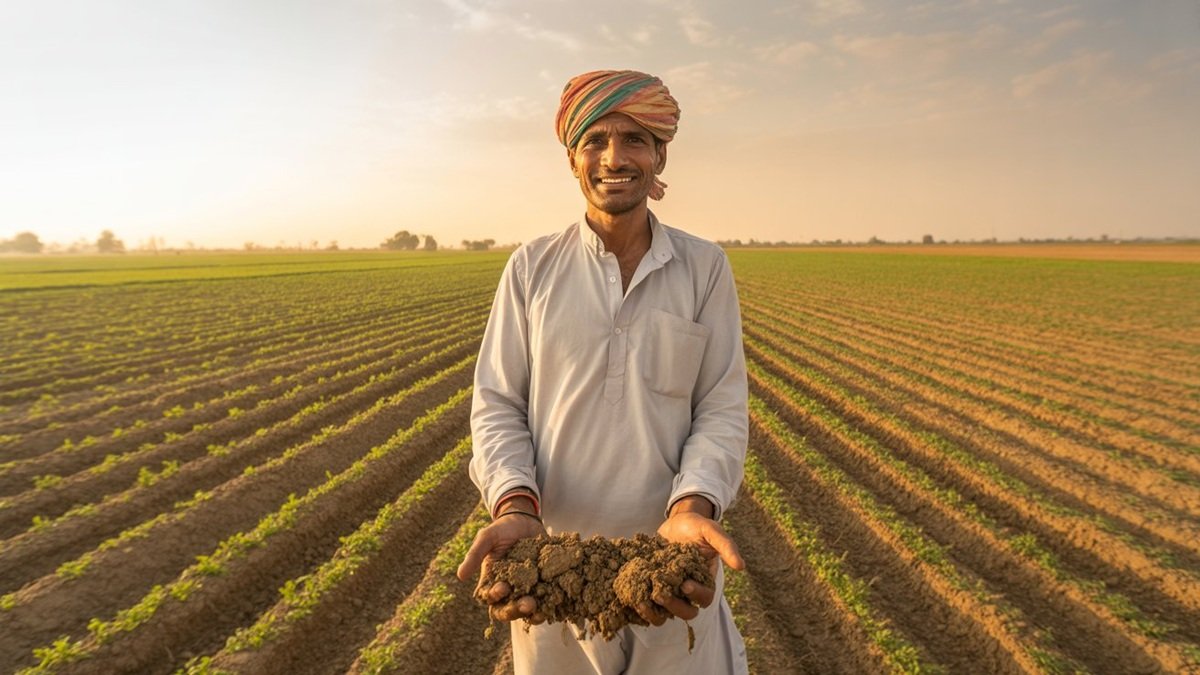
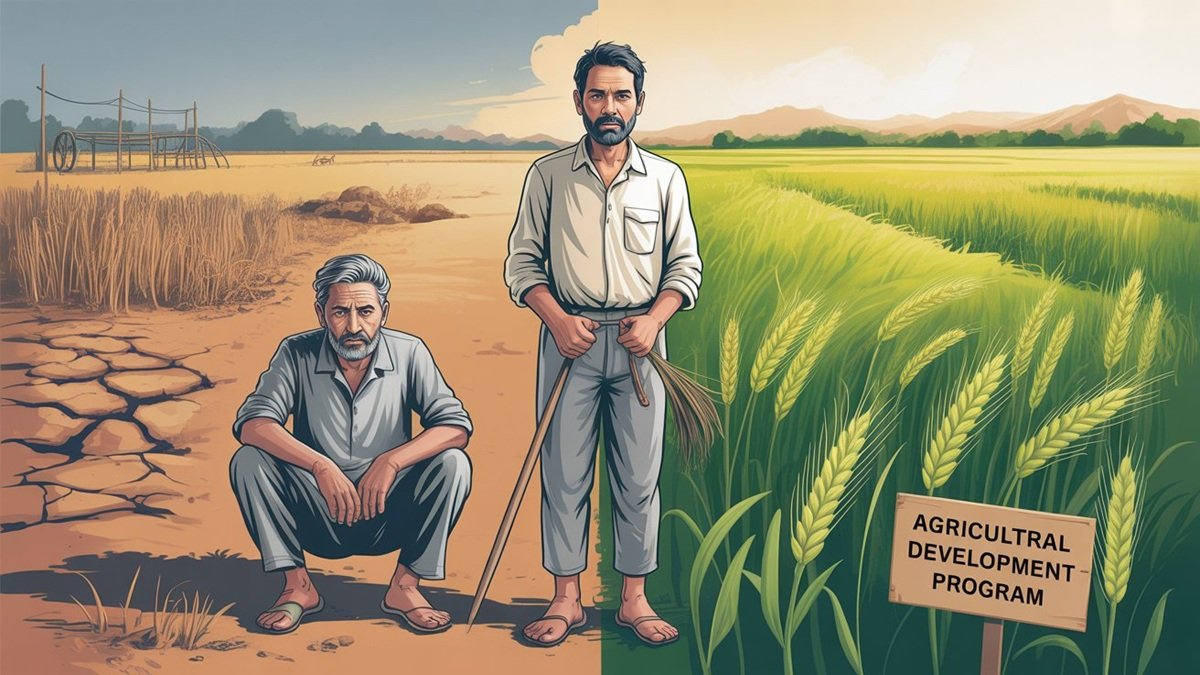
Landless farmers in Punjab often struggle to earn a stable income. Many depend on daily wages or temporary farm work. As a result, poverty and unemployment remain common in rural areas.
To address this, the Punjab government launched the Apna Khet Apna Rozgar scheme.
Under this plan, state-owned agricultural land will be allotted to 50,000 eligible individuals so they can farm and earn directly. Introduced under Chief Minister Maryam Nawaz, the scheme moves unused government land toward public benefit.
Simply put, this is not cash aid. Instead, it is about giving people a productive asset to secure their future.
Scheme Overview
The Apna Khet Apna Rozgar scheme is a welfare initiative by the Punjab government. It provides government agricultural land on lease to landless citizens for farming.
The provincial cabinet approved the scheme on January 23, 2026, during a meeting chaired by Chief Minister Maryam Nawaz. (According to Punjab Government briefings)
Key Facts
| Feature | Details |
|---|---|
| Beneficiaries | 50,000 landless individuals |
| Land type | State-owned agricultural land |
| Ownership | Lease / use rights only |
| Coverage | Multiple districts of Punjab |
| Departments | Revenue & Agriculture |
| Status | Phased rollout |
Unlike loan schemes, this program focuses on self-employment through farming. Similar government initiatives include the laptop scheme for students and Punjab electric bike scheme.
Background: Why Land Access Matters in Punjab
Punjab is Pakistan’s largest agricultural province. Yet, land ownership remains uneven.
According to agriculture sector data shared by the Punjab Agriculture Department, many rural households either own no land or farm informally.
As a result:
- Income stays unstable
- Families remain dependent on landlords
- Youth migrate to cities for work
Therefore, experts argue that land access is key to long-term rural stability.
This scheme directly targets that gap.
Eligibility & Requirements
The apna khet apna rozgar scheme includes strict eligibility checks to ensure fairness.
Who Can Apply?
- Permanent resident of Punjab
- Valid CNIC verified through NADRA
- No ownership of agricultural land
- Low-income status verified via NSER
Priority Groups
- Landless farmers
- Rural youth
- Women-headed households
Land ownership verification is conducted through the Punjab Land Records Authority (PLRA).
Application Process (Step-by-Step)
The apna rozgar scheme online apply process will be fully digital.
Step 1: Visit Official Portal
Applicants must use Punjab government portals such as:
Step 2: Register
Use CNIC and mobile number for OTP verification.
Step 3: Fill Application
Submit personal details, landless certificate, and a basic crop plan.
Step 4: Verification
Records are checked via:
- NADRA
- PLRA
- NSER
- Field verification (if required)
Step 5: Balloting
Eligible applicants enter a computerized draw.
Step 6: Allotment
Selected applicants sign a lease at the tehsil office.
For those interested in similar digital government services, check out the eBiz Punjab portal guide and Parwaz Card registration.
Verification, Transparency & Safeguards
The scheme employs multiple verification layers:
- NADRA verification: Confirms citizenship and identity
- PLRA verification: Verifies land ownership status through Punjab’s digital land records system
- NSER verification: Confirms low-income status through the National Socio-Economic Registry
- Computerized balloting: Ensures transparent selection process
- Field verification: Physical inspection when necessary
These safeguards aim to prevent misuse and ensure deserving candidates benefit from the scheme.
Benefits & Limitations
Key Benefits
- Access to 5–10 acres of farmland
- Self-employment instead of aid
- Potential support via agriculture programs
- Reduced rural unemployment
Limitations
- Land is not privately owned
- Misuse can lead to cancellation
- Weather risks remain
- Limited number of beneficiaries
Thus, the scheme offers opportunity with responsibility.
Social & Economic Impact
If implemented properly, the scheme could:
- Support over 200,000 family members
- Increase food production
- Reduce migration to cities
- Strengthen rural economies
According to planning discussions cited by the Punjab Planning & Development Department, productive land use is a key poverty-reduction tool.
The scheme complements other Punjab government initiatives like the e-bike scheme for teachers and Apni Chhat Apna Ghar housing scheme.
Expert Insights & Policy Analysis
An agriculture policy analyst explained:
“Asset-based welfare works better than cash aid. Land access gives families long-term earning power.”
Economists also note that monitoring and farmer training will be critical for success.
Comparison With Past Rozgar Schemes
| Scheme | Focus | Outcome |
|---|---|---|
| Apna Rozgar Loan | Loans | Debt burden |
| PM Youth Program | Financing | Urban-focused |
| Kissan Cards | Inputs | Existing farmers |
| Apna Khet Apna Rozgar | Land | Asset-based |
Clearly, this scheme takes a different approach.
Common Mistakes & Warnings
- Applications are free
- Avoid fake agents or websites
- Use only official Punjab portals
- Non-cultivation can cancel allotment
Always verify updates via punjab.gov.pk.
What Happens Next?
- Official portal launch
- District-wise land mapping
- First phase of balloting
- Monitoring and evaluation
Applicants should regularly check official government websites.
Frequently Asked Questions
Who is eligible for apna khet apna rozgar?
Landless Punjab residents meeting income and verification rules.
Is the land permanent ownership?
No. It is leased for cultivation only.
Is there a deadline to apply?
No fixed deadline yet.
Where to check official updates?
Punjab Government Portal: https://www.punjab.gov.pk
Can women apply for this scheme?
Yes, women-headed households are given priority in the selection process.
What documents are required for application?
Valid CNIC, landless certificate, and a basic crop plan are required for the application process.
How much land will each beneficiary receive?
Selected beneficiaries will receive access to 5-10 acres of farmland.
Can the land allotment be cancelled?
Yes, non-cultivation or misuse of the allotted land can lead to cancellation.
Conclusion
The Apna Khet Apna Rozgar scheme represents a major shift in Punjab’s welfare policy. Instead of short-term relief, it offers long-term opportunity through land access.
If implemented transparently, it can reduce poverty, strengthen food security, and restore dignity to rural work. For thousands of families, this scheme could be a real turning point.