
Apni Chhat Apna Ghar Scheme: How Punjab Is Turning Housing Dreams Into Reality
What Makes This Scheme Different?
Imagine getting a home loan of up to PKR 1.5 million with zero interest. It sounds unreal at first, but for thousands of families across Punjab, this is already a reality under the Apni Chhat Apna Ghar Programe.
Unlike conventional housing schemes—where government-built colonies take years and applicants are left waiting—this initiative works differently. The Apni Chhat Apna Ghar scheme details reveal a model that puts financial support directly into the hands of eligible citizens. You build on your own land, choose your own design, and start construction according to your own timeline. Simply put, it’s your land, your home, and your decision.
Launched as part of the broader Mera Ghar Mera Ashiana vision, the program has quickly become one of Punjab’s most discussed welfare initiatives. With a transparent Apni Chhat Apna Ghar Programe registration process and interest-free financing, it addresses a long-ignored issue: affordable and dignified housing for ordinary Pakistanis who have always been priced out of the property market.
یہ اسکیم دوسروں سے کس طرح مختلف ہے؟
تصور کریں کہ آپ کو 1.5 ملین روپے تک کا گھر لینے کا قرض بغیر کسی سود کے مل جائے۔ یہ شروع میں ناقابل یقین لگتا ہے، لیکن پنجاب بھر میں ہزاروں خاندانوں کے لیے یہ حقیقت بن چکا ہے، اپنی چھت اپنا گھر پروگرام کے تحت۔
روایتی ہاؤسنگ اسکیموں کے برعکس — جہاں حکومت کی طرف سے بنائی گئی کالونیاں مکمل ہونے میں سالوں لگ جاتے ہیں اور درخواست دہندگان انتظار کرتے رہ جاتے ہیں — یہ اقدام بالکل مختلف طریقے سے کام کرتا ہے۔ اپنی چھت اپنا گھر اسکیم کی تفصیلات ایک ایسا ماڈل ظاہر کرتی ہیں جو مالی معاونت براہِ راست اہل شہریوں کے ہاتھوں میں فراہم کرتی ہے۔ آپ اپنی زمین پر گھر بناتے ہیں، اپنی پسند کے ڈیزائن کا انتخاب کرتے ہیں، اور اپنے شیڈول کے مطابق تعمیر شروع کرتے ہیں۔ سادہ الفاظ میں، یہ آپ کی زمین، آپ کا گھر، اور آپ کا فیصلہ ہے۔
میرا گھر میرا آشیانہ کے وسیع تر وژن کے تحت شروع کیا گیا یہ پروگرام تیزی سے پنجاب کی سب سے زیادہ زیرِ بحث فلاحی پہلوں میں سے ایک بن گیا ہے۔ شفاف اپنی چھت اپنا گھر پروگرام رجسٹریشن کے عمل اور بغیر سود کی مالی معاونت کے ساتھ، یہ ایک طویل عرصے سے نظر انداز کیے گئے مسئلے کو حل کرتا ہے: عام پاکستانیوں کے لیے قابلِ برداشت اور باوقار رہائش، جو ہمیشہ پراپرٹی مارکیٹ سے باہر رہتے آئے ہیں۔

The Housing Crisis Nobody Talked About
Let’s be honest—Pakistan’s housing shortage has been the elephant in the room for years. While politicians made promises, millions of families continued living in rented quarters, paying landlords month after month with nothing to show for it.
The numbers paint a grim picture. Rapid urbanization pushed people toward cities, but affordable housing options simply didn’t exist. Traditional banks offered mortgages, sure, but with interest rates that made your head spin. Low-income families? They were completely locked out of the system.
Chief Minister Maryam Nawaz Sharif recognized this gap. Rather than building another government housing colony that would take years to complete, she launched something different—a financing model that works with how people actually live.
Apni Chhat Apna Ghar Scheme Details: Breaking Down the Benefits
Here’s where things get interesting. The Apni Chhat Apna Ghar program isn’t just handing out money—it’s a carefully structured initiative designed for long-term success.
Core Features That Matter
- Interest-Free Loans: Up to PKR 1.5 million with absolutely no interest charges. This alone saves families hundreds of thousands over the loan lifetime.
- Flexible Repayment: Monthly installments of approximately PKR 14,000, starting after a three-month grace period. This gives families time to settle into construction.
- Early Payment Rewards: Clear your loan in 1-3 years and get 20% back. Pay within 4-6 years and receive 10% discount. Essentially, the program rewards financial discipline.
- No Hidden Fees: Zero registration charges. No processing fees. No documentation costs.
- Digital Process: Everything happens online through the official portal at acag.punjab.gov.pk

Apni Chhat Apna Ghar Programme Registration: Step-by-Step Guide
Gone are the days of standing in long queues at government offices. The entire Apni Chhat Apna Ghar registration process happens online, which has been a game-changer for accessibility.
How to Register
- Visit the Official Portal: Head to acag.punjab.gov.pk and create your account using your CNIC details.
- Complete Your Profile: Fill in personal information, income details, and household data. The system guides you through each step.
- Upload Documents: Submit proof of land ownership, CNIC copies, and income verification. Everything gets uploaded digitally—no physical visits required.
- Verification Process: Partner microfinance organizations like Akhuwat, NRSP, and RCDP handle the verification. They’re experienced in grassroots lending and ensure transparency.
- Track Your Application: Log in anytime to check status updates. The system keeps you informed at every stage.
The digital approach has dramatically reduced processing time. What used to take months now happens in weeks. Furthermore, it eliminates the middleman problem that plagued older welfare schemes.
Who Can Apply? Eligibility Criteria Explained
The scheme targets those who need it most—low and middle-income families who own land but lack construction financing. Here’s what you need to qualify:
Detailed Requirements
- Residency: You must be a permanent resident of Punjab province.
- Land Ownership: Proof of ownership for a plot or agricultural land suitable for residential construction.
- Income Threshold: Household income must fall within defined low-income brackets—designed to help those who truly need assistance.
- No Existing Property: Applicants cannot already own formal residential property. This ensures help reaches first-time homeowners.
- Documentation: Complete all required paperwork through the portal, including verification checks.
Numbers That Tell the Real Story
Let’s talk facts. When a government program actually works, the numbers speak louder than any political speech. Here’s what’s happening on the ground as of December 2025:
| Milestone | Achievement | Status |
|---|---|---|
| Total Registrations | 1.6M+ | Active ✓ |
| Applications Submitted | 834,000+ | Processing 📋 |
| Loans Approved | 120,000+ | Disbursed 💰 |
| Completed Houses | 45,000+ | Handed Over ✓ |
| Under Construction | 70,000+ | In Progress ⚒️ |
| Total Financing | PKR 150+ Billion | Ongoing 📈 |
These aren’t projected numbers or government promises—they’re verified achievements. Over 45,000 families have already moved into their own homes. Another 70,000 are watching their dreams take shape brick by brick.
Think about that for a moment. In less than a year, this program has delivered more tangible results than decades of traditional housing policies combined.

Beyond Houses: Economic Ripple Effects
Here’s something most people miss—the Apni Chhat Apna Ghar scheme isn’t just about housing. It’s an economic stimulus package disguised as a welfare program.
Construction Sector Boom
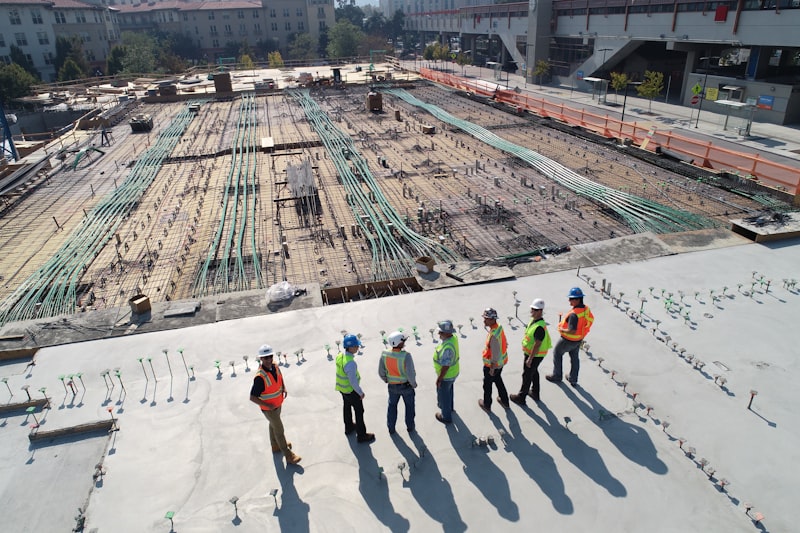
When 120,000 families start building homes simultaneously, the entire supply chain feels it. Cement factories are running at capacity. Steel mills are seeing increased orders. Local brick kilns can barely keep up with demand.
But it goes deeper. Think about everyone involved in building a house:
- Masons and construction workers finding steady employment
- Electricians wiring thousands of new homes
- Plumbers installing water systems
- Carpenters building doors and window frames
- Transport workers hauling materials
- Paint shops, hardware stores, and timber merchants seeing business surge
Job Creation Reality
The construction sector is notoriously labor-intensive. Unlike tech industries or manufacturing, you can’t automate building a house. Every home under construction means jobs for unskilled laborers, semi-skilled tradespeople, and skilled professionals.
Rural areas are particularly benefiting. Young men who might have migrated to cities for work are finding opportunities in their own villages. This reduces urban pressure while boosting rural economies.
Long-Term Wealth Building
Perhaps the most significant impact is the hardest to measure—intergenerational wealth transfer. When a family owns their home, they’re not just getting shelter. They’re acquiring an asset that can be passed down, borrowed against in emergencies, or used as collateral for small business loans.
Renters stay renters. Homeowners build equity. It’s Economics 101, but it’s been out of reach for millions of Pakistani families until now.
From Launch to Success: A Timeline
| Timeline | Milestone |
|---|---|
| Early 2025 | CM Maryam Nawaz Sharif announces Apni Chhat Apna Ghar scheme. Initial skepticism from critics who’ve seen housing promises before. |
| Mid-2025 | Portal goes live. Within months, over 400,000 applications flood in. The overwhelming response surprises even program designers. |
| November 2025 | First major milestone announced: 30,600 houses completed, over 105,700 families receiving assistance. Proof of concept validated. |
| December 2025 | Program hits full stride: 120,000 loans disbursed totaling PKR 150+ billion. 45,000 completed homes. 70,000 under construction. Scale unprecedented. |
The speed of implementation has been remarkable. Traditional government housing schemes take years to show results. ACAG delivered completed homes within months of launch.
What Experts Are Saying
Housing policy experts have taken notice of Punjab’s approach. The decentralized model—financing individual construction rather than building centralized colonies—represents a paradigm shift in how governments can address housing shortages.
— Housing Economist on ACAG’s Economic Impact
Why This Model Works
Traditional government housing colonies face several problems:
- Massive upfront infrastructure costs
- Years-long development timelines
- Allocation corruption and favoritism
- One-size-fits-all designs that don’t meet diverse needs
ACAG sidesteps all of these. By financing individuals to build on their own land, the program avoids infrastructure bottlenecks and reduces bureaucratic delays. Families get what they want, where they want it, when they’re ready.
Potential Challenges Ahead
However, experts also caution about sustainability concerns:
- Construction Quality: With such rapid expansion, ensuring proper building standards becomes challenging. Substandard construction now means structural issues later.
- Land Verification: As applications surge, thorough verification of land ownership is critical. Disputes over land titles could create problems down the line.
- Repayment Monitoring: While early repayment incentives are attractive, monitoring 120,000+ active loans requires robust systems.
- Fiscal Sustainability: As the program scales, maintaining interest-free lending while managing defaults requires careful financial planning.
These aren’t criticisms—they’re considerations for ensuring long-term success. The program’s administrators are aware and actively addressing these challenges.
Frequently Asked Questions
How do I register for Apni Chhat Apna Ghar scheme?
Registration is completely online through the official portal at acag.punjab.gov.pk. You’ll need your CNIC, proof of land ownership, and income documentation. Create an account, complete your profile, upload required documents, and track your application status online. The entire process is digital—no physical office visits required.
What is the maximum loan amount under ACAG?
Eligible applicants can receive up to PKR 1.5 million in interest-free financing. This amount is designed to cover basic construction costs for a modest family home. The loan is completely interest-free, saving families hundreds of thousands compared to commercial financing options.
What are the monthly repayment terms?
Monthly installments are approximately PKR 14,000, with a three-month grace period before payments begin. This grace period gives families time to complete initial construction before repayment obligations start. Additionally, early repayment is incentivized with discounts of up to 20%.
Can I apply if I already own a house?
No. The scheme specifically targets first-time homeowners who don’t already have formal residential property. This ensures assistance reaches those genuinely in need of housing rather than those seeking second homes or investment properties.
Is there any difference between Apni Chhat Apna Ghar and Mera Ghar Mera Ashiana?
Yes, significant differences exist. Mera Ghar Mera Ashiana was an older housing scheme that focused on building government housing colonies. Apni Chhat Apna Ghar provides direct financing for individuals to construct homes on their own land. ACAG offers more flexibility, faster processing through digital systems, and interest-free loans with early repayment incentives.
How many homes have been completed so far?
As of December 2025, over 45,000 homes have been completed and handed over to families. Additionally, more than 70,000 homes are currently under construction across Punjab. The program has disbursed loans to over 120,000 individuals, representing one of the fastest housing finance rollouts in Pakistani provincial history.
Are there any registration fees or hidden charges?
Absolutely not. There are zero registration fees, no processing charges, and no hidden costs. The entire application process is free. Be cautious of any middlemen or agents claiming they can help you register for a fee—they’re likely scammers. All registration happens directly through the official government portal.
What Happens Next? Future Implications
The success of Apni Chhat Apna Ghar raises fascinating questions about Pakistan’s housing policy future. If Punjab can deliver results this quickly, what’s stopping other provinces from adopting similar models?
Potential for National Expansion
Already, housing policy experts in Sindh, KPK, and Balochistan are watching closely. The ACAG model—with its digital infrastructure, microfinance partnerships, and direct financing approach—is relatively easy to replicate. We might see similar schemes announced in other provinces within the next year.
Federal government officials have also expressed interest. A nationwide version of ACAG could address Pakistan’s housing shortage at scale, potentially bringing millions of families into homeownership over the next decade.
Technology Integration Opportunities
The program’s digital foundation opens doors for future innovations:
- Mobile apps for easier application tracking
- Satellite imagery integration for land verification
- AI-powered document verification to speed processing
- Blockchain-based land registries to prevent disputes
- Digital payment systems for seamless installment collection
Economic Momentum
If current trends continue, ACAG could contribute measurably to Punjab’s GDP growth. The construction multiplier effect alone is significant. Add in related job creation, increased consumer spending from newly-housed families, and reduced urban migration pressure—the economic benefits compound.
Some economists project that sustained housing construction at this scale could add 0.5-1% to provincial GDP growth annually. That’s substantial for a single program.
Social Transformation
Perhaps most importantly, ACAG is changing how Pakistanis think about homeownership. For generations, owning a house seemed like an impossible dream for low-income families. This program proves that with proper policy design and political will, transformation is possible.
The psychological impact shouldn’t be underestimated. When families see their neighbors building homes through ACAG, it creates hope. When they see completed houses with “Apni Chhat Apna Ghar” plaques, it makes the dream tangible.