E-Bike Scheme in Balochistan: Complete Guide to 30% Subsidy Program 2025
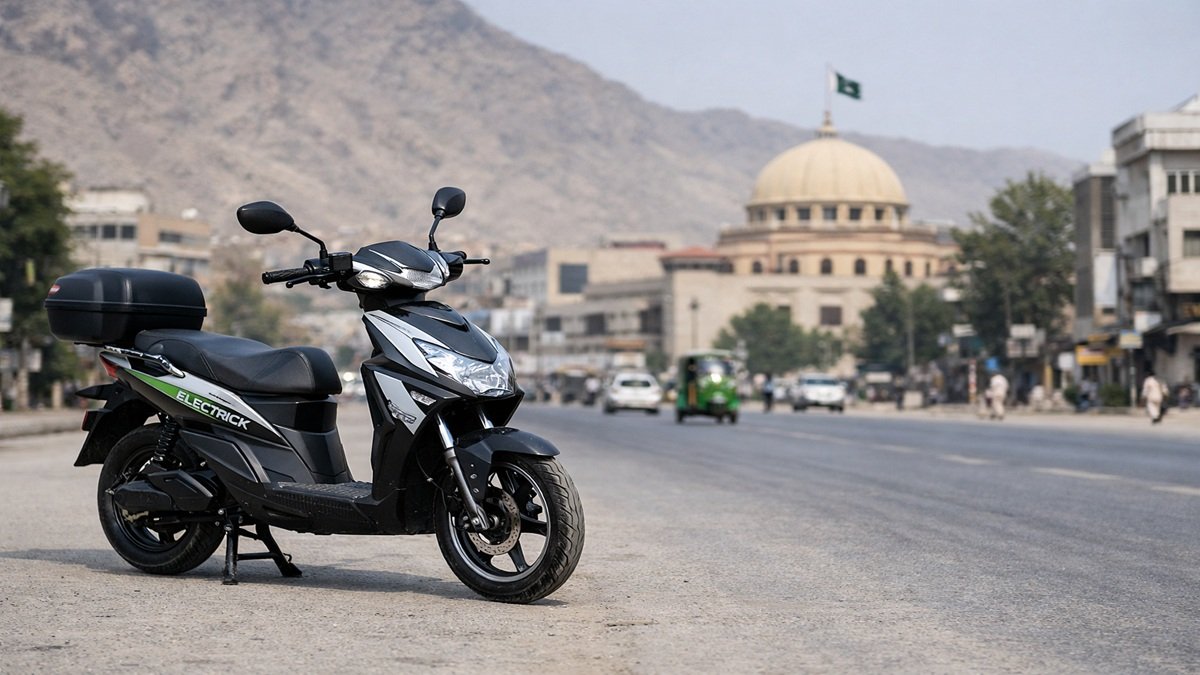
The Balochistan government has launched a transformative e-bike scheme offering a 30% subsidy to make electric transportation accessible for teachers, students, and women. This initiative addresses rising fuel costs while promoting sustainable mobility across Pakistan’s largest province.
Understanding the bike subsidy in Balochistan becomes crucial as beneficiaries navigate eligibility criteria, application procedures, and financial benefits. This comprehensive analysis explores every aspect of the program’s implementation and impact on daily commuters.
Table of Contents
- Program Overview and Objectives
- 30% Bike Subsidy: Financial Breakdown
- Who Qualifies for the E-Bike Subsidy?
- Step-by-Step Application Process
- E-Bike Benefits for Teachers
- Student-Specific Subsidy Details
- Women Empowerment Through E-Bikes
- Approved Electric Bike Models
- Implementation Timeline and Phases
- Economic and Environmental Impact
- Challenges and Solutions
- Comparison with Other Provincial Schemes
- What Happens Next?
- Frequently Asked Questions
Program Overview and Objectives
The bike subsidy scheme in Balochistan represents a strategic government initiative designed to revolutionize personal transportation. Launched in early 2025, this program directly addresses the province’s unique mobility challenges while promoting environmental sustainability.
According to the official Balochistan government portal, the scheme allocates substantial budgetary resources to subsidize electric bike purchases. The primary goal centers on reducing transportation costs for vulnerable groups while decreasing carbon emissions across urban and rural areas. Updates on provincial development initiatives are regularly published by the Chief Minister Balochistan’s office.
Key Program Objectives
Financial Relief: The subsidy reduces upfront costs by 30%, making electric bikes affordable for middle and lower-income groups. This financial assistance translates into immediate savings and long-term economic benefits for beneficiaries.
Environmental Protection: By promoting electric vehicles, the government aims to reduce petroleum dependency and air pollution. Balochistan’s cities face increasing environmental challenges, making this transition critically important.
Women’s Mobility: The program specifically targets female beneficiaries, recognizing transportation as a barrier to education and employment. Providing e-bikes for women in Balochistan enhances their independence and economic participation.
Educational Access: Students receiving subsidized e-bikes can commute efficiently to educational institutions, reducing dropout rates and improving academic performance. This becomes particularly significant in remote areas with limited public transport.
Government officials emphasize that this initiative aligns with Pakistan’s broader climate commitments and sustainable development goals. The program’s scope extends beyond simple vehicle distribution, encompassing infrastructure development and charging station expansion.
30% Bike Subsidy: Financial Breakdown
The 30% bike subsidy in Balochistan creates tangible financial advantages for eligible beneficiaries. Understanding the exact calculations helps applicants make informed purchasing decisions and budget accordingly.
| E-Bike Price Range | Government Subsidy (30%) | Beneficiary Payment | Monthly Fuel Savings |
|---|---|---|---|
| PKR 80,000 | PKR 24,000 | PKR 56,000 | PKR 3,000 – PKR 4,000 |
| PKR 100,000 | PKR 30,000 | PKR 70,000 | PKR 3,500 – PKR 4,500 |
| PKR 120,000 | PKR 36,000 | PKR 84,000 | PKR 4,000 – PKR 5,000 |
| PKR 150,000 | PKR 45,000 | PKR 105,000 | PKR 4,500 – PKR 6,000 |
These figures demonstrate substantial savings compared to conventional motorcycle ownership. Furthermore, electric bikes eliminate ongoing fuel expenses, creating compounding financial benefits over time.
Real-World Cost Comparison
A typical petrol motorcycle user in Quetta spends approximately PKR 5,000 monthly on fuel. Over one year, this totals PKR 60,000. In contrast, an e-bike user pays roughly PKR 800 monthly for electricity charging, totaling just PKR 9,600 annually.
The difference of PKR 50,400 annually represents significant savings for teachers and students. Additionally, maintenance costs for electric bikes remain considerably lower than conventional motorcycles, further enhancing economic viability.
Provincial finance documents indicate that the government has allocated PKR 500 million for the initial phase. This budget accommodates approximately 16,000 to 20,000 subsidized e-bikes, depending on model selection and final pricing agreements with manufacturers.
Who Qualifies for the E-Bike Subsidy?
Eligibility criteria for the e-bike scheme in Balochistan follow specific guidelines established by provincial authorities. Meeting these requirements ensures smooth application processing and subsidy approval.
Primary Eligibility Categories
Government School Teachers: All permanent and contract teachers employed in government-run primary, middle, and high schools qualify automatically. This includes both male and female educators across all districts.
College and University Students: Full-time students enrolled in public sector colleges and universities throughout Balochistan can apply. Age restrictions typically cap eligibility at 30 years for undergraduate students.
Working Women: Female professionals employed in government departments, semi-government organizations, and registered private companies meet eligibility standards. Income thresholds apply to ensure support reaches deserving beneficiaries.
Female Students: Priority consideration extends to female students, particularly those commuting from remote areas. This category receives expedited processing to encourage women’s education.
Additional Requirements
Beyond category membership, applicants must satisfy supplementary conditions. These include Balochistan domicile verification, valid CNIC, and income documentation for certain categories.
According to implementation guidelines, household income should not exceed PKR 50,000 monthly for student applicants. Teachers and working women face different income assessments based on their employment grade and salary structure.
Documentation Checklist
- Original and photocopy of Computerized National Identity Card (CNIC)
- Balochistan domicile certificate issued by relevant district authorities
- Employment verification letter for teachers and working women
- Student enrollment certificate from recognized educational institutions
- Recent passport-size photographs (4 copies)
- Income certificate from relevant authorities or employer
- Bank account details for subsidy disbursement processing
- Utility bill as proof of current residential address
Verification processes involve cross-checking with institutional databases and government records. This ensures transparency and prevents fraudulent applications, protecting program integrity and public funds.
Step-by-Step Application Process
Navigating the bike subsidy Balochistan application requires understanding specific procedural steps. Following this systematic approach increases approval chances and expedites processing.
Phase 1: Initial Registration
Prospective beneficiaries initiate applications through authorized dealerships or designated government offices. Registration forms are available both online through the provincial portal and offline at district administration offices.
Applicants complete comprehensive forms providing personal information, employment or educational details, and contact information. Accuracy in this stage prevents delays during verification processes.
Phase 2: Document Submission
After registration, applicants submit required documentation to verification centers. Officials conduct preliminary checks ensuring all certificates and proofs meet authenticity standards.
Application Tips from Officials
Provincial coordinators recommend submitting applications during morning hours to avoid rush periods. Bringing complete documentation in organized folders expedites processing significantly.
Applicants should maintain photocopies of all submitted documents for personal records. This practice helps resolve discrepancies quickly if verification issues arise during processing stages.
For students, obtaining institutional endorsement letters beforehand streamlines approval. Educational institutions cooperate actively with this program, providing necessary certifications promptly.
Phase 3: Verification and Approval
Government departments verify submitted information through database cross-referencing. This includes employment verification with education departments, student enrollment confirmation with universities, and domicile authentication with NADRA systems.
The verification timeline typically spans 15 to 30 working days, depending on application volume and documentation completeness. Applicants receive SMS notifications regarding application status updates throughout this period. For more information on NADRA services, check the NADRA home-based CNIC modification service.
Phase 4: Bike Selection and Purchase
Approved applicants receive authorization letters allowing them to purchase from designated dealerships. They select preferred models from the approved list, considering factors like battery capacity, range, and design preferences.
Upon selection, beneficiaries pay the subsidized amount (70% of retail price) directly to dealerships. The government transfers the 30% subsidy amount directly to authorized sellers, completing the transaction seamlessly.
Phase 5: Registration and Delivery
Final steps involve vehicle registration with excise and taxation departments. Similar to M-Tag registration processes, this ensures legal compliance and ownership documentation.
Dealerships provide comprehensive orientation sessions covering charging procedures, maintenance requirements, and safety guidelines. Beneficiaries receive warranty cards and user manuals with their e-bikes.
E-Bike Benefits for Teachers
The provision of e-bikes for teachers in Balochistan addresses specific professional challenges faced by educators. This targeted assistance recognizes teachers’ crucial role in societal development while improving their working conditions.
How Teachers Benefit
Reduced Commute Costs: Teachers often serve in schools far from their residences, incurring substantial daily transportation expenses. The e-bike subsidy eliminates these recurring costs, effectively increasing take-home income.
Time Efficiency: Electric bikes navigate traffic and rural roads more efficiently than public transport. Teachers gain additional time for lesson planning and family commitments.
Professional Dignity: Owning personal transportation enhances professional status and independence. Teachers no longer depend on unreliable public transport or expensive taxi services.
Remote Area Access: Many Balochistan schools operate in remote villages with minimal transport infrastructure. E-bikes enable teachers to reach these locations reliably, improving educational service delivery.
According to education department statistics, approximately 45% of government teachers in Balochistan commute more than 15 kilometers daily. The e-bike scheme directly impacts this significant population, improving their quality of life measurably.
Teacher Testimonials and Experiences
Early program participants report transformative impacts on their daily routines. A female teacher from Turbat noted that her e-bike reduced monthly transportation costs from PKR 6,000 to just PKR 800, while eliminating dependency on male family members for commuting.
Male teachers serving in rural areas emphasize reliability improvements. Unlike public transport that operates on limited schedules, personal e-bikes provide flexibility for extra-curricular activities, parent meetings, and emergency situations.
Student-Specific Subsidy Details
Providing e-bikes for students in Balochistan creates educational opportunities previously inaccessible to many youth. This component of the subsidy scheme specifically addresses barriers preventing students from pursuing higher education.
Student Eligibility Specifics
Age Limitations: Undergraduate students between 18 and 30 years qualify for the program. Postgraduate students may apply if enrolled full-time in recognized institutions.
Academic Standing: Minimum attendance requirements of 75% and passing grades in the previous semester apply. This ensures subsidies support serious, committed students.
Institution Requirements: Only students from HEC-recognized universities and government-affiliated colleges qualify. Private institution students currently fall outside the scheme’s scope.
Distance Criteria: Priority extends to students commuting more than 10 kilometers daily from residence to campus. This targets those facing significant transportation challenges.
Impact on Student Life
University administrators report that transportation costs constitute major dropout factors, particularly for students from lower-income families. The e-bike subsidy directly addresses this challenge, potentially increasing retention rates significantly.
Female students especially benefit from independent transportation options. Cultural constraints in conservative areas sometimes limit women’s mobility, but personal e-bikes provide acceptable, safe transportation alternatives.
Students pursuing technical and professional degrees requiring early morning or late evening classes find e-bikes particularly valuable. Public transport limitations during these hours previously forced many students to abandon such programs.
Women Empowerment Through E-Bikes
The emphasis on e-bikes for women in Balochistan reflects progressive policy thinking about gender equality and economic participation. This targeted approach acknowledges specific barriers women face in accessing transportation.
Breaking Mobility Barriers
Transportation consistently ranks among the top three challenges preventing women’s workforce participation in Balochistan. Cultural norms, safety concerns, and financial constraints create complex barriers that personal e-bikes effectively address.
E-bikes provide dignified, independent mobility without requiring male accompaniment. This autonomy enables women to pursue education, employment, and social activities previously restricted by transportation dependence.
Safety features in approved e-bike models include bright LED lighting, sturdy frames, and emergency contact systems. These specifications address specific security concerns relevant to female users.
Economic Empowerment Outcomes
Working women receiving subsidized e-bikes report measurable income increases. By eliminating taxi costs or reducing dependency on private vehicle owners, they retain larger portions of their salaries.
Female entrepreneurs utilizing e-bikes for business operations experience expanded market reach. Small business owners in sectors like tailoring, education, and healthcare services leverage improved mobility to grow customer bases.
According to women’s development department officials, the e-bike scheme complements broader empowerment initiatives. It creates tangible infrastructure supporting women’s economic independence and social mobility.
Approved Electric Bike Models
The bike subsidy scheme includes specific e-bike models meeting technical standards and safety requirements. Understanding available options helps beneficiaries make informed purchasing decisions.
| Brand/Model | Retail Price | After Subsidy | Battery Range | Charging Time |
|---|---|---|---|---|
| Jolta JE-70 | PKR 95,000 | PKR 66,500 | 70-80 km | 6-8 hours |
| Volta V2 Plus | PKR 110,000 | PKR 77,000 | 85-95 km | 5-7 hours |
| Thunder E-Sport | PKR 125,000 | PKR 87,500 | 90-100 km | 6-8 hours |
| Eagle Power E3 | PKR 140,000 | PKR 98,000 | 100-110 km | 7-9 hours |
Technical Specifications Requirements
All approved models must meet minimum technical standards established by provincial authorities. These include battery capacities exceeding 48V, maximum speeds of 40-50 km/h, and robust braking systems meeting international safety standards.
Warranty provisions mandate minimum one-year coverage for batteries and six months for electrical components. Manufacturers must maintain service centers in major Balochistan cities including Quetta, Gwadar, Turbat, and Khuzdar.
Selection Considerations
Daily Commute Distance: Users traveling under 50 km daily can choose basic models, while longer commutes require higher-capacity batteries.
Terrain Type: Balochistan’s varied geography demands consideration. Hilly areas require models with stronger motors, while plain terrain users can prioritize battery range over power.
Charging Infrastructure: Beneficiaries should assess home charging capabilities and workplace charging availability before selecting high-capacity models requiring longer charging times.
After-Sales Support: Proximity to authorized service centers influences model selection, particularly for users in remote districts.
Implementation Timeline and Phases
The e-bike scheme in Balochistan follows a phased implementation approach ensuring systematic rollout and effective resource management. Understanding this timeline helps applicants anticipate when they might receive benefits.
Phase 1: Pilot Program (January – March 2025)
Initial implementation focuses on Quetta district, distributing approximately 3,000 subsidized e-bikes to gauge program effectiveness. This pilot phase helps identify operational challenges and refine processes before provincial expansion.
Feedback mechanisms collect beneficiary experiences, dealer input, and administrative observations. Officials analyze this data to optimize subsequent phases and address emerging issues proactively.
Phase 2: Major Cities Expansion (April – June 2025)
Following pilot success, the program extends to Gwadar, Turbat, Khuzdar, and Sibi districts. This phase targets 8,000 additional beneficiaries across these urban centers where transportation infrastructure already exists.
Coordination with electricity providers ensures adequate charging infrastructure development parallels e-bike distribution. This integrated approach prevents situations where beneficiaries lack charging facilities.
Phase 3: Province-Wide Rollout (July – December 2025)
Complete provincial coverage begins in the third quarter, extending benefits to all 34 districts. Rural and remote areas receive special attention, with mobile registration units facilitating applications in underserved regions.
Government targets distributing 20,000 to 25,000 e-bikes during this phase, completing the initial program cycle. Budget allocations for subsequent years depend on this phase’s outcomes and impact assessments.
Potential Delays and Contingencies
Implementation timelines remain subject to various factors including budget releases, supply chain logistics, and administrative processing capacities. Beneficiaries should maintain realistic expectations regarding exact delivery dates.
Weather conditions, particularly during monsoon seasons, may affect deliveries to remote areas. Government officials emphasize patience while ensuring no eligible beneficiary ultimately misses program benefits due to temporary logistical challenges.
Economic and Environmental Impact
The 30% bike subsidy in Balochistan generates multifaceted impacts extending beyond individual beneficiaries. Analyzing these broader effects reveals the program’s significance for provincial development.
Economic Implications
Direct economic benefits include reduced household transportation expenses for approximately 20,000 families in the initial phase. Multiplied across the province, this translates into significant purchasing power retention within local economies.
The e-bike industry experiences growth stimulation, creating employment opportunities in sales, service, and maintenance sectors. Local entrepreneurs establishing charging stations and repair workshops contribute to economic diversification.
Measurable Economic Outcomes
Fuel Import Reduction: If 25,000 e-bike users replace conventional motorcycles, annual petrol consumption decreases by approximately 10 million liters. This reduction saves foreign exchange and improves Pakistan’s trade balance marginally.
Employment Generation: The program creates approximately 500 direct jobs in dealerships, service centers, and charging infrastructure. Indirect employment in manufacturing, logistics, and support services adds another 200-300 positions.
Business Expansion: E-bike manufacturers increase production capacities in response to guaranteed government demand, leading to economies of scale and potentially lower future prices.
Environmental Benefits
Carbon emission reductions represent significant environmental achievements. Each e-bike replacing a petrol motorcycle prevents approximately 1.5 tons of CO2 emissions annually, contributing meaningfully to climate change mitigation efforts.
Air quality improvements in Quetta and other cities become measurable as adoption rates increase. Reduced vehicular emissions particularly benefit respiratory health in densely populated urban areas.
The program aligns with Pakistan’s international climate commitments under the Paris Agreement. Provincial authorities can cite concrete progress toward emission reduction targets, enhancing the country’s environmental credentials.
Challenges and Solutions
Despite significant benefits, the bike subsidy Balochistan faces implementation challenges requiring strategic solutions. Addressing these obstacles ensures program sustainability and effectiveness.
Key Implementation Challenges
Charging Infrastructure Gaps: Many rural areas lack reliable electricity supply, limiting e-bike practicality. Even in urban centers, dedicated charging stations remain sparse.
Technical Knowledge Deficits: Beneficiaries often lack understanding of e-bike maintenance, battery care, and charging optimization. This knowledge gap can lead to premature battery failure and user dissatisfaction.
Quality Control Concerns: Ensuring all approved models maintain promised specifications requires robust monitoring mechanisms. Substandard products damage program credibility and user trust.
Seasonal Demand Fluctuations: Application volumes vary seasonally, particularly around academic calendars for student beneficiaries. This creates processing bottlenecks during peak periods.
Proposed Solutions and Mitigation Strategies
The government addresses charging infrastructure through public-private partnerships. Similar to AMI meter infrastructure development, coordinated planning ensures systematic coverage expansion.
Training programs for beneficiaries include mandatory orientation sessions covering basic maintenance, safety practices, and optimal charging procedures. These sessions significantly improve long-term satisfaction and vehicle longevity.
Quality assurance mechanisms involve pre-approval testing of all models and regular post-distribution inspections. Manufacturers failing quality standards face delisting from the approved suppliers’ panel.
User Best Practices
Beneficiaries should charge batteries before complete depletion to extend lifespan. Maintaining charge levels between 20% and 80% optimizes battery health and performance over time.
Regular tire pressure checks, brake adjustments, and electrical connection inspections prevent most common issues. Users report that simple monthly maintenance significantly reduces repair frequency and costs.
Joining beneficiary support groups through social media enables experience sharing and problem-solving. These informal networks often provide quicker solutions than official channels for minor technical issues.
Comparison with Other Provincial Schemes
The e-bike scheme in Balochistan reflects broader national trends while incorporating province-specific adaptations. Comparing with similar initiatives reveals relative strengths and potential improvements.
Punjab Youth E-Bikes Program
Punjab’s larger-scale program offers lower subsidy percentages (20%) but covers more extensive beneficiary categories. Balochistan’s higher subsidy rate (30%) reflects the province’s lower average incomes and greater economic needs.
Punjab’s advanced infrastructure supports easier implementation, whereas Balochistan faces unique challenges requiring more substantial government support per beneficiary.
Sindh’s Urban Mobility Initiative
Sindh focuses primarily on Karachi’s urban population, offering e-bike subsidies alongside public transport improvements. This integrated approach differs from Balochistan’s standalone e-bike program.
Balochistan’s scheme demonstrates greater focus on rural and semi-urban areas where public transport alternatives remain limited or non-existent.
| Province | Subsidy Rate | Target Beneficiaries | Primary Focus | Budget Allocation |
|---|---|---|---|---|
| Balochistan | 30% | Teachers, Students, Women | Rural-Urban Balance | PKR 500 Million |
| Punjab | 20% | Youth, All Categories | Urban Centers | PKR 2 Billion |
| Sindh | 25% | Urban Commuters | Karachi Focus | PKR 800 Million |
| KPK | 15% | General Public | Peshawar Valley | PKR 300 Million |
Balochistan’s approach balances fiscal constraints with genuine need, creating a sustainable model other provinces might emulate for specific demographic groups.
What Happens Next?
The bike subsidy scheme enters critical implementation phases throughout 2025. Understanding upcoming developments helps stakeholders prepare and participate effectively.
Immediate Next Steps (January – March 2025)
Application Processing Acceleration: Government offices expand staff and extend working hours to clear pending applications rapidly. Online portal upgrades improve user experience and reduce processing times.
Dealer Network Expansion: Additional authorized dealerships receive approvals across 15 more districts, improving accessibility for rural applicants. These dealers undergo mandatory training on subsidy procedures and customer service standards.
Charging Infrastructure Development: WAPDA and private sector partners install 200 public charging points across major cities. Residential solar charging kit subsidies complement this infrastructure expansion.
Awareness Campaigns: Media campaigns through radio, television, and social platforms inform potential beneficiaries about application procedures, eligibility criteria, and program benefits.
Medium-Term Developments (April – December 2025)
Program evaluation committees assess initial phase outcomes, identifying success factors and areas requiring improvement. This data-driven approach enables evidence-based policy adjustments enhancing program effectiveness.
Budget expansion proposals for fiscal year 2025-26 undergo provincial assembly review. Successful current implementation strengthens arguments for increased allocations supporting more beneficiaries.
Technology integration initiatives explore mobile apps for application tracking, service appointment scheduling, and beneficiary support. Digital transformation improves transparency and user convenience significantly.
Long-Term Vision (2026 and Beyond)
Government planners envision expanding the program beyond initial target groups. Potential future beneficiaries might include small business owners, healthcare workers, and agricultural extension staff.
Local manufacturing partnerships could establish e-bike assembly plants within Balochistan, creating jobs while reducing costs through shortened supply chains. This industrialization aligns with provincial economic diversification goals.
Expected Outcomes by 2027
Provincial authorities project that by 2027, approximately 100,000 e-bikes will operate across Balochistan through this subsidy scheme. This scale creates transformative impacts on transportation patterns, environmental indicators, and economic dynamics.
Research institutions will likely conduct comprehensive studies quantifying exact emission reductions, economic benefits, and social impacts. These findings inform future policy decisions and program expansions.
Success in Balochistan may inspire federal government support for nationwide e-bike adoption programs, potentially revolutionizing Pakistan’s personal transportation landscape comprehensively.
Frequently Asked Questions
What is the bike subsidy percentage in Balochistan?
The Balochistan government offers a 30% subsidy on electric bikes under the official e-bike scheme. This subsidy applies to approved electric bike models and is available for eligible beneficiaries including teachers, students, and women across the province.
Who is eligible for the e-bike subsidy in Balochistan?
Eligible beneficiaries include government school teachers, college and university students enrolled in Balochistan institutions, working women in government and private sectors, and female students. Applicants must be residents of Balochistan and meet specific income criteria set by the provincial government.
How can I apply for the bike subsidy scheme in Balochistan?
Applications are submitted through authorized dealerships or the official provincial portal. Applicants need to provide CNIC, proof of employment or student enrollment, domicile certificate, recent photographs, and income certificate. The process involves document verification, application approval, and subsidy disbursement upon purchase.
Which electric bike models are included in the subsidy program?
The program includes approved Chinese and local electric bike brands with prices ranging from PKR 80,000 to PKR 150,000. Models must meet specific technical standards including battery capacity, range, and safety features as per provincial guidelines. Popular approved brands include Jolta, Volta, Thunder, and Eagle Power.
What is the financial impact of the 30% bike subsidy?
With the 30% subsidy, an e-bike priced at PKR 100,000 costs only PKR 70,000 to the beneficiary. The provincial government covers PKR 30,000 per bike. This makes electric transportation affordable and reduces monthly fuel expenses by approximately PKR 3,000 to PKR 5,000 per user.
When will the Balochistan e-bike scheme start?
According to official announcements, the e-bike subsidy program is currently in the implementation phase as of January 2025. Registration and applications are being processed through designated channels, with phased rollout expected across major cities including Quetta, Gwadar, and Turbat throughout the year.
How long does the application approval process take?
The verification and approval process typically takes 15 to 30 working days, depending on application volume and documentation completeness. Applicants receive SMS notifications regarding application status updates throughout this period. Complete and accurate documentation expedites processing significantly.
Are there charging facilities available for e-bikes in Balochistan?
The government is developing charging infrastructure alongside the subsidy program. Currently, 200 public charging points are being installed across major cities. Additionally, beneficiaries can charge e-bikes at home using standard electricity connections, with charging costs averaging PKR 800 monthly.
What happens if my e-bike needs repairs or maintenance?
All approved e-bike models come with manufacturer warranties covering batteries (minimum 1 year) and electrical components (minimum 6 months). Authorized service centers operate in major cities including Quetta, Gwadar, Turbat, and Khuzdar. Beneficiaries receive warranty cards and access to designated repair facilities.
Can private sector employees apply for the e-bike subsidy?
Yes, working women employed in registered private companies can apply for the subsidy, provided they meet income eligibility criteria and possess Balochistan domicile. However, the program currently prioritizes government employees and students from public sector institutions.
What is the maximum speed and range of subsidized e-bikes?
Approved e-bike models typically achieve maximum speeds of 40-50 km/h and offer ranges between 70-110 km on full charge, depending on the model and battery capacity. Higher-priced models generally provide greater range and faster charging capabilities.
Is there an age limit for student applicants?
Undergraduate students between 18 and 30 years of age qualify for the program. Postgraduate students may also apply if enrolled full-time in recognized institutions. Applicants must maintain minimum 75% attendance and passing grades to remain eligible.
Disclaimer
This article provides informational guidance based on available official sources and announcements regarding the Balochistan e-bike subsidy scheme as of January 2025. Program details, eligibility criteria, application procedures, and budget allocations are subject to change based on provincial government decisions and policy updates. Prospective applicants should verify current information through official government channels, authorized dealerships, or the provincial portal before making decisions. The author and publisher assume no responsibility for policy changes, implementation delays, or individual application outcomes. Readers are encouraged to conduct independent research and seek official confirmation for the most accurate and updated information.