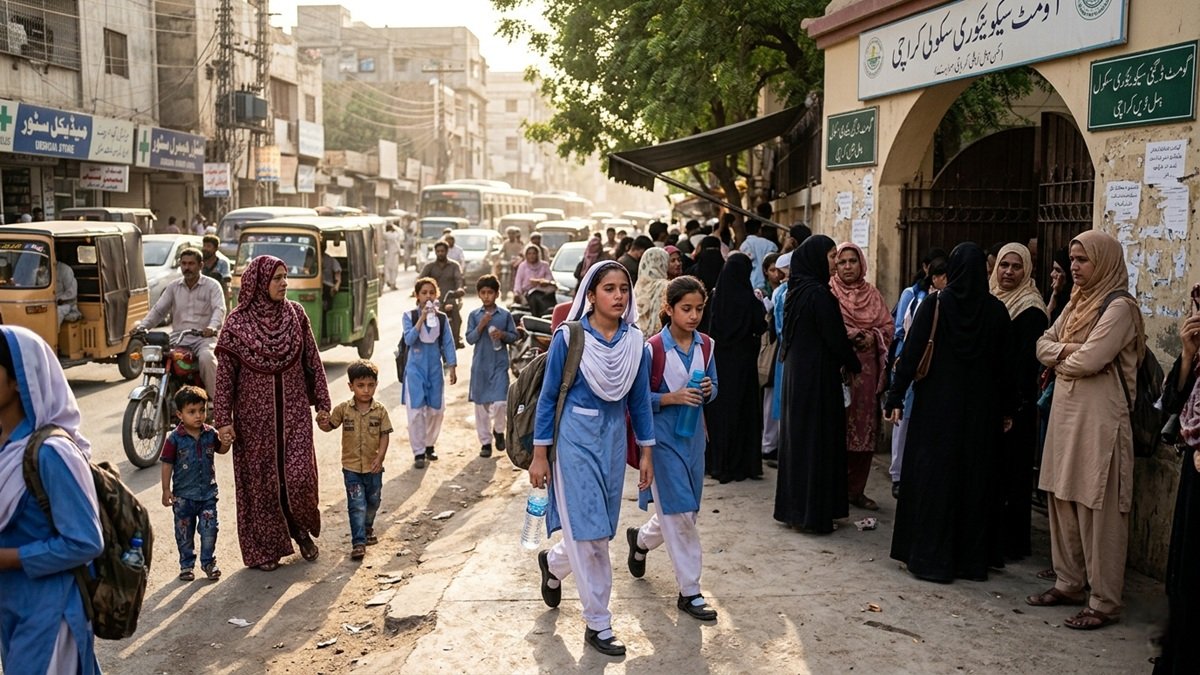
June is three weeks away. And for millions of school families across Sindh, the clock is already ticking. The Sindh government has officially announced summer vacations 2026 from June 1 to July 31 for all public and private schools. The reason? A growing heatwave threat that authorities say can no longer be ignored.
This is not just a school holiday. It is a public health decision. And it reflects a much bigger shift in how Pakistan now manages its education calendar — one shaped as much by climate as by academics.
Sindh Summer Vacations 2026 — Key Dates at a Glance
According to the Sindh Education and Literacy Department, the vacation schedule applies province-wide. It covers Karachi, Hyderabad, Sukkur, Larkana, Mirpurkhas, and all other districts. Both public and private schools must follow it.
| Detail | Information |
|---|---|
| Vacation Start Date | June 1, 2026 |
| Vacation End Date | July 31, 2026 |
| Expected Reopening | August 1, 2026 |
| Applies To | Public and Private Schools |
| Main Reason | Heatwave and Extreme Weather Concerns |
Officials have noted that reopening could be delayed if weather conditions deteriorate further. Parents should continue tracking updates from the Sindh Education and Literacy Department throughout July.
Why This Announcement Came Early
Temperatures in Sindh started climbing faster than expected this year. The Pakistan Meteorological Department has already issued warnings about heatwave conditions, dust storms, and unstable weather across parts of Pakistan. You can follow their latest weather advisories on the PMD website.
In recent weeks, parents in Karachi and other cities had raised serious concerns. Children travelling to school during peak afternoon heat. Classrooms without proper cooling. Power outages lasting hours. Younger students showing signs of fatigue and heat exhaustion.
What Parents Were Worried About
- Long travel in extreme midday heat with no shade
- Load-shedding during school hours, especially in older buildings
- Humid classrooms with no working fans or air conditioning
- Heat exhaustion in children under 10 years old
A fixed vacation date gives schools and families time to plan. It also removes the uncertainty of waiting for last-minute emergency closures — something many schools dealt with in previous years. Related reading: PMD Alert: More Heat Expected Despite Rainfall in Pakistan.
Pakistan’s Education Calendar Is Now Climate-Driven
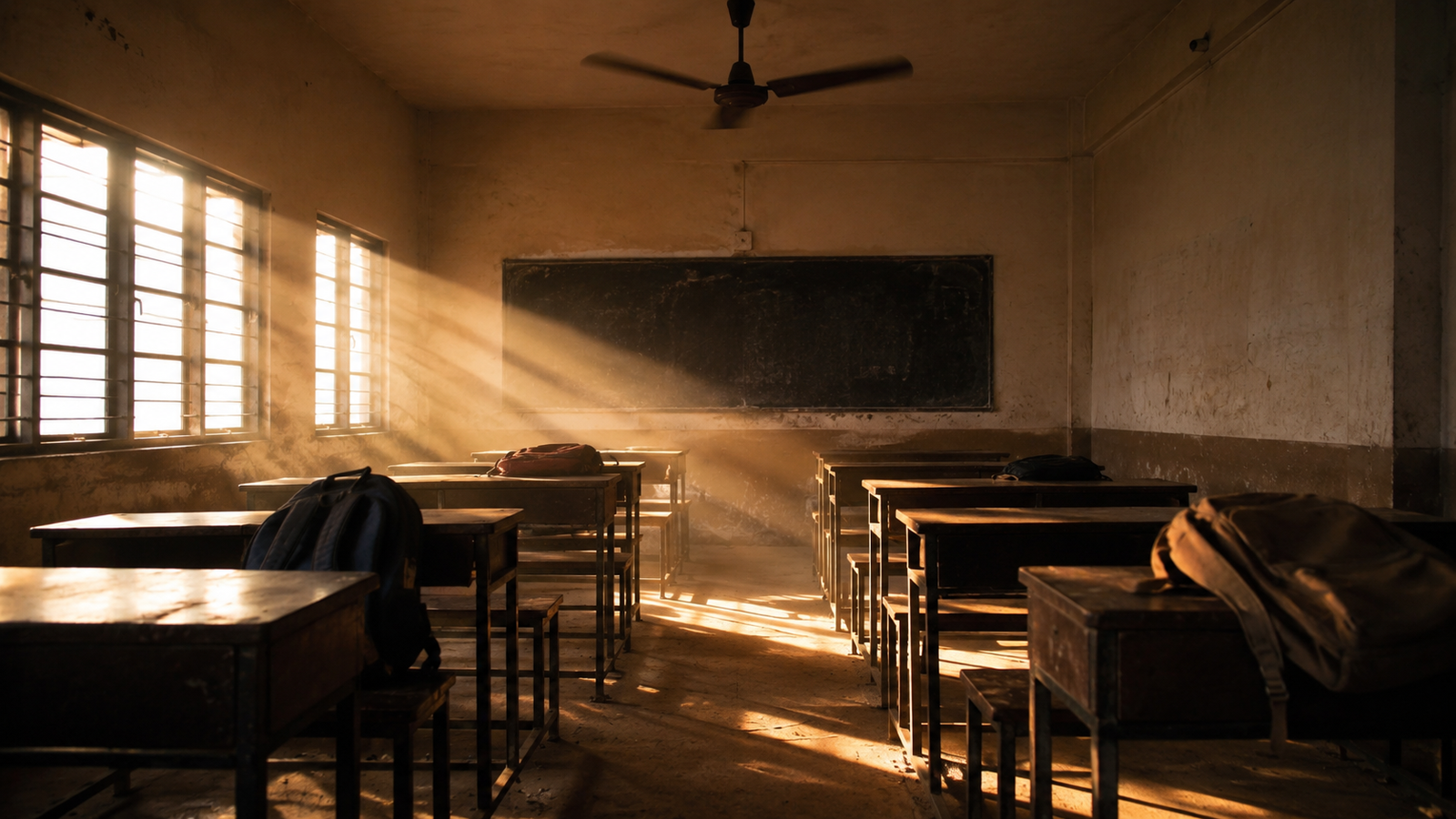
Karachi’s 2015 heatwave killed over a thousand people in a single week. That tragedy changed how authorities here think about heat risk. Since then, school schedules across provinces have been adjusted more aggressively to avoid dangerous weather windows.
The National Disaster Management Authority (NDMA) has repeatedly warned that Pakistan remains highly exposed to climate-linked emergencies — heatwaves, floods, and storms being the most recurring threats.
Over the past decade, Pakistani schools have faced emergency closures, reduced school timings, last-minute online switches during heatwaves, sudden exam postponements, and extended holidays with no prior notice. The pattern is clear. And it is getting worse.
Education experts now argue that Pakistan’s school system needs a permanent structural response — not just annual reactive closures.
What Experts Say Schools Will Eventually Need
- Heat-resistant classroom construction and better insulation
- Solar-powered cooling systems for public schools
- Flexible academic calendars that adapt to climate data
- Digital learning backup systems for emergency use
- Improved ventilation standards across older school buildings
How Other Provinces Compare — 2026 Summer Break Schedule
Not every province follows the same schedule. Weather patterns vary significantly across Pakistan, and that directly shapes how provinces plan their education calendars.
| Province | Vacation Dates | Special Feature |
|---|---|---|
| Sindh | June 1 to July 31 | Province-wide schedule |
| Punjab | May 22 to August 23 | Earliest and longest closure |
| KPK | Zone-based | Climate-adjusted by region |
| Balochistan | Pending | Official notice awaited |
Punjab has announced one of the earliest and longest summer breaks in the country — starting May 22 and running through August 23, 2026. Khyber Pakhtunkhwa uses a zone-based system that separates hilly northern areas from the warmer plains. Balochistan has yet to issue a final province-wide notification. For more on holiday planning across Pakistan, see: Eid 2026: Pakistan’s 11 Holidays and Moon Sighting Update.
What This Means for Families Right Now
A two-month summer break creates practical challenges for many households — especially those with working parents. Childcare, tuition arrangements, and indoor activity planning all need attention before June 1 arrives.
For students preparing for matric and intermediate exams, summer months are typically used for revision and coaching. That pattern will continue this year too. Many coaching centres in Karachi and Hyderabad run intensive programmes specifically during this window.
How to Keep Students on Track During the Break
- Enrol in short-term summer coaching or revision programs
- Use UNICEF and government-backed online reading resources
- Complete school-assigned summer revision work early
- Set daily study routines — even one hour a day maintains momentum
- Use educational apps for subjects that need extra attention
The UNICEF Pakistan office has previously highlighted the importance of continuous learning support during school disruptions — particularly for children from lower-income households with limited access to private tuition or internet services.
Heat Safety: What the WHO Recommends for Children
Children are more vulnerable during heatwaves than adults. They dehydrate faster and are less likely to recognise early warning signs in themselves. The World Health Organization Pakistan recommends limiting outdoor exposure during peak afternoon temperatures — typically between 12pm and 5pm in Sindh during June and July.
Heat Safety Tips for Parents This Summer
- Encourage children to drink water regularly — even when not feeling thirsty
- Avoid outdoor play between noon and late afternoon
- Use light, breathable cotton clothing
- Keep indoor spaces ventilated — open windows in the evening
- Watch closely for signs of dehydration, dizziness, or unusual fatigue
What Schools Are Expected to Complete Before June 1
Most schools across Sindh are expected to wrap up all academic and administrative work before the vacations begin. Parents should expect the following before or around June 1:
- Final term examinations completed and papers marked
- Result cards prepared and distributed to students
- Summer homework or revision assignments given out
- Fee processing and account clearance handled
- Administrative paperwork and class promotions finalised
Parents should keep an eye on school WhatsApp groups, official websites, and the Government of Sindh Portal for final result and reopening updates.
The Bigger Picture: What Needs to Change Long-Term
Closing schools every June is not a long-term solution. It is a workaround. The real issue is that Pakistan’s school infrastructure — especially in the public sector — was not built to handle the climate conditions we are seeing now.
Some private schools in Karachi have already started reducing outdoor activities and shifting morning assembly times during May. But these are individual decisions, not systemic ones. What Pakistan needs is a national policy that builds heat resilience directly into the school system.
Frequently Asked Questions