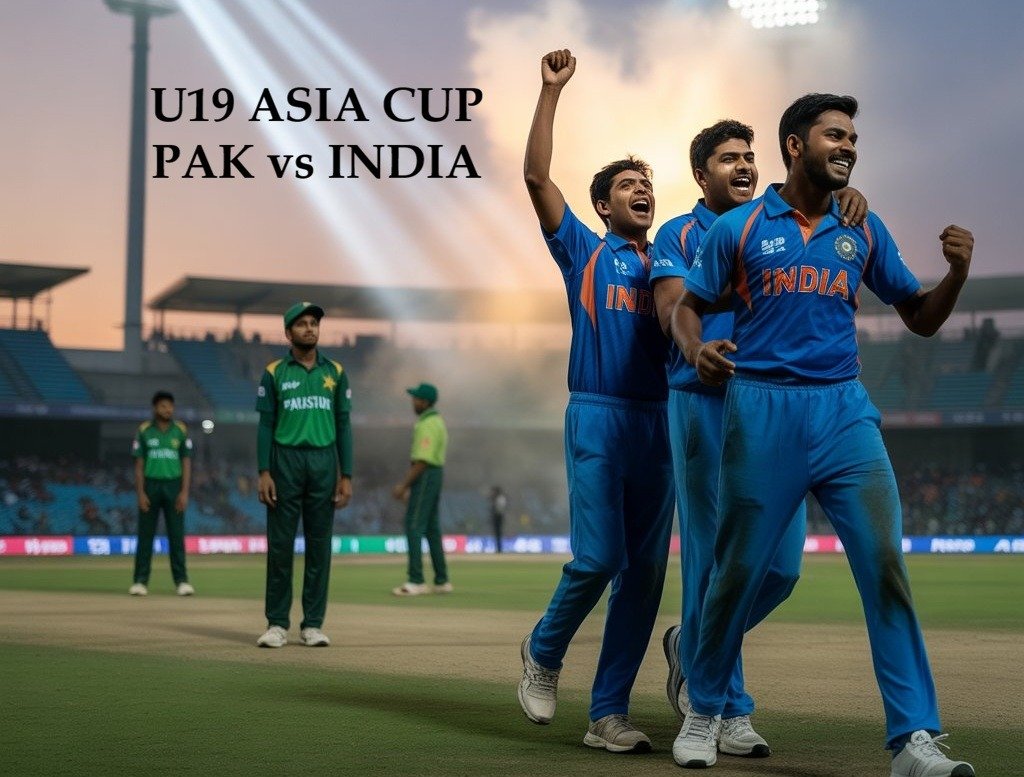
India U19 Dominates Pakistan by 90 Runs: A Tactical Masterclass in Dubai
In a commanding display of skill, strategy, and mental fortitude, India’s Under-19 cricket team delivered a comprehensive 90-run victory over Pakistan in their Group A clash at the ACC Men’s Under-19 Asia Cup in Dubai. This wasn’t merely another chapter in the storied India-Pakistan cricket rivalry—it was a demonstration of how the next generation of Indian cricketers is redefining youth cricket with tactical intelligence and composure under pressure.
🎯 Beyond the Numbers: Understanding India’s Strategic Excellence
The 90-run margin tells only part of the story. The real narrative lies in how India approached this high-pressure encounter with remarkable maturity. After Pakistan won the toss and elected to field on a rain-affected day, India’s batting unit faced the challenge of building a competitive total under overcast conditions and against disciplined bowling.
Rather than adopting an overly aggressive approach that often characterizes youth cricket, India’s batsmen displayed patience and cricket intelligence. They understood the conditions, respected the quality bowling, and built their innings methodically—a mature approach that speaks volumes about the coaching and preparation behind the scenes.
🏏 The Aaron George Masterclass: Temperament Over Fireworks
Player Spotlight: Aaron George
- Runs Scored: 85 off 88 balls
- Boundaries: 12 fours and 1 six
- Strike Rate: 96.59 (perfectly balanced for the situation)
- Match Impact: Stabilized innings after early setbacks
Aaron George’s innings was the cornerstone of India’s total. In an era where youth cricket often celebrates explosive hitting, George showed that building an innings with intelligence and adaptability remains cricket’s most valuable skill. His ability to rotate strike, identify scoring opportunities, and accelerate when needed demonstrates the kind of temperament that translates successfully to senior cricket.
What made George’s innings particularly impressive was his partnership-building ability. After early losses, he provided the stability India needed, while also supporting Kanishk Chouhan’s late acceleration of 46 runs. This complementary batting approach is rare in youth cricket, where individual brilliance often overshadows team requirements.
🎳 Bowling Brilliance: Winning Through Discipline
While batting laid the foundation, India’s bowling unit sealed the victory through exceptional discipline and strategic execution. Led by Deepesh Devendran and Henil Patel, the Indian bowlers demonstrated that youth cricket success isn’t solely about raw pace or turning the ball square—it’s about maintaining pressure, building dot-ball sequences, and forcing batsmen into errors.
🎯 Tight Lines
Bowlers maintained consistent lines and lengths, making scoring difficult and forcing Pakistan batsmen to take unnecessary risks.
📊 Building Pressure
Rather than searching for wickets with every ball, India built sustained pressure through economical overs and smart field placements.
🧠 Strategic Variations
Bowlers used intelligent variations in pace and trajectory, adapting to conditions and individual batsman weaknesses.
Pakistan’s chase never gained momentum—a testament to India’s bowling strategy. The opposition batsmen were constantly under pressure, unable to establish partnerships or find rhythm. This controlled approach reflects modern cricket’s emphasis on containing runs and creating pressure situations, rather than relying solely on wicket-taking deliveries.
🤝 The Handshake Controversy: Sport Meets Geopolitics
One notable aspect of the match was the absence of traditional handshakes between India and Pakistan players at the toss. This gesture, first observed at senior levels earlier this year, sparked considerable debate across cricket communities and social media platforms.
The incident highlights a complex reality: contemporary cricket, even at youth levels, exists within broader geopolitical contexts. While some view the absence of handshakes as regrettable—arguing that sports should transcend political tensions—others understand it as a reflection of current diplomatic realities between the two nations.
For youth cricket specifically, this raises important questions about sportsmanship, tradition, and the responsibilities of young athletes representing their nations. Regardless of personal views on the matter, it underscores that these young cricketers are playing in an era where off-field narratives increasingly influence on-field conduct.
📈 What This Victory Signals for Indian Cricket
🏆 Tournament Favorites
This comprehensive victory establishes India as strong contenders for the Asia Cup title, demonstrating depth across batting and bowling.
👥 Squad Depth
The balanced contributions from multiple players indicate strong squad depth—crucial for long tournament campaigns.
🎓 Coaching Excellence
The tactical maturity displayed suggests excellent coaching and preparation, focusing on game intelligence alongside skill development.
🔄 Pakistan’s Path Forward: Building on Foundations
Despite the margin of defeat, Pakistan’s performance offered glimpses of genuine talent, particularly in their bowling attack. The disciplined bowling that restricted India to 240 demonstrated technical quality and strategic understanding. Moving forward in the tournament, Pakistan can build on these strengths while addressing the batting challenges that hindered their chase.
Youth cricket is fundamentally about development and learning from challenging situations. This loss provides Pakistan’s young cricketers valuable experience in handling pressure situations and adjusting strategies mid-tournament—lessons that will serve them throughout their careers.
🌍 The Bigger Picture: Evolution of Youth Cricket
This match exemplifies a significant shift in international youth cricket. Today’s U19 competitions are no longer just about identifying raw talent—they’re about evaluating complete cricketers who combine technical skills with strategic thinking and mental resilience.
Modern youth cricket demands players who can read match situations, adapt strategies based on conditions, execute specific game plans, maintain composure under intense pressure, and understand their roles within team structures. India’s performance in Dubai showcased all these attributes, suggesting a generation of cricketers well-prepared for international cricket’s demands.
📅 Looking Ahead: Tournament Implications
With crucial group matches remaining, this result significantly impacts the Asia Cup dynamics. India’s victory margin provides not just points but also a substantial net run rate advantage—potentially decisive in tight group scenarios. For both teams, the remaining matches will test their ability to learn from this encounter and adjust accordingly.
India will seek to maintain this momentum and continue refining their approach. Pakistan must demonstrate resilience by bouncing back from this defeat and rediscovering their competitive edge. These upcoming matches will reveal much about both teams’ character and tournament credentials.
📚 Additional Resources & Coverage
Complete match statistics, live scores, and expert analysis from the world’s leading cricket platform
International Cricket Council’s official coverage of youth cricket tournaments and player development
Board of Control for Cricket in India’s official news, updates, and U19 team information
Live cricket scores, commentary, news analysis, and match highlights