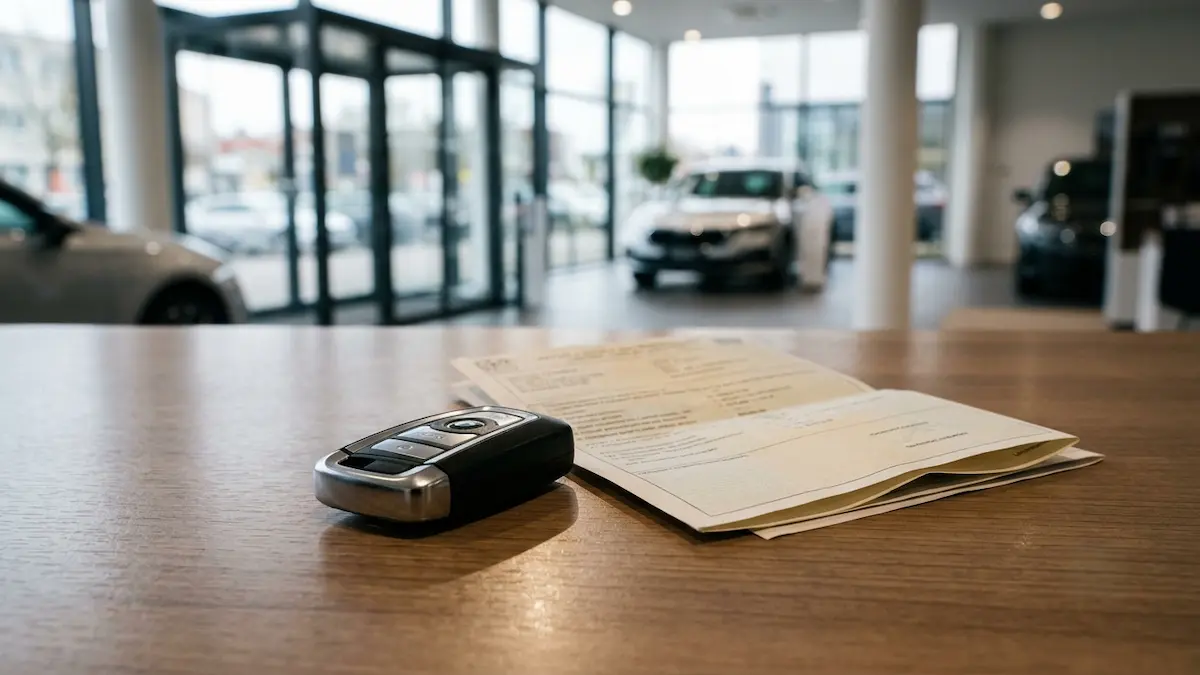
Pakistan Auto Industry FY26: A Broad Based Recovery
After three tough years of import curbs, high inflation and expensive financing, Pakistan’s vehicle market turned a corner in FY26. Nearly every major category, from passenger cars to trucks, recorded solid year on year growth.
According to Pakistan Automotive Manufacturers Association (PAMA) data, the rebound was not limited to one segment. Buyers returned across the board, and manufacturers responded with more models and better availability.
FY26 Vehicle Sales at a Glance
Passenger car sales reached 155,631 units, up 39 percent from FY25. SUVs, pickups, vans and jeeps rose to 50,814 units, a 41 percent jump. Truck and bus sales grew by 61 percent, and motorcycles crossed close to 1.93 million units, a new high for the segment.
What Drove the Turnaround
Lower interest rates made monthly car installments more affordable for many households. Import restrictions on completely knocked down kits also eased, which let assembly plants stabilize production after years of delays.
Buyer choice expanded too. Established Japanese brands still dominate passenger cars, but Chinese entrants have widened the SUV, crossover and hybrid lineup available to local buyers.
Passenger Cars and SUVs Lead the Way
Passenger cars stayed the biggest contributor to FY26 growth. Many families who delayed buying during the inflation years came back once financing eased and manufacturers rolled out updated variants with better fuel economy.
SUVs and pickups kept expanding too, helped by growing interest in hybrid technology. Fuel prices remain a major household expense, so vehicles that sip less petrol are attracting real attention.
Motorcycles Remain the Backbone of Mobility
Motorcycles are still Pakistan’s most widely used form of transport, especially outside the big cities. Lower prices, easier financing and low running costs keep this segment essential for commuting, small businesses and delivery work.
Atlas Honda led sales, while smaller manufacturers competed hard in the entry level category. Some brands have also pushed into new territory with locally assembled higher capacity bikes, a sign the market is maturing beyond basic commuter models.
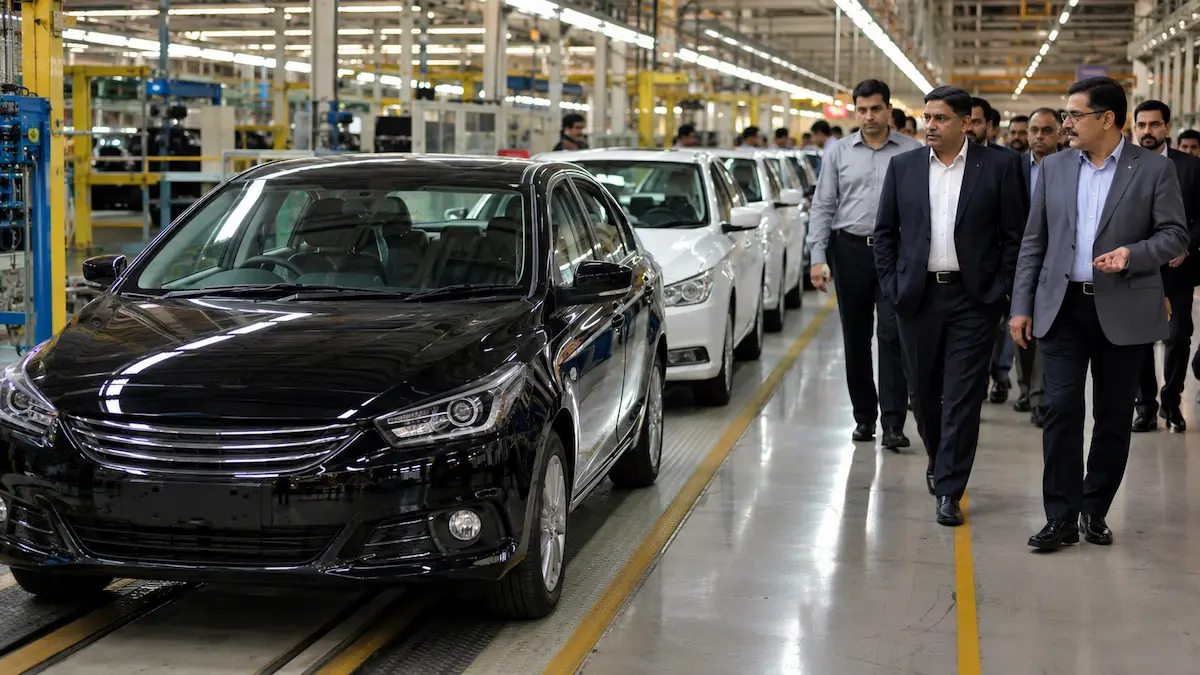
Commercial Vehicles Point to Wider Economic Activity
Truck and bus sales often mirror the health of the broader economy, and FY26 recorded one of the sharpest recoveries among all vehicle categories. Stronger freight, construction and industrial activity likely supported this demand.
Better road infrastructure plays a role here too. Ongoing projects like the M13 and M12 motorway upgrades are expected to further ease freight movement once completed, which could support commercial vehicle demand in coming years.
Hybrid and Electric Vehicles Are Slowly Gaining Ground
Hybrid vehicles still make up a small share of total sales, but interest is growing as fuel costs stay high. Several manufacturers expanded hybrid offerings through local assembly during FY26.
Pakistan’s electric vehicle market remains an early stage story. Charging infrastructure is limited and purchase prices are still steep, but investment plans keep coming in. BYD’s local EV assembly plans are one example of manufacturers preparing for future demand even as adoption stays gradual for now.
Company Performance Across Segments
| Segment | Major Manufacturers | FY26 Trend |
|---|---|---|
| Passenger Cars | Toyota Indus, Honda Atlas, Pak Suzuki | Sales increased as demand recovered |
| SUVs and Crossovers | Sazgar, Toyota, Changan, MG | Strong growth from new local models |
| Motorcycles | Atlas Honda, Yamaha, United, Road Prince | Record annual sales |
| Trucks and Buses | HinoPak, Master Motors, FAW | Commercial demand improved |
What This Means for Buyers
A more competitive market usually brings shorter delivery times, better financing packages and wider spare parts availability. Still, prices will keep depending on the exchange rate, import costs and government taxation.
Buyers should compare total ownership costs, not just the showroom price, before committing to a purchase. Checking warranty terms and after sales service quality also helps avoid costly surprises later.
Risks Ahead for FY27
A weaker rupee could push up production costs since many components are still imported. Global supply chain issues and any reversal in financing conditions could also slow momentum.
According to the State Bank of Pakistan, monetary policy decisions in the months ahead will remain a key factor for consumer financing activity, including auto loans.
Frequently Asked Questions
Why did Pakistan’s auto industry grow in FY26?
Growth came from improved vehicle production, easing supply chain constraints, stronger consumer demand, lower financing costs compared with earlier years, and new model launches across segments.
Which vehicle segment recorded the strongest sales in FY26?
Motorcycles remained the largest segment by volume, with sales reaching around 1.93 million units. Passenger cars and SUVs also posted strong year on year growth.
Are hybrid vehicles becoming more popular in Pakistan?
Yes. Rising fuel costs pushed more buyers toward hybrid models, and several manufacturers expanded local hybrid assembly and new model launches during FY26.
Is Pakistan’s electric vehicle market growing?
The EV market remains small but is expanding. Government policy supports cleaner transport, and manufacturers are gradually introducing electric models along with charging infrastructure.
Could vehicle prices change in FY27?
Vehicle prices depend on exchange rates, import costs, taxes, and manufacturer pricing decisions, so future financing conditions could also influence retail prices.
Which official sources publish Pakistan’s vehicle sales data?
Monthly production and sales figures are published by the Pakistan Automotive Manufacturers Association, with additional data available from the State Bank of Pakistan and the Pakistan Bureau of Statistics.