Pakistan’s Internet Boom in Numbers
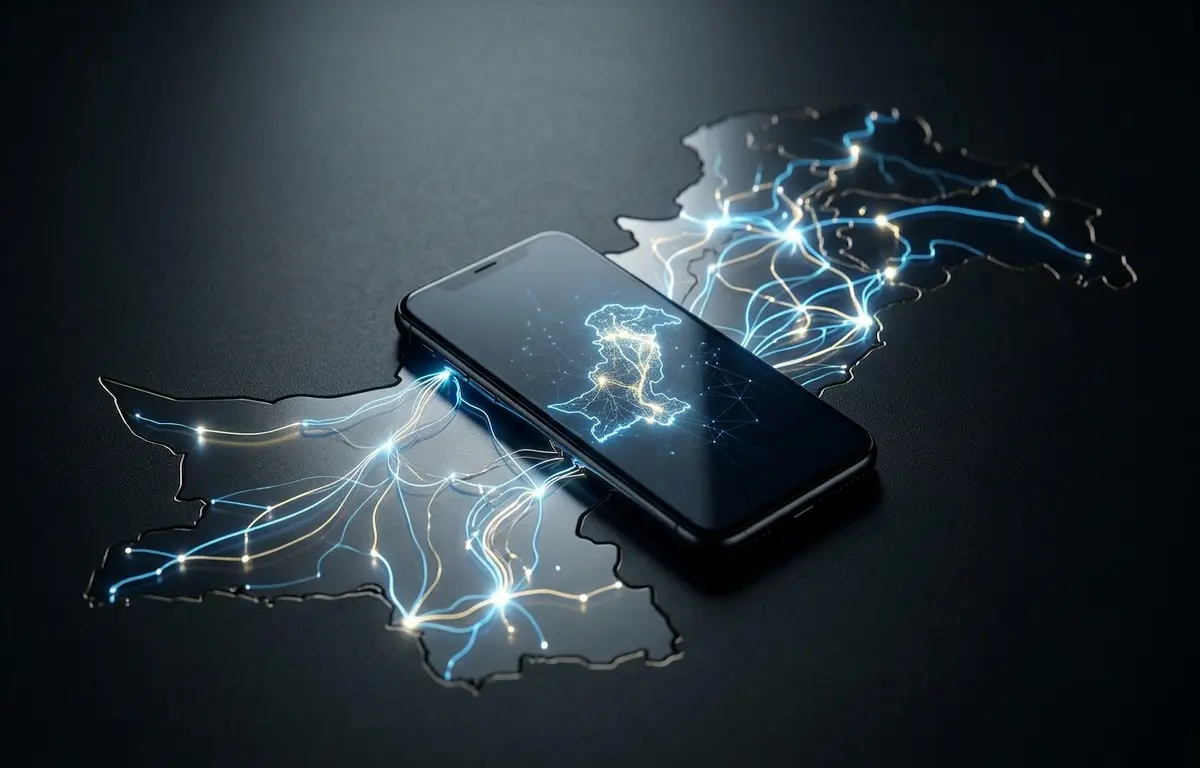
Official survey data shows one of the fastest periods of digital adoption in Pakistan’s recent history. The latest Household Integrated Economic Survey (HIES) 2024–25 published by the Pakistan Bureau of Statistics reveals internet usage and household connectivity have increased substantially.
Individual internet usage jumped from 17 percent to 57 percent. Household internet access grew from 34 percent to 70 percent. Smartphone ownership in households reached 96 percent, compared to around 70 percent just two years ago.
These figures show internet access has moved beyond large urban centers and become far more common across many regions of the country. When seven out of every ten households have internet access, digital services become practical tools for businesses, students, and government.
| Indicator | 2024 Level | 2026 Level |
|---|---|---|
| Individual Internet Usage | 17% | 57% |
| Household Internet Access | 34% | 70% |
| Smartphone Ownership | Around 70% | 96% |
| International Connectivity | Expanding | Major upgrades completed |
| 5G Readiness | Planning stage | Spectrum auction completed |
What Drove This Internet Growth in Pakistan?
Three major factors combined to create this rapid expansion. Better international connectivity, wider smartphone access, and growing demand for digital services all happened at the same time.
Better International Connectivity Changed Everything
Pakistan expanded international internet capacity through new submarine cable projects that connect the country to global internet networks. These systems help improve overall capacity for streaming services, cloud platforms, and online applications used by millions of Pakistanis.
According to the Pakistan Telecommunication Authority (PTA), as international capacity increases, networks become better equipped to handle rising internet traffic. This infrastructure improvement laid the foundation for faster speeds and more stable connections across the country.
Smartphone Ownership Reached a Turning Point
Internet growth almost always follows smartphone growth. When devices become more widely available and affordable, internet adoption naturally increases. Survey findings show smartphone ownership jumped to approximately 96 percent of households, meaning millions of people now have direct access to online services without needing a desktop computer.
This shift matters because it removes a major barrier to connectivity. A simple smartphone becomes the gateway to freelance work, education, banking, and government services.
Digital Services Became More Useful and Practical
Internet access attracts more users when it provides real benefits. Today, Pakistanis rely on digital platforms for online banking, government services, freelancing opportunities, shopping, education, and business communication. As these services expanded and improved, more households chose to stay connected.
How This Internet Boom Is Changing Daily Life
The impact goes far beyond faster browsing speeds. Internet access is reshaping how Pakistanis work, learn, and do business.
Freelancing and Remote Work Opportunities Expanding
Pakistan’s technology and freelance sectors continue to grow rapidly. Reliable internet allows freelancers to meet international clients, upload project files, attend video meetings, and access cloud-based tools. For many workers, connectivity has become a business necessity rather than a convenience.
Workers using platforms for international freelance opportunities benefit significantly from improved internet infrastructure. Better connections mean faster uploads and more reliable communication with global clients, directly boosting earning potential.
Education Access Expanding Across the Country
Students increasingly depend on internet access for research, learning platforms, educational videos, and digital resources. As connectivity improves, educational content becomes accessible to larger populations. Students in smaller towns and rural areas now access the same online learning tools as those in major cities.
E-Commerce and Small Business Growth
Online marketplaces continue expanding across Pakistan. Small businesses can now reach customers through social media, websites, and e-commerce platforms without opening physical branches. Internet access supports both entrepreneurship and consumer activity in ways that were impossible just two years ago.
When exploring budget-friendly internet options to support online business, many entrepreneurs check Pakistan’s best and cheapest internet packages to find solutions that fit their business budgets.
Five Visible Changes Pakistanis Are Experiencing Right Now
Faster Access to Government Services
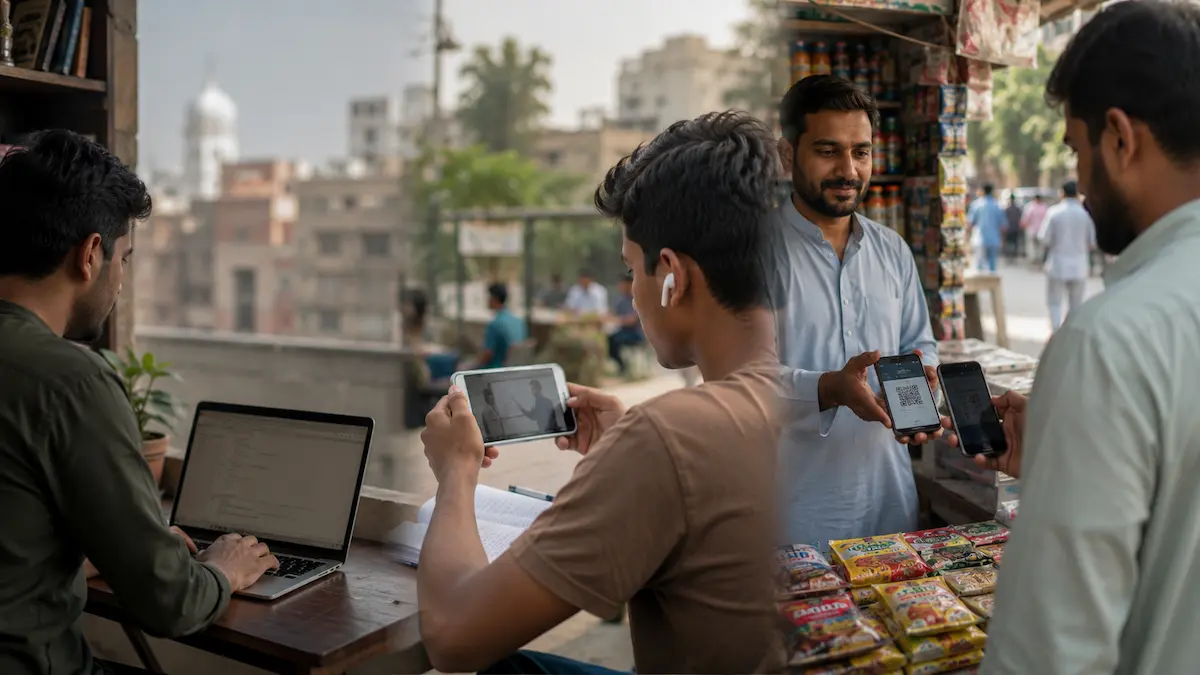
Many public services now offer online options. Citizens can access information and complete certain processes digitally through NADRA Pakistan and other government platforms, saving time and reducing the need for in-person visits.
Digital Payments Becoming Mainstream
Mobile banking and digital payment systems have become far more common. The State Bank of Pakistan Digital Payments Initiative continues supporting digital financial services, making online transactions safer and more convenient for everyday users.
More Freelancing Opportunities for Workers
Better connectivity helps Pakistani workers participate in international digital markets. Those looking to improve their internet setup often research PTA’s plans to fix slow internet and understand ISP improvements that affect their work reliability.
Stronger Online Learning Options
Students can access educational content more easily than before. Digital textbooks, video lectures, and online courses now reach students in areas where physical libraries and schools have limited resources.
Expansion of Online Shopping and E-Commerce
Consumers increasingly use mobile devices to compare products, place orders, and make payments. Online shopping has shifted from an urban phenomenon to a nationwide activity.
Challenges That Still Need Solving
Despite strong progress, several issues continue affecting internet connectivity across Pakistan.
Rural Coverage Gaps Remain
Internet access has improved nationwide. However, network quality can vary significantly between urban and rural areas. Many remote regions require additional infrastructure investment to achieve the same service quality available in larger cities.
Device Affordability Still Matters
Although smartphone ownership has increased, newer devices capable of supporting future technologies like 5G remain expensive for many households. Cost barriers still prevent some families from upgrading to better-equipped devices.
Network Quality and Stability Issues
Coverage alone is insufficient. Users also expect stable connections, consistent speeds, and reliable service during peak hours. For those experiencing slower connections, budget-friendly internet devices tested in Pakistan can provide alternative solutions.
Why This Internet Growth Matters Beyond Speed
The real story is not just about more internet users. The bigger story is how internet access is changing economic participation and opportunity.
Pakistan is moving through three stages of digital development at the same time. First, access—more people getting online. Second, adoption—more people using digital services. Third, opportunity—more people earning and learning online.
This shift affects education, entrepreneurship, digital exports, financial inclusion, and government efficiency. Connectivity is becoming part of Pakistan’s economic infrastructure. Internet growth is now a development story, not just a technology story.
What Comes Next for Pakistan’s Internet
Several developments could shape Pakistan’s digital future during the coming years. Expansion of fiber broadband networks, wider 5G deployment, growth in digital payments, increased cloud services use, and expansion of online government platforms all remain priorities.
The next phase will focus less on simply adding users and more on improving quality, speed, reliability, and access to digital opportunities across all regions.
Frequently Asked Questions
How many Pakistanis currently use the internet?
The latest Household Integrated Economic Survey found internet usage reached 57 percent of individuals surveyed, compared to just 17 percent in 2024.
Why has internet access increased so quickly in Pakistan?
The main drivers include greater smartphone ownership reaching 96 percent, improved telecom infrastructure, growing digital services, and increased demand for online work, education, and e-commerce.
Is Pakistan preparing for 5G technology?
Yes. Pakistan has completed important spectrum-related steps, and future deployment plans continue to be discussed by telecom authorities and policymakers.
How does better internet help Pakistan’s economy?
Improved connectivity supports freelancing, e-commerce, digital payments, online education, technology exports, and business productivity across the country.
What remains the biggest challenge for internet connectivity?
Rural connectivity gaps, device affordability, and network quality remain important challenges despite recent progress in urban and semi-urban areas.
What major infrastructure changes happened between 2024 and 2026?
New submarine cable projects increased international connectivity capacity, mobile operators expanded network coverage significantly, and smartphone adoption reached record highs across households nationwide.