Pakistan’s New Solar Net Metering Policy Explained: What Changed in 2026 and Why It Matters
Pakistan has quietly made one of the biggest changes to its solar net metering policy in recent years. In January 2026, the National Electric Power Regulatory Authority (NEPRA) confirmed plans to shift future rooftop solar users away from traditional net metering and toward a net billing (gross metering) system.
For millions of households considering solar, this decision directly affects monthly bills, payback time, and system design.
This guide explains the new solar net metering policy in Pakistan in simple language — what changed, why the government did it, and how it impacts the common man.
Table of Contents
- What exactly changed in the new policy
- Net metering vs net billing: explained simply
- Who is protected and who is affected
- Impact on solar savings and payback time
- Why the government changed the rules
- Key regulatory changes (tenure, size, licensing)
- What households should do now
- How this may reshape Pakistan’s solar market
- What happens next
- Frequently asked questions
What exactly changed in Pakistan’s solar net metering policy?
Until now, Pakistan followed classic net metering, introduced under NEPRA’s 2015 regulations. Under that system, exported solar units nearly matched imported units in value.
That system is now being phased out for new applicants.
According to NEPRA’s draft Prosumer Regulations 2025, released for consultation in January 2026:
- New rooftop solar users will not get unit-for-unit net metering
- Electricity taken from the grid will be billed at full retail tariff
- Extra solar power sent to the grid will be bought at a fixed, much lower rate
- Agreement terms will be shorter, allowing future revisions
NEPRA’s official notice and draft rules are available on its website: https://www.nepra.org.pk
Major Pakistani news outlets such as Dawn, Business Recorder, and ProPakistani have confirmed these changes through regulatory briefings and policy coverage.
Net metering vs net billing: the difference in plain English
This is the most important part to understand.
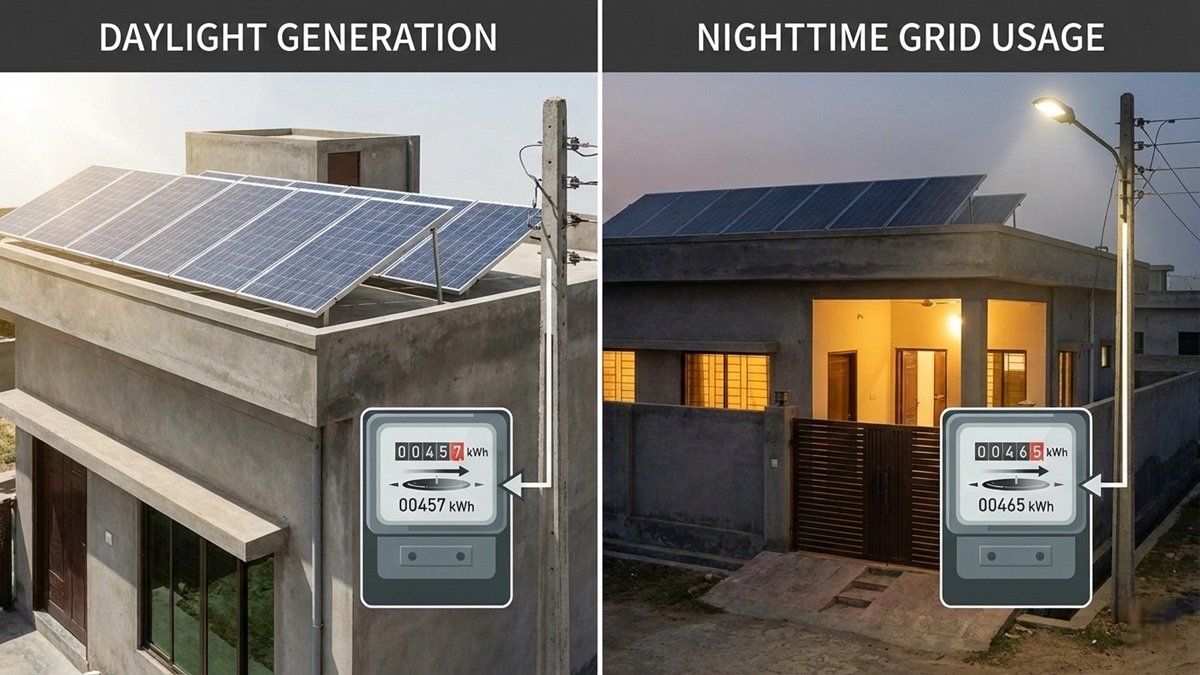
Old system: Net metering
- Your exported solar units cancelled your imported units
- One exported unit ≈ one imported unit
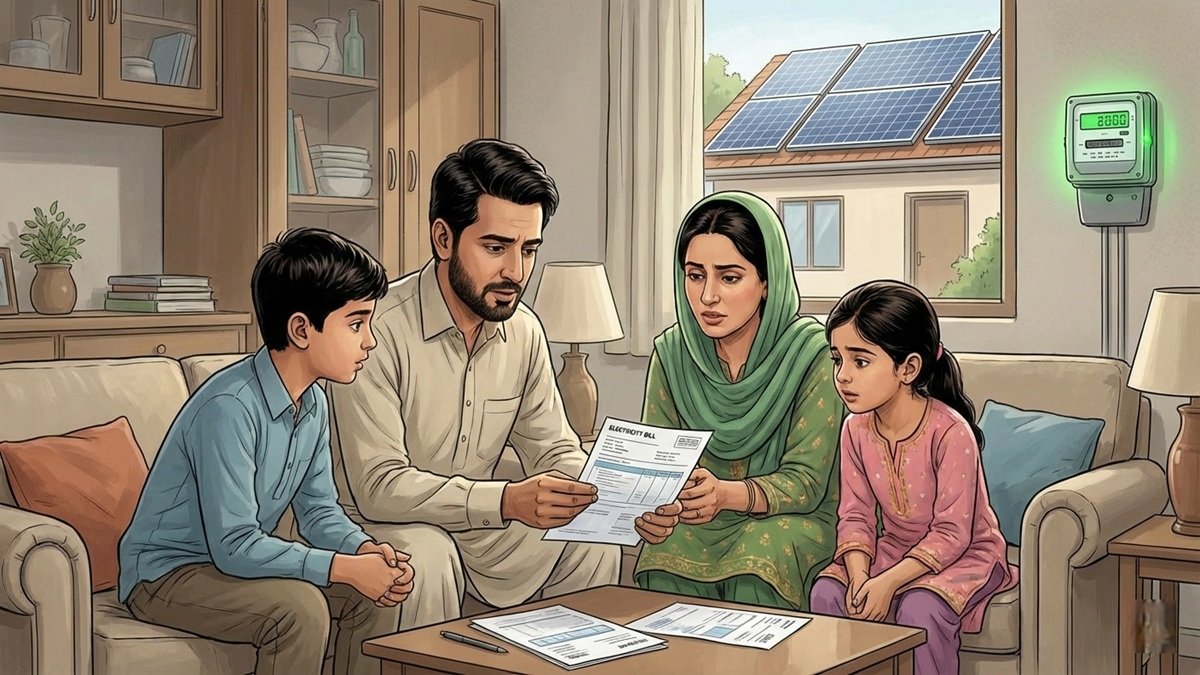
- Many households achieved near-zero bills
New system: Net billing / gross metering
- You buy grid electricity at full tariff (often Rs55–65/unit)
- You sell surplus solar electricity at about Rs11.30–11.33/unit
- Imports and exports are calculated separately
NEPRA links the export rate to the average energy purchase price, not consumer tariffs. This approach is outlined in the draft regulations and explained in policy coverage by Dawn.
| Feature | Old Net Metering | New Net Billing |
|---|---|---|
| Export value | ≈ Import value | Rs11.30–11.33/unit |
| Import cost | Full retail tariff | Full retail tariff (Rs55–65/unit) |
| Zero bill possible? | Yes | Unlikely |
| Payback period | 4–5 years | 6–10 years |
| Best for | Export-heavy systems | Self-consumption systems |
Who is protected — and who is affected?
Existing net metering users
If you already have an approved net metering agreement, current signals suggest you are protected until contract expiry.
This means:
- Existing buyback rates remain valid
- No immediate change to your billing method
- Transition likely only at renewal
This “grandfathering” approach has been reported consistently by Business Recorder and discussed in NEPRA hearings.
New rooftop solar applicants
If you apply after the new rules take effect:
- Net metering will no longer apply
- Export credits will be much lower
- “Zero bill” setups become unrealistic
For new users, solar savings now depend mostly on how much power you use during the day, not how much you export.
Impact on solar savings and payback time
This policy changes the economics of rooftop solar.
| Metric | Under Old Policy | Under New Policy |
|---|---|---|
| Typical payback | 4–5 years | 6–10 years |
| Oversized systems | Made financial sense | Lose value |
| Key factor | Export capacity | Self-consumption |
Energy analysts quoted in Business Recorder note that solar electricity is still cheaper than grid power in the long run — but returns are slower and more usage-dependent.
Why did the government change the solar net metering policy?
Financial pressure on DISCOs
NEPRA and the Ministry of Energy argue that rapid net metering growth created problems:
- DISCO sales dropped
- Grid costs stayed fixed
- Capacity payments to IPPs continued
According to official power sector discussions, this contributed to Pakistan’s long-standing circular debt problem, which exceeds trillions of rupees.
Ministry updates and power sector data are available via: https://www.energy.gov.pk
The fairness argument
Officials say net metering allowed wealthier households to reduce bills sharply while still relying on the grid as backup.
Their view: People without solar — often lower-income users — indirectly carried grid costs.
NEPRA frames net billing as a “balanced” model that still rewards solar, but avoids heavy cross-subsidies.
Key regulatory changes you should know
Shorter agreement duration
- Reduced from ~7 years to 5 years
- Allows quicker rate revisions
Capacity limits
- Solar size capped at 100% of sanctioned load
- Earlier 150% allowance removed
Licensing rules
- NEPRA licensing expanded to smaller systems
- Applies up to 1 MW installations
Full draft rules are available on NEPRA’s official portal.
What does this mean for ordinary households?
1. Daytime usage matters more than ever
Homes with daytime activity — home offices, shops, or active households — still benefit most. Night-heavy users see slower returns.
2. Oversizing no longer makes sense
Installing extra panels just to export power is now risky. Smaller, usage-matched systems offer better value.
3. Batteries become more attractive
Low export rates make energy storage more useful. Industry experts cited in Dawn expect strong growth in hybrid and battery systems.
4. Expect “lower bills,” not zero bills
Solar still cuts electricity costs. However, the realistic goal now is bill reduction, not elimination.
For those looking to understand digital verification systems and modern technology applications in Pakistan, you might find these resources helpful: Facial Recognition for Currency Exchange in Pakistan and NADRA Facial Recognition CNIC Verification.
How this policy may reshape Pakistan’s solar market
Instead of stopping solar growth, the policy may change its direction:
- More self-consumption-focused designs
- Growth in battery and hybrid systems
- Community-level solar projects
- Pressure for time-of-use tariffs and smart grids
Energy experts argue that without grid upgrades and storage incentives, rooftop solar growth could slow — a concern highlighted in clean-energy opinion pieces in Dawn.
What happens next?
February 6, 2026: NEPRA public hearing
Stakeholder feedback may adjust details. Final regulations expected afterward.
Consumers should monitor updates via:
- NEPRA website
- Their local DISCO
- Trusted outlets like Dawn and Business Recorder
Additionally, for those interested in utility services and applications in Pakistan, you may want to explore: How to Apply for Sui Gas New Connection Online (SNGPL).
Frequently Asked Questions
Is solar still worth installing in Pakistan?
Yes, but design matters. Systems must match your usage. Homes with daytime activity still benefit most, though the payback period has extended from 4-5 years to 6-10 years under the new policy.
Will existing net metering users lose benefits?
Not immediately. Most remain protected until contract expiry. Existing buyback rates remain valid with no immediate change to billing method.
Why is the export rate so low?
It is linked to average generation costs (around Rs11.30-11.33/unit), not consumer tariffs (Rs55-65/unit). NEPRA bases the export rate on the average energy purchase price.
Could tariffs rise again?
Historically, electricity tariffs in Pakistan have increased over time, which may still improve solar economics despite the lower export rates under the new policy.
What size solar system should I install under the new policy?
Focus on matching your daytime consumption rather than oversizing for exports. A professional energy audit can help determine the optimal system size for your household.
Are battery storage systems worth the investment now?
Yes, battery systems are becoming more attractive under the new policy as they allow you to store excess solar energy for nighttime use rather than exporting it at low rates.
When will the new policy officially take effect?
The final regulations are expected after the NEPRA public hearing on February 6, 2026. The exact implementation date will be announced following stakeholder consultations.
Can I still apply for net metering before the new rules take effect?
Applications submitted and approved before the final regulations take effect may still qualify for traditional net metering, though this depends on your local DISCO’s processing timeline.
How does this affect commercial solar installations?
Commercial establishments with high daytime electricity consumption may still benefit significantly, as they can utilize most of their solar generation during business hours.
What happens to my solar investment if tariffs change?
Solar systems typically have a 25-year lifespan. Even with current policy changes, most installations will provide long-term savings, though the payback period has extended.
Final takeaway
Pakistan’s new solar net metering policy does not end rooftop solar — but it ends easy profits from exporting electricity.
The future belongs to efficient homes, smart system sizing, and informed consumers.
Disclaimer
Information Accuracy: This article is based on publicly available information from NEPRA, government sources, and credible news outlets as of February 2, 2026. Policies and regulations are subject to change. Readers are advised to verify current regulations with NEPRA and their local DISCO before making solar investment decisions.
Financial Advice: This article is for informational purposes only and does not constitute financial, legal, or investment advice. Consult with qualified professionals before making solar installation decisions.
External Links: Links to external websites are provided for convenience and information purposes only. Pakistan News Desk does not endorse or control the content of these external sites.