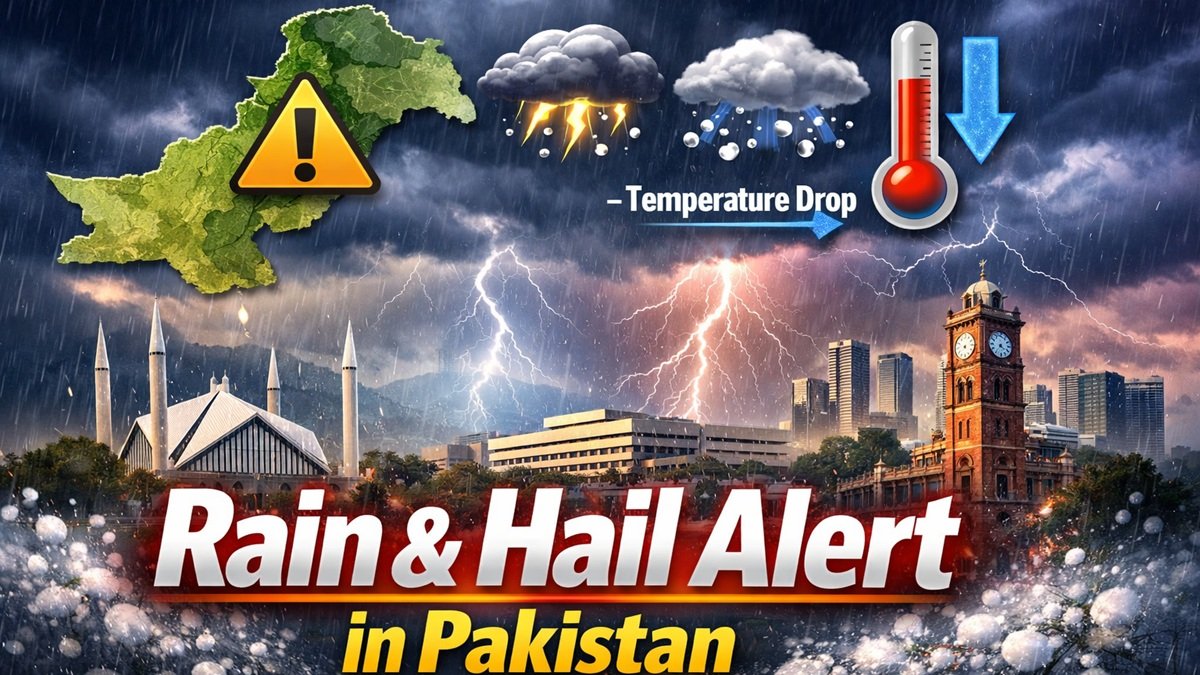
Pakistan Weather Alert: Rain, Thunderstorms, and Hail Expected – Complete 15-Day Forecast Guide (March 14–28, 2026)
Pakistan’s weather is shifting quickly this weekend. A strong western disturbance has entered the country. It brings rain, thunderstorms, snowfall in mountains, and possible hailstorms in several northern regions. Cities like Islamabad, Rawalpindi, and Lahore may see moderate rain between March 14 and March 16. Southern regions like Karachi and Balochistan will stay hot and dry. This guide covers everything you need to know for the next 15 days.
📋 Table of Contents
- Pakistan Weather Alert: What Is Happening Now
- Why This Westerly Weather System Matters
- Regions Most Likely to Receive Rain
- 15-Day Weather Outlook Across Pakistan
- Impact on Punjab and Lahore Agriculture
- Karachi 15-Day Temperature Forecast
- Landslide Risks in Gilgit-Baltistan
- Karakoram Highway Travel Advisory
- Thunderstorm and Hail Safety Tips
- Local Impact in Rawalpindi and Islamabad
- Comparison With Previous March Weather
- What Happens After March 17
- Key Weather Facts Summary
- Frequently Asked Questions
Pakistan Weather Alert: What Is Happening Now
A western disturbance, also called a westerly wave, is currently moving across Pakistan from Afghanistan and Iran. Such systems are common during late winter and early spring. They usually bring rain to plains and snowfall to northern mountains.
According to the Pakistan Meteorological Department forecast bulletin:
- Rain and thunderstorms are expected from March 14 to March 16
- Snowfall is possible in mountains above 2,000 to 2,500 meters
- Some areas may experience hailstorms and strong winds
- Daytime temperatures may fall by 3 to 4°C
Cities such as Rawalpindi and Islamabad may see cloudy skies followed by rain showers over the weekend. Regular monitoring helps people prepare for sudden weather changes and travel disruptions.
Why This Westerly Weather System Matters
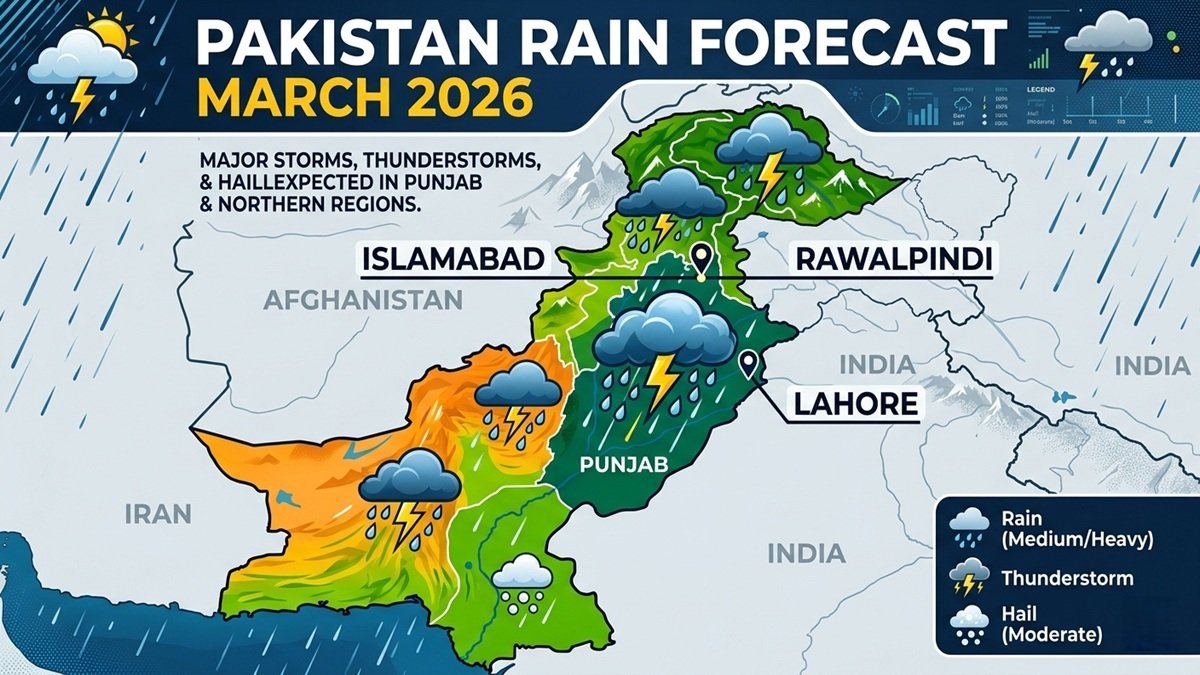
Seasonal rain plays a vital role in Pakistan’s agriculture and water supply.
Westerly weather systems play a key role in Pakistan’s water supply, agriculture, and climate balance. These systems normally arrive between February and April.
What These Systems Do for Pakistan
- Provide rainfall for crops
- Add snow to mountain glaciers
- Recharge rivers and reservoirs
Reports from the Pakistan Ministry of Climate Change indicate that Pakistan has experienced longer dry spells during winter, sudden heavy rainfall events, and increasing temperature variability in recent years.
Because February 2026 remained unusually dry in many districts of Punjab, this rain system may improve soil moisture before the summer heat begins. That is why meteorologists consider this weather change important for both farmers and water resources.
Regions Most Likely to Receive Rain
The impact of this weather system will vary across Pakistan. Northern and central regions will experience the most rainfall. Southern areas remain mostly dry.
| Region | March 14–16 | March 17–28 |
|---|---|---|
| Upper KP, Gilgit-Baltistan, Kashmir | Rain, snow, thunderstorms | Gradual clearing |
| Punjab (Rawalpindi, Lahore, Islamabad) | Moderate rain, possible hail | Sunny and warmer |
| Sindh and Balochistan | Mostly dry | Hot and dry |
Emergency weather updates are also issued by the National Disaster Management Authority (NDMA). This coordination helps authorities prepare for flooding, landslides, or road closures.
15-Day Weather Outlook Across Pakistan
Weather experts divide the coming two weeks into two clear phases. Understanding both helps you plan ahead.
⛈️ Phase 1: Rain System (March 14–16)
- Moderate rain in northern regions
- Thunderstorms and isolated hail
- Snowfall in mountains
- Cooler temperatures
☀️ Phase 2: Dry Period (March 17–28)
- Skies gradually clear
- Temperatures begin rising again
- Mostly dry weather returns
- Lahore back to 27–30°C
Interestingly, rainfall often reduces urban smog levels temporarily. Rain washes dust particles from the air, improving visibility. Residents can track live air-quality data through IQAir Pakistan.
Impact on Punjab and Lahore Agriculture
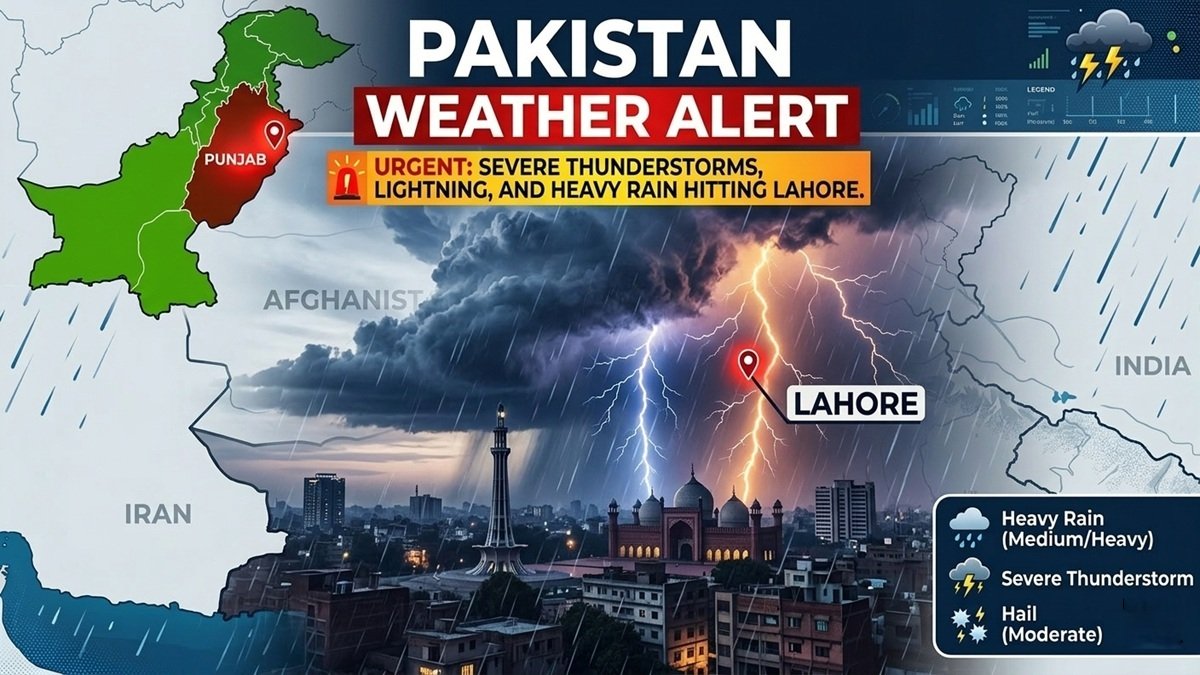
Punjab’s wheat crop is approaching harvest season. Rain can help or harm depending on timing.
Weather changes during March are critical for farmers in Punjab. The province produces the majority of Pakistan’s wheat crop, which is approaching harvest season.
According to the Punjab Agriculture Department, wheat covers about 80 percent of rabi crop area in Punjab. Harvest typically begins in late March and April.
Possible Benefits for Farmers
- Soil moisture supports grain development
- Farmers may save irrigation costs
- Rain improves soil nutrients
⚠️ Possible Risks for Crops
- Hailstorms can flatten wheat plants
- Excess moisture increases fungal diseases
- Strong winds may damage crops
💡 Expert Tip: Agricultural experts recommend farmers harvest fully mature wheat before heavy rain if possible. Early action reduces crop loss risk significantly.
Also read: Pakistan Weather April Heatwave: PMD Forecast
Karachi 15-Day Temperature Forecast
While northern Pakistan receives rain, the coastal city of Karachi will remain hot and dry. Weather forecasts indicate temperatures above 36°C during most of the next two weeks.
| Date | High | Low | Conditions |
|---|---|---|---|
| Mar 14 | 38°C | 24°C | Hot, breezy |
| Mar 15 | 39°C | 24°C | Hazy sunshine |
| Mar 16 | 38°C | 25°C | Warm winds |
| Mar 17–20 | 36–37°C | 25–26°C | Partial clouds |
| Mar 21–28 | 36–39°C | 26–27°C | Dry conditions |
Sea breezes usually cool evenings slightly. Still, humidity remains high. Residents should drink enough water and avoid long outdoor exposure during peak heat. Reliable daily forecasts can be checked on AccuWeather.
Landslide Risks in Gilgit-Baltistan

Mountain areas in Gilgit-Baltistan face elevated landslide risk during heavy rainfall and snowmelt. (Photo: Pexels)
Mountain areas face the biggest risks during heavy rain and snowfall. Districts in Gilgit-Baltistan may experience landslides and avalanches, especially in high-altitude valleys.
⚠️ High-Risk Districts
- Diamer
- Hunza
- Astore
- Skardu
- Ghizer
Roads above 2,500 meters elevation may become slippery or blocked by falling rocks.
Travelers and tourists should monitor alerts through the NDMA alerts page. This helps prevent accidents and allows authorities to respond quickly.
Karakoram Highway Travel Advisory
The famous Karakoram Highway connects Pakistan with China and passes through high mountains. During storms, the road becomes vulnerable to rockfalls and landslides.
Authorities have not reported major closures yet. However, the NDMA advises travelers to remain cautious. Important precautions include:
- Check weather updates before travel
- Avoid night travel in mountain areas
- Keep emergency supplies in vehicles
In past weather events, landslides have blocked sections of the highway for up to two days.
Thunderstorm and Hail Safety Tips
Storms can develop quickly during western disturbances. Safety precautions are essential.
⛈️ Thunderstorm Safety
- Stay indoors or inside vehicles
- Avoid electrical appliances and plumbing
- Keep away from open fields or tall trees
🌨️ Hailstorm Safety
- Move indoors immediately
- Protect vehicles under shelter
- Stay away from windows
Drivers should pull over safely if hail becomes intense. Emergency safety advice is available from the National Disaster Management Authority.
Local Impact in Rawalpindi and Islamabad
Residents in Rawalpindi and Islamabad may experience several noticeable changes this weekend.
Typical Impacts During Rain
- Cooler daytime temperatures
- Reduced air pollution after rainfall
- Water accumulation in low-lying streets
Urban drainage channels, locally called nullahs, can rise quickly after heavy rain. Municipal authorities often monitor these areas closely during storms. Citizens should stay informed through local government announcements.
Also read: Eid ul Fitr 2026: Moon Sighting Date in Pakistan
Comparison With Previous March Weather
Historically, March weather in Pakistan has always been variable. Climate averages suggest an average March temperature around 21°C and nationwide rainfall of about 100 mm.
Researchers say rainfall patterns have changed in recent years. Studies published through international climate programs show greater variability across South Asia. Some years bring very dry conditions. Others experience sudden heavy rain events. This trend reflects the wider influence of climate change on regional weather patterns.
What Happens After March 17
After the rain system moves east, weather conditions should gradually stabilize.
Post-System Forecast (March 17 Onwards)
- Sunny periods across Punjab
- Rising temperatures again
- No major rain systems immediately afterward
This will help farmers continue harvesting crops and allow outdoor activities to resume.
However, meteorologists still advise monitoring weather forecasts because spring weather can change quickly. Check the PMD official website for daily updates.
Also read: Fitrana and Fidya Rates Pakistan 2026 Guide
Key Weather Facts Summary
Frequently Asked Questions
Why This Weather Update Matters
Weather alerts like this affect daily life, farming, transport, and tourism across Pakistan. Rainfall may bring cooler temperatures and relief from dry conditions, especially in northern cities. However, storms may also create short-term hazards such as hail damage, flash floods, and landslides. Residents in cities like Rawalpindi and Islamabad should stay updated and plan activities carefully. Following updates from trusted agencies such as the Pakistan Meteorological Department and the National Disaster Management Authority helps ensure public safety during rapidly changing weather conditions. Reliable information and early preparation remain the best protection during severe weather events in Pakistan.