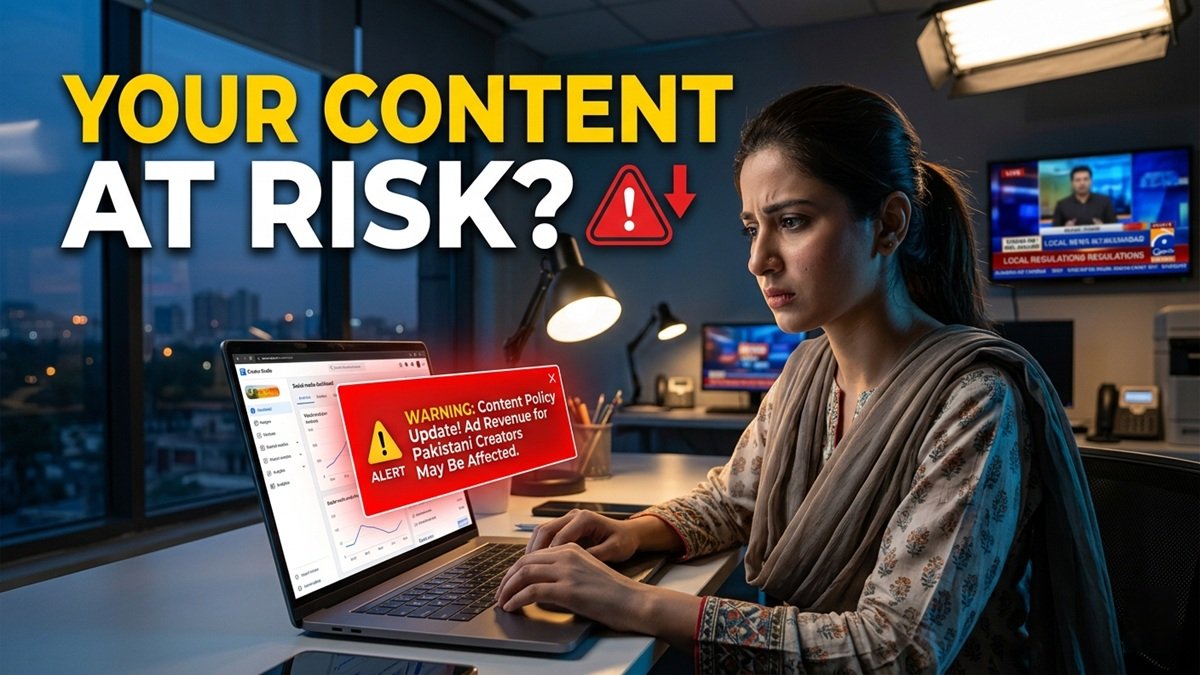
Pakistan Social Media Authority 2026 is becoming a hot topic. People want simple answers. What changes? Who gets affected? And what should you do right now?
In plain terms: the government wants faster control over harmful content online. But this also means new rules for creators, freelancers, and everyday users. Read on. It is all broken down here.
What Is the Pakistan Social Media Authority 2026?
The proposed authority will work with or under the Pakistan Telecommunication Authority (PTA). Think of it as a digital watchdog with real teeth. Its job is simple but powerful.
- Monitor social media platforms around the clock
- Remove harmful or illegal content faster
- Handle complaints from everyday users
- Enforce digital laws in near real time
Earlier, a removal could take days. Soon, it may happen in hours. Pakistan is moving toward real time digital monitoring. This is a big shift. For an overview of PTA’s existing rules, visit the official PTA website.
This is also connected to Pakistan’s growing digital economy. Just last year, the country pushed hard on tech infrastructure. If you missed it, read our earlier piece on Pakistan’s 5G rollout and what it means for users.
Why This Policy Is Coming Now
Pakistan’s internet use is growing fast. Very fast. According to data from the Pakistan Bureau of Statistics:
- Internet users now exceed 120 million
- Social media usage rises every single year
- Online fraud and fake news cases are both climbing
At the same time, global pressure is real. The UK, EU, and other regions already regulate platforms strictly. Pakistan is now aligning with these global digital governance trends. This is not random. It was always coming.
What Content Can Be Blocked?
This is the part most people want to know. Based on PTA rules and policy drafts, here is what may be removed.
Illegal Content
- Terror related material
- Hate speech of any kind
- Content that threatens national security
False or Misleading Information
- Fake news and fabricated stories
- Edited or misleading videos
- Viral rumors with no proof
Sensitive and Abusive Content
- Explicit material
- Content against cultural or religious norms
- Spam networks and coordinated misinformation
One concern stands out. If the rules are unclear, normal users may accidentally face consequences too. That is why the implementation details matter so much.
Who Will Be Affected Most?
Not everyone will feel the same impact. Here is a clear breakdown.
Content Creators
YouTubers and TikTok creators face stricter checks. Even small content errors could lead to penalties. Platform policies like TikTok’s Transparency Centre already outline what gets removed globally.
Journalists
Digital reporting may require more verification. Errors could result in fast content removal. Speed and accuracy will both be essential.
Freelancers
Pakistan’s freelance economy depends on platforms. Any restriction can hit income directly. This is a key concern for younger workers in cities like Rawalpindi, Lahore, and Karachi.
General Users
Regular users may see posts removed faster. Most will be fine if they share verified content. But the pace of moderation will noticeably increase.
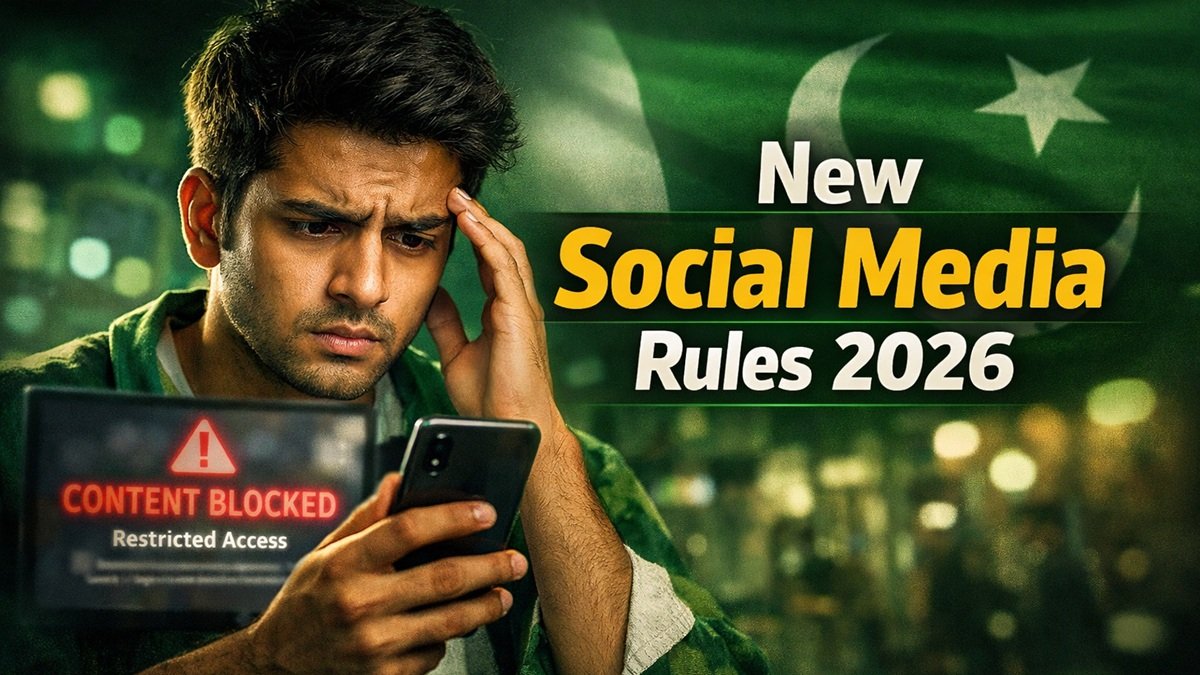
Pakistan’s growing freelance community could be significantly impacted by new platform rules
Related: Pakistan recently updated its approach to digital finance too. See our full coverage of the Virtual Asset Act and Pakistan’s crypto bill for more context on regulatory shifts.
Step by Step Guide for Users and Creators
Here is a practical safety plan. Follow these steps to protect your online presence.
- Verify news before sharing. If you cannot find a second source, do not post it.
- Avoid reposting without credit. Always mention where the content comes from.
- Follow platform rules carefully. Review TikTok, YouTube, and Meta guidelines regularly.
- Keep backups of important content. Store your best posts offline or on cloud storage.
- Check PTA updates regularly at pta.gov.pk.
- Use appeal systems if content is wrongly removed. Most platforms have a review process.
Timeline and Policy Background
This did not come out of nowhere. Pakistan has tightened digital rules steadily over the past decade. The Ministry of IT and Telecommunication has been part of this process throughout.
- 2016: Cybercrime law introduced
- 2020: Social media rules updated
- 2024: Policy discussions started
- 2026: Expected rollout phase begins
This shows a clear, consistent shift toward stronger digital control. The 2026 authority is not a surprise. It is the next step in a long process.
Comparison With Past Regulations
| Feature | Past Rules | New Authority 2026 |
|---|---|---|
| Action Speed | Slow (days) | Faster (hours expected) |
| Monitoring | Limited | Expanded and continuous |
| Complaints | Manual process | Digital system expected |
| Enforcement | Uneven | Stronger and more structured |
Enforcement is clearly becoming more structured and more active than ever before.
Data and Statistics Context
Pakistan’s digital economy is expanding fast. Some key numbers to keep in mind:
- Over 70 percent of youth actively use social media
- Freelancers earn significant foreign income through digital platforms
- Online businesses are growing in every major city
- Cybercrime cases are rising. Fake news spreads fast during major events.
These numbers explain why regulation is now a clear government priority. More data is available at nr3c.gov.pk.
Expert Opinions and Industry Reaction
Experts are split on this. And that is actually healthy.
A policy expert from the Sustainable Development Policy Institute says stronger regulation is necessary. But transparency is critical. Without it, enforcement becomes arbitrary.
Tech experts believe platforms will adjust their local policies quickly. Creators may face more pressure in the short term.
Legal analysts strongly suggest independent oversight to prevent misuse of the new authority’s powers.
Global context matters here too. According to research by the Reuters Institute for the Study of Journalism, countries that rush digital regulation without public consultation often face pushback and legal challenges later. Pakistan has a chance to get this right from the start.
Impact on Businesses and Freelancers
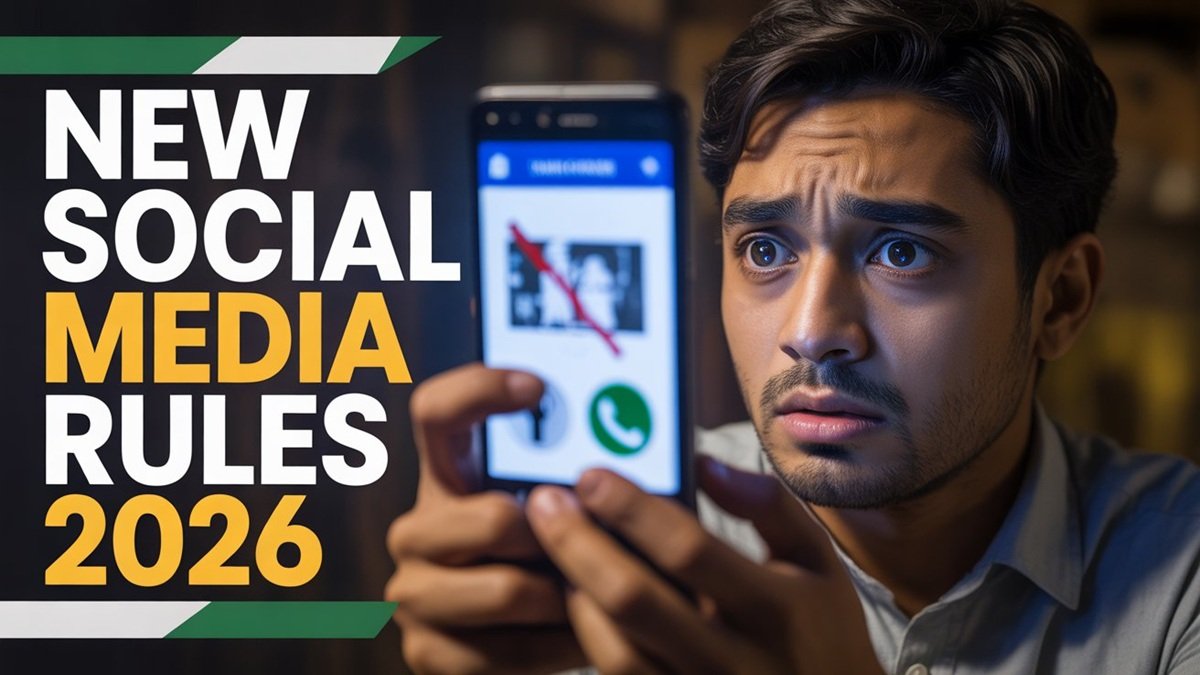
Small businesses and content creators will need to adapt quickly to the new regulatory landscape
Pakistan’s freelance sector is growing fast. Many people earn through YouTube, TikTok, and online service platforms. With new rules in place:
- Content approvals may become stricter
- Ad revenue may fluctuate during policy adjustments
- Brand partnerships may require compliance documentation
On the flip side: safer platforms may attract more advertisers. If the policy is applied fairly, a cleaner digital environment can actually help businesses grow their audience trust over time.
Local Pakistani Context and Public Concerns
Public opinion across Pakistan is genuinely mixed right now.
Some people support action against fake news. They want cleaner online spaces and faster response to abuse.
Others worry about freedom of expression, over blocking of legitimate content, and weak appeal systems that leave creators with no recourse.
In business hubs like Karachi, many small businesses rely entirely on social media for customer reach. Any restriction could hit income immediately and directly.
Key Facts Summary
| Topic | Key Point |
|---|---|
| Purpose | Control harmful content online |
| Regulator | PTA expected to lead |
| Most Affected | Creators and freelancers |
| Key Risk | Over regulation and vague rules |
| Key Benefit | Safer, cleaner digital spaces |
What Happens Next?
The policy is still evolving. The next steps will likely include a draft approval, public consultation period, and then a phased rollout. Updates will appear on pta.gov.pk as the process moves forward.
FAQs
What is Pakistan Social Media Authority 2026?
It is a proposed system to monitor and regulate online platforms and social media content in Pakistan, likely operating under the PTA.
Can content be blocked instantly?
Yes. Faster action systems are expected. Response time may shrink from days down to hours.
Will freelancers be affected?
Yes. Platform restrictions and tighter content rules may impact income and reach for those who work online.
How can users stay safe?
Verify content before sharing. Follow platform rules. Keep backups. Use appeal systems when needed.
Is this policy currently active?
No. It is still under discussion and may roll out in stages across 2026.
Will normal users also be affected?
Regular users who share verified content and follow platform rules should be mostly fine. The biggest impact will be on creators and businesses with large audiences.