Pakistan Weather Alert: PMD Warns of Strong April Heatwave – What It Means for You
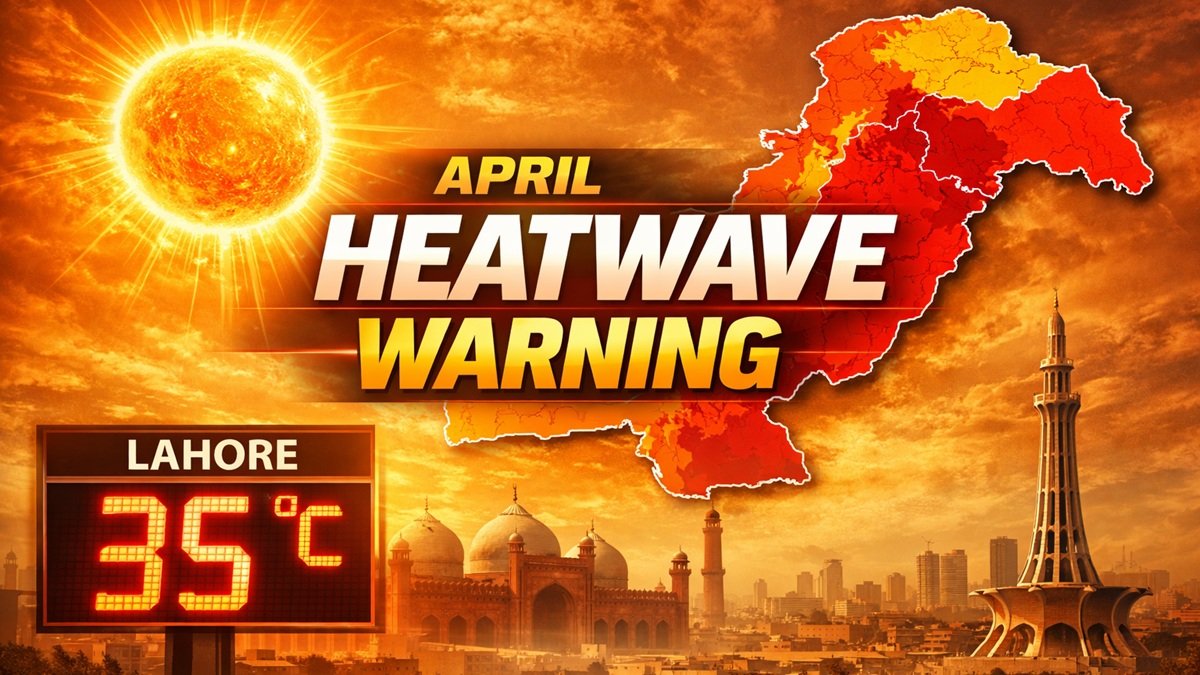
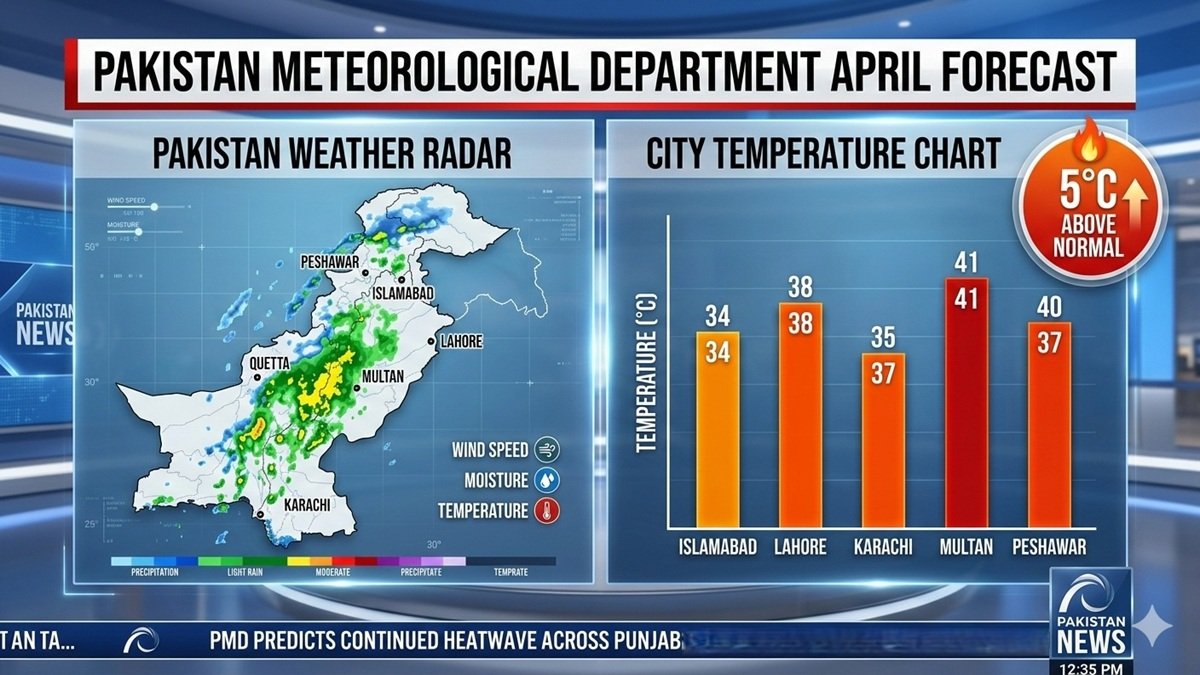
Pakistan is entering a hotter than normal April. The latest Pakistan weather forecast shows temperatures may rise up to 5°C above average in many regions. The Pakistan weather radar already shows dry conditions spreading across Punjab and Sindh.
According to the Pakistan Meteorological Department, a heatwave is expected to build gradually during April. This is not peak summer yet. However, early heat can be more dangerous. People are simply not ready for it.
Whether you are checking Pakistan weather today, weather tomorrow, or looking for Weather forecast Lahore and Weather Karachi — this update is important for you.
📋 Table of Contents
- March Weather Review: What Changed
- April Heatwave Forecast Explained
- City Wise Weather Outlook
- Why Early Heatwaves Are Risky
- Health Risks and Safety Guide
- Impact on Wheat, Crops, and Food Prices
- Climate Change and Urban Heat
- Government Preparedness and Response
- Practical Steps for Households
- What Happens Next
- Frequently Asked Questions
March Weather Review: A Faster Than Usual Warm-Up
March 2026 showed a clear warming trend.
Day temperatures in Islamabad and Rawalpindi averaged near 26°C earlier in the month. By late March, many cities in Punjab recorded 29 to 32°C. Rainfall remained uneven. Northern Khyber Pakhtunkhwa saw scattered showers. Punjab experienced below normal rainfall.
Dry and cracked soil across central Pakistan signals an early onset of heat stress. (Photo: Pexels)
The official monthly outlook from the Pakistan Meteorological Department confirms patchy rain and rising temperatures. Review seasonal bulletins directly at the PMD official website.
Hazy skies affected Lahore and Faisalabad. Warmer air combined with pollution worsens air quality. The Punjab Environment Protection Department regularly publishes air quality updates.
This early shift matters. Similar March warming patterns in recent years were followed by stronger April heatwaves. This year looks no different.
April Heatwave Forecast Explained
The Pakistan weather forecast for April signals sustained above-normal heat.
PMD Advisory Highlights
- Temperatures up to 5°C above normal
- Dry conditions in central and southern Pakistan
- Increased heat stress risk
- Higher electricity demand expected
Seasonal monitoring updates are available through PMD’s climate outlook section. For anyone checking weather forecast for 10 days or weather forecast for 30 days, projections suggest warmth may continue through late April. However, daily updates remain important because local wind patterns can shift quickly.
Expected Temperature Pattern
| Region | March Highs | April Outlook |
|---|---|---|
| Punjab | 26–32°C | 34°C or higher |
| Sindh | 31–34°C | Around 35°C, dry |
| Khyber Pakhtunkhwa | 24–28°C | Gradual warming |
| Balochistan | 32°C+ | Intense dry heat |
Pakistan Weather Lahore, Karachi and Major Cities
Search trends show strong interest in Pakistan weather Lahore, Weather Karachi, Weather Islamabad, and Weather forecast Multan during heat alerts. Here is what current models suggest.
🌆 Lahore
Dry heat likely. Smog risk may increase if wind speeds remain low. Urban heat island effect may raise temperatures slightly above surrounding rural areas.
🌊 Karachi
Hot and humid. Sea breeze offers some relief in the evening. Rain chances remain very low.
🏔️ Islamabad
Steady warming. Some cloud cover possible but overall rising trend.
🌾 Multan and Faisalabad
Rapid temperature increase expected due to inland dry air.
Why Early Heatwaves Are More Dangerous
Early season heat can be risky in ways people do not always expect.
Normally, extreme temperatures peak in May and June. However, recent years show March and April spikes becoming more common. When heat arrives early:
- Schools and offices may not adjust schedules yet
- Public awareness is lower than during peak summer
- Power demand increases suddenly
- Crops are still in sensitive growth stages
According to the National Disaster Management Authority, heatwaves require early coordination across provinces. Urban growth also makes cities hotter. Concrete traps heat. Limited green cover increases surface temperature significantly.
You may also want to read how digital safety is being prioritised in schools: Digital Safety Training in Islamabad Schools.
Health Risks and Safety Guide
Heatwaves can become life threatening if ignored.
The Ministry of National Health Services provides official advisories on heat safety.
⚠️ Main Health Risks
- Heatstroke with body temperature above 40°C
- Heat exhaustion and weakness
- Severe dehydration
- Worsening heart or kidney conditions
Children, elderly people, outdoor workers, and those with chronic illness face higher risk.
Dry and cracked soil across central Pakistan signals an early onset of heat stress. (Photo: Pexels)
✅ What You Should Do
- Drink water every hour during hot days
- Avoid outdoor work from 10 AM to 4 PM
- Wear loose cotton clothing
- Use fans or air cooling
- Never leave children inside parked vehicles
- Check elderly family members daily
If someone shows confusion, fainting, or high fever, seek medical care immediately. Do not wait.
Impact on Wheat, Crops, and Food Prices
April heat affects agriculture directly.
Wheat is currently in its grain filling stage in Punjab and Sindh. High temperatures above 30 to 35°C can shorten growth duration. That leads to smaller grains and lower yield.
The Ministry of National Food Security shares crop advisories and guidance. Agricultural experts note that even moderate yield reductions can affect national supply. Wheat remains a staple for over 220 million people.
🌾 Other Agricultural Impacts
- Chickpea and mustard flower drop
- Vegetable wilting in fields
- Fruit blossom loss in orchards
- Reduced milk production in livestock
Irrigation planning becomes critical during dry spells. Farmers are advised to monitor soil moisture carefully this season.
Climate Change and Urban Heat
Scientists link increasing heatwaves to global warming.
International research by the Intergovernmental Panel on Climate Change (IPCC) shows South Asia is experiencing stronger and more frequent heat events. Pakistan’s Ministry of Climate Change publishes adaptation plans and risk assessments.
Urban heat islands worsen the situation. Lahore and Karachi often record higher temperatures than nearby rural zones due to dense construction and fewer trees.
While seasonal variation is natural, long-term warming increases baseline temperatures. This makes each heatwave stronger than the one before it.
For a related read on technology policy in Pakistan, see: Global IT Certification Program: Punjab PITB Guide.
Government Preparedness and Response
Authorities have improved preparedness after past extreme events.
The National Disaster Management Authority coordinates with provincial disaster authorities across Pakistan.
Key Measures in Place
| Action | Agency | Purpose |
|---|---|---|
| Early weather alerts | PMD | Advance warning to public |
| Cooling shelters | Provincial authorities | Public relief during peak heat |
| SMS awareness campaigns | NDMA | Rapid communication |
| Hospital preparedness | Health departments | Emergency treatment readiness |
Karachi activates tiered alerts based on temperature thresholds. Lahore has established relief camps and water points in vulnerable areas. Although progress has been made, experts suggest rural outreach and consistent funding remain important challenges.
Practical Steps for Households
Heat preparedness starts at home. Simple steps can reduce serious risks.
🏠 Household Heat Checklist
- Store extra drinking water before peak heat days
- Use curtains or blinds to block direct sunlight
- Shift outdoor work to early morning hours
- Keep oral rehydration salts (ORS) at home
- Monitor electricity usage to avoid overload
- Farmers: check soil moisture regularly and adjust irrigation timing
Also see: M-Tag Rules for Motorcyclists in Pakistan — another practical update for daily commuters this season.
What Happens Next
PMD will issue updated advisories as April progresses.
If temperatures rise further, provincial governments may expand cooling centers. Power companies may issue conservation advice. Farmers will monitor crop stress closely. Health departments will stay alert for heat-related illness cases.
Why This Matters Now
Heatwaves affect health, crops, electricity supply, and daily work.
Early information allows families and farmers to prepare. Verified updates reduce panic and misinformation. This report combines official PMD forecasts, NDMA preparedness updates, and government climate policy references. It focuses on public safety and practical solutions.
As April heat builds, preparation becomes essential. Stay informed. Follow official updates. And take simple steps to protect yourself and your family.
Frequently Asked Questions
📎 Primary Official Sources Referenced