
Big news for science students in Punjab. The board exam system has changed. Practical marks are no longer fully in the hands of one examiner. A new split marking system has arrived for 2026. This means your experiment skills and your written report will both count. This article breaks it all down so you know exactly what to expect.
- Overview of Punjab Board Practical Exam Reforms
- Why Punjab Changed the Practical Exam System
- Key Changes in Practical Exam Marking
- Subjects Affected in the First Phase
- Detailed Marking Scheme for Split Practical Components
- Exam Day Guide for Students
- Student Preparation Tips for the New System
- Broader Education Reforms in Punjab Boards
- Local Context and Impact on Students
- Comparison With Previous Practical Exam System
- Expected Impact on Student Pass Rates
- Official Schedule for Punjab Board Practical Exams 2026
- Expert Opinions on the New System
- What Happens Next
- Quick Summary Table
- Frequently Asked Questions
Overview of Punjab Board Practical Exam Reforms
Punjab has rolled out significant reforms to practical exam marking in board exams. The system now divides marks between on site performance and centralized written evaluation.
Previously, practical marks were mostly given by the examiner present at the examination center. As a result, marking standards sometimes varied from one center to another.
Now the process has two clear stages.
First, the center examiner evaluates the student’s experiment and viva answers.
Second, the written practical report is checked by board examiners using digital systems.
This reform applies across major boards in Punjab, including:
- Lahore Board
- Rawalpindi Board
- Faisalabad Board
- Multan Board
- Sargodha Board
Students can confirm updates through official board portals such as BISE Lahore, BISE Rawalpindi, and BISE Faisalabad.
Because the marking process now includes centralized evaluation, authorities expect more consistent results across all exam centers.
Why Punjab Changed the Practical Exam System
The practical exam system had faced criticism for many years. Teachers and education analysts often argued that the previous model relied too much on examiner discretion.
Several issues encouraged the government to introduce reform.
Problems in the Previous System
- Practical marks often inflated
- Too much focus on prepared notebooks
- Limited testing of real laboratory skills
- Different marking standards at different centers
In some cases, students received very high practical marks without performing experiments properly.
Therefore, education authorities decided to modernize the system.
According to policy discussions shared by the Punjab Boards Committee of Chairmen, the aim is to make practical exams skill based and transparent.
This reform also supports broader efforts to improve science education quality in Punjab boards.

Science labs are now central to practical exam performance under the new marking system.
Key Changes in Practical Exam Marking
Under the new system, the 30 practical marks are divided into two parts.
On Site Assessment
The center examiner will award marks for:
- Viva questions
- Performing the experiment
- Understanding lab procedures
However, the examiner will no longer control the full score.
Centralized Written Evaluation
Students must submit a written practical report after the experiment. These answer sheets are:
- Scanned
- Uploaded to board systems
- Checked digitally by board examiners
Punjab boards already use digital marking systems for theory papers, which helps reduce human error.
Students can read more about these reforms through the Punjab education department portal.
Subjects Affected in the First Phase
The reform starts with science subjects that require laboratory work.
First Phase Subjects
- Physics
- Chemistry
- Biology
- Computer Science
These subjects were chosen because they involve experiments, measurements, and practical demonstrations. If the system works well, education authorities may extend it to other subjects in the future.
Students studying these subjects should prepare according to the updated practical exam format. You can also check FBISE 2026 exam date sheet for Class 9 and 10 for more exam timelines.
Detailed Marking Scheme for Split Practical Components
Punjab boards have not officially announced the exact mark division. However, the structure clearly separates practical marks into two sections.
| Component | Evaluation Method | Focus |
|---|---|---|
| On site performance | Center examiner | Viva and experiment demonstration |
| Written report | Centralized board marking | Observations, diagrams, calculations |
On Site Component
During the exam, the center examiner observes:
- How students perform the experiment
- How they handle lab equipment
- How they answer viva questions
In addition, many exam centers will operate under CCTV monitoring.
Centralized Written Component
After the experiment, students submit their written practical report. The board then scans the answer sheets and assigns them to trained examiners for digital evaluation.
Markers focus on:
- Correct observations
- Formulas and calculations
- Labelled diagrams
- Logical conclusions
Students can track official instructions from BISE Faisalabad and other board websites.
Exam Day Guide for Students
Knowing the exam process can help students stay calm and perform better.
Arrive Early
Students should reach the exam center 30 to 45 minutes before the scheduled time. This helps complete biometric verification and attendance registration without stress.
Expect Strict Monitoring
Many practical exam centers now use CCTV cameras. Punjab boards have strengthened monitoring to reduce cheating. Be prepared and stay calm. Follow all instructions from the exam supervisor.
Demonstrate Experiments Clearly
Students should:
- Perform the experiment step by step
- Answer viva questions confidently
- Write observations carefully
After completing the experiment, students must submit the written report for centralized marking.
Student Preparation Tips for the New System
Because the new system tests both performance and writing, students should prepare carefully.
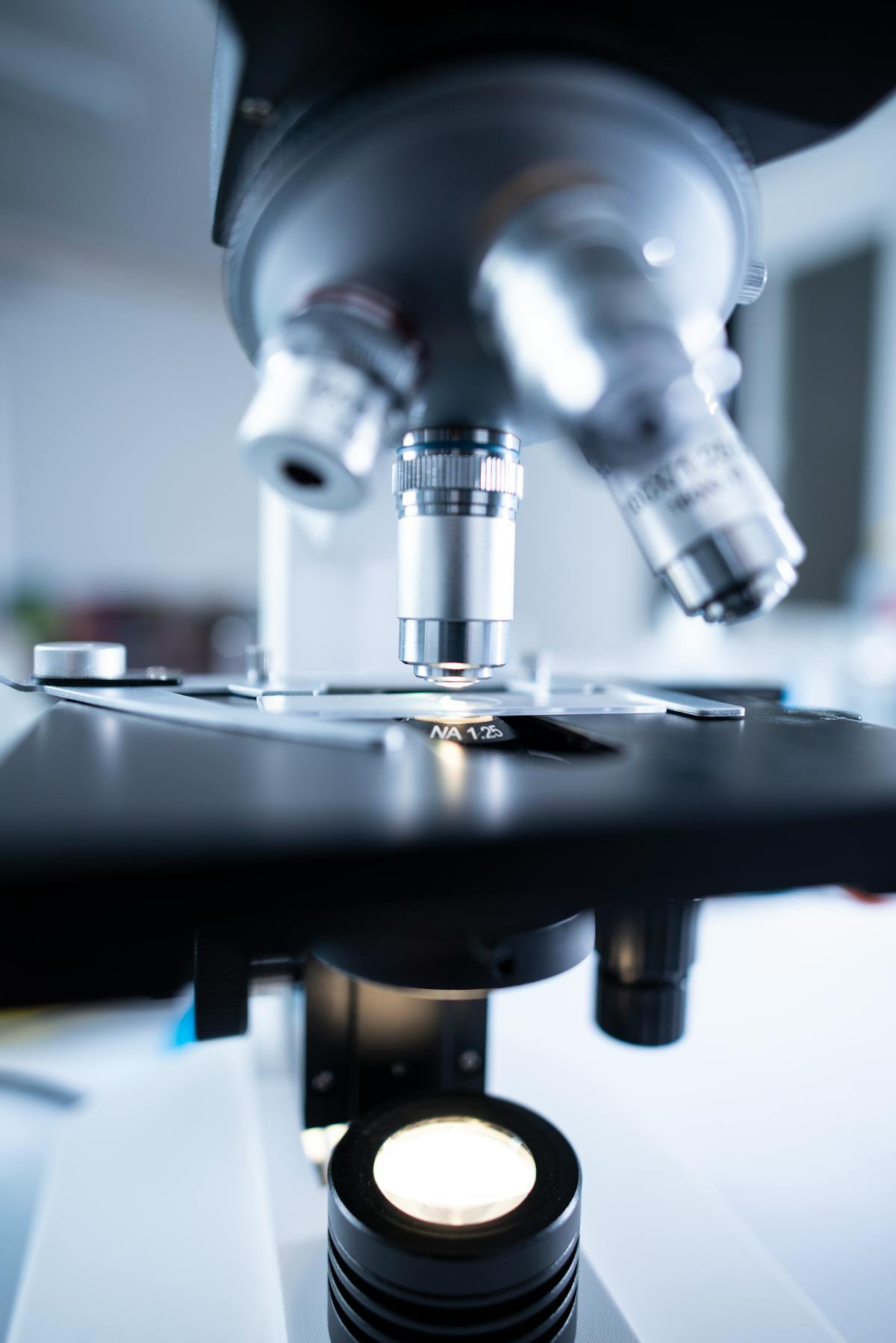
Punjab Board practical exam reforms 2026 affect thousands of Matric and Intermediate students.
Practice Real Experiments
Students should repeat important experiments from their syllabus. Focus on correct procedure, measurement techniques, and observation recording. Do not just read the steps. Actually do them in the lab.
Improve Report Writing
The written report should include clear experiment steps, correct formulas, labelled diagrams, and short conclusions. Practice writing these neatly and clearly.
Use Reliable Study Resources
Students can practice MCQs and concepts through education platforms such as Ilm Ki Dunya and Taleem City. YouTube learning channels such as Easy Computers with Abdullah also explain practical exam schemes.
Write Neatly
Because answer sheets are scanned, students should write with dark ink and clear handwriting. Messy writing can cost marks even if the content is correct.
Also check the Intermediate Board Exam Date for Punjab 2026 to plan your study schedule on time.
Broader Education Reforms in Punjab Boards
The practical exam reform is only one part of a larger modernization effort. Punjab boards have introduced several major reforms in recent years.
Biometric Registration
Students must now complete biometric registration starting from Class 9 and Class 11. This prevents impersonation during exams. More information is available at the Punjab Schools portal.
Digital Marking Systems
Punjab boards have adopted on screen marking for theory papers. Examiners check scanned answer sheets digitally. This system reduces marking errors, result delays, and examiner bias. The same approach now extends to practical exams.
Unified Exam Coordination
Exam schedules are coordinated through the Punjab Boards Committee of Chairmen. This ensures that all Punjab boards follow a similar academic calendar.
Local Context and Impact on Students
Punjab runs the largest public exam system in Pakistan. Each year around two to two and a half million students appear in Matric and Intermediate exams across the province.
Cities such as Lahore, Rawalpindi, Faisalabad, Gujranwala, and Multan have thousands of exam centers.
Because practical marks contribute significantly to science subjects, the reform will affect a very large number of students. Teachers believe the change could encourage schools to improve science laboratories and practical training.
Comparison With the Previous Practical Exam System
| Feature | Previous System | New System |
|---|---|---|
| Practical marking | Entirely by examiner | Split marking |
| Notebook importance | Very high | Lower |
| Skill testing | Limited | Stronger focus |
| Transparency | Lower | Higher |
Earlier, students often depended on memorized practical notebooks. Now, however, marks depend more on experiment performance and scientific understanding.
Expected Impact on Student Pass Rates
The reform is still new, so official pass rate data is not available yet. However, education experts expect a few early changes.
Possible Short Term Effects
- Inflated practical marks may reduce
- Real performance will matter more
- Overall scoring may become more balanced
Some analysts suggest that pass rates might drop slightly at first, possibly by a few percent.
However, similar reforms such as digital theory marking did not significantly change pass rates after students adapted.
Official Schedule for Punjab Board Practical Exams 2026
As of 9 March 2026, a unified schedule for practical exams has not yet been released. Boards usually announce practical exam dates two to four weeks before exams.
| Exam | Expected Period |
|---|---|
| Matric theory exams | Late March |
| Inter theory exams | Mid April |
| Matric practical exams | Late April |
| Inter practical exams | Early May |
Students should regularly check official board websites:
Schools usually receive official schedules 10 to 15 days before practical exams.
Expert Opinions on the New System
Many education experts support the reform.
Teachers also say the reform could change classroom habits. Students may now spend more time practicing experiments instead of memorizing notebook steps.
In the long term, experts believe this could improve science education standards in Punjab.

Education experts believe the new system will encourage real skill development in students.
What Happens Next
Punjab boards will soon conduct the first full exam cycle under the new system.
Before exams begin, authorities may release:
- Detailed marking schemes
- Examiner training instructions
- Sample practical questions
If the reform works successfully, similar systems may expand to more subjects and exam levels.
Quick Summary Table
| Key Detail | Information |
|---|---|
| Reform | Split practical exam marking |
| Levels affected | Matric and Intermediate |
| First phase subjects | Physics, Chemistry, Biology, Computer Science |
| Total practical marks | Usually 30 |
| Evaluation method | On site + centralized marking |
| Monitoring | CCTV and biometric verification |
Frequently Asked Questions
Why This Reform Matters
Punjab’s new practical exam marking system signals an important shift in the education system. Instead of rewarding memorization, the reform focuses on skills, understanding, and real laboratory practice.
For students preparing for board exams, the message is clear. Success will depend on performing experiments correctly, understanding scientific concepts, and writing accurate reports.
If implemented well, this reform could strengthen science education standards across Punjab and improve the credibility of board examination results.