
Breaking: Punjab Launches Free 3 Marla Plot Scheme for Homeless Families
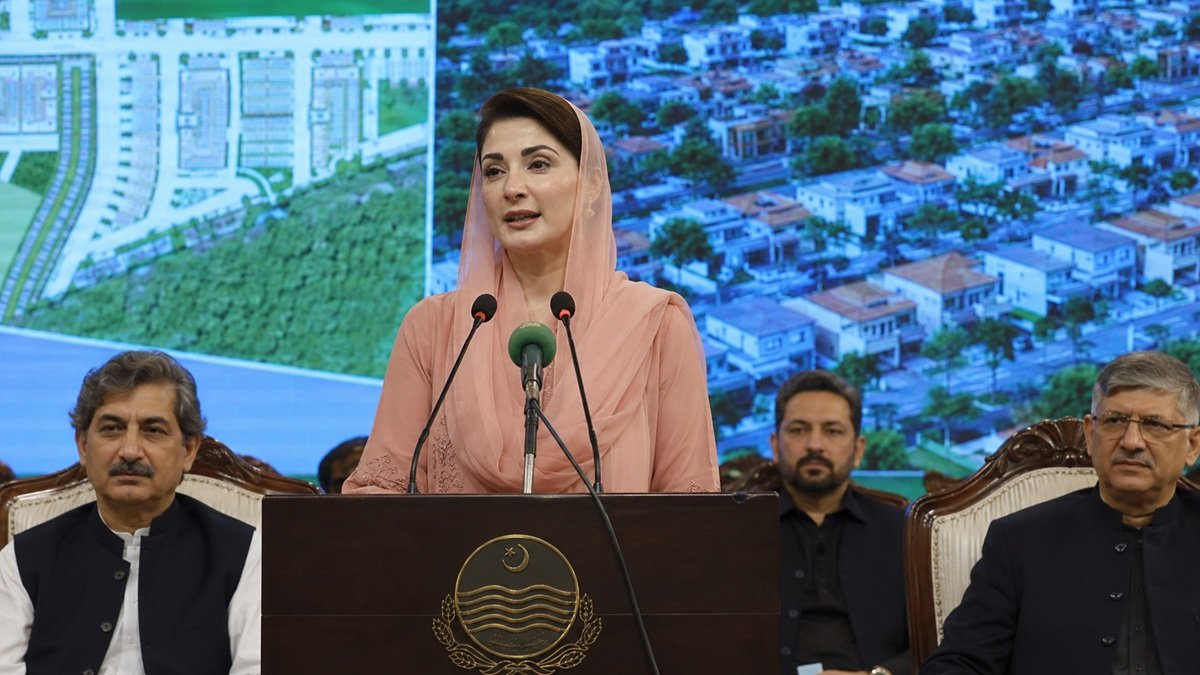
Maryam Nawaz has announced the Apni Zameen Apna Ghar Programme — free 3 marla residential plots for low income families across Punjab. Over 2,000 plots go out in Phase 1. Here is what this means, who may qualify, and why it matters beyond the headlines.
What Is Punjab’s Free Plot Scheme?
Punjab’s Apni Zameen Apna Ghar Programme has one clear goal: give poor families access to land ownership — something that was previously out of reach for most working households.
Under the first phase, eligible applicants may receive free 3 marla residential plots. Officials say the scheme mainly targets:
- Homeless families with no property ownership
- Daily wage workers and laborers
- Low income households struggling with rising rents
- Widows and vulnerable residents
The announcement follows the recent distribution of 720 free flats to workers in Punjab. According to the Punjab Housing and Town Planning Agency (PHATA), the province has expanded several affordable housing initiatives during the past year. Punjab’s wider welfare and housing strategy already links this with labor flats and low income housing support projects.
| Feature | Details |
|---|---|
| Plot Size | 3 Marla |
| First Phase | 2,000+ plots |
| Target Group | Homeless and low income families |
| Registration | Online (Digital Portal) |
| Province | Punjab |
| Main Objective | Affordable housing support |
Why Pakistan’s Housing Crisis Matters Right Now
Housing has quietly become one of Pakistan’s biggest economic and social problems. In cities like Lahore, Rawalpindi, and Faisalabad, families now spend a major portion of their income on rent. Buying land has become extremely difficult for lower and middle income households.
According to the Pakistan Bureau of Statistics, inflation during recent years sharply increased the cost of daily living and construction materials. Builders and contractors across Punjab have reported major increases in:
- Cement and steel costs
- Labor and skilled trade charges
- Electrical and plumbing materials
- Transport and logistics costs
As costs increased, many families delayed home construction or shifted to rented housing. Informal settlements and overcrowded neighborhoods expanded around urban areas. The World Bank Pakistan has repeatedly highlighted affordable housing and urban planning as key challenges for Pakistan’s future development.
Why Owning a House Changes Everything
A house is not only shelter. For a family in Pakistan, land ownership directly affects:
- Family stability and security
- Children’s school admissions and access to services
- Utility connections like gas and electricity
- Long term financial savings and wealth building
That is why free plot announcements attract such strong attention among working class households across Punjab.
Who May Qualify for the Free Plots?
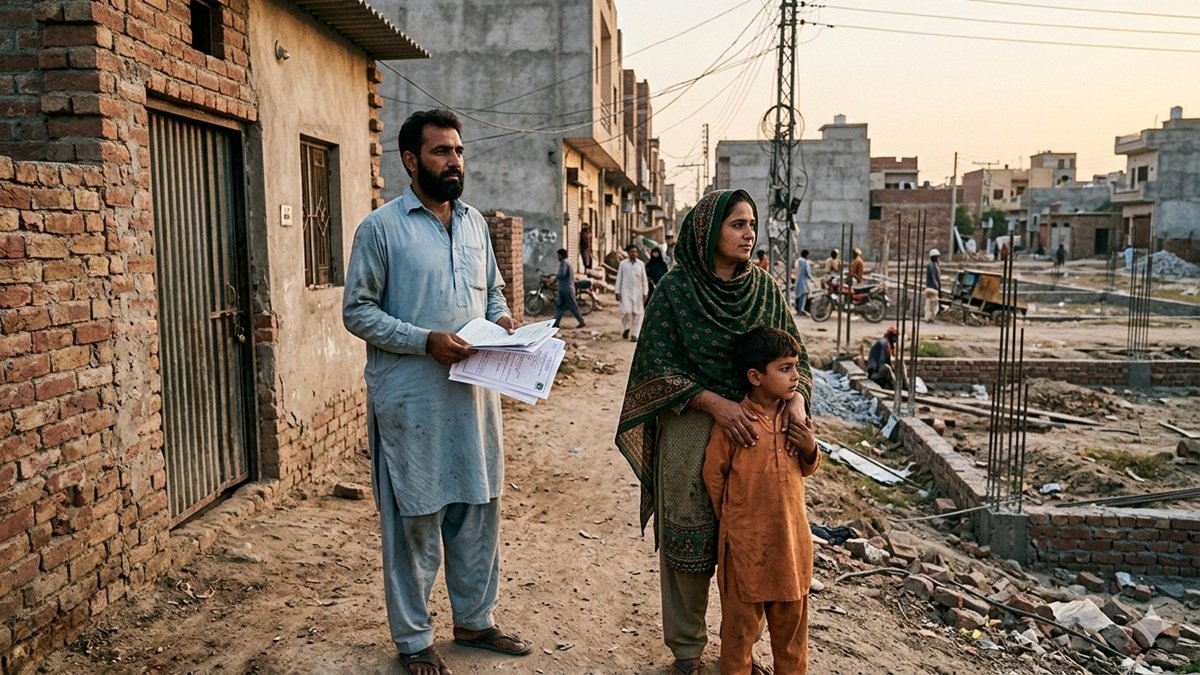
The Punjab government has not yet released full eligibility rules. However, officials have shared early indications about who may qualify. Expected requirements include:
- Punjab residency verified through CNIC
- Valid CNIC registered in your own name
- No existing property ownership of any kind
- Low income verification through family records
- Registered family details in the system
Official channels to follow:
• Punjab Government Portal
• PHATA Official Website
How the Online Application Process Could Work
Punjab’s government plans to use a digital system for registration and verification. Although complete details are still pending, the expected step by step process may work like this:
| Step | Expected Action |
|---|---|
| 1 | Visit the official Punjab government portal |
| 2 | Register using your CNIC number |
| 3 | Upload required identity and income documents |
| 4 | Submit family and income details |
| 5 | Verification process by PHATA officials |
| 6 | Receive application status update via SMS or portal |
Documents Applicants May Need
- Valid CNIC (must be registered in your own name)
- Registered mobile number linked to your CNIC
- Family Registration Certificate
- Income proof or employment documentation
- Residency information
Tip: Pakistanis who have used digital welfare systems like BISP or NADRA verification services know that incomplete records cause delays. Ensure your SIM registration details are fully updated before applying.
For readers already familiar with other Punjab welfare housing programmes, our earlier coverage of SBP home loan updates and the Apni Chhat Apna Ghar scheme provides useful background on how Punjab welfare housing registration typically works in practice.
Why This Housing Plan Looks Different from the Past
Pakistan has seen large housing promises before. Many projects struggled due to financing problems and slow execution. One major example was Imran Khan’s Naya Pakistan Housing Programme — that project focused heavily on loans and bank financing. Punjab’s current model looks structurally different because it starts with direct land distribution, not credit.
| Previous Housing Schemes | Punjab Free Plot Model |
|---|---|
| Loan based support | Free plot allotment |
| Large national promises | Smaller phased rollout |
| Complex banking processes | Direct welfare targeting |
| Slow overall progress | Controlled implementation |
This smaller rollout may help the government avoid early operational pressure. However, the real test will be transparency and long term execution.
The Economic Angle Most Reports Are Missing
Most discussions focus only on free land. Yet the bigger story may actually be economic activity. Housing projects create jobs quickly because even small homes require significant labor and materials.
Construction activity directly supports:
- Masons, carpenters, and skilled workers
- Electricians and plumbers
- Paint suppliers and hardware shops
- Transport and logistics workers
- Daily wage laborers at construction sites
According to World Bank housing research, housing investment can support broader economic growth in developing economies. If even half the announced plots eventually turn into active construction sites, local economies in Punjab could see meaningful short term activity.
This is one reason the scheme is getting attention beyond politics. It also connects closely to Punjab’s Apna Khet Apna Rozgar employment scheme — both programmes aim to build ground level economic stability for Punjab’s most vulnerable residents.
Critics Still Have Questions
Despite public interest, opposition parties and independent analysts continue to question the timing and long term sustainability of the programme. Some critics argue welfare projects tend to increase before election cycles. Others question whether future phases will expand fairly across all districts.
Three issues may ultimately decide public trust:
1. Transparency
Will applicant and allotment data remain publicly verifiable? Can ordinary citizens check who received a plot and why?
2. Fair Distribution
Will deserving families get priority without political influence or favoritism at the district level?
3. Long Term Expansion
Can the government continue beyond the first 2,000 plots? Pakistan has seen several welfare programmes lose momentum after initial announcements. Execution may matter more than political messaging.
The ruling Pakistan Muslim League (N) government says digital systems will help improve fairness and monitoring throughout the process.
What Applicants Should Do Right Now
Families interested in the programme should prepare documents early. Do not wait for the last moment. The digital registration window could open with short notice.
- Keep CNIC information updated at NADRA
- Ensure your SIM is registered under your own name
- Prepare a copy of your Family Registration Certificate
- Avoid unofficial registration agents promising guaranteed spots
- Follow only verified Punjab government updates
- Save digital copies of all required documents
| Upcoming Update | Current Status |
|---|---|
| Official registration portal | Expected soon |
| Full eligibility criteria | Awaited |
| District wise quota breakdown | Not yet announced |
| Verification process details | Under preparation |
Why This Story Matters Across Pakistan
For many middle class readers, a 3 marla plot may sound small. But for a family living in a rented room or an informal settlement, land ownership can completely change long term stability. A permanent address improves school admissions, utility access, financial confidence, and family security.
The scheme now faces its biggest challenge: proving that digital delivery can remain transparent, fair, and genuinely reach the families it was designed to help.
Frequently Asked Questions