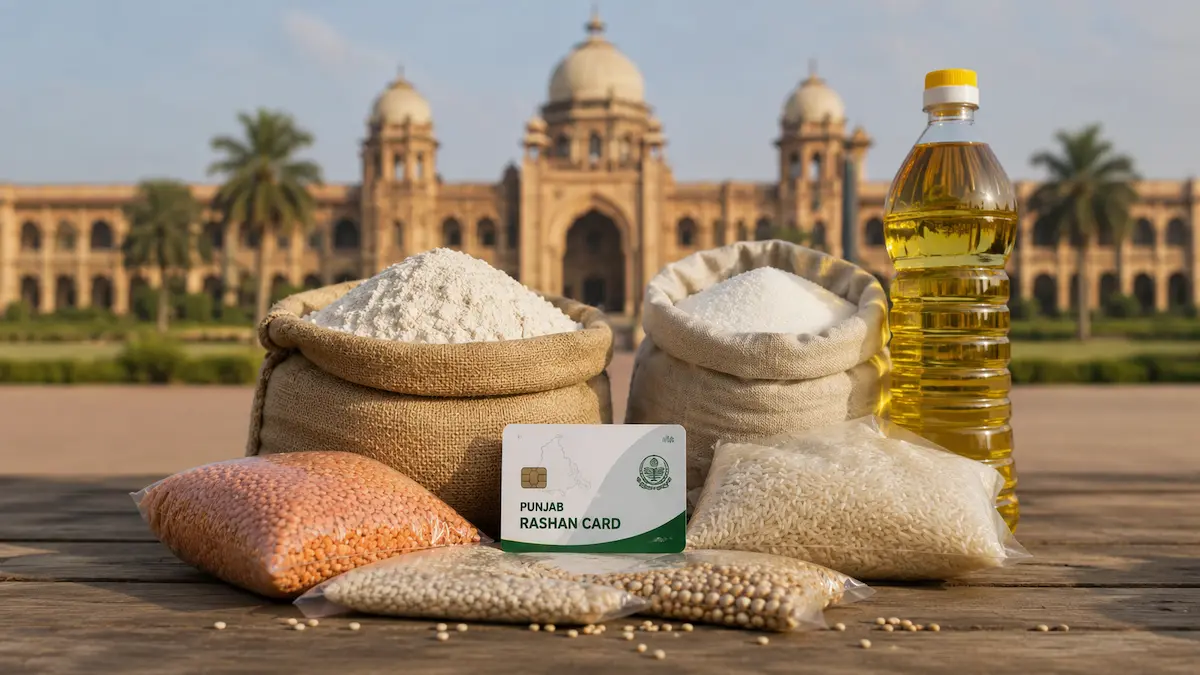
What the Punjab Rashan Card Expansion Means
Chief Minister Maryam Nawaz Sharif has approved an extra Rs 43.2 billion for the Maryam Nawaz Rashan Card Programme for the 2026 to 2027 fiscal year. The money is meant to keep food support flowing to registered workers across the province.
According to official briefings, more than 1.4 million workers are now registered. Over 1.2 million Rashan Cards have already reached beneficiaries.
Key Numbers Behind the New Punjab Rashan Card Funding
The latest government briefing shows how fast this programme has grown since it started. The table below lays out the most important figures.
| Programme Indicator | Latest Official Figure |
|---|---|
| Additional FY2026-27 allocation | Rs 43.2 billion |
| Amount already distributed | Rs 28 billion |
| Registered workers | 1,403,063 |
| Rashan Cards issued | 1,244,130 |
| Cards under printing | 4,984 |
| Monthly benefit | Rs 3,000 |
| Registered shops | 62,000 |
| Suthra Punjab workers covered | More than 100,000 |
How the Punjab Rashan Card Programme Works
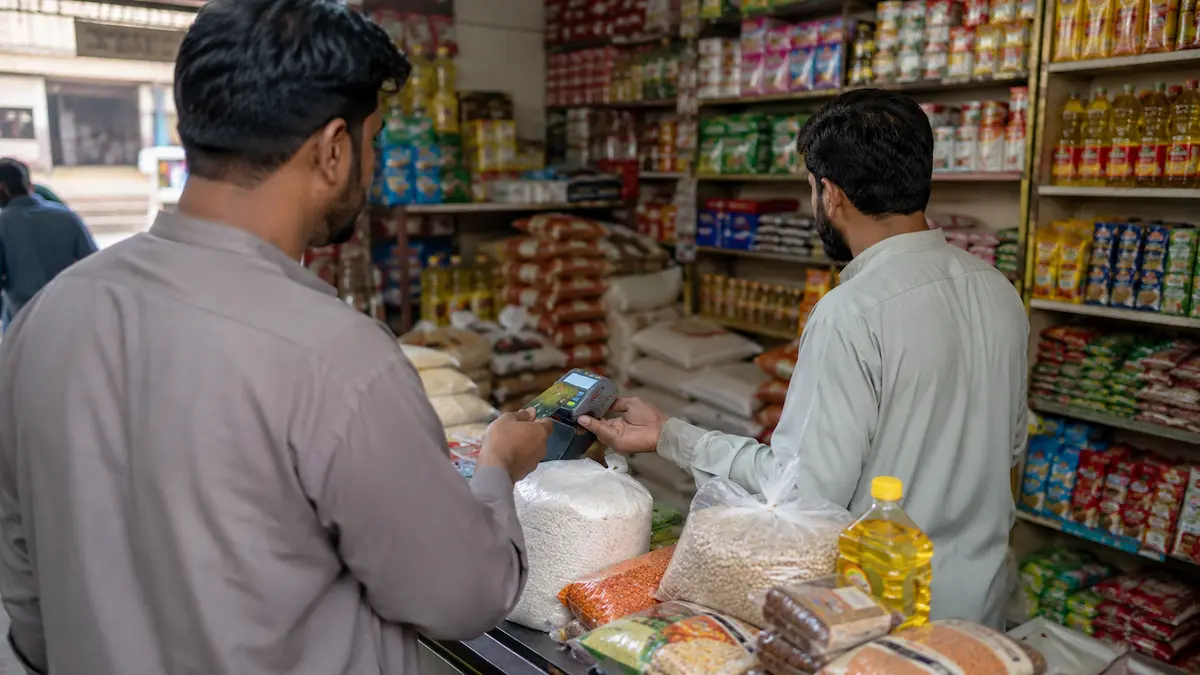
This is not a traditional ration scheme. Workers register, get verified, and then receive a Rashan Card. Once the card is active, it can be used to buy approved groceries worth Rs 3,000 a month.
Instead of handing out food directly, the government links the subsidy to a card that works at more than 62,000 registered shops across cities, towns, and villages in Punjab.
Step by Step Process
Worker registration comes first, followed by eligibility checks. Once approved, the card is printed and activated. After that, the worker can shop at any approved store every month.
Who Qualifies for the Punjab Rashan Card
The programme mainly targets registered workers, many of whom work in jobs where income can change from week to week. This includes more than 100,000 Suthra Punjab sanitation workers who are already receiving support.
Punjab has expanded several welfare efforts recently, including the Rs 50 billion Rawalpindi hospital project, showing a wider push toward public welfare spending this year.
Why the Rs 43.2 Billion Boost Matters for Punjab Workers
Food prices remain a heavy burden for many households. According to the Pakistan Bureau of Statistics, food inflation has kept pressure on household budgets in recent years, which is why targeted subsidy programmes like this one matter.
The Rs 3,000 monthly amount will not cover a whole family’s grocery bill, but it helps offset the cost of everyday essentials for workers who often live on tight margins.
Officials say Chief Minister Maryam Nawaz Sharif has told departments to keep expanding worker registration through the rest of FY2026-27, which suggests the beneficiary list will keep growing.
How the Programme Supports Local Shops
The Rashan Card also puts money into the hands of small retailers. With 62,000 shops signed up, spending is spread across neighbourhoods instead of a few big distribution points.
Economists generally agree that targeted spending programmes like this can support local businesses, though the real impact depends on how well the government verifies beneficiaries and monitors shop prices.
How It Compares to Other Welfare Schemes
Punjab already runs several relief programmes for low income families. The Rashan Card differs from cash transfer models because it links food support directly to worker registration.
| Programme | Main Focus | Delivery Method |
|---|---|---|
| Maryam Nawaz Rashan Card | Registered workers | Digital grocery purchases |
| BISP | Low income households | Cash transfers |
| Ehsaas Programme | Social protection | Cash and targeted aid |
BISP recently made changes to its own delivery system too, including the BISP digital wallet withdrawal fee update, part of a broader shift toward digital welfare payments in Pakistan.
Other government relief efforts, such as the Apna Ghar home loan scheme expansion, show a similar pattern of building on existing registration data to reach more low income Pakistanis.
What Happens Next for Registered Workers
Departments have been told to keep registering eligible workers. Thousands of approved cards are already being printed for new beneficiaries.
Existing cardholders can keep shopping at approved stores every month, and authorities say they will keep monitoring shops as the beneficiary list grows.
Frequently Asked Questions
Who can receive the Punjab Rashan Card?
According to official announcements, the programme is meant for eligible registered workers in Punjab who pass the government’s verification process.
How much money does the Rashan Card give each month?
Approved workers get Rs 3,000 every month to buy essential groceries from approved shops.
How many workers have registered for the programme so far?
Official figures show 1,403,063 workers have registered under the Maryam Nawaz Rashan Card Programme.
How many Rashan Cards have already been issued?
The Punjab government says 1,244,130 cards have been issued, with 4,984 more currently being printed.
Where can workers use the Punjab Rashan Card?
The card works at more than 62,000 registered shops across Punjab.
Is registration for the Rashan Card still open?
Officials have directed departments to keep registering more workers, so applicants should watch for official updates on new registration.