Punjab Under 16 Social Media Ban: What the New Proposal Says
A resolution in the Punjab Assembly is pushing for a nationwide under 16 social media ban in Pakistan. It was submitted by Sarah Ahmad, Chairperson of the Child Protection Bureau.
The resolution asks the federal government to draft a law. Children under 16 would not be allowed to use social media unless their age and parental or guardian consent can be verified through a reliable system.
What the Resolution Actually Asks For
The resolution does more than suggest an age cutoff. It also calls on the Pakistan Telecommunication Authority (PTA) to work with social media companies on two things.
First, mandatory age verification. Second, faster removal of harmful content aimed at children. For readers who want background on how digital regulation bodies work in Pakistan, this explainer on Pakistan’s social media authority covers the basics.
The stated goals include cutting down cyberbullying, online sexual exploitation, exposure to age inappropriate content, psychological distress, and excessive screen time among children.
Why Punjab Is Raising This Now
Smartphone and internet use among children has grown fast across Pakistan. Many children now use short video apps, messaging platforms, and social media daily, often without close supervision.
Parents and schools are struggling to keep up. Cyberbullying, impersonation, blackmail, and privacy risks are becoming more common, while public awareness campaigns on digital safety remain limited.
Why This Matters for Pakistani Families
If this becomes law, it would be one of Pakistan’s first serious attempts at regulating how children use social media. That is a big shift from leaving online safety entirely up to parents.
It would also put new pressure on platforms operating in Pakistan to build or improve age verification tools, something most have avoided doing at scale so far.
The Real Challenge: Making Age Verification Work
Passing a resolution is the easy part. International experience shows that enforcing an age limit online is where most governments struggle.
Several practical problems stand in the way in Pakistan’s context.
Common Enforcement Gaps
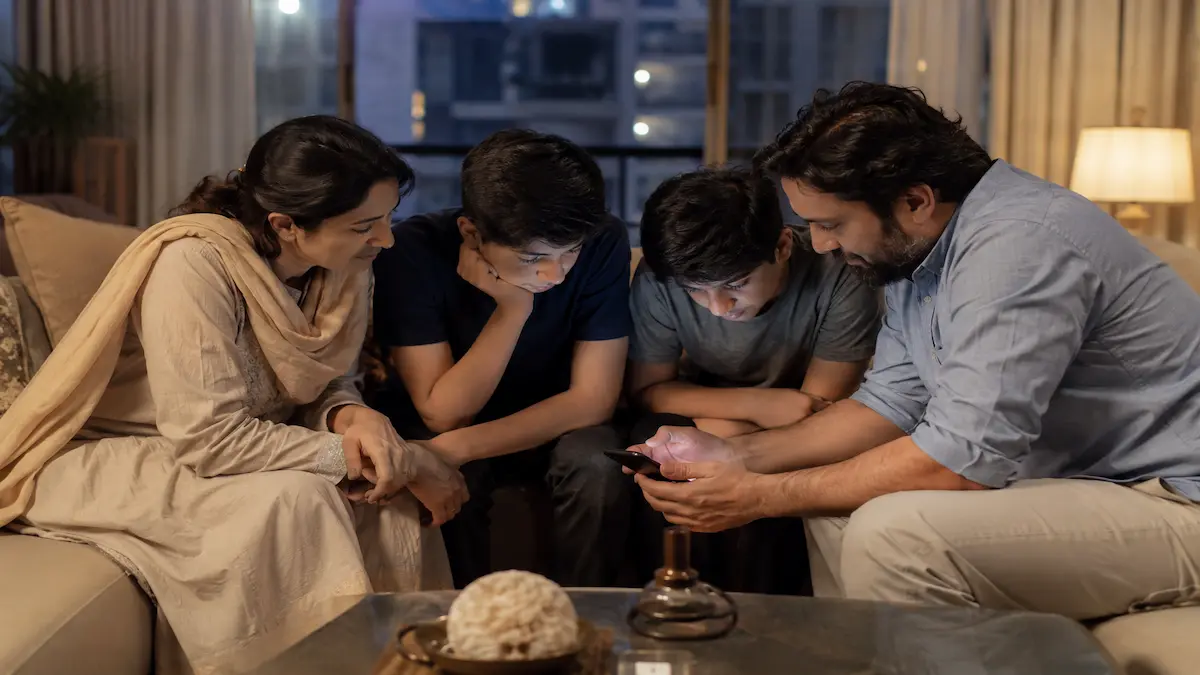
Children can enter incorrect birth dates during sign up. Families often share one device across siblings and parents. Some accounts are created by adults on a child’s behalf, which defeats the purpose of any age check.
Platform compliance is another open question. Getting global companies to apply Pakistan-specific rules consistently has historically been difficult for regulators here, a pattern also visible in broader cyber risk trends across Pakistan.
Child Safety Needs More Than a Ban
Digital safety experts consistently say that a single age rule cannot fix online child safety on its own. It works best as one layer among several.
A fuller framework usually includes strong age verification where it is technically possible, parental control tools, digital literacy lessons in schools, awareness campaigns for parents, faster reporting systems for harmful content, and clearer accountability for platforms.
Together, these steps spread responsibility across children, parents, schools, and technology companies rather than placing it on one group alone.
Pakistan Joins a Global Policy Trend
Punjab’s proposal is not happening in isolation. Several countries have already moved on similar rules, and interest in this topic has been rising steadily, as shown in recent search trend data for Pakistan.
| Country | Approach |
|---|---|
| Australia | Law requiring platforms to prevent under 16 accounts |
| France | Legislation for stronger under-age restrictions, implementation ongoing |
| China | Broad limits on youth digital service use |
| United States (select states) | Parental consent or age verification laws, some facing court challenges |
| Pakistan (Punjab proposal) | Resolution urging federal legislation for under 16 verified consent |
According to official sources, Australia’s eSafety Commissioner has been closely tracking how platforms respond to its under 16 rules, and its public guidance is a useful reference point for regulators elsewhere, including Australia’s Office of the eSafety Commissioner.
What Happens Next for Punjab’s Proposal
The resolution now needs federal attention to move toward actual legislation. Its long-term success will depend on cooperation between the federal government, PTA, technology companies, schools, and child protection bodies.
As per government announcements so far, no firm timeline has been set for when a federal law might be introduced. The Punjab Assembly resolution is best seen as the starting point of a longer policy process, not a finished rule.
Frequently Asked Questions
What is Punjab’s under 16 social media ban proposal?
It is a resolution in the Punjab Assembly asking the federal government to stop children under 16 from using social media unless their age and parental consent can be verified.
Who proposed the Punjab social media age limit?
Sarah Ahmad, Chairperson of the Child Protection Bureau, submitted the resolution in the Punjab Assembly.
Is the under 16 social media ban already a law in Pakistan?
No. It is currently a resolution urging federal legislation. It has not been passed into law yet.
What role would PTA play in the proposed law?
The resolution asks PTA to work with social media platforms on mandatory age verification and quicker removal of harmful content.
Which other countries have similar social media age limits?
Australia, France, China, and some US states have introduced or proposed comparable rules for children on social media.
What is the biggest challenge for enforcing this ban?
Reliable age verification is the hardest part, since children can enter false birth dates, share family devices, or use accounts set up by adults.