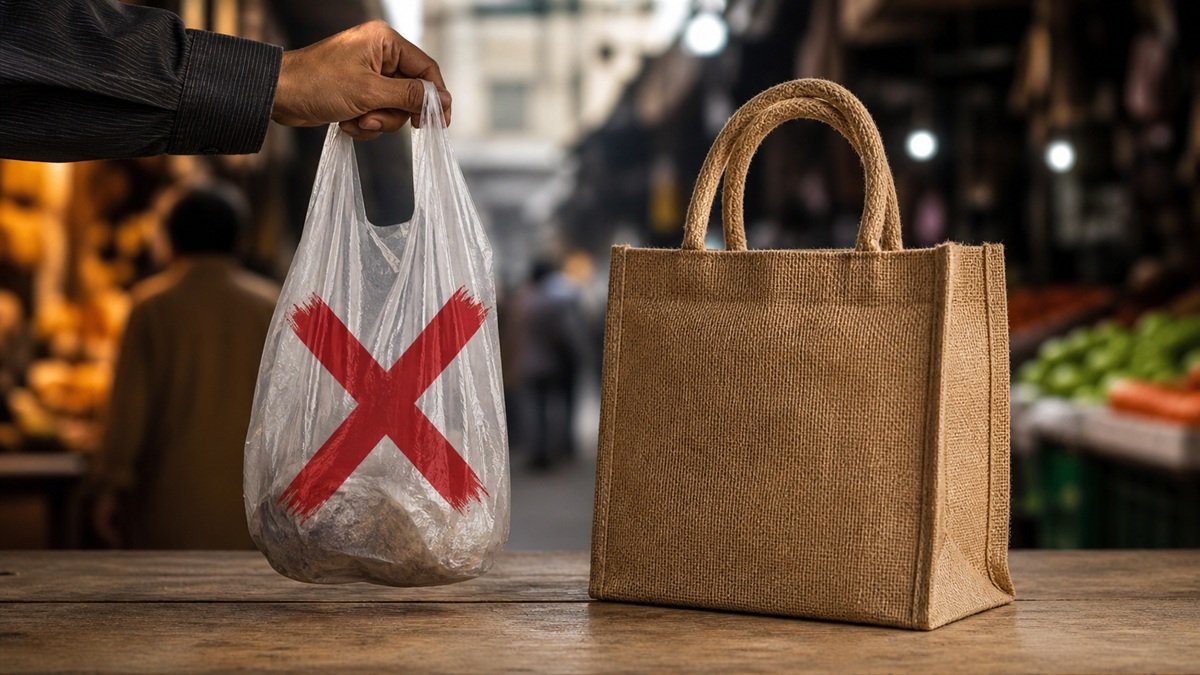
Big Change for Rawalpindi: Plastic Bags Out, Strict Fines Begin June 2026
Walking through Raja Bazaar last week, I counted more than a dozen shops still handing out thin plastic bags without a second thought. That habit is about to hit a wall. Rawalpindi is set to become Punjab’s first plastic-free district headquarters from June 2026 — and the Punjab Environment Protection Agency is not treating this as a gentle awareness drive. Inspections have already started. Fines are being issued. Shops are getting sealed.
This matters for every family, shopkeeper, and street vendor in the city. Here is exactly what is changing, who is affected, and what you need to do before June arrives.
What the Plastic Ban Actually Means
The main target is single-use plastic shopping bags — the thin polythene carry bags that grocery stores, fruit sellers, clothing shops, and roadside vendors hand out every day.
From June, these bags face strict enforcement across Rawalpindi. Punjab EPA is also creating plastic-free zones in major markets including Saddar and Raja Bazaar. This is backed by the Punjab Environmental Protection Department under the Punjab Environmental Protection (Production and Consumption of Single-Use Plastic Product) Regulations 2023.
In plain terms: the free thin plastic bag with every purchase is ending. Thicker bags above 75 microns may still be used in limited cases, but the government is pushing cloth, paper, and woven bags as the real solution.
Which Items Are Actually Banned
This is not only about shopping bags. Several everyday disposable items are included in the restrictions.
Commonly Restricted Items
- Thin polythene shopping bags and grocery carry bags
- Plastic spoons, forks, knives, plates, and bowls
- Plastic takeaway boxes and food containers
- Plastic straws and stirrers
- Styrofoam cups and food containers
- Balloon sticks and disposable packaging materials
This directly affects takeaway shops, food stalls, juice corners, and event vendors across the city.
Single-use beverage containers made from virgin plastic are also under restriction. That part mainly affects manufacturers and bottlers. For regular shoppers, the daily impact comes from the carry bag and food container side of the ban.
The Pakistan Environmental Protection Agency has ongoing enforcement actions listed against single-use plastic items nationwide.
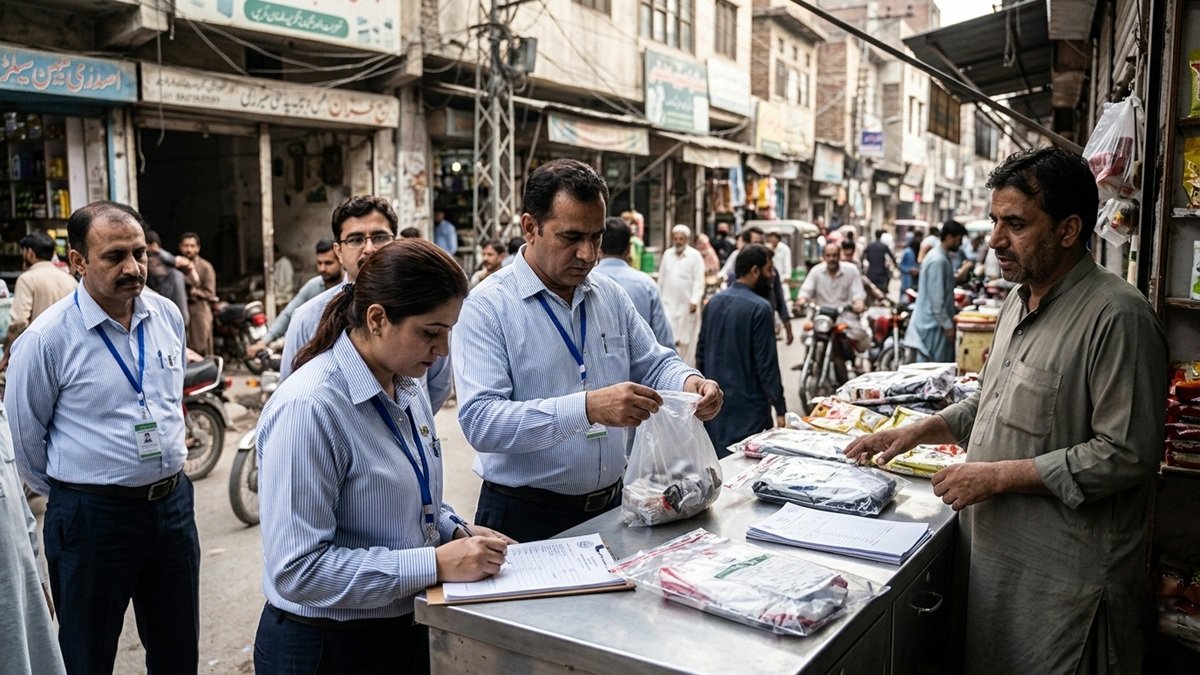
Fines and Penalties: This Is Where It Gets Serious
Punjab EPA has made one thing clear. This is not just an awareness campaign. Businesses using banned plastic can face financial penalties, shop sealing, stock confiscation, and FIRs.
| Category | First Offence | Repeat Offence |
|---|---|---|
| Shopkeepers and small vendors | Around Rs 10,000 | Rs 20,000 or more |
| Manufacturers and wholesalers | Around Rs 100,000 | Up to Rs 500,000 |
| Public use in designated areas | Around Rs 5,000 | Higher on repeat |
Other Possible Actions
- Shop sealing
- Confiscation of plastic stock
- FIR registration
- License and permit risks
- Possible imprisonment in serious repeated cases
The numbers already show this crackdown is real. From January to April 2026, Punjab EPA carried out 3,612 inspections, seized 937,868 kg of plastic bags, imposed Rs 3 million in fines, sealed 26 premises, and registered seven FIRs. That is four months before the June deadline even arrives.
Why Rawalpindi Was Chosen First
Rawalpindi is one of Punjab’s busiest commercial cities. As the twin city of Islamabad, it has dense residential neighbourhoods, wholesale markets, and major business zones packed together.
Punjab EPA Director General Dr. Imran Hamid Sheikh confirmed that Rawalpindi will be the first district headquarters where complete elimination of single-use plastic will be ensured from June. Other district headquarters — Lahore, Faisalabad, Gujranwala — will follow in phases once this model proves itself here.
If plastic control works in a dense, high-traffic city like Rawalpindi, it sets the template for the whole province. Rawalpindi is the test case that Punjab is betting on.
Impact on Shopkeepers and Families
This is where the real challenge sits.
In my experience visiting markets across the city, many small shopkeepers genuinely worry about cost. Paper and jute bags cost more than thin plastic bags. When customers push back on paying Rs 5 extra for a carry bag, the seller often absorbs that cost themselves.
In busy markets like Raja Bazaar, compliance tends to improve quickly where plastic-free zones are clearly marked and inspections happen regularly. Side streets and smaller lanes usually show much weaker enforcement. That gap is the biggest risk to this entire campaign.
If one shop gets sealed while a nearby competitor keeps selling plastic openly, public trust in the whole ban collapses fast. Punjab EPA says its strategy is phased so businesses can adjust. But consistency of enforcement will decide whether this sticks.
Punjab has been rolling out several major policy shifts this year. Alongside this ban, the government also updated home loan accessibility through the Apna Ghar scheme, signalling a broader push for structured reform in the province.
Cleaner Drains, Less Flooding: The Bigger Picture
This ban is not only about litter. It connects directly to one of Rawalpindi’s most persistent seasonal problems.
Every monsoon season, plastic bags block roadside drains across the city. That leads to waterlogging, flooded streets, and mosquito breeding after heavy rain. Reducing plastic waste in drains can improve drainage flow and lower urban flooding risk during the monsoon months.
This is one reason the government is treating Rawalpindi as a priority city — the June start date lands right before monsoon season, and before World Environment Day in early June. The timing is deliberate.
The Eco-Friendly Bag Challenge
The government is promoting thicker plastic bags above 75 microns as a temporary bridge solution. But I tested this in a few local shops — most customers cannot tell the difference between a thick and thin plastic bag. They just feel like slightly sturdier versions of the same thing.
That is the problem. The long-term answer is not thicker plastic. It is changed habits.
Simple Daily Habit That Works
Families, students, and office workers who keep one reusable cloth or jute bag in a handbag, bike storage, or car glove box can cut their daily plastic use significantly. One bag. That is the starting point.
The United Nations Environment Programme consistently backs reusable bags over single-use plastic for long-term waste reduction — and the data from countries that enforced similar bans shows fast behavioural shifts once enforcement becomes consistent.
For younger residents and recent graduates looking to adapt to changing city landscapes, Punjab is also running a Rs 50,000 IT internship programme that signals the province’s broader development direction.
Quick Facts Summary
| Topic | Update |
|---|---|
| Start Date | June 2026 |
| First Target City | Rawalpindi |
| Main Ban | Single-use plastic shopping bags |
| Legal Base | Punjab Plastic Regulations 2023 |
| Enforcement | Fines, sealing, FIRs |
| Alternatives | Paper, cloth, jute, woven bags |
| Future Plan | Expansion across Punjab district HQs |
What Happens Next
The next few months will determine whether this becomes a permanent shift or another short campaign that fades after a few weeks of headlines.
Key Signs to Watch
- More plastic-free zones declared in major markets
- Increased inspections in traditional bazaars and side streets
- Higher fines and visible sealing actions through June and July
- Public awareness drives in schools and housing societies before monsoon
- Official expansion announcements for other Punjab district headquarters
The monsoon season will be the real test. If drains flow cleaner this July than last July, the campaign will have proved something concrete. If enforcement relaxes by mid-June, it will likely be remembered as another well-intentioned but short-lived push.
Frequently Asked Questions