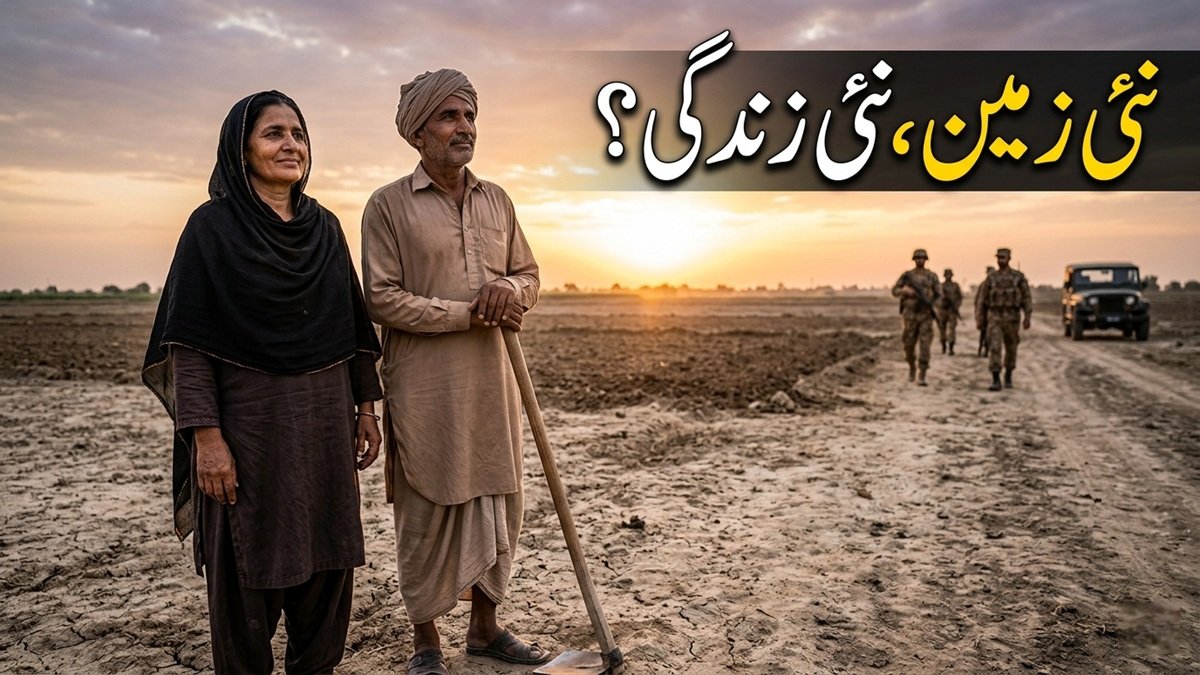
On March 31, 2026, the Sindh Cabinet approved a major land reform. It targets the Katcha belt along the Indus River. The plan is direct. Take back land from criminal groups. Give it to the families who need it most.
This goes beyond land ownership. It ties together security, justice, and economic recovery. For thousands of Katcha families, it could finally bring real stability.
What Is the Katcha Land Issue?
Katcha areas run along the Indus River. The land is fertile. Floods hit regularly. And for years, weak state control let dacoit groups grab large portions of it.
Local farmers lost their fields. Many moved to cities. Others stayed behind in fear and poverty. The Government of Sindh has now flagged these areas as a top reform priority. Chief Minister Murad Ali Shah chaired the cabinet meeting where this plan got the green light.
Key Highlights of the Survey Plan
The new survey stretches from Ghotki to Thatta. It uses modern tools to map recovered land and verify ownership. Distribution follows after that.
Main Goals
- Map recovered land using GPS and digital tools
- Verify ownership and remove active disputes
- Allocate land to deserving families by priority
- Start development projects including roads and schools
This is not just about land titles. It bundles ownership with real development. The Sindh government has already been digitizing public services as part of a wider governance push, and this reform fits that same direction.

Who Will Benefit First?
The government has set clear priority groups. This is meant to block political interference in how land gets handed out.
Priority Beneficiaries
- Landless tenant farmers (haris)
- Poor rural families
- Women and widows
- Minority communities
- Families affected by violence
- Families of surrendered dacoits (under strict rehabilitation rules)
| Criteria | Details |
|---|---|
| Residency | Must belong to the Katcha region |
| Income | Low-income or landless household |
| Documents | Valid CNIC and proof of residence |
| Priority | Women, widows, and marginalized groups first |
These standards align with existing frameworks at the Board of Revenue Sindh, which manages land records across the province.
Survey Timeline and Step-by-Step Process
The survey was approved in March 2026. No fixed end date has been given. But officials expect early phases to move quickly.
This structured process reduces disputes and makes manipulation harder. Sindh has also launched a mobile app for online birth, marriage, and death certificates that could help with the verification step.

Anti-Dacoit Operations Explained
Land reform only works if security holds. Over the past year, major operations have changed things on the ground.
Key Security Updates
- Around 393 dacoits have surrendered
- Operation Nijat Mehran played a major role
- Large-scale operations expanded through 2026
Forces involved: Sindh Police, Pakistan Rangers Sindh, Punjab Police, and intelligence agencies working in coordination.
According to the Ministry of Interior Pakistan, joint operations have improved control and coordination in these areas. Without this security foundation, no survey could realistically begin.
Why This Matters Now
For years, Katcha residents had nothing from the state. No schools. No hospitals. No secure land ownership. And constant fear.
Improved security has created a real window. Similar regional shifts are visible elsewhere. The Government of Punjab has shown that combining security with land policy produces measurable results.
Past vs Current Policy Changes
Earlier Sindh land reforms had limited results. This time the approach is different in several measurable ways.
| Past Approach | Current Strategy |
|---|---|
| Weak enforcement | Strong security backing |
| Manual surveys | GPS and digital mapping |
| Political influence | Clear eligibility rules |
| Limited development | Full infrastructure plans included |
The improvements are real. But consistent follow-through over months and years is what will actually matter.
Challenges and Risks
Main Risks to Watch
- Land disputes among locals with competing claims
- Resistance from remaining dacoit groups still active in parts of Katcha
- Political pressure influencing allotment decisions
- Delays in survey fieldwork
- Lack of transparency during distribution
If local communities feel cheated, public trust will collapse fast. In areas that have seen decades of state failure, that trust is already thin. Fair execution is non-negotiable.
Expert Insights
Officials at the Board of Revenue have said that accurate mapping must come first. Wrong data leads to wrong allotments. Security experts also point out that long-term policing matters. Groups retreating temporarily is not the same as permanent change.
What Land Alone Cannot Fix
- Irrigation systems and water access for farming
- Market links and trade routes
- Schools, clinics, and basic healthcare
These factors will decide whether this reform truly changes lives or just changes ownership papers.
The Sindh government has also been building broader public capacity. A recent recruitment drive added more than 8,000 education department positions, part of the same effort to reach underserved areas.

What Happens Next?
Expected Steps
- Survey teams begin GPS fieldwork in the Katcha belt
- Initial reports released to the provincial cabinet
- Allotment rules formally announced
- Development projects launched alongside land grants
If progress stays on track, the first land distributions could happen within months.
A Real Opportunity. Not a Guarantee.
This plan offers something new. It combines law enforcement with economic relief in one strategy. Past efforts had one or the other. Never both together.
But hope alone does not register land or build schools. Everything depends on honest, timely execution on the ground.
Thousands of families in Sindh’s Katcha belt are watching and waiting. For many, this is not just another government announcement. It is a chance at a life they have never had.
Frequently Asked Questions