
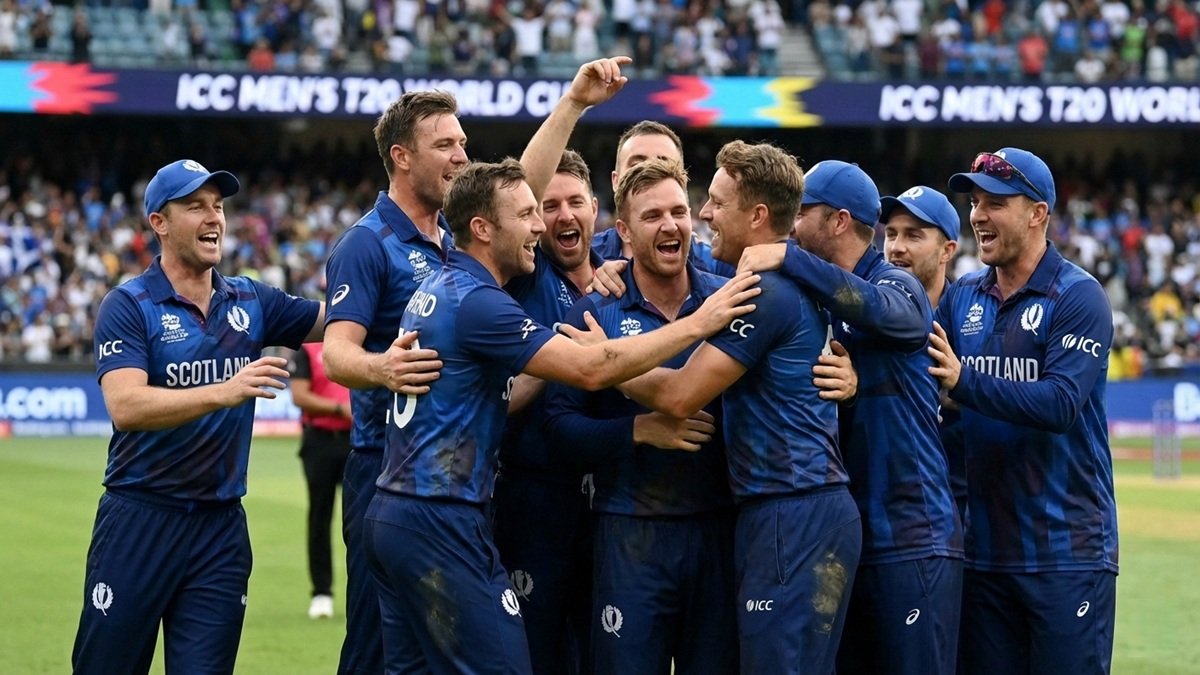
ICC Replaces Bangladesh With Scotland In T20 World Cup 2026 – Discover Explainer
ICC Confirms Scotland Replaces Bangladesh in T20 World Cup 2026 Group C After Security Standoff
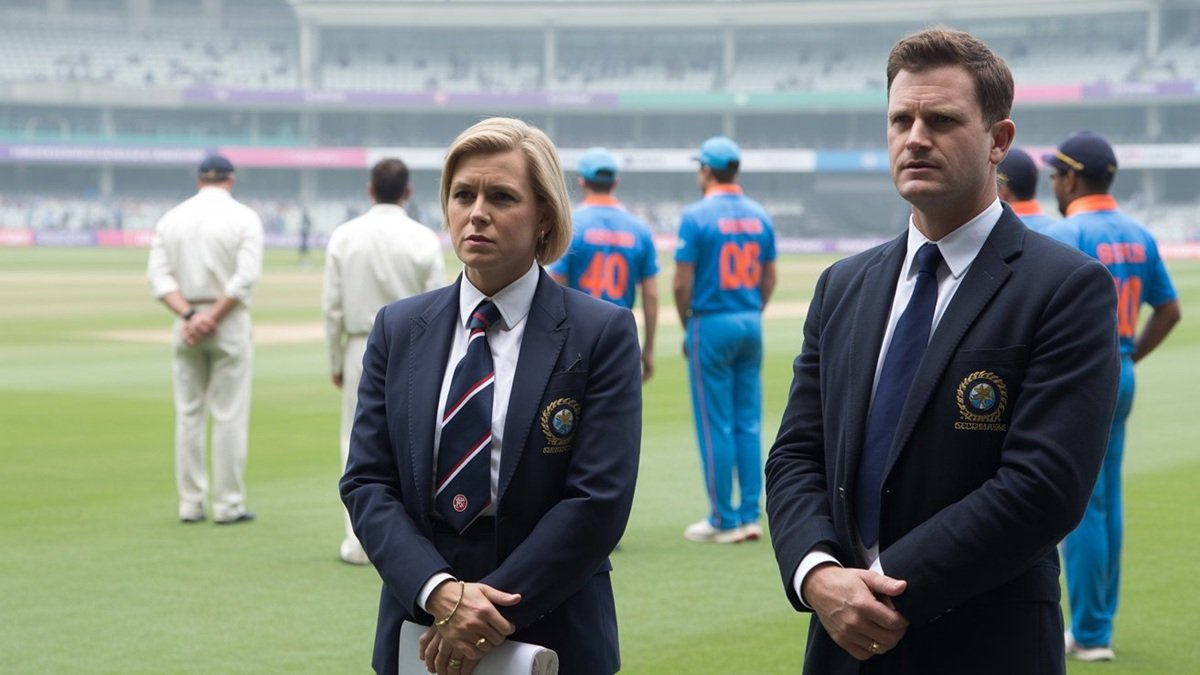
The International Cricket Council has confirmed Scotland as Bangladesh’s replacement in Group C of the ICC Men’s T20 World Cup 2026 after Bangladesh refused to play scheduled matches in India, citing security concerns. The late decision, announced just weeks before the tournament begins on February 7, has reshaped the group and revived long‑running debates around venue neutrality and consistency in global cricket governance.
Table of Contents
- A Late but Decisive ICC Call
- What Exactly Happened
- Why This Matters for the T20 World Cup 2026
- Official and Expert Reactions
- Background: How Group C Was Formed
- Security Reviews and the ICC’s Position
- Why Bangladesh Withdrew: A Clear Timeline
- Scotland Step In: What Changes on the Field
- How Group C Dynamics Are Affected
- Regional and Pakistani Context
- What Happens Next
- Key Facts at a Glance
- Frequently Asked Questions
- Final Takeaway
A Late but Decisive ICC Call
On January 23, 2026, the International Cricket Council (ICC) announced that Scotland will replace Bangladesh in Group C of the ICC Men’s T20 World Cup 2026, scheduled to be held across India and Sri Lanka from February 7 to March 8.
This decision followed weeks of talks between the ICC and the Bangladesh Cricket Board (BCB). Despite repeated assurances and formal security briefings, Bangladesh declined to confirm participation in matches assigned to Indian venues. With tournament logistics already locked in, the ICC opted to move forward rather than delay the competition.
According to the ICC’s official statement, maintaining the integrity of the schedule and fairness to other teams was the primary concern.
What Exactly Happened
Bangladesh were originally placed in Group C, alongside England, West Indies, Nepal, and Italy. Their four league matches were scheduled in Kolkata and Mumbai, two of India’s major international cricket venues.
In early January, the BCB formally requested that these matches be shifted to Sri Lanka, the tournament’s co-host. The board cited security concerns for players, staff, and traveling supporters. The ICC responded by commissioning both internal and independent security reviews, following its standard event protocols.
After reviewing the findings, the ICC rejected the relocation request. On January 22, Bangladesh were given a 24-hour deadline to confirm participation under the original schedule. When no confirmation arrived, the ICC removed Bangladesh and activated its replacement policy.
Scotland, ranked 14th in the ICC T20I rankings at the time, were immediately confirmed as the replacement.
Why This Matters for the T20 World Cup 2026
This is a rare and significant moment in ICC tournament history. A qualified full‑member team has been excluded just weeks before a World Cup begins.
For Bangladesh, the consequences are serious. The team has reached the T20 World Cup semi‑finals twice and regularly features in the tournament’s later stages. Missing the 2026 edition could affect rankings, commercial exposure, and future qualification scenarios.
For the ICC, the decision sets a clear precedent. Boards cannot unilaterally withdraw over venue disputes once security standards are met. Supporters of the move argue it strengthens governance. Critics say it highlights unequal flexibility when compared to past neutral‑venue arrangements.
For fans, the T20 World Cup 2026 now carries an added layer of unpredictability.
Official and Expert Reactions
ICC Chairman Jay Shah previously stated that large ICC events require early certainty, especially when hosted across multiple countries. His comments, reported by ESPNcricinfo, stressed that last‑minute venue changes disrupt broadcasters, teams, and fans alike.
Former Pakistan captain Shahid Afridi publicly questioned the ICC’s consistency. In social media remarks, he argued that cricket’s global body must apply the same standards to all member boards.
On the other hand, Rajkumar Sharma, long‑time coach of Virat Kohli, supported the ICC’s stance. Speaking to Indian media outlets, he said the ICC acted correctly after independent assessments found no credible threats.
Expert Opinion: These divided reactions show why the issue extends beyond cricket into governance and diplomacy. The decision impacts not just the tournament but sets precedents for future international sporting events.
Background: How Group C Was Formed
The ICC announced the 20‑team T20 World Cup 2026 structure in November 2025. Group C quickly stood out as one of the most competitive pools.
The group originally included:
- England, two‑time T20 world champions
- West Indies, also two‑time winners
- Bangladesh, experienced semi‑finalists
- Nepal, an emerging associate side
- Italy, making their tournament debut
Bangladesh were expected to bring spin‑heavy bowling suited to subcontinental conditions. Scotland’s inclusion replaces that familiarity with a more pace‑focused and aggressive style, changing how other teams prepare.
For more context on Pakistan’s involvement in international cricket, see our coverage of the Pakistan Cricket Team Squad for T20 World Cup.
Security Reviews and the ICC’s Position
According to ICC officials, comprehensive security reviews were completed in mid‑January for all Indian venues hosting Group C matches. These assessments involved local authorities and independent experts, following procedures outlined in ICC event manuals.
Key conclusions included:
- No specific or credible threats targeting Bangladesh
- Risk levels comparable to other major international events
- Existing security plans considered sufficient
The ICC emphasized that venue‑level security, rather than political context, guides tournament decisions. Based on these findings, officials ruled out relocating matches to Sri Lanka.
Why Bangladesh Withdrew: A Clear Timeline
Several developments influenced the BCB’s stance:
| Date | Event |
|---|---|
| Early January 2026 | Bangladesh signal reluctance to travel to India |
| January 3–5 | Formal request made to shift matches to Sri Lanka |
| Mid‑January | ICC shares security assessment reports |
| January 22 | ICC issues a final 24‑hour confirmation deadline |
| January 23 | Scotland confirmed as replacement |
Bangladesh officials cited government advisories and wider bilateral tensions. They also pointed to IPL‑related issues involving pacer Mustafizur Rahman, widely reported by ESPNcricinfo, as contributing to their concerns.
Scotland Step In: What Changes on the Field

Scotland enter the ICC Men’s T20 World Cup 2026 ranked 14th globally. While less experienced at this level, they carry a reputation for upsetting stronger sides.
Their approach differs from Bangladesh’s:
- Greater reliance on seam bowling
- Aggressive batting in the powerplay
- High‑risk, high‑reward tactics
Scotland open their campaign against West Indies on February 7 at Eden Gardens, Kolkata. Matches against Italy, England, and Nepal follow.
The tournament dynamics mirror recent discussions around the IPL-PSL schedule clash, where scheduling conflicts have become increasingly common in international cricket.
How Group C Dynamics Are Affected
The change reshapes qualification scenarios significantly.
| Scenario | Likely Outcome | Key Factor |
|---|---|---|
| Expected | England and West Indies advance | Experience |
| Competitive | Scotland challenge for second | Wins vs Italy and Nepal |
| Unpredictable | Net run rate decides | Close finishes |
Scotland’s history of surprise wins ensures no team can afford complacency.
Regional and Pakistani Context
For Pakistani audiences, the episode echoes past debates over neutral venues and scheduling fairness. Matches involving South Asian teams often carry political and security sensitivities.
Many regional analysts frame this as Bangladesh versus India, rather than Bangladesh versus the ICC, reflecting broader public perceptions. Coverage across Pakistani outlets highlights concerns about consistency in how venue disputes are handled.
Pakistan fans are closely watching the tournament, especially with potential matchups highlighted in our India vs Pakistan T20 World Cup 2026 coverage.
What Happens Next
Tournament Timeline:
- Scotland finalize their squad submissions
- Group matches begin February 7
- Super Eights start February 21
- Semi‑finals follow in late February
- Final scheduled for March 8 in Ahmedabad or Colombo
All teams are now locked into preparation mode. For insights into Pakistan’s preparation, check our analysis of the Australia vs Pakistan T20 Series.
Key Facts at a Glance
| Aspect | Details |
|---|---|
| Tournament | ICC Men’s T20 World Cup 2026 |
| Dates | February 7 – March 8, 2026 |
| Hosts | India and Sri Lanka |
| Group C | England, West Indies, Scotland, Nepal, Italy |
| Replacement Date | January 23, 2026 |
Pakistani cricket fans can also stay updated on domestic developments through our PSL Players Draft and PSL 11 Teams Schedule coverage.
Frequently Asked Questions
Why did Bangladesh withdraw from the T20 World Cup 2026?
Bangladesh refused to play scheduled matches in India due to security concerns, despite ICC assurances and comprehensive security reviews that found no credible threats.
Why was Scotland chosen as the replacement?
Scotland were the highest‑ranked available team under ICC replacement rules, ranked 14th in the ICC T20I rankings at the time of selection.
Did the ICC consider neutral venues?
Yes. The request was reviewed but rejected after security assessments found no specific threats and concluded that risk levels were comparable to other major international events.
Does this affect future ICC events?
The decision may influence how venue disputes are handled going forward, setting a precedent that boards cannot unilaterally withdraw over venue disputes once security standards are met.
When does the T20 World Cup 2026 begin?
The ICC Men’s T20 World Cup 2026 is scheduled to be held from February 7 to March 8, 2026, across India and Sri Lanka.
How will this affect Group C standings?
Scotland’s inclusion changes the dynamics significantly. While England and West Indies remain favorites, Scotland’s aggressive style and history of upsets could make qualification unpredictable.
Final Takeaway
Scotland’s sudden entry into the T20 World Cup 2026 has added uncertainty to Group C, while Bangladesh’s absence raises unresolved questions about governance and consistency. For the ICC, the message is clear: tournament schedules will be protected once security standards are met. With the first match days away, attention now turns to how these off‑field decisions play out on the pitch.

Disclaimer: This article is for informational purposes only. The information presented is based on official ICC announcements and publicly available reports as of January 25, 2026. Tournament schedules, team compositions, and related details are subject to change. Readers are advised to verify current information from official sources including the ICC website and participating cricket boards. Pakistan News Desk is not responsible for any actions taken based on the information provided in this article.