Pakistan’s New Currency Notes 2026 Explained: Design Changes, Launch Date, and Which Notes Will Be Replaced
Pakistan is preparing to introduce new currency notes in 2026, but confusion is spreading online. Many people believe old notes will be banned or replaced overnight. That is not true.
The State Bank of Pakistan (SBP) has confirmed that redesigned banknotes are approved in principle. However, they are not yet in public circulation, and all existing notes remain legal tender.
This article explains, in clear and simple terms, Pakistan new currency notes design, the expected launch date, which notes will change first, and why this update matters for everyday Pakistanis—not just banks.
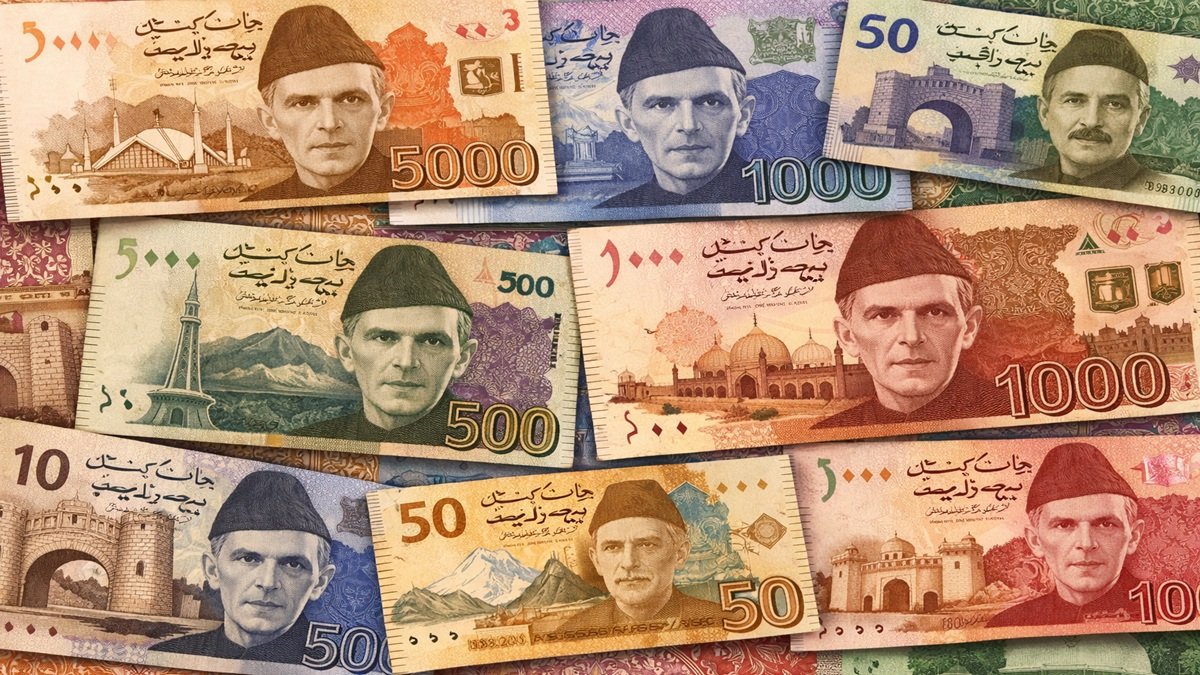
Table of Contents
- Why Pakistan Is Introducing New Currency Notes
- Current Currency in Circulation: What Pakistan Uses Today
- Pakistan New Currency Notes Design: What Will Actually Change
- Which Currency Notes Will Be Replaced First
- New Security Features Explained for Common People
- Cultural and Regional Themes on New Notes
- Pakistan New Currency Notes 2026 Release Date: Official Timeline
- Why Printing New Notes Takes Months, Not Weeks
- Cost of Printing New Currency Notes: Realistic Estimates
- How New Notes Will Enter Public Circulation
- Comparison With Pakistan’s Past Currency Changes
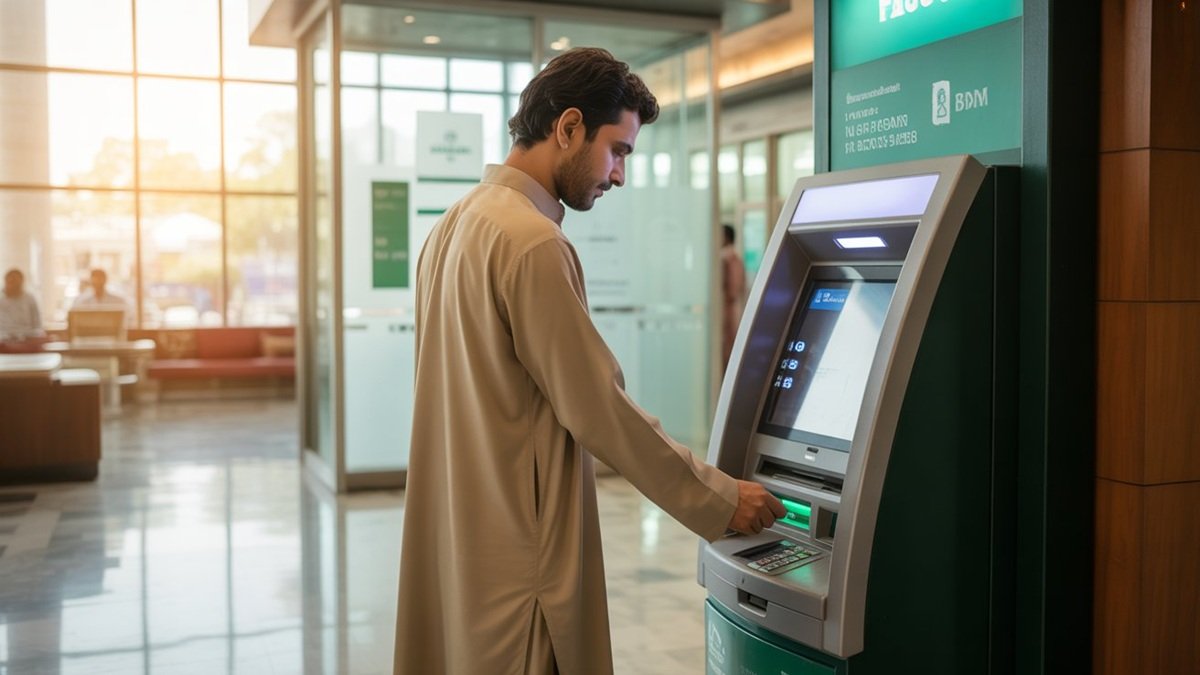
- Impact on Banks, ATMs, and Ordinary Citizens
- What Happens Next
- Frequently Asked Questions (FAQs)
- Why This Currency Change Matters for Pakistan’s Economy
Why Pakistan Is Introducing New Currency Notes
Every currency has a life cycle. Over time, notes wear out, security features become outdated, and counterfeit risks increase.
According to the State Bank of Pakistan, the main reason for launching new currency notes Pakistan 2026 is to:
- Strengthen anti-counterfeit protection
- Improve durability of notes
- Align with modern international standards
Pakistan remains a cash-heavy economy, especially for daily purchases. With trillions of rupees moving hand to hand, outdated designs increase both fraud risk and replacement costs. Understanding proper NADRA facial recognition and CNIC verification systems also helps in maintaining secure financial transactions.
👉 Official source: State Bank of Pakistan

Current Currency in Circulation: What Pakistan Uses Today
Right now, Pakistan uses the 2005 currency series, which includes:
- Rs10, Rs20, Rs50
- Rs75 (commemorative)
- Rs100, Rs500
- Rs1,000, Rs5,000
As of December 19, 2025, the total value of currency in circulation reached Rs10.634 trillion, according to SBP’s official monetary data.
This figure matters because it shows how dependent Pakistan still is on cash, especially outside major cities. Similar to how citizens track important dates like Ramadan 2026 dates in Pakistan, they also monitor currency updates closely.
👉 SBP monetary statistics: SBP Economic Data
Important clarification: SBP has clearly stated that existing notes will remain valid, and no demonetization is planned.
Pakistan New Currency Notes Design: What Will Actually Change
The Pakistan new currency notes design focuses on security, clarity, and representation, not shock or sudden change.
What stays the same:
- Quaid-e-Azam Muhammad Ali Jinnah remains on the front
- Legal value and usage remain unchanged
What changes:
- New back designs with landmarks and social themes
- Modern printing techniques
- Stronger security layers
SBP worked with international currency design experts, a common practice among central banks globally.
👉 Global standards reference: Bank for International Settlements (BIS)
Which Currency Notes Will Be Replaced First
SBP is not changing all notes at once.
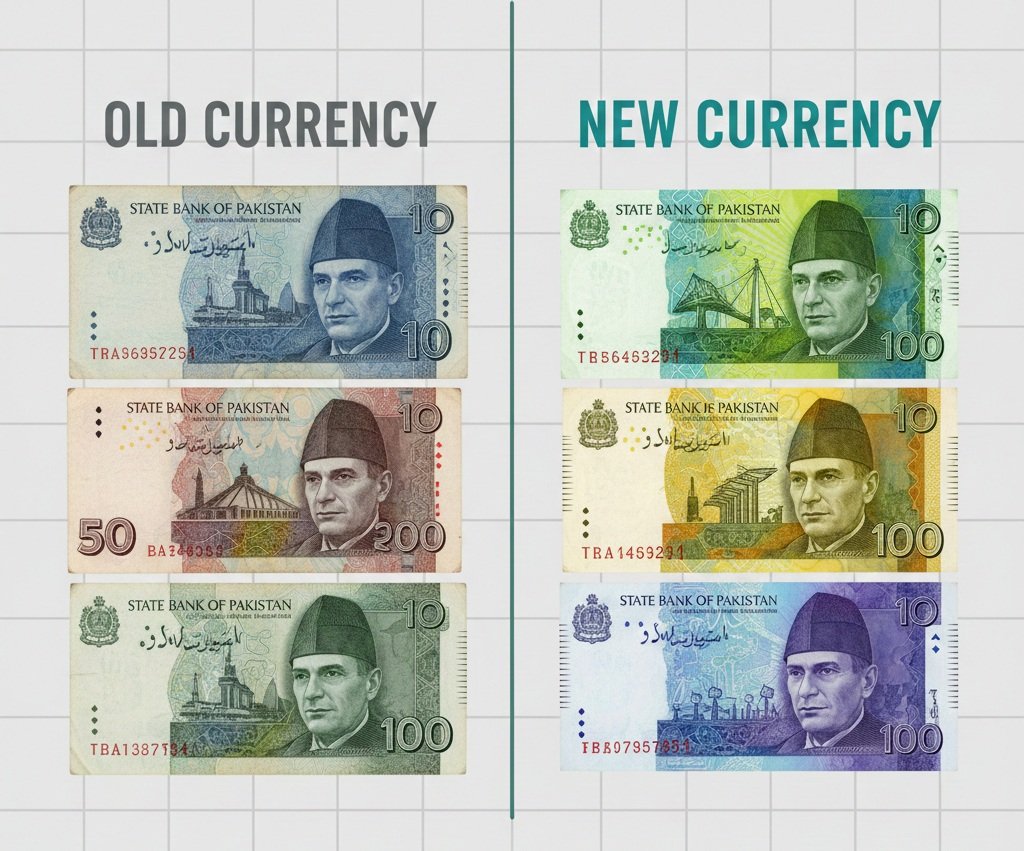
The first redesigned notes will likely include:
- Rs100
- Rs500
- Rs1,000
- Rs5,000
These denominations:
- Carry higher value
- Are used more frequently
- Face higher counterfeiting risk
Lower notes such as Rs10–Rs50 may be updated later, but no final announcement has been made.
This phased approach reduces disruption, which is crucial for public trust.
New Security Features Explained for Common People
Security features sound technical, but their purpose is simple: make fake notes harder to produce.
What the New Notes Will Include
- Security threads visible when held against light
- Color-shifting ink that changes shade when tilted
- Holograms and metallic strips
Added Practical Benefits
- Raised printing to help visually impaired users
- UV elements for machine verification
- ATM-friendly designs to reduce machine errors
These features follow guidelines used by major economies.
👉 Reference: INTERPOL – Counterfeit Currency
Cultural and Regional Themes on New Notes
Unlike older designs, the new notes aim to tell a national story.
Regional Representation
Designs will reflect:
- Northern mountain regions
- Indus Valley heritage
- Coastal and desert areas
- Provincial historical sites
Social and Climate Focus
SBP has also included:
- Women’s contribution to development
- Climate resilience and sustainability themes
This makes currency more relatable and modern, especially for younger generations. Just as citizens stay informed about Pakistan’s new solar net metering policy 2026, they appreciate seeing their cultural heritage on currency.
Pakistan New Currency Notes 2026 Release Date: Official Timeline
People keep asking about the Pakistan new currency notes 2026 release date. Here is what is officially known.
| Stage | Expected Timeframe |
|---|---|
| Cabinet approval | January 2026 |
| Design review committee | Early 2026 |
| Printing start | ~2 months later |
| Public circulation | Late 2026 |
Most indicators point to November–December 2026, assuming printing stays on schedule.
👉 Ministry of Finance updates: Ministry of Finance Pakistan
Why Printing New Notes Takes Months, Not Weeks
Currency printing is not like regular printing.
After approval, SBP must:
- Prepare security plates
- Import special inks and paper
- Conduct multiple test batches
- Pass strict quality checks
Even a small error can cause massive losses. That is why SBP prefers delay over risk.
This cautious approach was also followed during the 2005 currency rollout.
Cost of Printing New Currency Notes: Realistic Estimates
SBP has not announced exact costs yet.
However, past data shows:
- Annual printing costs usually range Rs11–13 billion
- FY2020 costs reached Rs13.32 billion
- Experts estimate the new series could add Rs5–10 billion spread over 1–2 years
Crucially, this cost is covered through seigniorage, not direct taxes. This is similar to how government manages other fiscal operations, including Punjab property registration and fard processes.
👉 SBP annual reports: SBP Annual Reports
How New Notes Will Enter Public Circulation
The rollout will be gradual and calm.
Step-by-Step Process
- Notes stored in SBP vaults
- Distributed to commercial banks
- Released through ATMs and counters
High-use notes like Rs500 will appear first. By mid-2027, most old notes will fade out naturally due to wear.
Comparison With Pakistan’s Past Currency Changes
Pakistan last introduced a full currency series in 2005.
What Is Different This Time
- Better security technology
- Social and climate messaging
- Accessibility features
- No sudden withdrawal
Unlike disruptive demonetization seen in other countries, Pakistan’s strategy is slow, stable, and trust-focused.
Impact on Banks, ATMs, and Ordinary Citizens
Banks will:
- Update ATM software
- Adjust sorting machines
- Train staff
For the public:
- No rush to exchange notes
- No loss of savings
- No change in value
This calm transition protects financial confidence, which SBP considers critical. Citizens can focus on other important matters like Ministry of Defence jobs 2026 without worrying about currency disruption.
What Happens Next
In the coming months, watch for:
- SBP press releases
- Final design images
- Bank notices about ATMs
The first new Rs500 note will likely signal wider circulation. Meanwhile, technological developments like Satellite internet in Pakistan through Starlink continue to modernize the country’s infrastructure.
Frequently Asked Questions (FAQs)
Will old notes be banned?
No. All existing notes remain legal tender.
When will new notes be available?
Late 2026, likely November or December.
Which notes change first?
Rs100, Rs500, Rs1,000, Rs5,000.
Will prices increase because of this?
No direct inflation impact is expected.
What are the main reasons for launching new currency notes?
The State Bank of Pakistan is introducing new notes to strengthen anti-counterfeit protection, improve durability of notes, and align with modern international standards.
Can I still use my old notes after new ones are released?
Yes. The State Bank of Pakistan has confirmed that old notes will remain valid indefinitely. There is no demonetization plan.
How much will it cost to print the new currency notes?
While exact costs haven’t been announced, experts estimate Rs5-10 billion spread over 1-2 years, covered through seigniorage rather than direct taxes.
Will ATMs accept old notes after new ones arrive?
Yes. ATMs will be programmed to accept both old and new notes during the transition period.
Why This Currency Change Matters for Pakistan’s Economy
Currency is about trust, not just paper.
By upgrading security without panic or pressure, SBP shows stability, planning, and respect for public confidence. That matters deeply in an economy where cash still plays a central role.
For ordinary Pakistanis, the message is simple:
- Your money stays valid.
- Your savings stay safe.
- And change will come slowly—not suddenly.
Disclaimer: This article is for informational purposes only and is based on publicly available information from official sources including the State Bank of Pakistan. While every effort has been made to ensure accuracy, readers are advised to verify current information from official SBP channels. Currency policies and timelines may be subject to change. This article does not constitute financial or legal advice. For official updates, please visit www.sbp.org.pk.