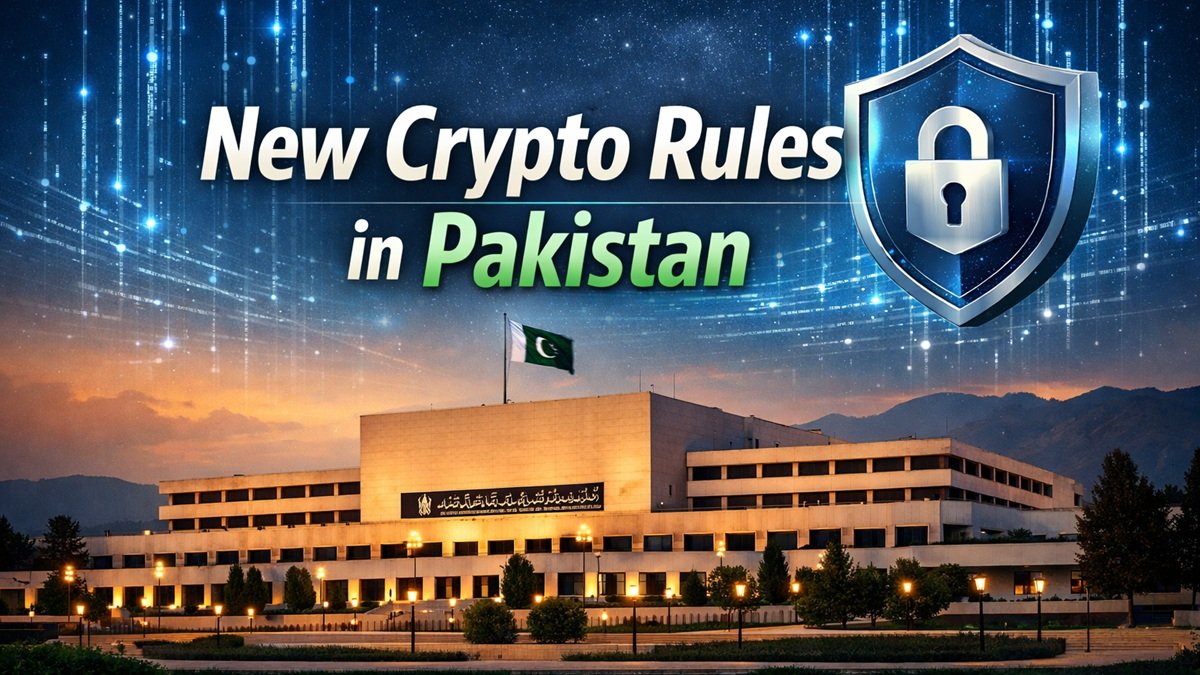
Pakistan Moves to Regulate Digital Assets as PVARA Sandbox Goes Live
Pakistan has entered a new phase in digital finance. The government launched a regulatory sandbox under the Pakistan Virtual Assets Regulatory Authority. This PVARA sandbox marks one of the most serious policy shifts in recent Pakistan crypto news. For years, crypto activity operated in uncertainty. Now, a supervised crypto testing framework is underway. Instead of banning or ignoring digital assets, authorities are testing them in a controlled way.
This article explains what the Sandbox Pakistan model means, why it matters now, and what ordinary citizens should actually do next.
📋 Table of Contents
- Why Pakistan Launched the PVARA Sandbox
- How the PVARA Sandbox Works
- Use Cases Being Tested First
- Impact on Pakistan’s Remittance Economy
- What This Means for Freelancers and Small Businesses
- Licensing Rules for Exchanges
- Pakistan vs India: A Policy Comparison
- Economic and Regulatory Context
- Timeline of Crypto Regulation in Pakistan
- What Happens Next
- Frequently Asked Questions
Why Pakistan Launched the PVARA Sandbox
Crypto adoption in Pakistan has grown despite uncertainty. At the same time, regulators remained cautious.
Back in 2018, the State Bank of Pakistan issued a circular advising banks not to deal with virtual currencies. That advisory did not criminalize individual ownership. But it created confusion in the banking sector.
Meanwhile, global adoption increased. According to Chainalysis, Pakistan has ranked among countries with strong grassroots crypto activity in recent years.
So the government faced a choice. Ignore the sector. Ban it outright. Or regulate it carefully.
The new PVARA ordinance structure shows a third path. Controlled testing before full legalization. This approach focuses on four key areas:
- Anti-money laundering compliance
- Consumer protection
- Sharia screening
- Risk-based supervision
Importantly, Pakistan has learned from its experience with the Financial Action Task Force (FATF). Any digital asset framework must align with FATF standards to avoid international scrutiny. That is why this sandbox is not a free market experiment. It is a monitored one.
📌 Related Reading: Learn how the future of crypto regulation is shaping Pakistan’s digital economy. Also read our analysis on 5G in Pakistan and how digital infrastructure is evolving alongside fintech.
How the PVARA Sandbox Works

The sandbox model is built on strict compliance and supervised innovation. Photo: Pexels
The Sandbox PVARA model allows selected firms to test products under strict oversight. The launch took place in February 2026. Detailed operational guidelines are expected on the official portal at pvara.gov.pk once fully active.
Step-by-Step Framework
- Submit Expression of Interest
- Apply for a No Objection Certificate (NOC)
- Provide full AML and compliance documentation
- Conduct a limited live pilot
- Undergo evaluation for full VASP license
Only internationally regulated firms may qualify initially. These include companies licensed by authorities such as:
- US Securities and Exchange Commission (SEC)
- UK Financial Conduct Authority (FCA)
- UAE Virtual Assets Regulatory Authority (VARA)
- Monetary Authority of Singapore (MAS)
This ensures that early participants already follow global compliance standards. Furthermore, sandbox participants must implement full KYC verification, real-time transaction monitoring, cybersecurity controls, and reporting obligations. So while innovation is allowed, supervision remains strict.
Use Cases Being Tested First
Unlike speculative trading headlines, PVARA Pakistan focuses on practical use cases that affect everyday people.
1. Stablecoin Payments
Stablecoins reduce price volatility. Globally, they are used for cross-border transfers and settlements. The Bank for International Settlements has discussed stablecoin oversight in its digital finance research. For Pakistan, stablecoins may help freelancers and exporters receive payments faster.
2. Cross-Border Remittances
Remittances are central to Pakistan’s economy. According to the State Bank of Pakistan, remittances have exceeded 30 billion US dollars annually in recent years. Traditional transfer channels often involve multiple intermediaries. Fees can range from 5 to 7 percent depending on the route. If blockchain rails reduce intermediaries, cost savings could improve household income.
💡 Key Insight: Blockchain-powered remittances could reduce transfer fees significantly. For a country receiving over $30 billion per year, even a 1–2% reduction in fees means hundreds of millions of dollars retained by Pakistani families.
3. Tokenization of Real Assets
Tokenization allows digital representation of property or commodities. Countries like Singapore and the UAE are testing similar frameworks under central bank supervision. For Pakistan, this could modernize property record systems in the long term. However, it remains at early pilot stage.
4. On and Off Ramp Infrastructure
Safe conversion between PKR and digital assets is critical. The sandbox aims to test supervised conversion systems that connect regulated wallets to banking channels. Without strong on and off ramps, digital asset ecosystems cannot operate legally.
Impact on Pakistan’s Remittance Economy
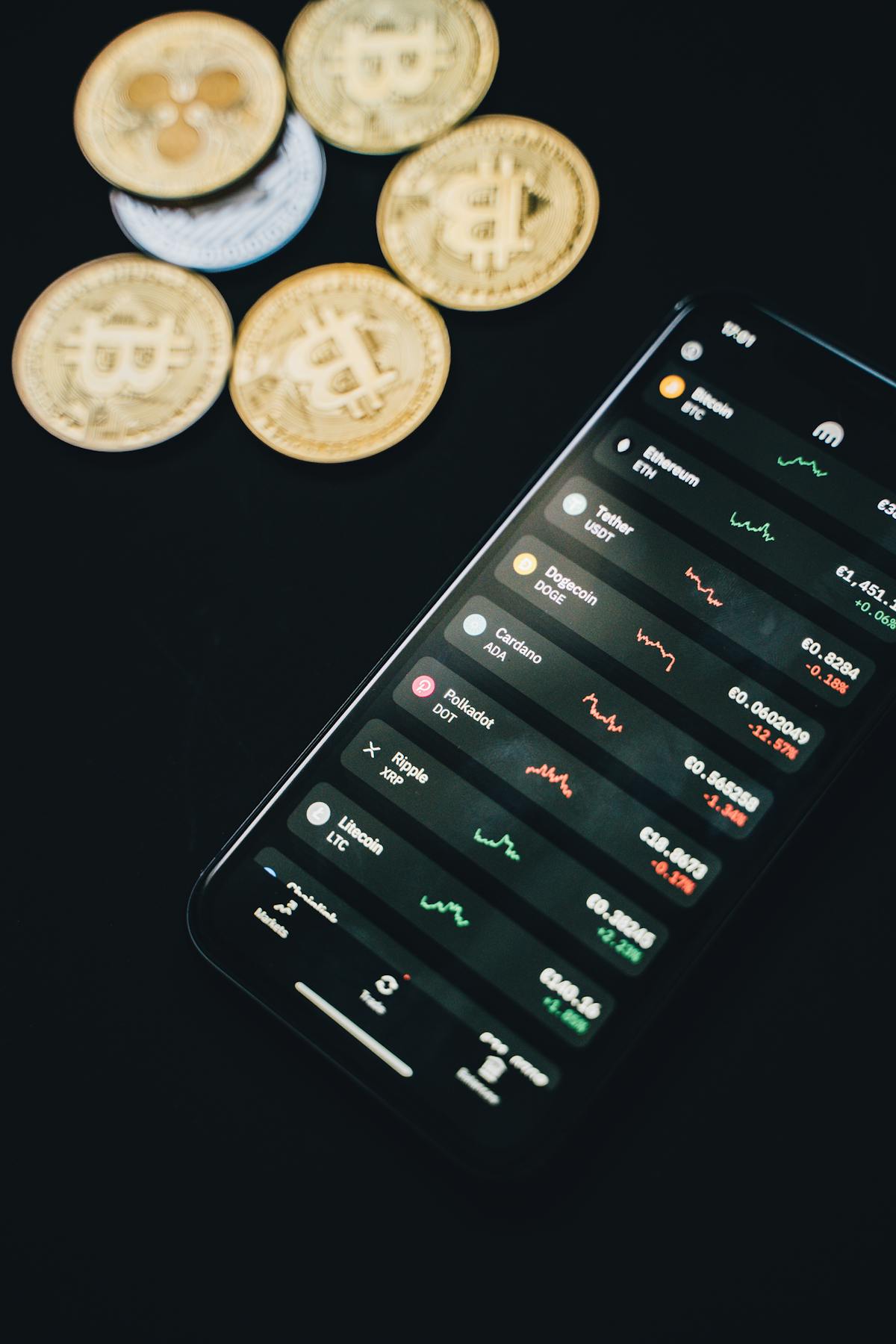
Pakistan enters a new era of digital asset regulation with the PVARA sandbox launch. Photo: Pexels
Remittances stabilize the rupee and support millions of households. The State Bank of Pakistan regularly publishes remittance data in its monetary policy statements.
Currently, challenges include settlement delays, exchange rate spreads, and service charges. If supervised blockchain systems reduce cost margins even modestly, families could retain more income. However, experts caution that compliance costs may offset some savings.
Want to understand how Pakistan’s new currency infrastructure is developing alongside digital assets? Read our piece on Pakistan’s new currency notes design and launch update.
What This Means for Freelancers and Small Businesses
Pakistan has one of the largest freelance communities in the region. IT ministry briefings and industry reports estimate around two million active freelancers. Many work on global platforms. Payment delays and compliance holds are common complaints.
Under a regulated Pakistan crypto exchange system, freelancers may gain:
- Faster settlements
- Clear dispute mechanisms
- Legal recognition of digital receipts
- Improved tax clarity in future
⚠️ Important Warning: Freelancers should wait for official licensing announcements. Always verify platforms through official regulatory portals. Do not rely on social media marketing claims. Check updates on pvara.gov.pk and sbp.org.pk only.
Also read: Satellite Internet in Pakistan: Starlink Price, Launch and Policy — as digital connectivity is key to freelancer growth.
Licensing Rules for Exchanges
The licensing process under the Pakistan crypto council policy discussions emphasizes strict compliance. Here is a simplified overview.
| Stage | Requirement | Estimated Time |
|---|---|---|
| Pre-Application | Compliance framework setup | Flexible |
| NOC Submission | Formal Expression of Interest | Rolling |
| Review | AML and risk assessment | Around 90 days |
| Sandbox Pilot | Limited operations | Conditional |
| Full License | Virtual Asset Service Provider approval | After evaluation |
Core Requirements
- Full identity verification systems
- FATF-aligned AML controls
- Cybersecurity testing
- Capital adequacy proof
- Local compliance presence
This mirrors global standards followed by regulators such as the FCA and VARA. Importantly, this process reduces the risk of fly-by-night exchanges entering the market.
Pakistan vs India: A Policy Comparison
India adopted a tax-heavy crypto approach. According to India’s Ministry of Finance, crypto gains are taxed at 30 percent. Additionally, a 1 percent transaction deduction applies.
Pakistan, on the other hand, has not finalized crypto taxation yet. Instead, it is testing infrastructure first.
| Aspect | Pakistan | India |
|---|---|---|
| Sandbox | Yes — PVARA framework live | No formal sandbox for crypto |
| Tax | Not yet finalized | 30% capital gains tax |
| Focus | Remittance and compliance | Revenue and transaction monitoring |
| Innovation Model | Controlled testing first | Tax-based regulation |
Pakistan’s model may encourage infrastructure growth before imposing heavy taxation. However, long-term sustainability will depend on legislative clarity.
Economic and Regulatory Context
Pakistan faces multiple economic pressures. External account management remains critical. Youth unemployment is a growing concern. At the same time, digital finance is expanding globally.
The International Monetary Fund has emphasized the importance of financial transparency and AML systems in emerging markets. Therefore, building a supervised digital asset framework helps Pakistan align with global compliance standards.
More importantly, FATF compliance remains a national priority. Any weakness in AML oversight could create diplomatic and financial challenges. This explains why the sandbox includes strict monitoring conditions. Pakistan cannot afford another grey-listing experience. The crypto framework, if done right, actually strengthens the country’s financial credibility globally.
Timeline of Crypto Regulation in Pakistan
| Year | Development |
|---|---|
| 2018 | SBP advisory to banks regarding virtual currencies |
| 2021–2023 | Rapid increase in crypto adoption across Pakistan |
| 2025 | Regulatory consultations intensify; PVARA consultations begin |
| February 2026 | PVARA sandbox officially launched |
This timeline shows gradual policy evolution rather than sudden change. Pakistan is moving carefully. That is a good sign.
What Happens Next

Pakistan’s fintech future depends on how well the PVARA sandbox is implemented. Photo: Pexels
Several developments are expected in coming months:
- Publication of detailed regulatory guidelines
- Opening of official application portal
- Approval of first sandbox participants
- Public awareness campaigns
Users should stay updated through official sources only. Avoid unverified influencers or marketing promotions.
Why This Development Matters
This is not only about traders. It affects overseas workers, remittance-receiving families, freelancers, startups, and small exporters. If implemented responsibly, the PVARA sandbox could improve transparency and reduce informal market activity. However, success depends on enforcement, clarity, and consistent communication.
Pakistan has moved from hesitation to structured experimentation. That shift alone makes this a defining chapter in Pakistan crypto news. The real test begins now.
Frequently Asked Questions
What is the PVARA sandbox in Pakistan?
The PVARA sandbox is a supervised testing framework launched by the Pakistan Virtual Assets Regulatory Authority in February 2026. It allows selected firms to test digital asset products under strict oversight before getting a full license.
Is crypto legal in Pakistan now?
Pakistan has not fully legalized crypto but has launched a regulatory sandbox to test digital assets in a controlled environment. The sandbox marks a major policy shift from the 2018 SBP advisory that discouraged banks from dealing with virtual currencies.
Who can apply for the PVARA sandbox?
Initially, only internationally regulated firms may qualify. These include companies licensed by the US SEC, UK FCA, UAE VARA, or the Monetary Authority of Singapore. They must also meet full KYC, AML, and cybersecurity requirements.
How does the PVARA sandbox affect freelancers in Pakistan?
Freelancers may benefit from faster settlements, legal recognition of digital payments, and clearer tax frameworks in the future. However, they should wait for official licensing announcements and verify platforms only through official regulatory portals.
What use cases are being tested in the PVARA sandbox?
The sandbox focuses on stablecoin payments, cross-border remittances, tokenization of real assets, and on/off ramp infrastructure connecting regulated wallets to banking channels.
How is Pakistan’s crypto policy different from India’s?
India applies a 30% capital gains tax and a 1% transaction deduction on crypto. Pakistan has not finalized crypto taxation yet and is instead testing infrastructure first through a regulatory sandbox — focusing on remittances and compliance.
Where can I check for PVARA updates officially?
Visit pvara.gov.pk for regulatory updates and sbp.org.pk for State Bank of Pakistan announcements. These are the only reliable official sources.
Can ordinary citizens use crypto legally in Pakistan right now?
Individual ownership was never explicitly criminalized. However, operating through unlicensed platforms carries risk. Until full licensing is announced, using internationally regulated exchanges and staying updated through official channels is the safest approach.