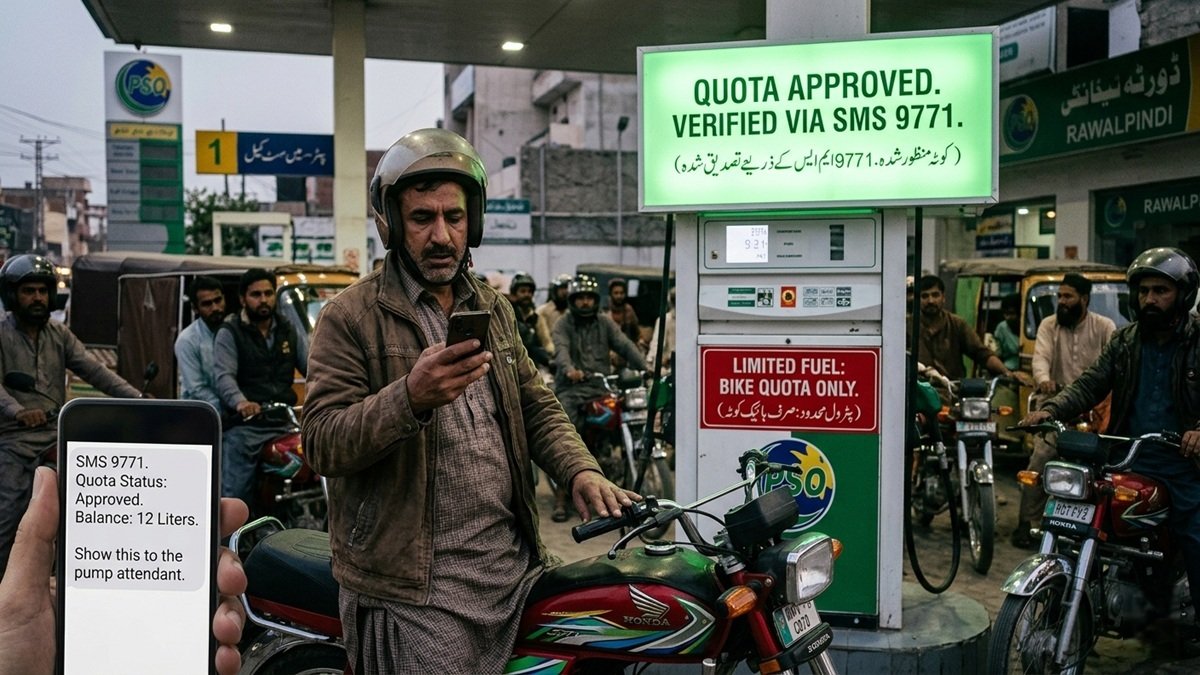
Fuel prices in Pakistan keep rising. Bike riders, delivery workers, and rickshaw drivers feel it most. The government has finally launched a targeted solution: the National Fuel Pass (NFP). A simple SMS to 9771 is all it takes to register. Here is everything you need to know.
What Is the Pakistan Fuel Quota App?
The National Fuel Pass (NFP) is a digital subsidy program. It was launched by the Ministry of IT and Telecom and the National IT Board.
It gives selected users a limited fuel quota at subsidized rates. The target groups are motorcycle owners and rickshaw drivers. These people rely on fuel daily. Even a small saving matters.
How It Works
- CNIC-based identity verification
- SMS registration via 9771
- Digital fuel vouchers issued instantly
- App-based verification at petrol stations
This structure keeps the system transparent. It reduces misuse and targets those who truly need help.
Why This System Matters Right Now
Fuel prices have stayed high due to global oil trends and IMF-linked economic adjustments. Past subsidies went to everyone. Even high-income earners benefited. This drained the budget.
Now, the government wants to save around Rs69 billion by focusing support only on low-income users. Read more about how petrol prices have shifted in April 2026.
💡 Key fact: Before this system, fuel subsidies benefited everyone regardless of income. The NFP changes that completely. Only verified, eligible users get the subsidy.
This system also supports Pakistan’s Digital Pakistan initiative. It blends simple SMS access with modern real-time tracking.
Key Features of the Digital Fuel Quota System
The NFP is built on a nationwide digital network. It covers over 12,000 fuel stations and uses around 24,000 verification devices.
- Every transaction is recorded in real time
- Prevents hoarding and black market fuel deals
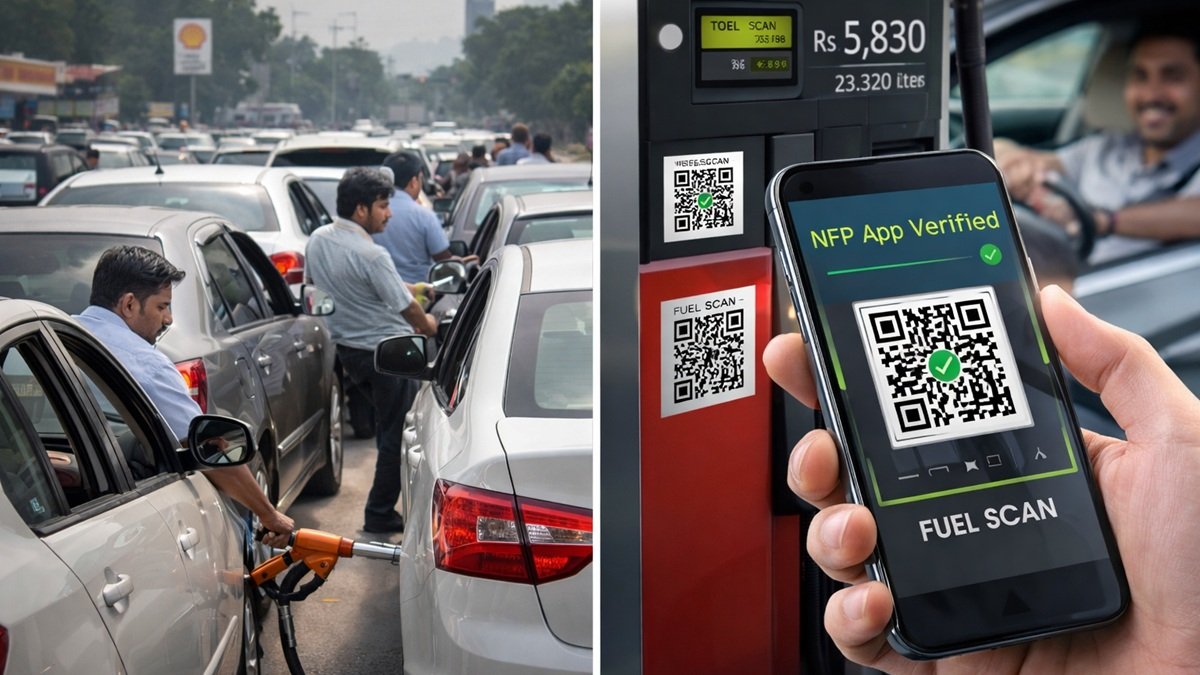
- Fuel attendants verify vouchers instantly via the NFP app
- Quota limits are strictly enforced — no overuse allowed
For example: if your remaining quota is 15 liters, the system blocks any extra fuel from being issued. Simple and fair.
Step-by-Step Registration Guide: SMS 9771
The process works on any basic mobile phone. You do not need a smartphone.
Send your CNIC number and vehicle details to 9771
Receive a fuel quota code within seconds
Reply with the received code
Get your unique voucher number
Visit a fuel station and show the voucher
The attendant verifies your details before fuel is issued. Your CNIC must be valid and verified with NADRA.
📱 Tip: Make sure your CNIC matches your vehicle registration exactly. Any mismatch will block your registration. Double-check before sending.
Fuel Quota Details
| Vehicle Type | Estimated Quota | Purpose |
|---|---|---|
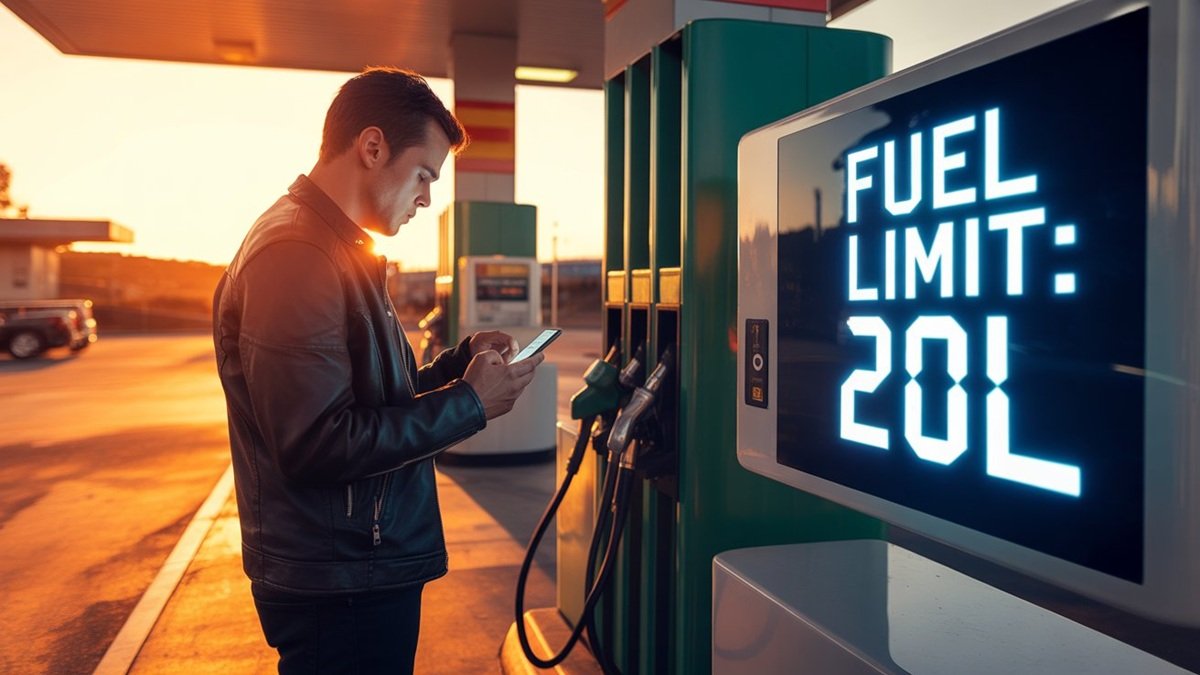
| Motorcycles | Up to 20 liters | Daily commuting |
| Rickshaws | Up to 30 liters | Commercial use |
Quotas reset after a specific period. Users receive SMS updates when their quota is renewed. This keeps the process transparent and easy to track.
Rollout and Current Availability
The system was finalized in mid-March 2026 and launched across Pakistan by late March. Check the latest updates at the official government portal.
✅ Current status:
- Fully operational across all provinces
- Fuel stations equipped with verification devices
- Separate nozzles for subsidized fuel now in use
Note: Four-wheelers are mostly excluded at this stage. No public mobile app exists yet. Everything runs through SMS and backend systems.
Local Impact Across Pakistan
Motorcycles are the most common transport in cities like Rawalpindi, Lahore, and Karachi. Millions depend on them daily for work and income.
This system can cut daily fuel costs noticeably. Families may finally manage expenses more easily. Rickshaw drivers stand to benefit the most. Fuel is their single largest cost. A fixed quota means stable, predictable earnings.
⚠️ Problem right now: Awareness is still very low. Many eligible users have not registered yet. The government needs a stronger public outreach campaign — especially in rural areas.
Pakistan’s new infrastructure push also shows long-term commitment to mobility. See how 3 new motorway projects are cutting travel time across the country.
Comparison With Past Subsidy Programs
Pakistan has tried subsidies before. The Ehsaas program offered cash support. This new system is different in a fundamental way.
| Feature | Old Subsidy Model | National Fuel Pass (NFP) |
|---|---|---|
| Targeting | Everyone | Low-income, specific vehicles |
| Delivery method | Cash / blanket reduction | Digital voucher via SMS |
| Fraud risk | High | Low (real-time CNIC verification) |
| Budget impact | Heavy on all income groups | Focused — saves Rs69 billion |
Expert Insights and Policy View
Government officials say every fuel transaction is now tracked digitally. This is a major change from the past.
Policy analysts see this as a shift toward smarter, more honest subsidies. Pakistan has long struggled with fuel price shocks. The Rs321 fuel crisis showed just how vulnerable ordinary people are.
The IMF’s engagement with Pakistan also makes targeted subsidies important. Broad subsidies conflict with fiscal discipline. The NFP tries to balance both: social protection and budget control.
Remaining Challenges
- Low awareness in rural and remote areas
- Risk of misuse through false registration
- Need for stronger public communication in local languages
Despite these issues, most analysts view the NFP as a practical and necessary step during economic pressure. Read about the Ministry of Finance’s fiscal planning for more context.
What Happens Next?
The government has signaled several upgrades are coming:
- Expansion to small cars
- Launch of a public mobile app
- Stronger NADRA-linked verification checks
- Integration with broader digital subsidy programs
If successful, this model could expand beyond fuel. Transport, electricity, and other basic needs could follow the same system.
Frequently Asked Questions