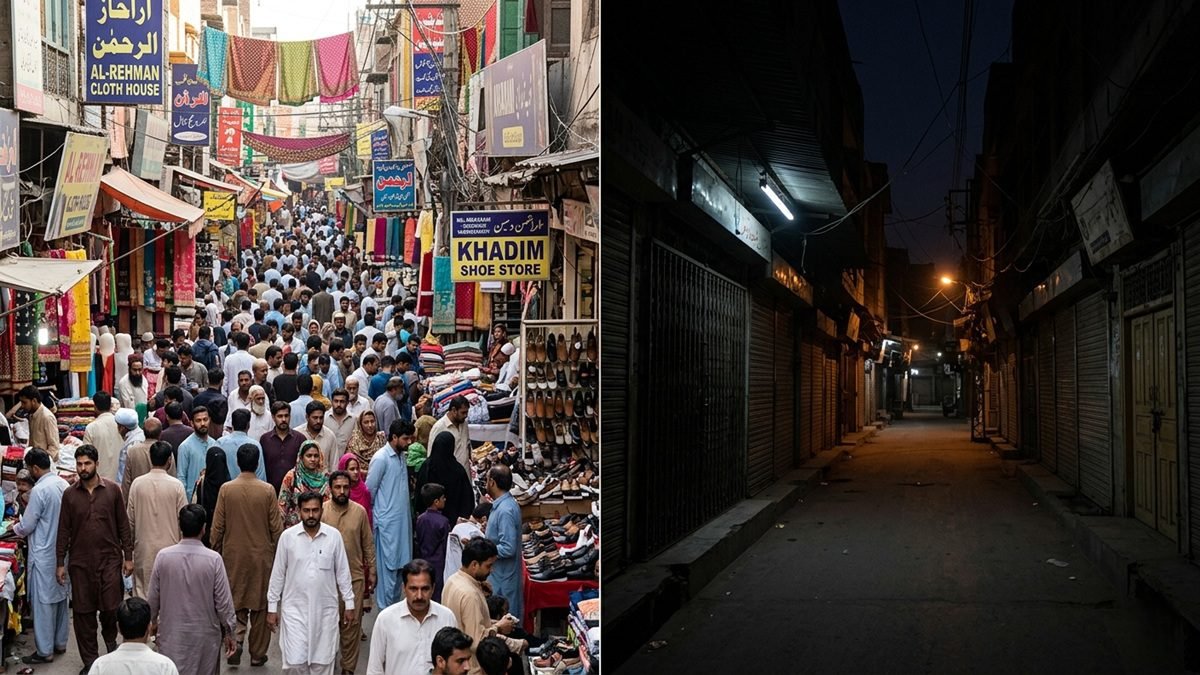
Pakistan is under pressure. Fuel prices are high. Supply is uncertain. Daily routines are shifting. Now, the government has stepped in with a clear rule. From April 7, 2026, shops across most of the country must shut by 8 PM. This policy is part of a national energy-saving plan led by Prime Minister Shehbaz Sharif. At first glance, it looks simple. But in reality, it affects millions of people and businesses.
📋 What’s In This Article
- What is the 8 PM Market Closure Policy?
- Why Pakistan is Facing a Fuel Crisis
- Fuel Prices and Economic Pressure
- Province-Wise Rules and Differences
- Public and Business Reactions
- Government Relief Measures
- Past vs Current Energy Crisis
- Expert Insights and Future Outlook
- Local Impact: Why This Matters
- How to Adapt
- What Happens Next?
- FAQs
What is the 8 PM Market Closure Policy?
The government has set fixed closing hours to cut energy use quickly. Most provinces are already following this directive, issued under a national energy conservation plan.
| Sector | Closing Time |
|---|---|
| Markets & Malls | 8 PM |
| Restaurants & Wedding Halls | 10 PM |
| KP Divisional Cities | 9 PM |
| Pharmacies | Open (Exempt) |
Sindh is still reviewing it. Chief Minister Murad Ali Shah is consulting trader bodies before taking a final decision. According to updates from the Prime Minister’s Office Pakistan, the main goal is to reduce fuel and electricity demand during peak hours.
Why Pakistan is Facing a Fuel Crisis
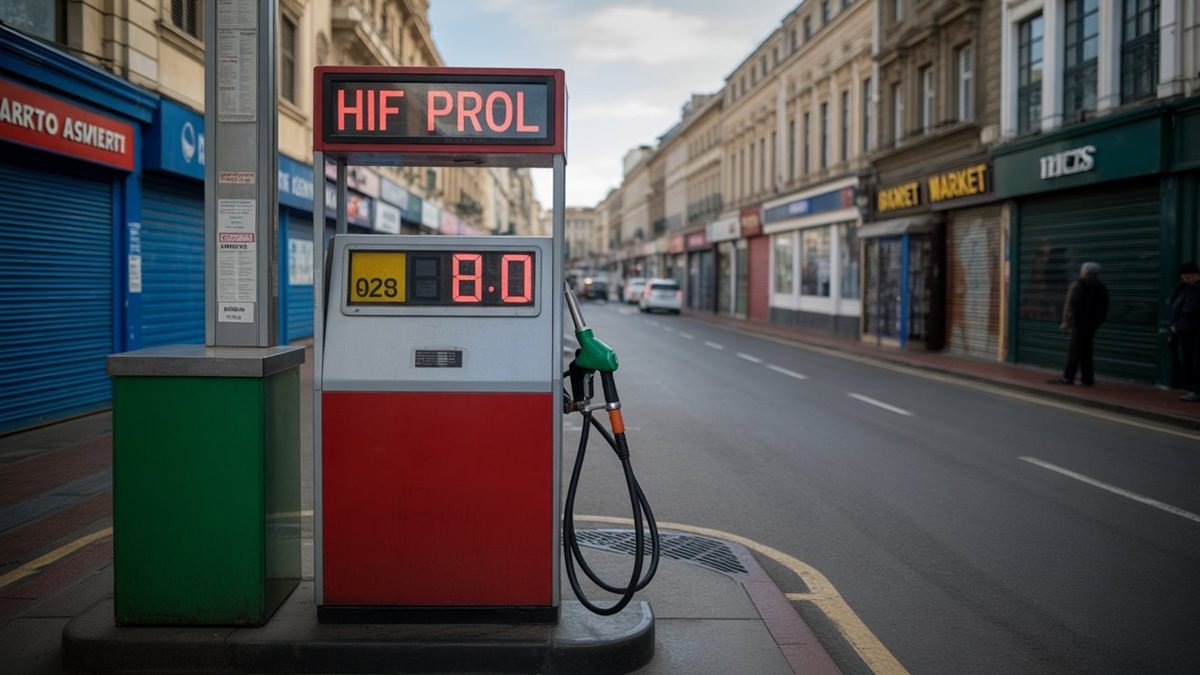
This crisis is global in nature. However, Pakistan is feeling it more due to heavy import dependence. Pakistan imports nearly 90 percent of its oil.
⚠️ Key Reasons Behind the Crisis
- Tensions in the Middle East
- Disruption in oil supply routes
- Rising tanker insurance and freight costs
- Near-total dependence on imported fuel
The Petroleum Division Pakistan has warned that supply disruptions are increasing pressure on both availability and prices. A key chokepoint is the Strait of Hormuz. Any disruption there directly impacts Pakistan’s supply chain.
You can learn more about the broader picture in our detailed report: Pakistan’s Energy Crisis: Fuel, Gas and Power Risks Explained.
Fuel Prices and Economic Pressure
Fuel prices have seen a sharp increase. Even after some relief, they remain high.
| Fuel Type | Peak Price | Current Price |
|---|---|---|
| Petrol | Rs458.41/L | Rs378/L |
| Diesel | Rs520.35/L | Slightly Lower |
The government reduced taxes to ease the burden. Still, the pressure continues. According to insights linked with the State Bank of Pakistan, rising oil prices increase import bills and weaken the rupee. Inflation risks remain high as a result.
For the latest fuel price updates, read: Pakistan Petrol Price April 2026 Update and Prediction.
Province-Wise Rules and Differences
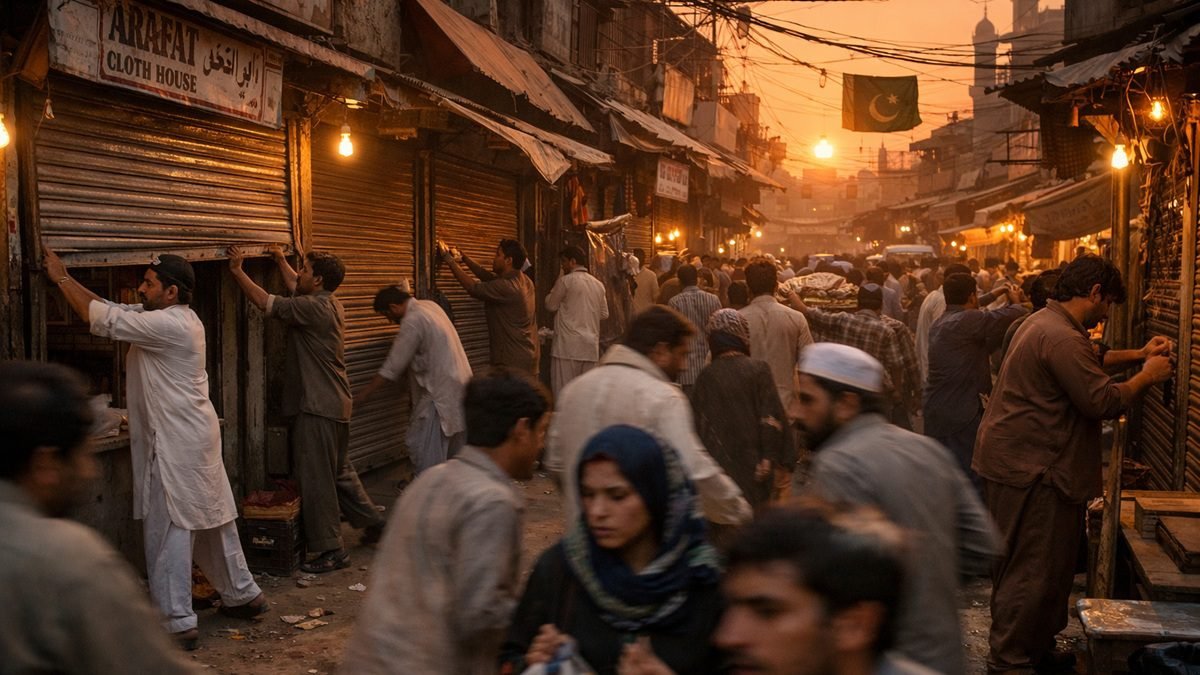
Each province is applying the policy with small adjustments. This flexible approach shows coordination but also highlights local concerns.
🗺️ Punjab
- Full implementation of the 8 PM rule
- Government fuel use reduced across departments
🗺️ Khyber Pakhtunkhwa
- Markets open till 9 PM in key divisional cities
- Active coordination with local traders
🗺️ Balochistan
- Strict enforcement in place
- Trader support measures for compliance
🗺️ Sindh
- Still in consultation phase
- Focus on protecting small businesses
Public and Business Reactions
People are adjusting, but not without difficulty.
📣 How the Public is Responding
- Shopping is shifting to daytime hours
- Online buying is increasing
- Night outings are significantly reduced
Small businesses are facing real challenges. Concerns raised through the Karachi Chamber of Commerce and Industry show that traders want alternative support, not just restrictions. The impact includes:
- 20 to 30 percent drop in evening sales
- Loss of regular evening customers
- Pressure on daily earnings for small shop owners
Government Relief Measures
To reduce the burden, the government has introduced targeted support. This marks a shift from traditional blanket subsidies to smarter, targeted relief.
✅ Key Government Initiatives
- Digital fuel subsidies delivered through mobile wallets
- Up to Rs100,000 monthly support for transporters
- Over 100,000 transactions already processed
- Free inter-city transport (limited time in northern areas)
According to the Ministry of Finance Pakistan, this system improves transparency and reduces misuse of public funds.
This is also connected to the broader government belt-tightening plan. Read more here: Pakistan Austerity Plan: 4-Day Work Week and School Closures.
Past vs Current Energy Crisis
Pakistan has faced energy shortages before. However, this situation is different. Earlier, the focus was on power cuts. Now, it is on changing behavior and reducing demand at the source.
| Factor | Past Crises | Current Crisis |
|---|---|---|
| Cause | Local shortages | Global conflict |
| Response | Load shedding | Early market closure |
| Subsidy system | Broad | Digital and targeted |
| Strategy | Short-term fixes | Demand control |
Expert Insights and Future Outlook
Experts see this as a temporary solution. Energy analyst Dr. Farrukh Saleem has highlighted the need to reduce oil dependence in public discussions. Policy direction from the National Electric Power Regulatory Authority (NEPRA) suggests long-term investment in renewable energy is now a priority.
🔮 Possible Future Changes
- Wider solar energy adoption across urban and rural areas
- Growth in electric vehicle infrastructure
- Gradual reduction in fuel imports
- Better national energy management systems
However, risks remain if global oil supply does not stabilize soon.
Local Impact: Why This Matters
This policy is changing everyday life. In cities like Rawalpindi and Islamabad, people are already adjusting their routines. For many families, this change is inconvenient but necessary.
🏙️ Immediate Effects on Daily Life
- Crowded markets before sunset
- Less night-time activity in commercial areas
- Higher transport costs due to peak-hour travel
- Limited flexibility for workers with late shifts
Step-by-Step Guide: How to Adapt
Small adjustments can make daily life easier during this period.
💡 Simple Ways to Manage the Change
- Shop earlier in the day whenever possible
- Avoid peak evening hours for errands
- Use online delivery services for convenience
- Plan fuel usage carefully and reduce unnecessary trips
- Follow official updates regularly via government channels
What Happens Next?
The situation is still developing. Updates are expected via the Press Information Department Pakistan.
📌 Expected Updates
- Final decision from the Sindh government on closure timing
- Possible adjustments in provincial timing rules
- Expansion of targeted relief programs
- Stronger enforcement mechanisms across provinces
🔑 Key Takeaways
- Markets now close at 8 PM in most regions of Pakistan
- The fuel crisis is driven by global supply disruption, not local mismanagement alone
- Businesses face real revenue losses in the short term
- Government is offering digital, targeted relief for affected groups
- Long-term energy changes including solar and EVs are now being prioritized
Frequently Asked Questions
❓ Why has Pakistan introduced early market closures?
To reduce fuel and electricity use during a global oil crisis. The government aims to cut energy demand during peak hours and ease pressure on the national supply.
❓ Which areas are affected the most?
Major cities across Punjab, KP, Balochistan, and federal regions are most impacted. Sindh is still finalizing its position through trader consultations.
❓ Are essential services open after 8 PM?
Yes. Pharmacies and medical stores are fully exempt from the closure policy and can remain open around the clock.
❓ Will the policy continue long-term?
It depends on global oil supply and price trends. The government may adjust timings or extend the policy as the situation evolves.
❓ How can businesses adjust to this change?
By shifting to daytime operations, exploring online delivery channels, and applying for targeted government relief programs now available through digital platforms.
❓ What government relief is available for affected businesses?
The government offers digital fuel subsidies via mobile wallets and up to Rs100,000 monthly support for transporters, with over 100,000 transactions already processed nationwide.
❓ What about restaurants and wedding halls?
Restaurants and wedding halls have a later closing time of 10 PM under the current policy, giving them more operating hours than regular retail markets.