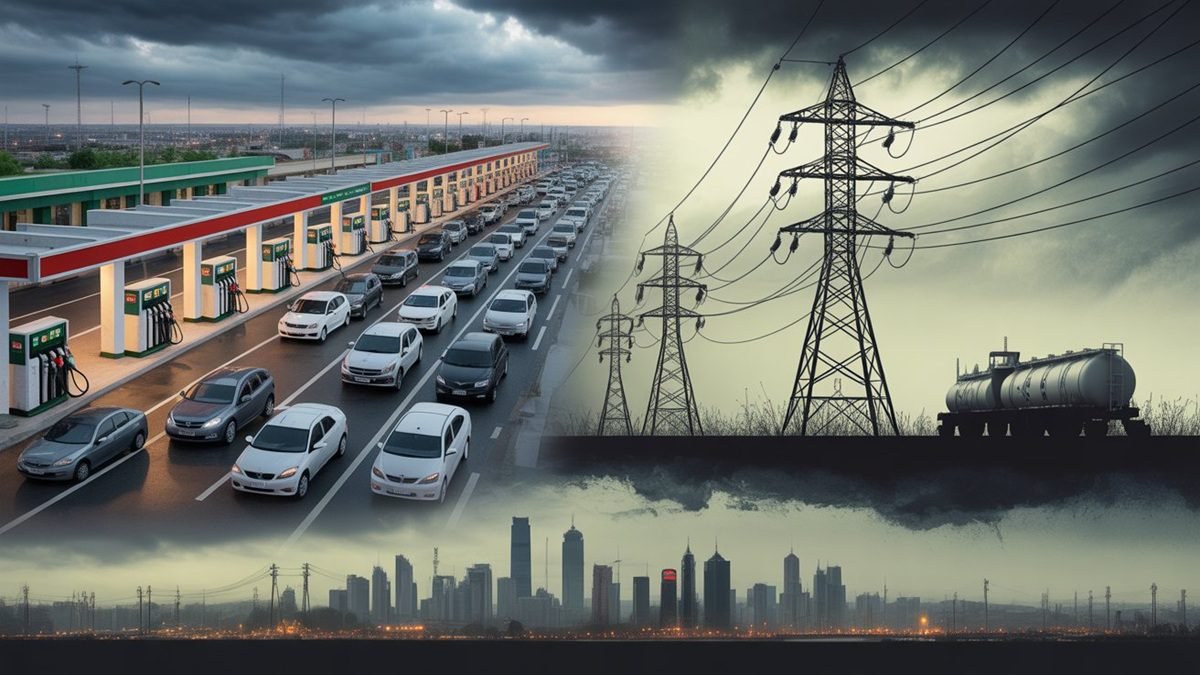
Pakistan’s latest fuel shock is no longer just about petrol prices. It is turning into a wider household cost crisis — and electricity bills could be next. Here is what you need to know right now.
Why This Warning Matters Right Now
Power Minister Sardar Awais Leghari has warned that rising pressure on oil, gas, and furnace oil is increasing the cost of energy across the system. That matters because even when petrol is not directly used for power generation, expensive imported fuels can still raise electricity costs later through fuel cost adjustments (FCA), tariff reviews, or subsidy stress.
Pakistan’s power sector is still exposed to imported fuel shocks. The country has made real progress. Reuters reported in March that 74% of Pakistan’s electricity now comes from domestic sources — hydropower, wind, solar, nuclear, and local coal. That is a big improvement. But part of the system is still exposed when global fuel prices spike.
⚠️ The Government Has Only Three Choices
- Absorb costs through subsidies
- Delay the burden and worsen circular debt
- Pass part of the cost to consumers later
That is why this is not just a policy headline. It is an early warning for future bills.
Official sources to watch: NEPRA Official Website and the Ministry of Energy (Power Division).
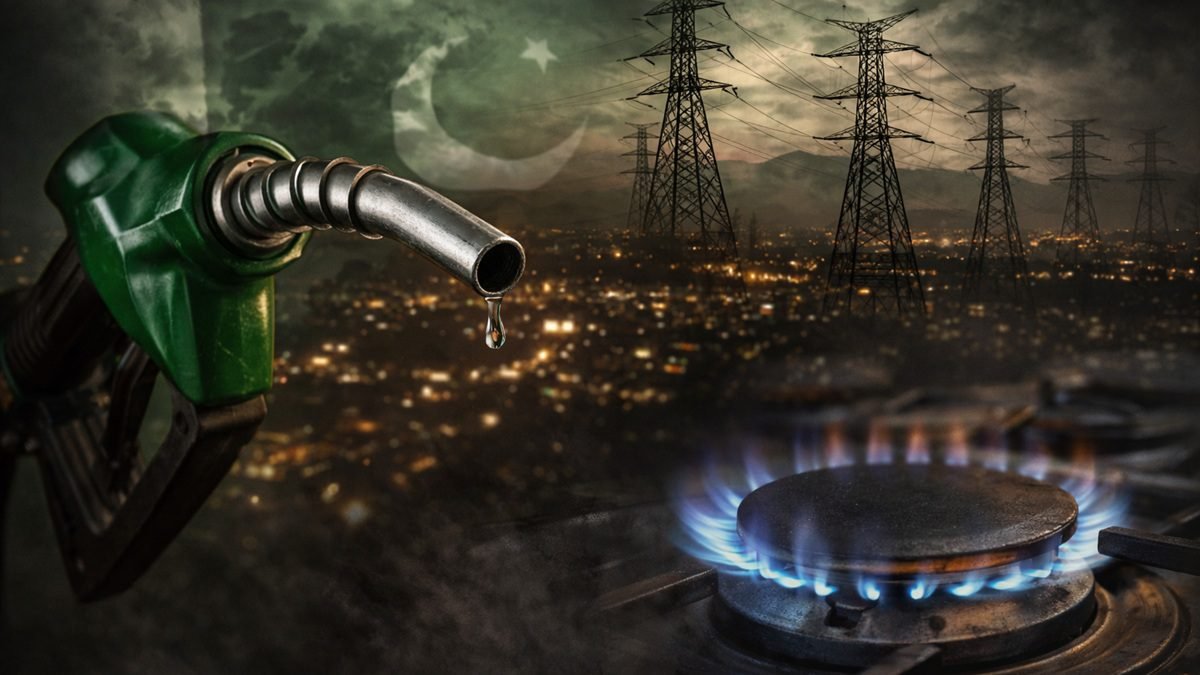
Fuel prices in Pakistan have surged twice in under a month
The April 2026 Fuel Shock Explained
The immediate trigger is a sharp fuel price hike announced this week. Pakistan raised fuel prices for the second time in less than a month after global oil markets surged due to escalating Middle East conflict.
| Fuel Type | New Price (per litre) | Impact Area |
|---|---|---|
| Petrol | Rs458.40 | Transport, personal vehicles |
| Diesel | Rs520.35 | Freight, generators, farming |
Diesel and related fuels affect transport, generator costs, freight, farming, and backup electricity for shops. So even before a direct tariff increase, households feel the pressure through inflation, transport, and food prices.
Official fuel price source: OGRA Official Website. Also see our earlier coverage: Pakistan Mini Budget: IMF Impact on Salaries and Bills.
Could Electricity Bills Actually Rise?
Possibly yes — but not automatically, and not for everyone at once.
The biggest short-term risk is Fuel Cost Adjustment (FCA). This is the main way fuel price changes show up in electricity bills. NEPRA’s latest 2026 records already show that tariff and FCA decisions are actively moving through the system.
📋 Recent NEPRA Activity (2026)
- Fuel Charges Adjustment decision for January 2026 — published March 4
- Quarterly tariff adjustment notification (Q2 FY2025-26) — published March 6
This does not confirm a fresh nationwide increase. But it confirms the mechanism is already active. If expensive fuel persists, future adjustments become more likely.
📌 How Bills Could Rise — The Real Chain
- Monthly FCA pass-throughs
- Quarterly tariff adjustments
- Higher subsidy pressure on the government
- Rising circular debt that returns as billing pressure
For a deeper look at how NEPRA fixed charges already affect you, read: NEPRA Fixed Charges — Pakistan Electricity Bills Explained.
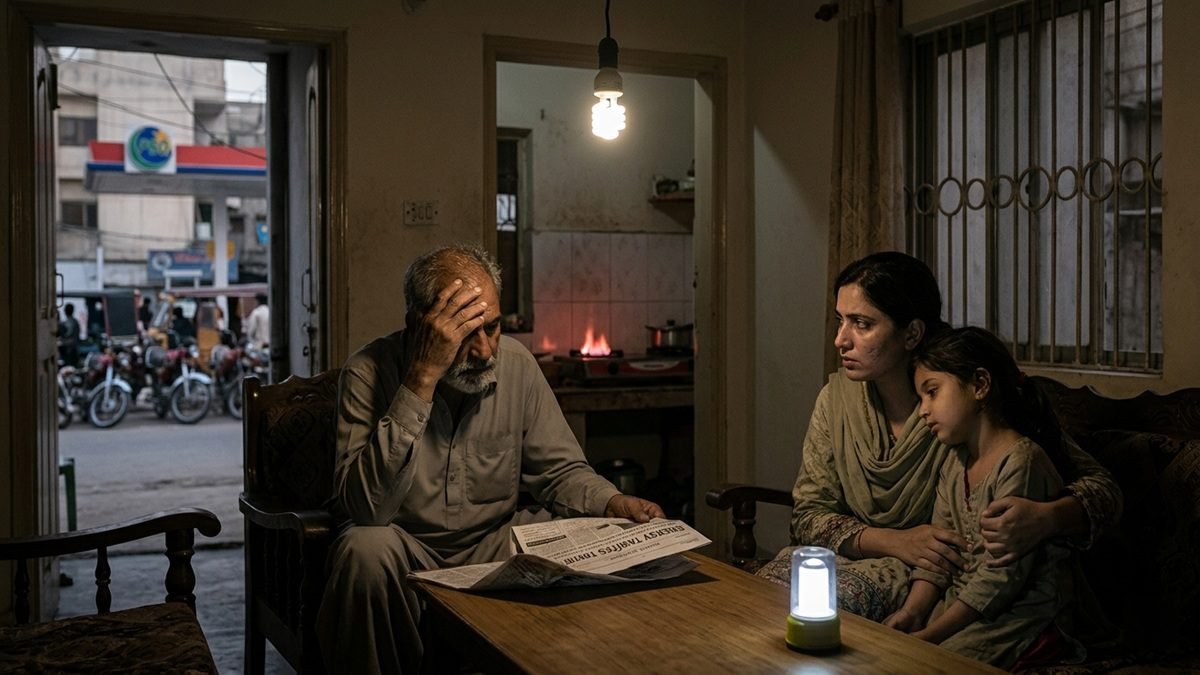
Pakistan’s power grid faces renewed pressure as global fuel costs surge
Why the Government Is Talking About Market Timings
Islamabad is trying to avoid another immediate full-scale bill shock by focusing on demand control instead. Recent official signals suggest the government is discussing earlier market closing times, more daylight-focused commercial activity, lower non-essential lighting during peak hours, and public energy-saving campaigns.
💡 The Insight Most People Miss
This is not just about “saving electricity.” It is about moving demand away from expensive hours so the government can reduce the need for costlier generation and avoid deeper tariff pressure. For households and shopkeepers, the real issue is not only how much electricity you use — but also when you use it.
The Surplus Power Strategy: More Important Than It Looks
One of the most overlooked parts of this crisis is the government’s push to use surplus electricity more efficiently. Pakistan has excess generation capacity in parts of the system. That is why the government has been promoting concessional electricity for certain users instead of relying more on expensive diesel and private generation.
🔋 What the Strategy Involves
- Shifting more load to the grid instead of diesel generators
- Increasing daytime usage where possible
- Using surplus electricity better rather than wasting capacity
Solar Is Growing Fast — But It Creates a Fairness Problem
Pakistan’s energy shock is accelerating a major shift. More households and businesses are moving toward rooftop solar. Rooftop solar installations in Pakistan have already crossed 20 GW nationwide — and the pace is picking up.
Solar can reduce dependence on future tariff hikes, lower daytime grid usage, and protect homes from repeated billing shocks.
⚠️ The Grid-Cost Problem Nobody Talks About
When wealthier consumers buy less electricity from the grid, the system’s fixed costs do not disappear. The people who stay dependent on the grid remain the most exposed:
- Low-income households
- Renters and apartment residents
- Small shops without roof space or financing
Solar in Pakistan is no longer just an energy story. It is now a fairness and affordability story too.
What Households and Small Businesses Should Do Now
🏠 If You Are a Household
- Reduce heavy appliance use during evening peak hours
- Watch NEPRA FCA notices before assuming a permanent bill hike
- Recheck your monthly usage pattern — not just total units
- If considering solar, compare upfront cost, batteries, and updated rules before rushing
🏪 If You Run a Shop or Small Business
- Recalculate generator economics immediately — diesel is now much more expensive
- Shift more operations earlier in the day if possible
- Prepare for possible changes in market timings
- Compare grid electricity vs generator use again before peak hours
Related: Punjab Free Public Transport April Update — more cost-relief news for consumers.
What Happens Next in April 2026
The next few weeks are critical. Watch these developments closely:
| What to Watch | Why It Matters |
|---|---|
| New NEPRA FCA decisions | Direct impact on electricity bills |
| Quarterly tariff review (Q3 FY2026) | Could add to monthly costs |
| Provincial market timing decisions | Affects shop and business hours |
| Global oil market movement | Determines how long pressure lasts |
| Government conservation announcements | May signal tariff delay strategy |
If fuel prices stabilize, the damage may be contained. If they rise again, the pressure could spread from petrol pumps to electricity bills, inflation, and small business costs much faster.
Final Takeaway
📌 The Smarter Headline Right Now
- ✅ Fuel prices have already surged
- ✅ Electricity costs are under fresh pressure
- ✅ The government is trying to delay impact through demand management
- ✅ Consumers should prepare — not panic
Watch official updates. Cut avoidable evening power use. Review backup power costs now — before the next billing cycle surprises you.
For ongoing updates on government policies affecting your bills and daily costs, keep following Pakistan News Desk.
Frequently Asked Questions