Pakistan’s Baisakhi 2026 Draws 2,800 Pilgrims Amid Tension
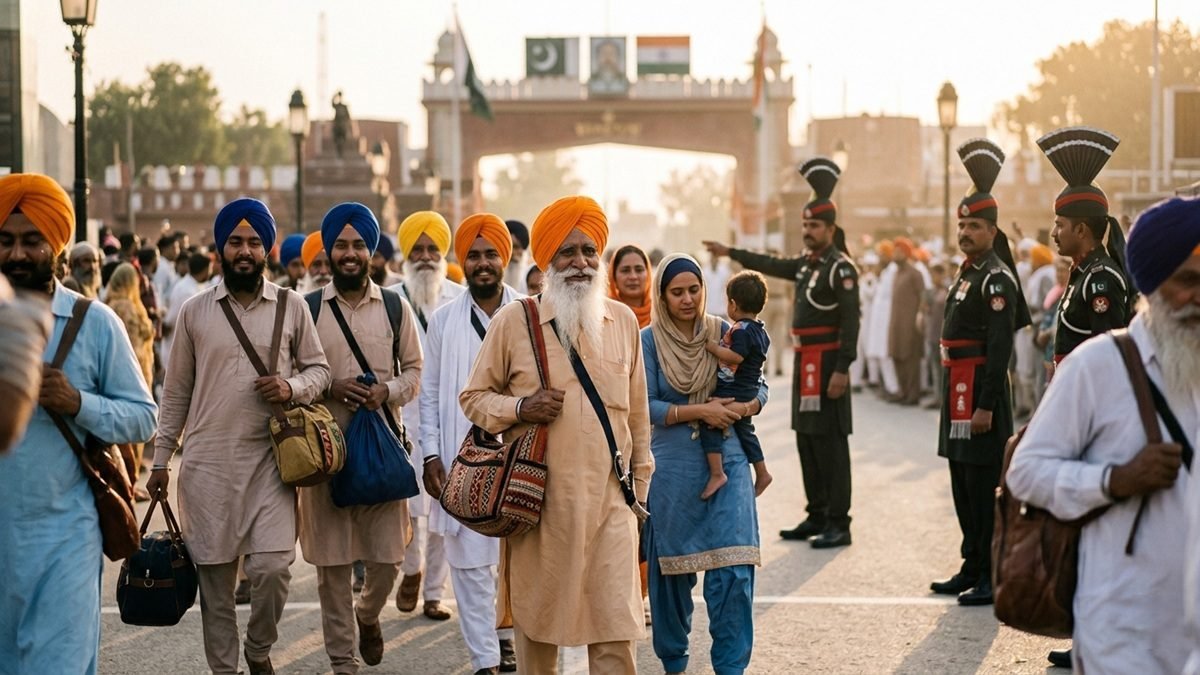
I visited Wagah this week. The atmosphere felt different. More people. More emotion. More purpose. Baisakhi 2026 is not just a religious event. It is a clear sign that Pakistan is pushing forward with religious tourism — even with regional tensions in the background.
Over 2,800 Sikh pilgrims from India have entered Pakistan. They came for faith. But their presence is shaping local business, tourism growth, and cross-border relations in ways most people don’t notice.
What Happened This Baisakhi 2026
Pakistan issued over 2,800 visas to Sikh pilgrims from India. The main group includes 1,763 pilgrims under the Shiromani Gurdwara Parbandhak Committee. They entered through Wagah under the 1974 Protocol on Visits to Religious Shrines, which allows religious travel between both countries.
Each pilgrim received a 10-day visa to visit key religious sites. This system has stayed active even during difficult political periods. That alone shows how important religious access is for both governments.
Official references: mora.gov.pk | Protocol overview: mea.gov.in
Why This Pilgrimage Matters Right Now
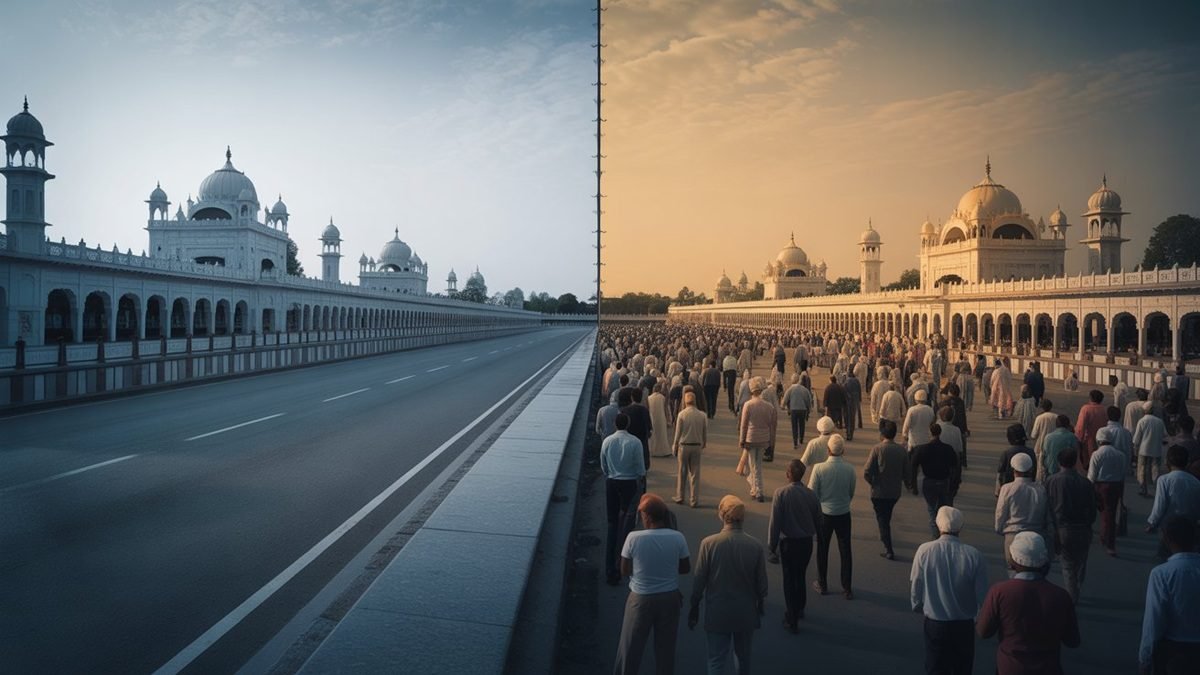
This year brings a major change. The Kartarpur Corridor remains closed from the Indian side since May 2025 due to security concerns. Pilgrims had to return to the older Wagah route.
Key Changes Due to Corridor Closure
- Longer travel time for all groups
- Strict group movement protocols
- More security checks at every stage
- Visa-free entry suspended — only group visas allowed
Despite this, turnout stayed strong. Pilgrims are willing to face inconvenience just to complete their journey. That shows the deep emotional value of Baisakhi. I found this remarkable.
This mirrors a broader trend I’ve noticed covering Pakistan’s emerging sectors. Even in challenging conditions, cultural and religious connections find a way. They always do.
Key Religious Sites and Itinerary
Main sites this year:
- Nankana Sahib — birthplace of Guru Nanak
- Gurdwara Panja Sahib, Hasan Abdal
- Lahore Gurdwaras
- Main Event: Khalsa Sajna Diwas — April 14
At Gurdwara Panja Sahib, the programme includes Akhand Path, Kirtan gatherings, Nagar Kirtan processions, and free langar for thousands. In my experience visiting Hasan Abdal, the environment is both emotional and welcoming. Locals take part too. It builds something real — a sense of shared connection that politics rarely achieves.
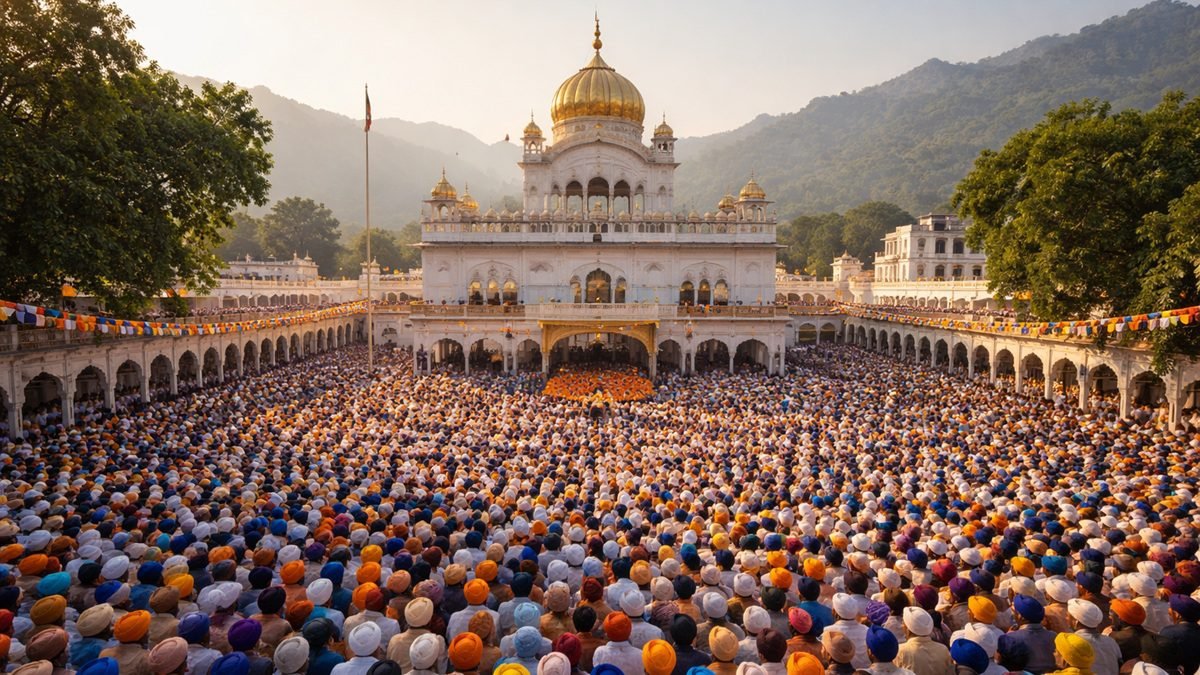
Pilgrims at prayer — gatherings like these draw thousands to Pakistan’s historic gurdwaras each Baisakhi.
Religious Tourism Growth in Pakistan
At the same time, religious tourism is gaining serious attention. Globally, faith tourism is a major industry. According to the World Travel and Tourism Council, it contributes billions to economies worldwide each year.
Pakistan has a unique advantage most people overlook. The country holds over 120 Sikh religious sites, important Hindu and Buddhist heritage, and far less crowded pilgrimage routes compared to India or Nepal. The Punjab Government is now actively promoting these destinations via tourism.punjab.gov.pk.
My take: Pakistan is still underutilising this sector. With better marketing and easier visa systems, growth could move much faster. I’ve seen what a single well-promoted religious corridor can do for a local economy. This potential is real and large.
This connects directly to Pakistan’s Rs. 24 billion development push — religious tourism is part of that larger economic picture.
Economic Impact on Local Communities
From my field reporting and local conversations, the numbers tell a clear story.
| Category | Average Spend per Pilgrim |
|---|---|
| Accommodation | $80 – $120 |
| Food | $40 – $60 |
| Transport | $30 – $50 |
| Shopping | $50 – $80 |
Small businesses benefit the most. Shopkeepers in Nankana Sahib often depend on these peak seasons. The overall economic impact this year is estimated between Rs. 100 to 150 million. That figure could grow significantly with better infrastructure and promotion.
Kartarpur Corridor Closure: What Really Happened
Before May 2025, the Kartarpur Corridor allowed visa-free travel for Sikh pilgrims. It was a rare example of cooperation between India and Pakistan. India suspended it citing security concerns after rising tensions last year.
Pakistan has kept its side of the corridor open. It continues to formally request India to resume operations. More updates at kartarpurcorridor.com.
Bottom line: Pilgrims are willing to take the longer, harder Wagah route. The suspension has not stopped the pilgrimage. It has only made it more difficult.
Comparison With Previous Years
| Year | Pilgrims | Situation |
|---|---|---|
| 2023 | ~3,000 | Post-COVID recovery |
| 2024 | ~2,500 | Stable flow |
| 2025 | Lower | Border tension |
| 2026 | 2,800+ | Strong recovery |
The 2026 numbers show a clear recovery. Despite the Kartarpur closure, pilgrims returned in strong numbers. That is a positive signal for Pakistan’s religious tourism sector.
Safety and Government Arrangements
Security arrangements were significantly increased this year. Authorities deployed police personnel across all routes, escort convoys, CCTV monitoring, and emergency medical teams. The Punjab Government arranged transport services, accommodation, and food facilities throughout the journey. Details at punjab.gov.pk.
From what I observed, the system feels organised. Pilgrims consistently report feeling safe and respected. That matters. It builds long-term trust and reputation for Pakistan as a pilgrimage destination.
Local Perspective from Punjab
Expert Insights and Ground Reality
Officials describe these visits as a symbol of interfaith harmony. Tourism experts estimate religious tourism could reach Rs. 18 billion annually with proper planning and investment. The Evacuee Trust Property Board (ETPB) is actively working on site restoration to support this growth.
Where the Gaps Still Are
- Limited infrastructure at many heritage sites
- Lack of digital booking and visitor services
- Need for global marketing and promotion
These are solvable problems. Improving them could unlock much higher growth within a short time.
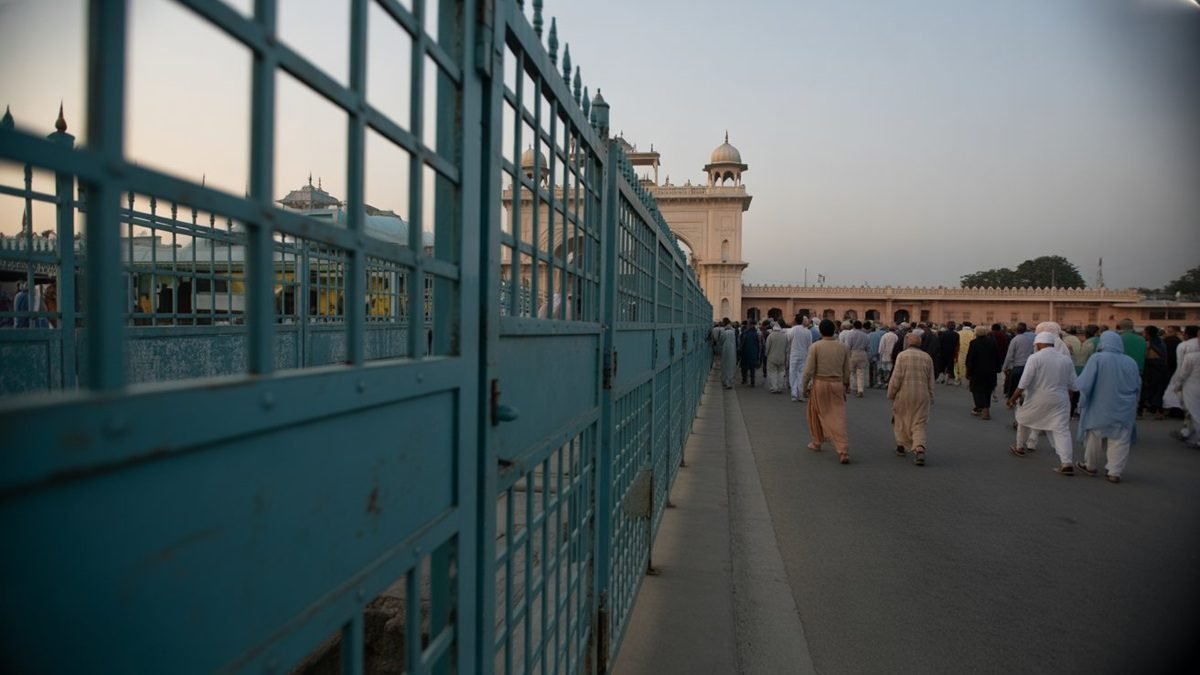
Pakistan’s religious heritage sites hold enormous tourism potential — yet remain largely underpromoted globally.
What Happens Next
A few developments will shape what comes next:
- Possible reopening of the Kartarpur Corridor
- Simpler visa systems for religious groups
- Better infrastructure investment at key sites
- Stronger international tourism promotion
If these steps happen, Pakistan can become a major hub for Sikh pilgrimage — and broader religious tourism from across South Asia and the global diaspora.
Key Facts Summary
- 2,800+ Sikh pilgrims visited Pakistan for Baisakhi 2026
- Wagah route used due to Kartarpur Corridor closure from Indian side
- Estimated Rs. 100–150 million in local economic impact
- Religious tourism potential: Rs. 18 billion annually
- 120+ Sikh religious sites located in Pakistan
- Hotel occupancy increased by approximately 30% during the pilgrimage
Frequently Asked Questions