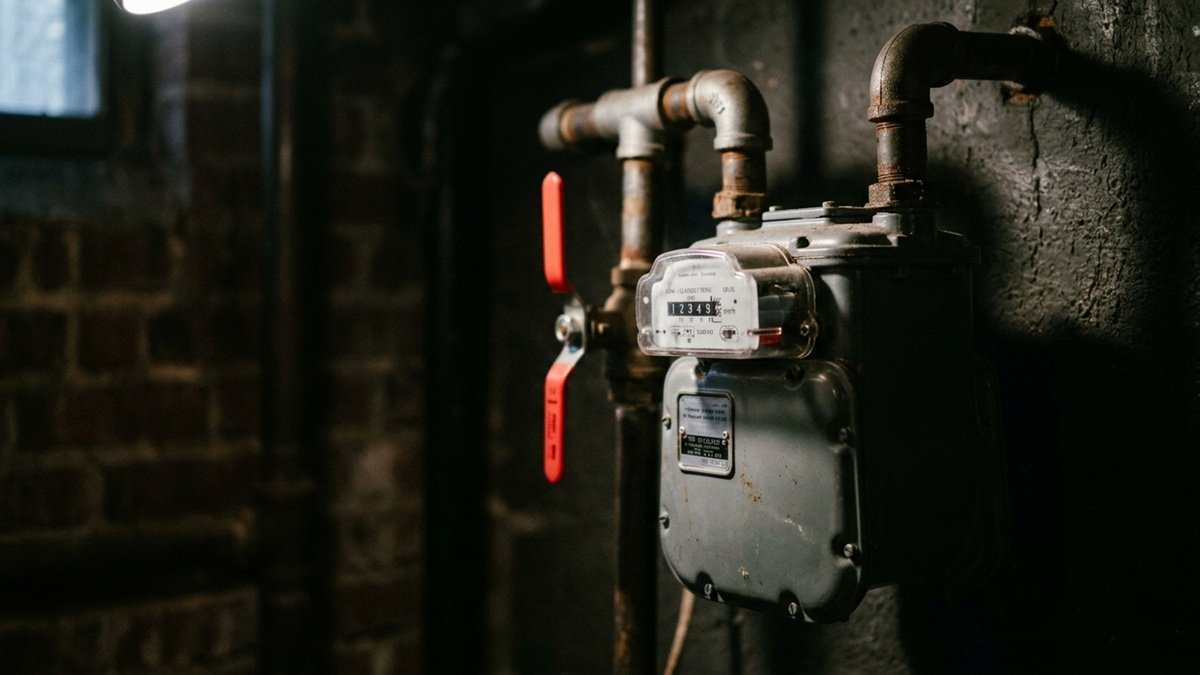
No Gas for New Homes? Pakistan’s Gas Connection Ban Hits Homes and Businesses Hard
Pakistan has banned all new gas connections for homes, shops, and factories. The reason is a serious RLNG shortage that the government can no longer ignore. If you just built a house or opened a new business, you are not getting gas anytime soon.
I have been covering energy issues in Rawalpindi for years. This one hits differently. The scale of disruption is bigger than past shortages. Thousands of families are already switching to LPG and electric stoves, and costs are rising fast.
Pakistan’s aging gas infrastructure is struggling to meet rising demand.
What the Gas Connection Ban Actually Means
The government has stopped issuing all new gas connections across Pakistan. This is not limited to one city or region. It applies everywhere, to every new applicant.
Who Is Affected Right Now
- New homeowners waiting for gas connections
- Builders and housing developers
- Small businesses and shops
- Anyone with a pending or paid application
According to the Ministry of Energy (Petroleum Division) Pakistan, the restriction continues until gas supply improves. Existing users keep their supply, but may face limited hours during peak periods.
What makes this ban different from past shortages? This one reverses already approved connections. That is new. It shows how unstable things have become.
For a broader look at what is driving this, read our detailed breakdown of Pakistan’s energy crisis and fuel risks.

Policy Breakdown: What Is Banned
| Category | Current Status |
|---|---|
| New domestic connections | Banned |
| Commercial connections | Banned |
| Pending applications | Suspended |
| Paid applications | On Hold |
| RLNG connections | Not Allowed |
Why Pakistan Banned New Gas Connections
The core problem is falling local gas production and rising import costs. Pakistan’s gas fields are aging. No major discovery has happened in decades. Production drops every year.
Three Reasons Behind This Crisis
- Declining reserves: Old fields are losing output with no new replacements
- RLNG dependency: Pakistan now relies heavily on expensive imported gas
- Price volatility: According to the International Energy Agency, global LNG prices spike sharply during conflicts and supply disruptions
As per the Oil and Gas Regulatory Authority (OGRA), the government is now prioritizing gas for power plants, limiting industrial supply, and managing demand during the summer peak.
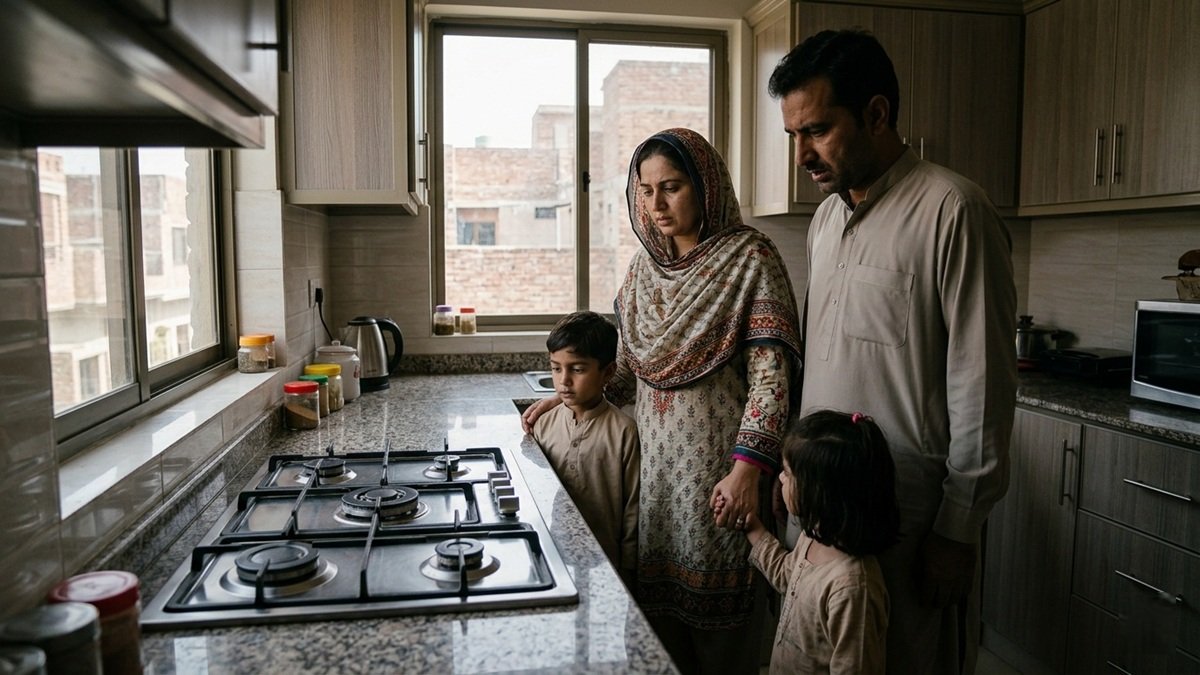
LPG cylinders have become the go-to alternative for new homeowners shut out of pipeline gas.
Impact on Households: Costs Are Rising Fast
In Rawalpindi and Islamabad, I see it firsthand. New houses sit empty or half-functional because there is no gas. Families are making do with LPG cylinders or switching entirely to electric stoves.
Monthly Cost Comparison: Before vs After the Ban
| Expense | Before Ban | After Ban |
|---|---|---|
| Monthly cooking cost | ~Rs 2,500 | Rs 7,000 – 10,000 |
| Fuel source | Pipeline gas | LPG / Electricity |
| Monthly increase | — | Rs 5,000 or more |
LPG prices tracked by the Pakistan Bureau of Statistics remain much higher than pipeline gas. Families with tight budgets are feeling this the most.
Business and Industrial Effects
Small businesses are the first in line to suffer. Without gas, they must shift to diesel generators, LPG systems, or electric machines. That drives up operating costs by 20 to 30 percent.
What Businesses Are Facing
- New businesses cannot start without gas supply
- Expansion plans are delayed or cancelled
- Production costs rise, reducing profit margins
- Reports from the State Bank of Pakistan consistently show energy shortages slow economic activity
RLNG Prices and Your Electricity Bill
This is where the crisis spreads beyond just gas. Gas-based power plants run on RLNG. When import prices rise, electricity generation costs rise too. Those costs land on your bill.
Recent Bill Increase Data
According to NEPRA, bills have already increased by about Rs 1.42 per unit. Future increases may be even higher.
| Monthly Usage | Extra Cost Added |
|---|---|
| 200 units | ~Rs 284 per month |
| 300 units | ~Rs 400+ per month |
| Peak scenario (500+ units) | Rs 1,800 – 2,400 per month |
Pakistan’s energy sector still carries over Rs 2.6 trillion in circular debt, as reported by NEPRA. Until that is resolved, cost increases are likely to continue.
Broader Economic Impact
In the short term, the ban helps. It reduces LNG imports and eases pressure on foreign exchange reserves. According to the Ministry of Finance Pakistan, Pakistan spends billions on energy imports every year. Cutting that demand has immediate value.
Short-Term Benefit
Less RLNG import demand means less foreign exchange pressure. For a country with constrained dollar reserves, this matters.
Long-Term Risks
- Slower construction sector growth
- Reduced industrial output
- Rising cost of living for ordinary families
- Circular debt remains unresolved and growing
Alternatives to Gas: What Actually Works
I tested induction cooking at home. It works well for daily meals. The upfront cost is low and performance is good. It is not perfect during load shedding, but for stable electricity areas it is a solid switch.
Immediate Options
- LPG cylinders: Cost Rs 3,000 – 6,000 per month. Easy but expensive over time.
- Electric induction stoves: Cost Rs 2,000 – 10,000 to buy. Fast, efficient, and practical.
Long-Term Solutions Worth Considering
- Solar systems: Cost Rs 5 – 8 lakh. Payback in about 3 years. Details available via Alternative Energy Development Board Pakistan.
- Solar geysers: Cost Rs 45,000 – 70,000. Reduces hot water costs significantly.
In my experience covering this space, solar is now the most reliable long-term solution for households that can afford the initial investment.
Solar adoption is growing rapidly across Pakistan as households seek reliable energy alternatives.
Full Comparison: LPG vs Induction vs Solar
| Option | Initial Cost | Monthly Cost | Reliability |
|---|---|---|---|
| LPG | Low | High | Medium |
| Induction Stove | Low | Medium | Depends on power supply |
| Solar System | High | Very low | High |
Applying for Gas? Read This First
If you had a pending application, understanding your options under SNGPL matters. Our guides cover the process in detail:
What Happens Next
According to Sui Northern Gas Pipelines Limited (SNGPL), new connections will resume only when supply improves. No date has been given.
What to Expect in Coming Months
- Ban may continue into winter 2026
- LNG imports may increase if global prices allow
- Electricity costs likely to rise further
- Solar adoption expected to accelerate
Frequently Asked Questions