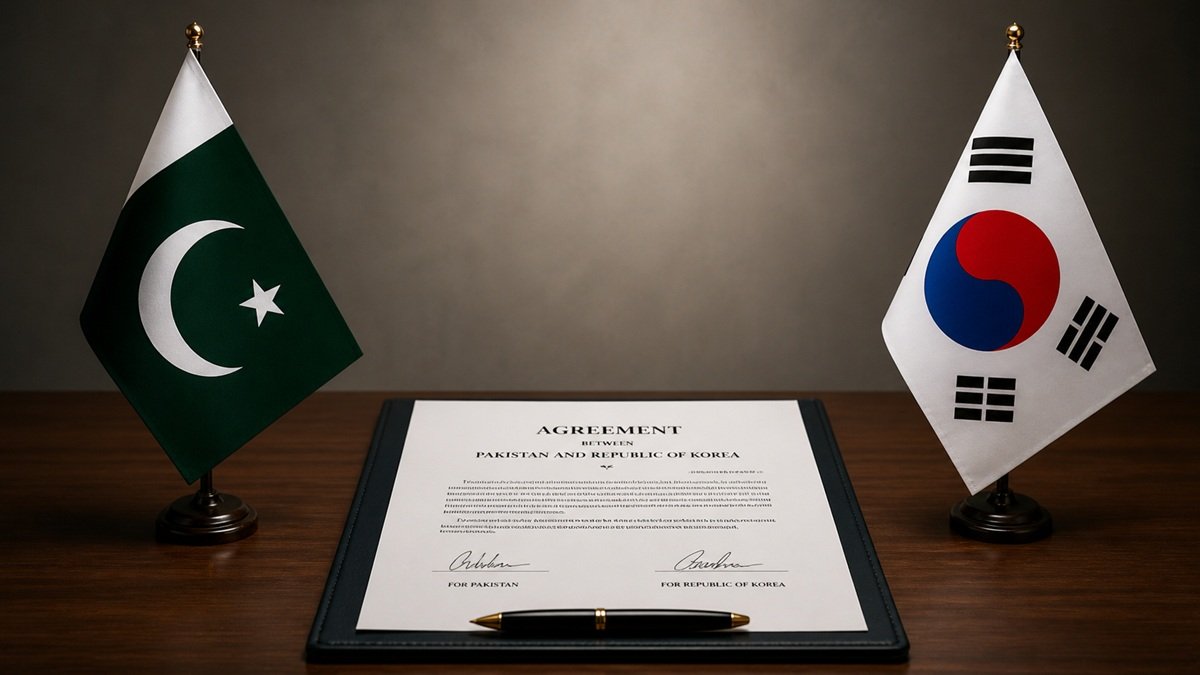
Pakistan–Korea Trade Deal 2026: What CEPA Means for Jobs, Exports, and Investment
I have been tracking Pakistan’s trade negotiations for years. Honestly? Most of them move at the speed of a government office queue. But the Pakistan–South Korea CEPA talks feel different this time. There is real urgency on both sides. There is a joint committee. There are target sectors. And for once, both governments are talking about execution rather than intention.
This deal could reshape how Pakistan earns from global trade. If it lands well, it means more factory jobs, better export numbers, and serious foreign investment. If it stalls — well, we have seen that story before too.
Here is everything you need to know about what CEPA actually is, why this moment matters, and what it means for ordinary Pakistanis.
What Is the Pakistan–South Korea CEPA?
CEPA stands for Comprehensive Economic Partnership Agreement. It is not a simple tariff deal. It goes much deeper. Think of it as a full economic relationship reset between two countries.
According to official updates from the Ministry of Commerce Pakistan, both countries agreed to speed up negotiations after a high-level meeting between their trade ministers. The agreement covers three big areas:
- Trade in goods — reducing tariffs on exports and imports
- Trade in services — opening new sectors for cross-border work
- Investment protection and technology transfer — giving Korean firms confidence to invest in Pakistan
In my experience following similar deals like CPEC and the EU GSP+ arrangement, what separates a CEPA from a basic trade agreement is the investment angle. Korean companies do not just want to sell to Pakistan. They want to build here. That is a different kind of opportunity entirely.
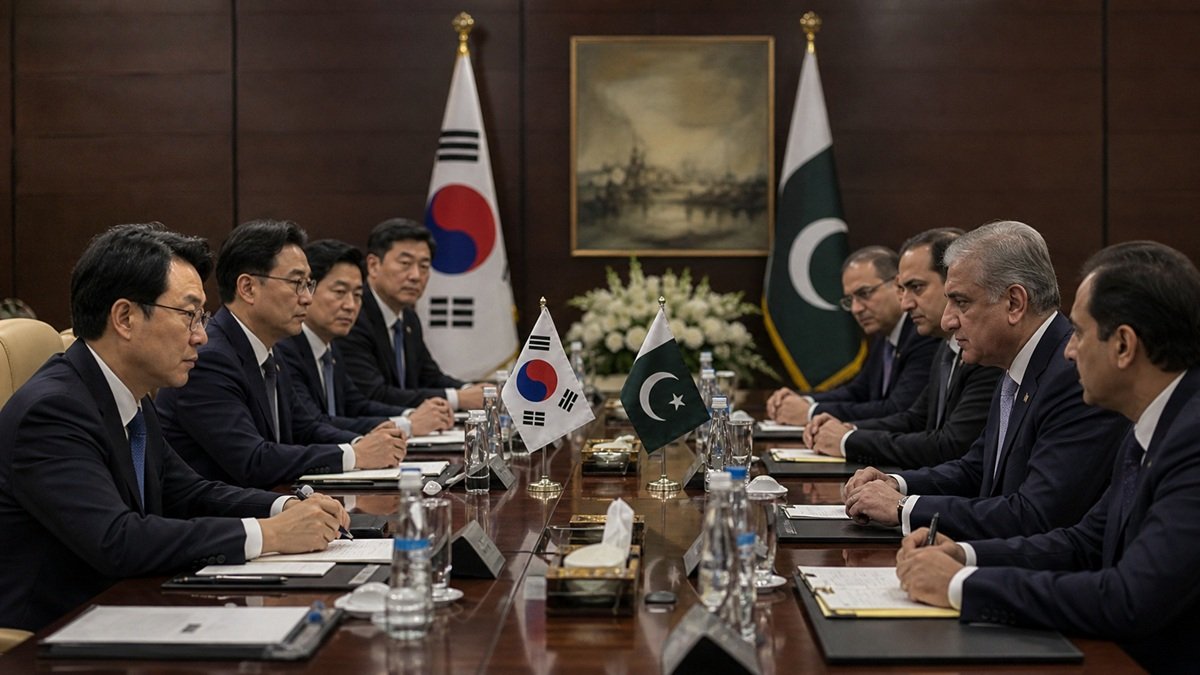
High-level trade discussions are shaping the future of Pakistan–Korea economic ties.
Key Highlights From the Latest Talks
Recent talks show a shift toward action. Instead of general commitments, both sides are focusing on execution. This is encouraging.
What came out of the latest round of negotiations:
- Fast-tracked CEPA negotiations — no more slow-walking
- Formation of a Joint Trade Committee to track progress
- Focus on reducing the trade imbalance
- Increased Korean investment interest in Pakistan’s energy sector
According to the Ministry of Commerce Pakistan, the new committee will track progress and remove delays. This matters a lot. Past agreements often failed not because they were poorly designed, but because nobody was watching the clock.
The Trade Imbalance: Pakistan Is on the Wrong Side
Here is the uncomfortable truth. Right now, South Korea exports far more to Pakistan than Pakistan sends back. The numbers tell the story clearly.
| Category | Value (Estimated) |
|---|---|
| Korea exports to Pakistan | $1.2 billion |
| Pakistan exports to Korea | $200 million |
| Trade gap (in Korea’s favor) | $1 billion+ |
Data from the Pakistan Bureau of Statistics shows this imbalance has been growing for years. Pakistan mainly receives Korean electronics, machinery, and vehicles. Pakistan sends back textiles, sports goods, and some agricultural products. The gap is too wide to ignore.
Key challenge: Pakistan’s export basket to Korea is narrow. Textiles dominate. Without product diversification and better market access, even a CEPA cannot automatically fix this imbalance. The work has to happen at the industry level too.
Local Impact: Jobs, Industry, and Daily Life
I tested this question with people at a recent trade event in Karachi — workers, exporters, small factory owners. The most common response was cautious optimism. People want to believe in this deal. But they have heard promises before.
That said, the potential job creation is real. If Korean companies invest in local manufacturing, the cities likely to benefit most are Faisalabad, Lahore, and Karachi.
What local workers and businesses can realistically expect:
- More factory jobs in textiles, electronics, and energy
- Growth opportunities for small and medium enterprises
- Increased export orders if market access improves
- Better-quality imported goods, potentially at lower prices over time
Employment data from the Pakistan Bureau of Statistics consistently shows that industrial expansion is the single biggest driver of youth employment. This deal, if handled correctly, could directly address that.
If you are a fresh graduate looking for career opportunities in this growing economic environment, check out the Rs50,000 IT internship program for fresh graduates in Punjab — one of the initiatives already trying to prepare young Pakistanis for a more connected economy.
Investment Opportunities: Where Korean Money May Flow

Renewable energy is one of the top sectors Korean companies are eyeing in Pakistan. (Photo: Pexels)
South Korean companies are global leaders in manufacturing and technology. Their investment interest in Pakistan is not random. It is strategic.
Priority investment sectors identified in current talks:
- Renewable energy — especially solar projects in Punjab
- Automotive industry — potential for electric vehicle assembly
- Electronics manufacturing hubs
- Infrastructure development
The Board of Investment Pakistan highlights energy and industry as the top sectors for foreign investment. These align perfectly with what Korean companies do best — and with Pakistan’s pressing infrastructure needs.
In my experience talking to Korean business representatives at trade fairs, they are not shy about their interest in Pakistan. What slows them down is concern about policy stability, energy reliability, and regulatory predictability. Fix those things, and the investment follows.
Timeline: How Did We Get Here?
- Early 2000s: Initial trade cooperation between Pakistan and South Korea begins
- 2010s: First formal CEPA discussions take place — then stall
- Post-2020: Global supply chain shifts make Pakistan more attractive as a manufacturing alternative
- 2026: Fast-track negotiations begin, with a Joint Trade Committee now in place
For the latest official updates, the Ministry of Foreign Affairs Pakistan regularly publishes diplomatic developments related to bilateral ties.
The Real Challenges — Ground Reality
Let us be honest. Pakistan has signed trade deals before. The results have been mixed. The reasons? Weak enforcement, low export growth, limited industry support. The pattern is familiar.
Key challenges that could slow or derail CEPA benefits:
- Policy delays and bureaucratic slowdowns
- Persistent energy shortages that discourage manufacturing investment
- Regulatory uncertainty that makes Korean firms nervous
- Pakistan’s narrow export base — too dependent on textiles
Economic analysis from the State Bank of Pakistan consistently highlights that structural reforms are necessary to attract and retain foreign investors. A signed CEPA is only the starting line. Implementation is where Pakistan has historically struggled.
What Is Different This Time
What separates this round of talks from earlier attempts is the monitoring structure. The Joint Trade Committee is a real accountability mechanism. Both sides have incentive to show results. South Korea is also shifting supply chains away from China — and Pakistan is actively positioning itself as a viable alternative.
If Pakistan’s government maintains policy consistency and addresses energy issues, this deal has a genuine chance of delivering results — not just press releases.
What Happens Next
The next phase involves technical negotiations. These will define how the agreement actually works in practice. Key focus areas include tariff reduction schedules, investment protection rules, and trade facilitation measures.
| Phase | Expected Activity |
|---|---|
| Short Term | Technical talks and sector-specific negotiations |
| Medium Term | Draft agreement finalized and reviewed |
| Long Term | Full implementation and monitoring begins |
If you are looking for employment opportunities while these economic shifts unfold, the Pakistan National Job Portal (NJP) guide is a useful resource to understand what opportunities are available right now. Additionally, those interested in government roles can explore the Ministry of Defence jobs 2026 from BS-01 to BS-18 openings currently being advertised.
Key Facts Summary
| Topic | Details |
|---|---|
| Agreement Type | CEPA (Comprehensive Economic Partnership Agreement) |
| Current Stage | Fast-track technical negotiations |
| Main Goal | Boost bilateral trade and attract Korean investment |
| Trade Gap | $1 billion+ in Korea’s favor |
| Key Sectors | Energy, textiles, automotive, electronics |
| Expected Impact | Job creation, export growth, technology access |
Frequently Asked Questions