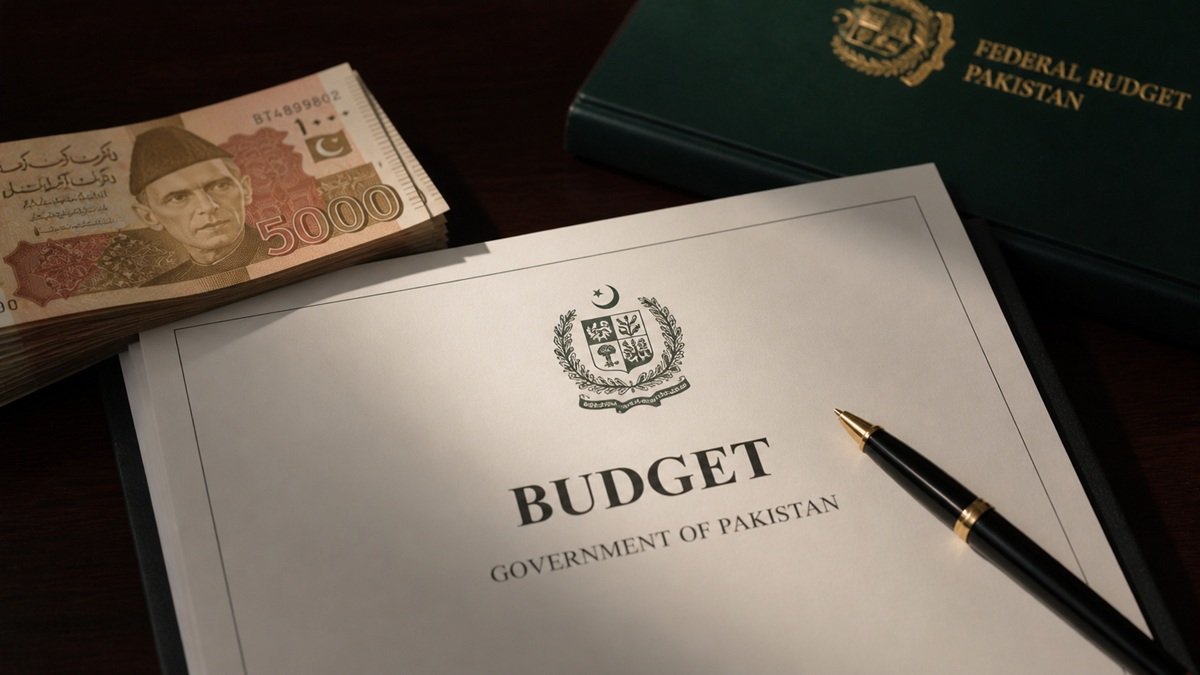
Pakistan’s Budget 2026 session opens on June 1 in the National Assembly. For millions of households still struggling with high prices, this is not just a parliamentary event. It is a decision that will hit their pockets directly.
I have tracked Pakistan’s annual budgets for years. This one feels different. The government is trying to grow the economy while keeping the IMF satisfied. That combination is very hard to pull off. Here is what you need to know before June 1 arrives.
When Does the Budget Session Start?
The Pakistan budget 2026 session officially begins on June 1, 2026 in the National Assembly. Official proceedings can be tracked at na.gov.pk.
| Stage | Timeline |
|---|---|
| Session begins | June 1 |
| Budget speech | Early June |
| Debate and changes | Mid June |
| Final approval | End of June |
This follows Pakistan’s standard parliamentary process. However, if major disagreements arise, debates may extend beyond this schedule.
Why Budget 2026 Matters Right Now
Ground reality check. Official targets look positive. But inflation has only slowed. It has not gone away. Utility bills remain unpredictable. Business recovery is uneven across sectors. This gap between government targets and daily reality is exactly what makes this budget so important to watch.
According to the Ministry of Finance Pakistan, the goal is to balance growth with stability. In my experience tracking budgets, that phrase usually signals difficult trade-offs ahead.
If you are a government employee waiting for a salary increase, or a small business owner worried about new taxes, or simply someone trying to manage a household budget, June 1 is a date you cannot ignore. Read this related piece on Pakistan’s austerity plan to understand the broader spending pressure the government is under.
Key Economic Targets for FY2026–27
The government has set these official planning targets for the next fiscal year:
- GDP Growth: 5.1%
- Inflation: Around 6.5%
- Fiscal deficit: Controlled and reduced
However, the International Monetary Fund expects growth to remain lower and inflation risks to stay closer to 8%. That gap between ambition and reality will shape every policy decision in this budget.

IMF Pressure vs Government Plans
Pakistan is still operating under IMF-supported reforms. These directly influence what the government can and cannot do in this budget. You can follow the latest IMF policy updates at imf.org.
What the IMF expects:
- Increasing tax revenue
- Reducing subsidies
- Tight fiscal control
Because of these conditions, the government has limited flexibility. Large relief packages become very difficult to justify. This is not my opinion. It is the financial reality Pakistan is operating within right now.
The Core Economic Challenge
Finance Minister Muhammad Aurangzeb faces a genuine balancing act. On one side is fiscal discipline demanded by the IMF. On the other is public demand for meaningful relief. I have seen this tension in every budget for the past several years. This year, the margin for error looks even smaller.
If taxes rise too sharply, economic activity slows. If reforms are delayed, financial stability becomes a risk. Neither outcome benefits ordinary households. For context on how this links to pension and salary structures, see this useful pension calculator guide for Pakistan.
Tax Changes: What to Expect
Taxation is the biggest concern for most people. The government wants to improve tax collection. Official updates can be checked at FBR’s official website.
Likely tax measures include:
- Expanding the overall tax base
- Increasing documentation and compliance requirements
- Strengthening enforcement against undocumented businesses
What past trends show:
- The salaried class often ends up paying more
- Indirect taxes raise daily expenses for everyone
If this pattern continues, middle-income groups will feel the most pressure. According to the World Bank’s Pakistan overview, broadening the tax base remains a key structural reform priority.
Development Spending vs Fiscal Pressure
Development spending supports infrastructure, jobs, and long-term growth. Details are usually released by the Planning Commission of Pakistan.
The hard truth: Debt servicing is consuming a large share of the budget. Development allocations often get reduced when fiscal pressure builds. Growth needs spending. Fiscal discipline limits it. That trade-off has no easy answer.
This directly affects whether new projects will be announced, whether existing projects get funded, and whether job creation targets can be met this year.
Relief Measures and Subsidies
Public relief is expected. But it will almost certainly be targeted relief, not broad subsidies for everyone.
Programs like the Benazir Income Support Programme will remain important for the poorest households. Possible measures include cash support for low-income families, targeted subsidy extensions, and limited utility cost relief.
Broad subsidies are unlikely given IMF conditions. Relief may reach the most vulnerable. But it will not reach everyone.
IT and Export Sector Focus
Exports remain a national priority. The Pakistan Software Export Board has been pushing for stronger digital export incentives.
Focus areas for Budget 2026:
- Digital export growth and freelancer support
- IT infrastructure development
- Special incentives for tech companies
Still, implementation remains the real test. In past budgets I tracked, announcements for the IT sector were often strong. Actual funding and execution lagged behind. This budget will show whether that changes.
Real Impact on Households
For most people, the Pakistan budget 2026 means one thing: cost of living. Here is what could change directly in your monthly expenses.
Key areas affected include:
- Electricity and gas bills
- Petrol prices
- Food inflation impact
- Taxes on salaried income
Energy pricing updates are shared by the National Electric Power Regulatory Authority. Higher taxes reduce disposable income. Utility cost changes affect monthly expenses. Businesses pass on new costs to consumers.
Even small policy changes can create large ripple effects on daily life. For property owners and plot buyers, budget decisions also affect real estate policy. See this related update on the plot buyers file system changes that may affect you.
Past Budget Comparison
| Year | Focus | Outcome |
|---|---|---|
| 2024–25 | Stabilization | Inflation control |
| 2025–26 | IMF reforms | Higher taxes |
| 2026–27 | Growth + discipline | Yet to be finalized |
This year is different in one key way. The government is attempting to combine growth with strict financial controls at the same time. That combination is difficult but necessary given Pakistan’s current position.
Policy Signals to Watch
Reports from the State Bank of Pakistan highlight several key risks heading into budget season.
Watch these signals carefully:
- Revenue strategy clarity from FBR
- Actual development spending levels
- Whether salary increases are confirmed for government employees
- Real relief measures beyond election-cycle announcements
From experience, these signals matter far more than the headline numbers that dominate media coverage.
Key Facts Summary
| Category | Expected Trend |
|---|---|
| Growth | Moderate |
| Inflation | Still a concern |
| Taxes | Likely increase |
| Subsidies | Limited |
| Development | Under pressure |
| IMF Role | Strong |
What Happens After June 1?
After the session opens, the process moves quickly. The budget speech is delivered in early June. Parliamentary debate and amendments follow through mid-June. Final approval is expected by end of June.
What people should watch:
- Tax rate changes affecting salaried employees
- Utility pricing decisions
- Confirmed salary adjustments for government employees
- Welfare program funding levels
These decisions will shape financial planning for millions of households across Pakistan in the year ahead.
Frequently Asked Questions