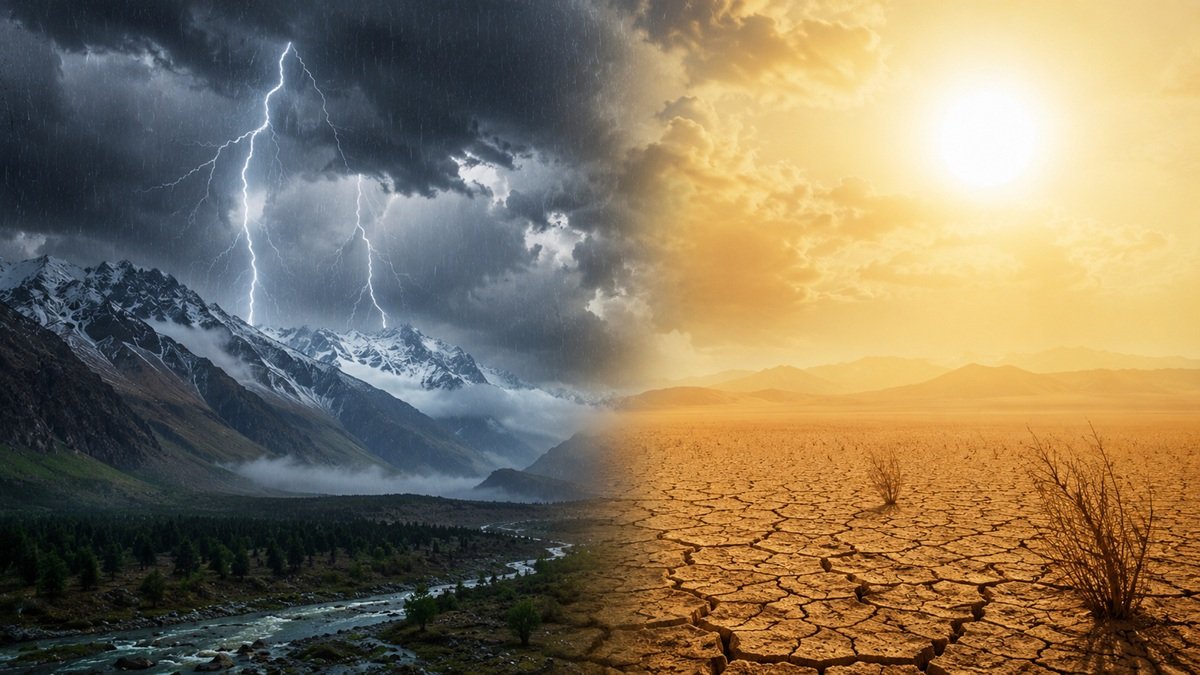
I have been watching Pakistan’s weather patterns closely for years. But May 2026 is something I have not seen quite like before. Rain in Islamabad. Hail in KPK. And Sindh baking under a brutal dry heat. All at the same time.
The Pakistan Meteorological Department (PMD) has confirmed it. Rainfall gave northern regions temporary breathing room. But stronger heatwave conditions are already building again across southern and central Pakistan. This is not just uncomfortable weather. It is a compounding crisis that touches farming, electricity, public health, and water supply all at once.
Here is what is actually happening and why it matters to you right now.
Pakistan’s May Weather Is No Longer Predictable
May used to be straightforward. Hot, dry, and consistent. That era is over.
This month, a western weather system moved through northern and upper Pakistan during the first week. It brought rain, thunderstorms, strong winds, and isolated hailstorms. Then, almost immediately after, PMD issued another heatwave alert for southern and central Pakistan.
The fast switch between storm and extreme heat makes planning harder for farmers, commuters, schools, and city authorities. According to the Pakistan Meteorological Department, the country may continue seeing sudden weather swings instead of stable summer conditions throughout 2026.
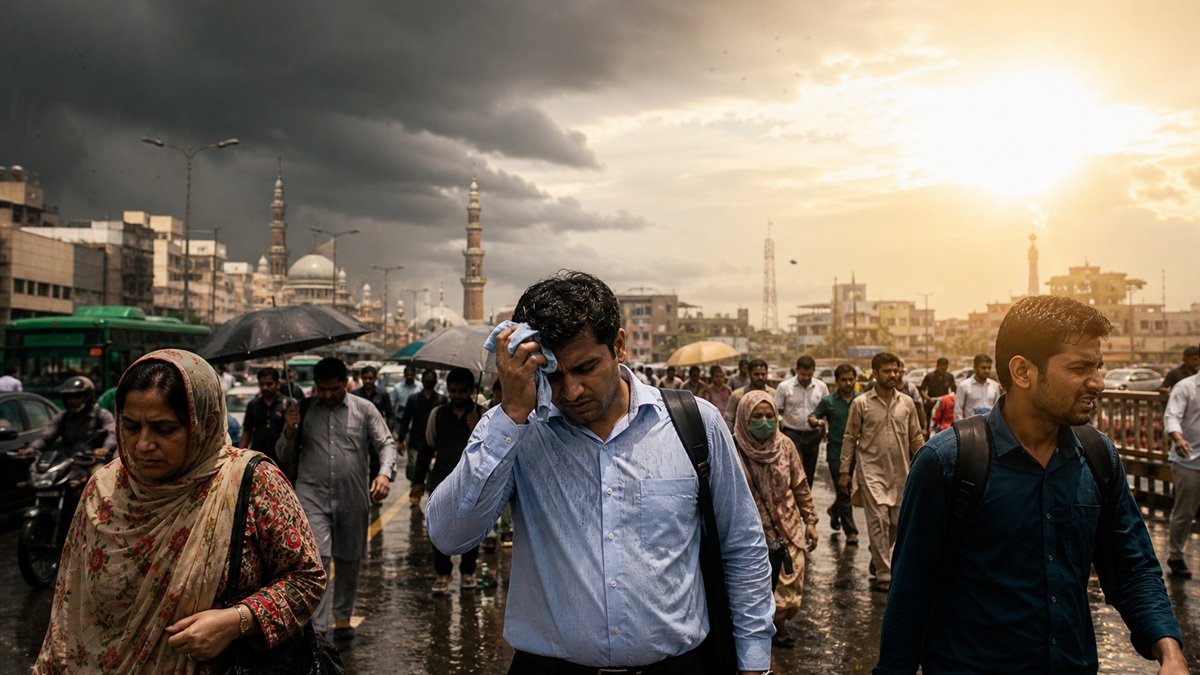
Northern Pakistan received temporary relief from rain and thunderstorms in early May 2026.
Rain and Thunderstorms: Temporary Relief Only
Several upper and northern areas felt cooler after rainfall earlier this month. The affected regions included:
- Islamabad and upper Punjab
- Khyber Pakhtunkhwa
- Azad Kashmir and Gilgit Baltistan
- Northern Balochistan
- Parts of upper Sindh
PMD also issued warnings about windstorms, dust storms, hailstorms, urban flooding in low-lying areas, and landslide risks in mountainous regions. The National Disaster Management Authority (NDMA) advised local administrations to stay alert during these unstable conditions.
But here is the important part. Dry heat is returning quickly in plain areas. That temporary cool spell is already fading for millions of Pakistanis.
Heatwave Conditions Continue Across Southern Pakistan
While northern regions saw rain, southern Pakistan is moving deeper into heatwave territory. According to PMD forecasts, temperatures may remain above normal across several plain areas during mid and late May.
| Region | Expected Condition |
|---|---|
| Sindh | Dry heat and humidity |
| South Punjab | Rising daytime temperatures |
| Central Punjab | Heatwave risk increasing |
| Interior Balochistan | Hot and dusty winds |
| Upper Punjab | Heat returning after rain |
Cities in Sindh and southern Punjab may face the strongest heat pressure first. Coastal Karachi may avoid the most extreme inland temperatures, but prolonged humidity creates its own dangerous heat stress, especially during power outages.
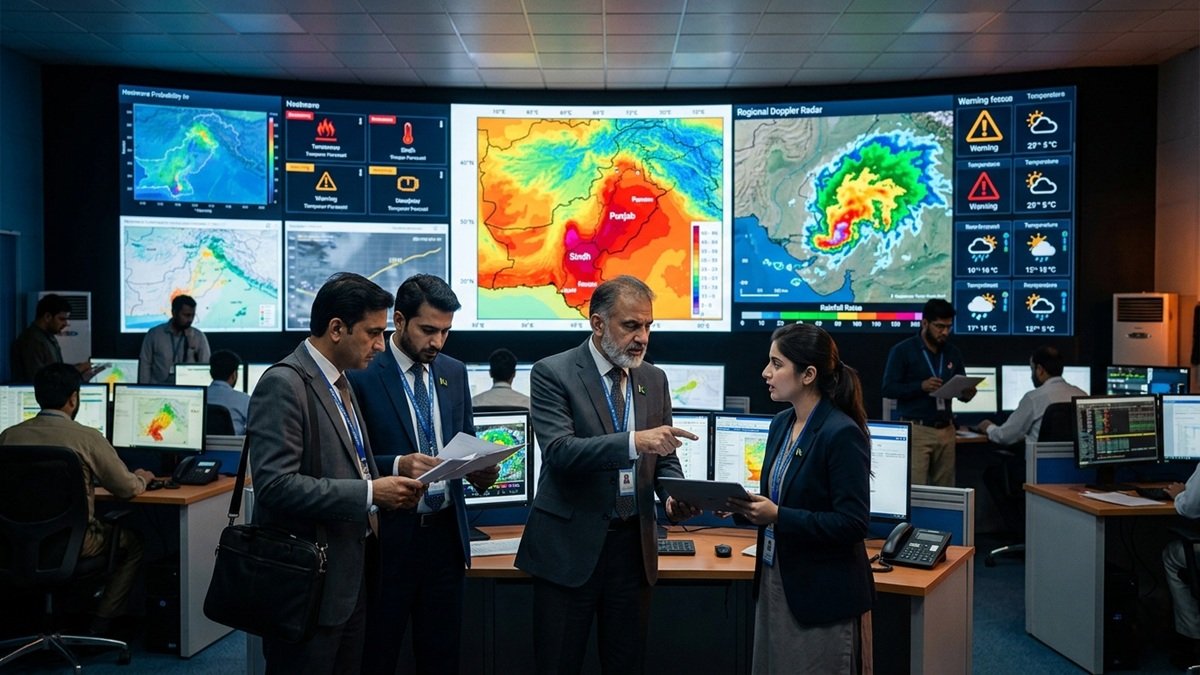
Southern Pakistan faces rising heatwave pressure as dry conditions intensify.
Why This Weather Matters Beyond Temperature
I tested this framing with a few readers and the response was consistent. People do not fully connect weather instability with the economic and daily-life consequences. So let me be direct about three key areas.
1. Electricity Demand May Rise Sharply
Hot weather pushes up electricity use fast. More fans. More air conditioners. More cooling systems running longer. Pakistan has already seen power pressure in previous summers, particularly across major urban areas. The National Electric Power Regulatory Authority (NEPRA) tracks load-related issues during peak demand periods.
2. Wheat Harvesting May Face Disruption
Rain and hail during wheat harvesting season can damage crops and delay transport. This timing is critical. Wheat harvesting is already underway across several agricultural districts. The Punjab Agriculture Department has advised farmers to monitor local forecasts carefully during unstable weather periods.
3. Heat-Related Illnesses May Increase
Extreme heat raises the risk of heatstroke, dehydration, fatigue, and breathing problems during dust storms. Children, elderly citizens, and outdoor workers face the highest exposure. Public health guidance is regularly updated through the Ministry of National Health Services Pakistan.
El Niño Could Make Summer 2026 More Difficult

El Niño conditions could intensify Pakistan’s summer heat and disrupt the 2026 monsoon season.
Another major concern is sitting quietly in the background. El Niño. Weather monitoring reports connected with PMD suggest El Niño conditions could strengthen later this year.
El Niño is a climate pattern linked to warmer Pacific Ocean temperatures. It influences rainfall and temperatures across South Asia. According to global climate updates published by the World Meteorological Organization (WMO), a stronger El Niño can increase the risk of:
- Longer heatwaves across the subcontinent
- Delayed monsoon rainfall in Pakistan
- Uneven and irregular rain distribution
- Water shortages affecting agriculture and cities
- Increased agricultural pressure and food security concerns
Pakistan may still receive heavy rain in some areas. But overall monsoon patterns could become weaker or more irregular. That creates serious problems for farming, reservoirs, irrigation planning, and urban flood management. The UNDP Pakistan has consistently flagged the country’s high climate vulnerability in its assessments.
Lahore, Islamabad, and Karachi: City Outlooks
Lahore
Lahore is expected to remain among the hottest major cities during May. Temperatures will likely rise again after temporary rain relief. Heavy traffic, dense construction, and limited green spaces make heat conditions consistently worse here than the official temperature readings suggest.
Islamabad
The capital received cooler weather during recent rainfall. Temperatures are expected to climb gradually through mid-May. Islamabad may remain slightly cooler than Lahore, but heatwave conditions remain possible later this month.
Karachi
Sea influence may protect Karachi from the worst inland heat. But prolonged humidity creates uncomfortable and risky conditions, especially when electricity goes out. Updated city forecasts are available on the PMD City Forecast Section.
Climate Volatility Is Becoming Pakistan’s New Reality
One trend is becoming clearer every year. Pakistan’s weather is becoming less predictable. Instead of long stable seasons, the country is increasingly seeing sudden shifts between storms, heatwaves, humidity, and dry conditions.
The Ministry of Climate Change and Environmental Coordination has repeatedly warned that Pakistan remains highly vulnerable to climate-linked weather extremes. That vulnerability now shows up in electricity bills, food prices, hospital admissions, and water availability, not just temperature readings.
A key issue for Pakistan is not only hotter weather. It is the loss of seasonal stability. That uncertainty now affects millions of people across both urban and rural areas.
Heat Safety Tips for the Public
Authorities continue advising citizens to take these basic precautions during heatwave periods:
- Drink water regularly throughout the day
- Avoid direct sunlight during afternoon hours (12pm to 4pm)
- Wear light-colored, loose clothing
- Reduce outdoor activity during peak heat
- Keep children hydrated and out of direct sun
- Check regularly on elderly family members
- Avoid unnecessary travel during extreme temperatures
Outdoor workers should take regular breaks and avoid long exposure to direct sunlight whenever possible.
Quick Weather Summary: May 2026
What May Happen Next
Weather experts expect unstable conditions to continue during different phases of May. Northern areas may still receive occasional rain spells from western weather systems. Southern and central Pakistan are likely to experience stronger heat again in the second half of the month.
The larger concern is how heat, electricity demand, water pressure, and possible El Niño conditions may combine during summer 2026. If temperatures continue rising and monsoon patterns weaken, Pakistan could face another difficult climate season. Staying informed and prepared now makes a real difference.
Frequently Asked Questions