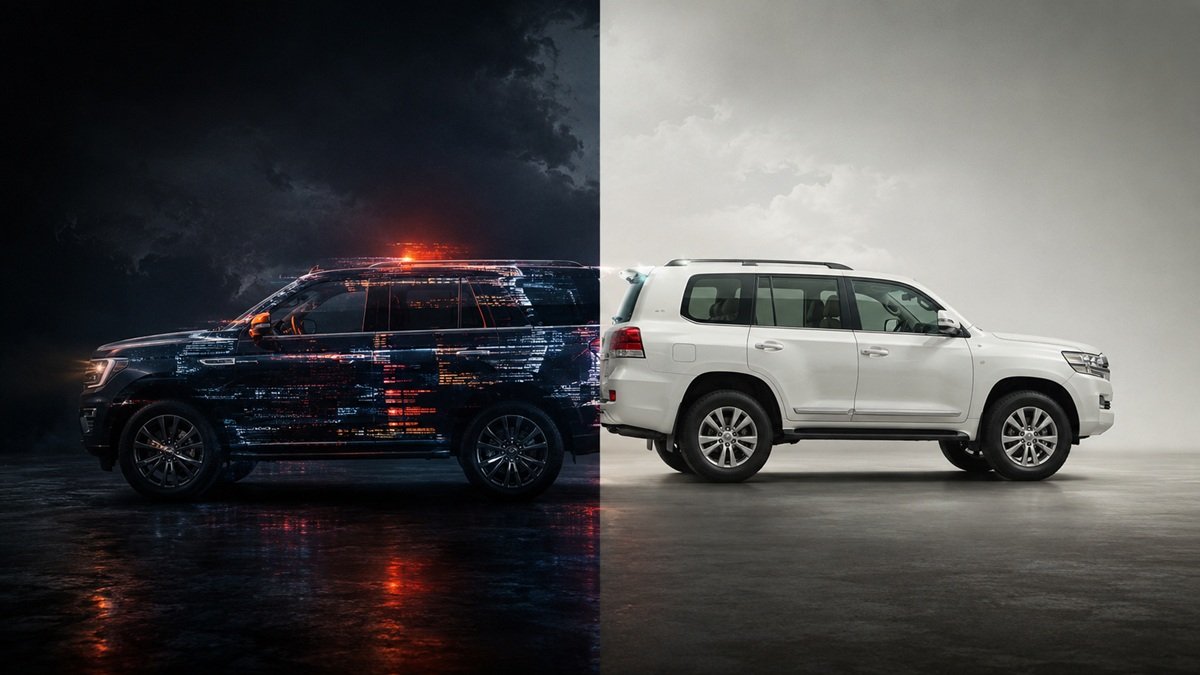
You paid good money for that imported SUV. But there is something your seller probably never told you.
Ford has issued multiple major recalls globally in 2025 and 2026. Brake software. Airbag modules. Rear cameras. Electrical faults. And in Pakistan, thousands of grey import owners have no idea if their vehicle is on that list. I checked. The recall lookup system works fine in the US. In Pakistan, it is mostly silence.
This is not a Ford-only problem. It is a Pakistan-specific gap. And it is getting harder to ignore as vehicles become more software-dependent by the year.
Why Ford Recalls Are Getting Global Attention
Ford Motor Company has issued several high-profile recalls across international markets during 2025 and 2026. According to the National Highway Traffic Safety Administration (NHTSA), these include rearview camera software failures, airbag control problems, brake assist faults, battery management issues, and electrical short circuit risks.
What makes this cycle different from older recalls is the nature of the problem. These are not worn brake pads or leaking gaskets. These are software-driven safety systems that require factory-level tools to fix. That distinction matters enormously for Pakistani buyers.
Recall Categories That Have Appeared in Ford’s Recent Filings:
- Rearview camera software failures
- Airbag control module problems
- Brake assist faults
- Battery management issues
- Electrical short circuit risks
Ford’s official recall checker allows owners to search open recalls via VIN number. In the US and Gulf markets, that system works. In Pakistan, most imported vehicle owners do not even know the tool exists. And even when they find it, fixing the issue locally is a different challenge entirely.
Before buying any imported vehicle, it is worth reading about the growing risks facing used car buyers in Pakistan — a picture that is getting more complex each year.
How Pakistan’s Grey Import Market Creates Risk
Pakistan’s appetite for imported SUVs has remained strong despite rising duties and currency pressure. Most units arrive through overseas Pakistani schemes, baggage imports, gift schemes, private dealerships, or international auction channels.
The Problem: Most of these vehicles enter Pakistan without any direct link to the manufacturer’s support network. That means no automatic recall alerts. No official warranty. Often no complete service history. And limited access to genuine parts or software update tools.
In my experience tracking Pakistan’s auto market, the issue is not that buyers are careless. It is that the information gap is structural. A recall issued in North America or the Gulf may never officially reach a vehicle owner in Karachi or Lahore. The buyer only discovers it if they manually check a foreign VIN database — which almost nobody does.
Three Specific Risks for Imported Ford SUV Owners
1. Limited Recall Awareness
Without dealership records in Pakistan, most imported vehicle owners never receive recall notifications. The burden falls entirely on the individual buyer.
2. Software Support Problems
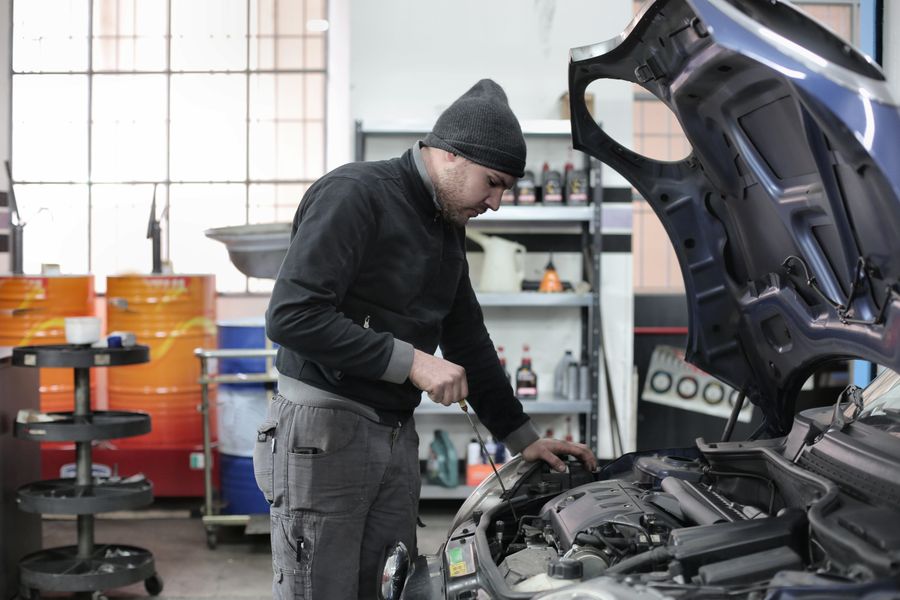
Modern recalls often require software updates or electronic recalibration. Independent workshops in Pakistan may not carry factory-level diagnostic tools for Ford systems.
3. Higher Long-Term Costs
Imported electronic modules and sensor repairs can become expensive. When genuine parts are unavailable locally, wait times stretch and costs climb.
Why Toyota’s Network Gives It an Advantage
Toyota occupies a different position in Pakistan. The brand has built a dealership ecosystem that connects service history, parts supply, and customer records in a way that grey imports simply cannot replicate.
The Toyota Indus official network provides service history tracking, customer ownership databases, scheduled maintenance reminders, genuine spare parts supply, and technical bulletin communication — all under one connected system.
What Toyota Owners Are More Likely to Receive:
- Inspection notices and recall alerts
- Genuine parts without sourcing delays
- Technical service updates
- Maintained resale confidence
This is not about brand loyalty. It is about infrastructure. A Toyota Corolla with a full dealership service record carries more traceable ownership history than an imported Explorer — and that traceability now translates directly into resale value and buyer confidence.
The Hidden Issue With Software-Heavy Vehicles
Modern SUVs are essentially computers on wheels. Camera systems, electronic steering, hybrid battery controls, driver assistance features, and infotainment — all of these rely on software. And software needs updates, patches, and recalibration over time.
According to Consumer Reports auto safety coverage, software-related recalls are increasing globally as vehicles become more connected. Pakistan still does not have a centralized public recall tracking system comparable to those in the US or Europe.
Software now controls these critical systems in imported SUVs:
- Rearview and surround cameras
- Electronic power steering
- Hybrid battery management
- Driver assistance and lane-keep systems
- Brake assist and collision warning
The Engineering Development Board Pakistan focuses primarily on industrial policy and local manufacturing. Imported vehicle recall management falls outside its scope. That leaves buyers dependent on private dealers and workshops for safety information — a system with obvious gaps.
This connects to a broader shift in Pakistan’s auto market. As the government works through the 2026 auto policy and what it means for car prices, the support infrastructure question is becoming just as important as import duties or price tags.
What Pakistani Buyers Should Check Before Buying an Imported SUV
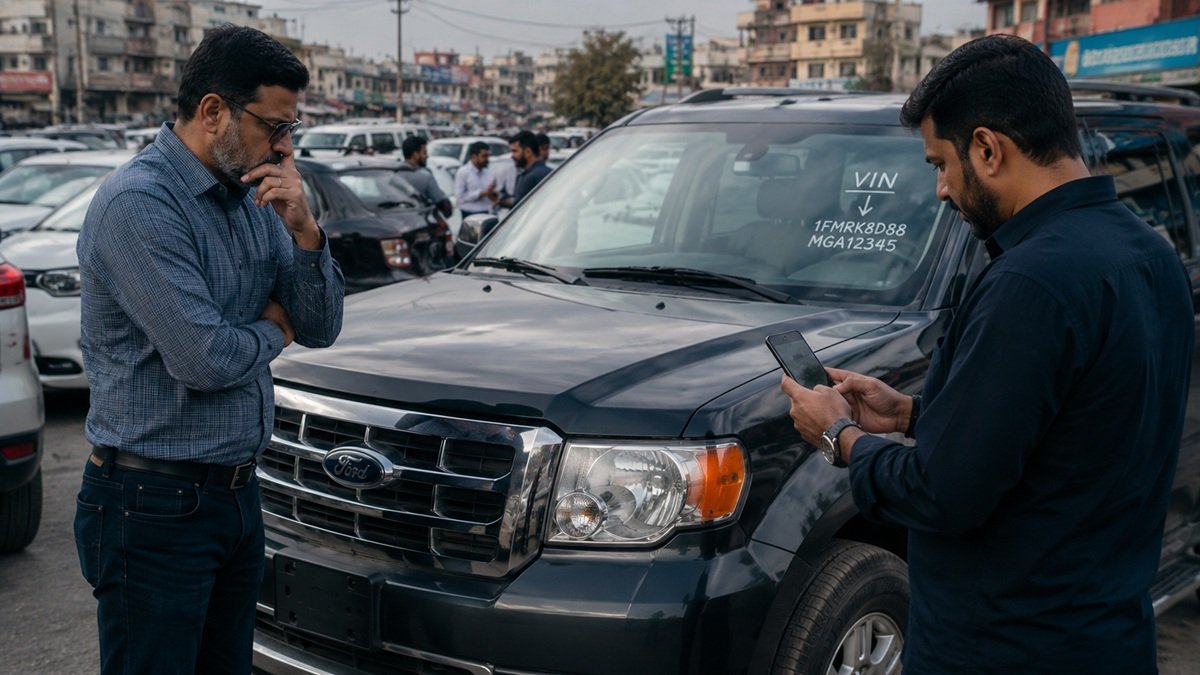
Step 1: Verify the VIN Number
Always request the complete 17-digit VIN before making any payment. Use these tools to check recall history:
If a seller refuses to provide VIN details, treat that as a warning.
Step 2: Confirm Local Support Availability
Before purchasing, ask specifically:
- Are genuine parts available locally in Pakistan?
- Can software updates be performed here with factory tools?
- Is specialized diagnostic equipment available for this model?
Step 3: Compare Long-Term Ownership Costs
An imported SUV may look attractive on the surface. But the long-term picture often includes expensive imported electronic modules, delayed spare parts, recall-related repair costs, and software calibration charges. Total cost of ownership tells a different story than the showroom price.
Ford vs Toyota: Ownership Reality in Pakistan
| Feature | Ford Grey Imports | Toyota Official Ecosystem |
|---|---|---|
| Recall notifications | Mostly manual | More organized |
| Official Pakistan support | Limited | Strong |
| Software update access | Difficult | Easier |
| Spare parts availability | Variable | Widely available |
| Service history tracking | Often incomplete | Usually documented |
| Resale confidence | Moderate | High |
| Long-term ownership certainty | Lower | Stronger |
A Unique Shift Happening in Pakistan’s Car Market
The real change here goes beyond Ford or Toyota. Pakistan’s vehicle market is shifting toward software-dependent ownership. Dealership connectivity, service records, and recall tracking are now safety issues — not just convenience features.
In the past, buyers compared engine specs, fuel economy, or exterior design. Now the smarter questions are: Will this vehicle receive software support later? Can recalls be tracked properly? Are parts and diagnostic tools available in my city?
Industry analysts expect stronger focus ahead on digital vehicle records, recall awareness systems, software infrastructure, connected dealership services, and hybrid and EV maintenance systems. Vehicles connected to proper support networks could soon carry more market value than unsupported imports with better feature lists.
Frequently Asked Questions