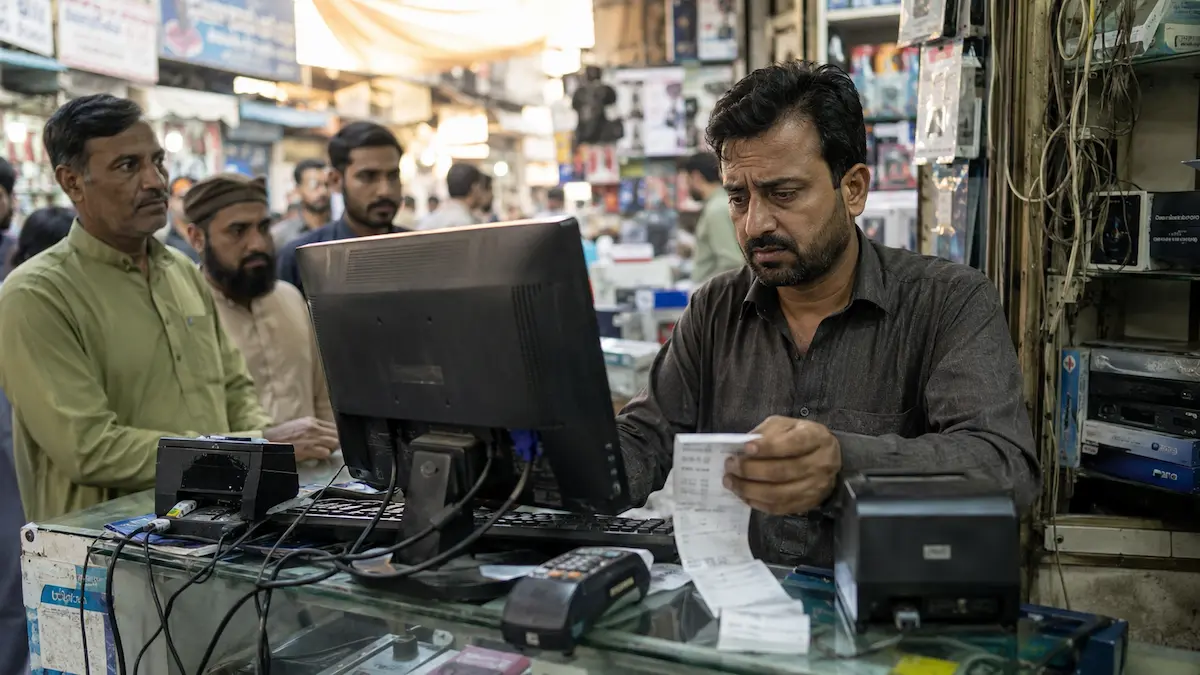
What Is the FBR Digital Invoicing System?
The FBR digital invoicing system requires sales tax registered businesses in Pakistan to generate electronic invoices through software connected with FBR approved integration systems. Invoice data is reported electronically, replacing manual and paper records.
According to the Federal Board of Revenue, the goal is to improve tax transparency and reduce undocumented transactions. Many traders still assume this only applies to major retail chains. That assumption is wrong.
Why FBR Is Expanding Digital Invoicing
Pakistan has spent years trying to document more business activity and improve sales tax collection. Digital invoicing is part of a broader shift toward real time tax monitoring, centralized invoice tracking, and reduced fake invoicing.
For small businesses, the bigger change is operational. Earlier, invoice corrections could be delayed for several days. Now, businesses must work within much stricter timelines. This is directly connected to ongoing Budget 2026 income tax and revenue measures that push for tighter fiscal documentation.
Which Businesses Are Affected?
The strongest impact falls on sales tax registered businesses. This includes retail stores, electronics shops, medical stores, restaurants, importers, distributors, and wholesale businesses.
| Business Type | Impact Level |
|---|---|
| Sales tax registered retailer | High |
| POS integrated shop | High |
| Importer or distributor | High |
| Restaurant issuing invoices | Moderate to High |
| Pharmacy or electronics seller | High |
| Small unregistered store | Lower for now |
Shop owners can verify their registration status through the FBR IRIS Portal. Many traders are still delaying system upgrades, but software setup and staff training often take longer than expected.
The New 72 Hour Invoice Rule Explained
This is the rule that matters most. Under current operational rules, electronic invoices can generally only be canceled, edited, or deleted within 72 hours after issuance. After that window, approval from the Commissioner Inland Revenue may be required.
Earlier, many businesses corrected invoices days later because of customer returns, wrong GST calculations, duplicate entries, or staff errors. That flexibility is now gone. Many accountants now advise businesses to review invoices daily instead of weekly.
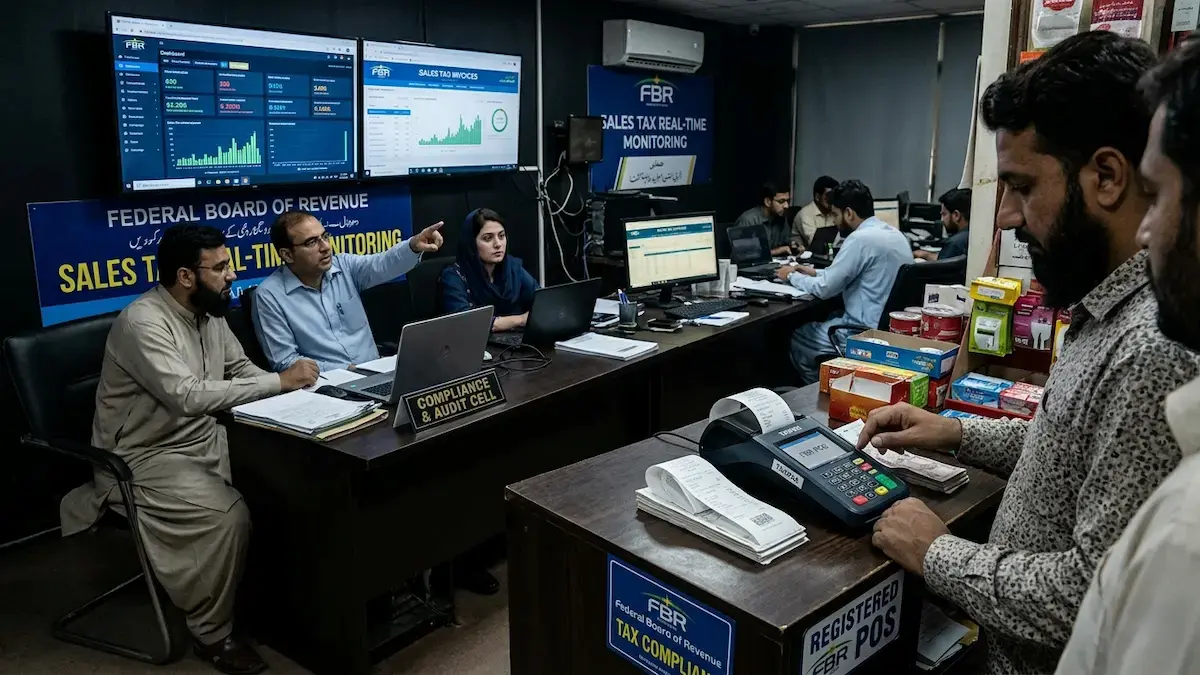
What Shop Owners Should Do Immediately
Check registration status. Businesses already registered for sales tax are most likely affected. Verification can be done through the FBR IRIS system.
Review billing software. Many older POS systems are not compatible with FBR integration requirements. Ask your software provider if the system is FBR compatible, supports electronic invoicing, and can sync invoice data automatically.
Contact an approved integrator. FBR has introduced licensed integration channels for electronic invoicing. Waiting until enforcement pressure increases is risky. Last minute integration can disrupt billing operations. Technical details are available through PRAL Pakistan Revenue Automation Limited.
Train billing staff. Cashiers and billing operators need to understand invoice generation, GST handling, return processing, and cancellation timing. Most compliance failures happen because of staff confusion, not intentional fraud. For context on how salary adjustments for government workers factor into digital compliance pressures, see Budget 2026 salary updates for government employees.
Why Rawalpindi and Lahore Markets Are More Exposed
The impact may be stronger in Punjab’s major commercial markets because many businesses still rely on semi manual billing systems. Areas likely to feel operational changes include Raja Bazaar, Saddar in Rawalpindi, Hall Road, Shah Alam Market, Hafeez Center, and Anarkali Bazaar in Lahore.
Large retail chains already have accountants, IT teams, and advanced POS systems in place. Smaller traders often do not. That difference matters. Compliance pressure may hit medium and small businesses harder than large retailers during this early transition period.
How the New System Compares to the Old One
| Previous System | New Digital System |
|---|---|
| Manual invoices common | Electronic invoices required |
| Delayed corrections possible | 72 hour correction limit |
| Paper bookkeeping | Digital recordkeeping |
| Weak invoice tracking | Centralized monitoring |
| Flexible adjustments | Structured compliance |
What Happens Next
FBR is expected to continue expanding digital monitoring during 2026. Possible next steps include wider retailer integration, increased audit checks, stronger POS enforcement, and automated invoice verification. Businesses that prepare early are likely to face fewer operational problems later.
Frequently Asked Questions
Does every small shop need digital invoicing?
No. The current focus is mainly on sales tax registered businesses and entities already connected with FBR compliance systems. Unregistered small stores face lower immediate impact for now.
Can invoices still be edited after 72 hours?
Invoice changes after 72 hours may require approval from tax authorities under the updated framework. Businesses should review invoices daily to avoid this situation.
Is POS software mandatory now?
Businesses covered under electronic invoicing requirements may need compatible billing or POS systems connected with approved FBR integration channels.
Where can businesses check official updates?
Official notices and updates are available through the FBR Official Website at fbr.gov.pk and through PRAL Pakistan.
Will this slow down customer billing?
Some businesses may initially experience slower billing while staff adjusts. However, properly configured software can improve invoice management and speed over time.