Why Sheikh Al Hudaify’s Hajj 2026 Sermon Stood Out
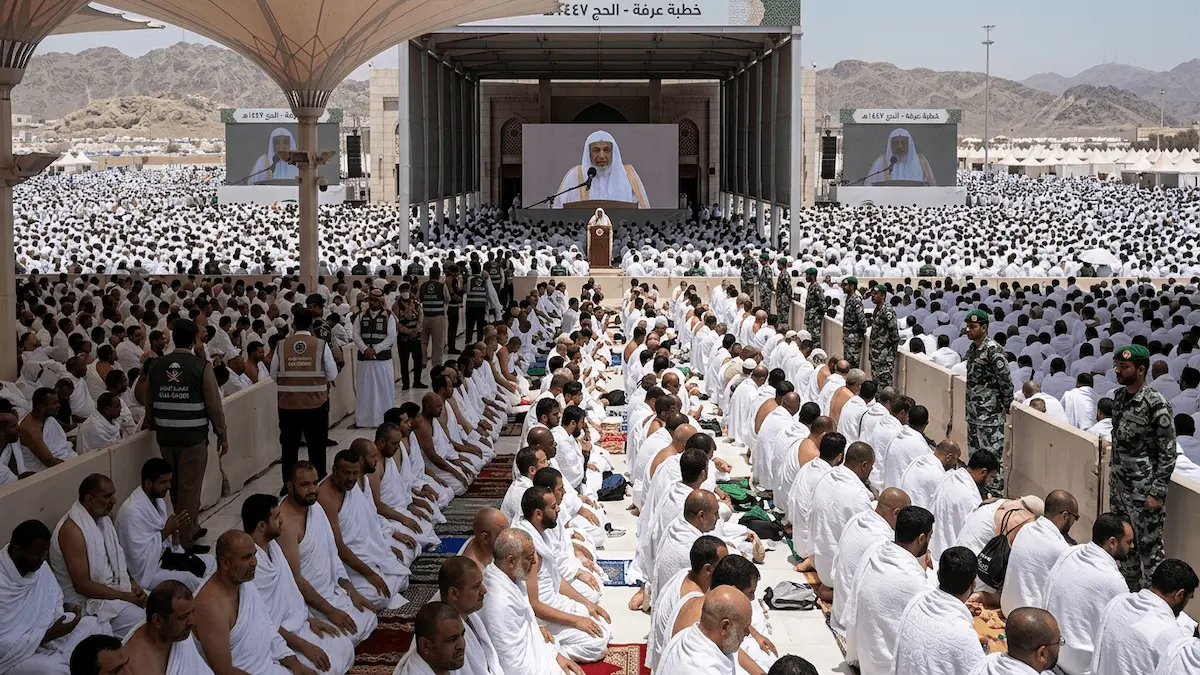
The Arafat sermon is one of the most watched religious speeches in the Muslim world each year. Millions gather at Arafat while many more follow through TV, livestreams, and mosque relays. This year, the message went further than spiritual guidance alone.
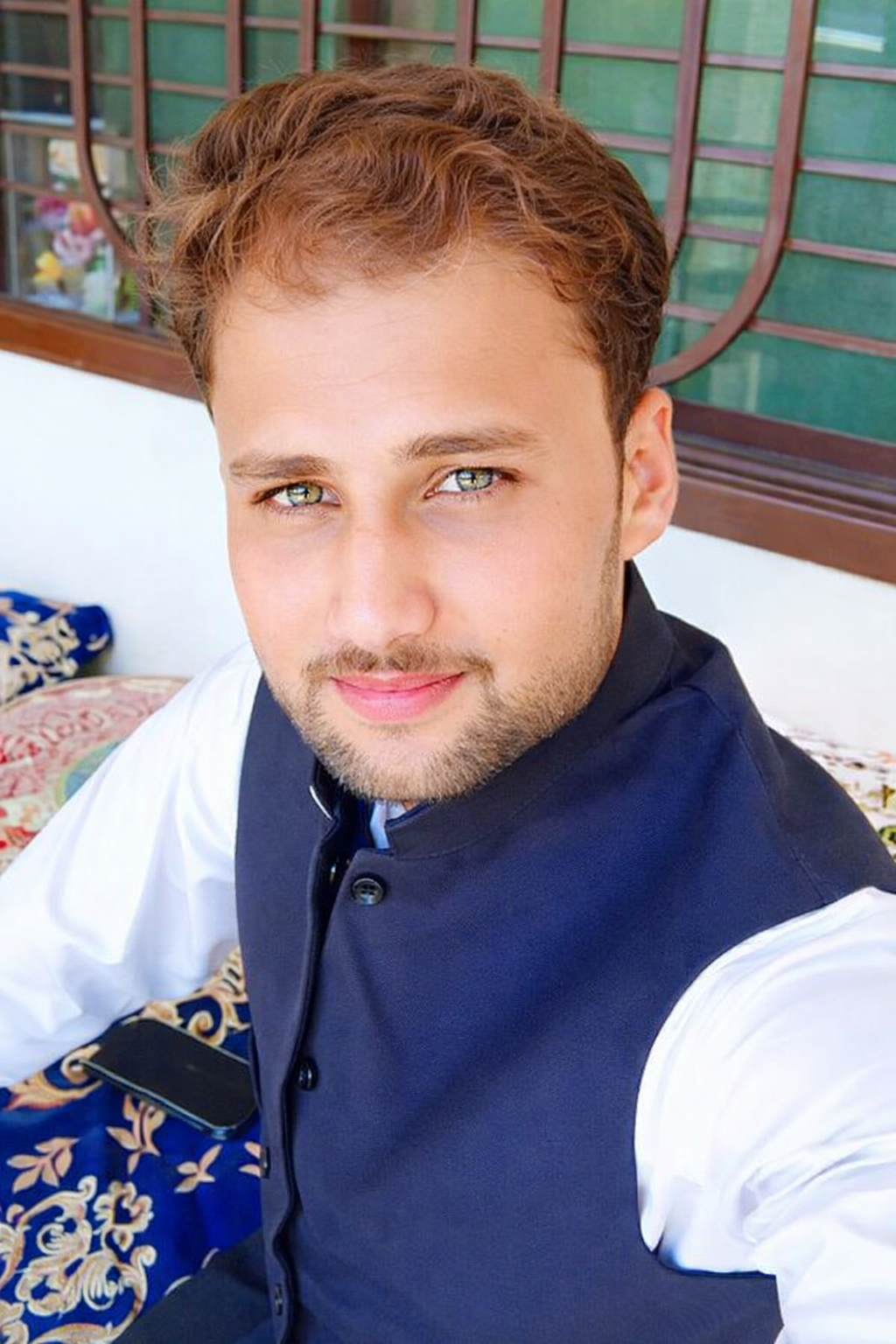
Sheikh Ali Al Hudaify delivered the khutbah at Namirah Mosque with a calm and measured tone. His focus on discipline and public safety made this year’s sermon different from earlier ones. Religious analysts noted the shift immediately.
Who Is Sheikh Ali Al Hudaify?
Sheikh Ali Al Hudaify is one of the most respected Quran reciters and Islamic scholars in the Muslim world. He serves at Masjid an-Nabawi and is widely recognized in Pakistan for his Quran recitation during Ramadan and Hajj broadcasts.
The Saudi Royal Court selected him to deliver the Hajj 2026 sermon. His reputation for calm delivery matched this year’s broader focus on patience and order during the pilgrimage.
Main Themes From the Hajj 2026 Sermon
Several clear themes shaped this year’s khutbah at Arafat.
Patience During Hajj
Pilgrims were urged to stay patient during heat, long walks, and crowded movement between holy sites. This was not just spiritual advice. It carried direct practical importance for millions moving within limited spaces over a short period.
Muslim Unity
The sermon strongly emphasized unity among Muslims. Pilgrims were encouraged to avoid arguments and disputes. For Pakistani pilgrims travelling in large groups, this message reflected the shared spirit of Hajj where people from different backgrounds worship together.
Avoiding Political Slogans
One of the most discussed points involved avoiding political slogans during sacred rituals. Analysts say this reflects Saudi Arabia’s long standing policy of keeping Hajj focused on worship, safety, and organization. The wording this year was more direct than previous sermons.
Following Official Guidance
The sermon also stressed following official movement schedules, transport systems, and emergency safety instructions. Saudi authorities have continued investing in crowd management systems after lessons from previous Hajj incidents. Updates are published through the Saudi Press Agency.
Why Crowd Discipline Became Central This Year
Hajj 2026 took place during intense summer temperatures. Crowd safety became one of the biggest operational priorities. The sermon’s focus on discipline connected directly with real conditions pilgrims faced on the ground.
Group leaders in Pakistani camps repeatedly advised pilgrims to stay hydrated, avoid rushing, follow assigned movement timings, use official transport routes, and listen to camp coordinators. Religious messaging and safety management worked together more visibly than in previous years.
Pakistan’s Hajj Role and Support System
Prime Minister Shehbaz Sharif issued a public Hajj message urging Muslims to apply Islamic values in daily life. Pakistan also ran large scale Hajj operations through the official Pakistan Hajj Mission in Saudi Arabia.
According to Pakistan’s Ministry of Religious Affairs, the country deployed medical teams, transport coordinators, accommodation staff, and religious guides. You can track live Hajj crowd data through Saudi Makkah’s live crowd tracker for real time updates.
| Pakistan Hajj Service | Purpose |
|---|---|
| Medical Camps | Health support for pilgrims |
| Transport Coordination | Movement management between sites |
| Accommodation Support | Camp and hotel assistance |
| Religious Guidance | Ritual help and spiritual support |
| Complaint Centers | Pilgrim issue handling |
How Pakistani Pilgrims Experienced the Sermon
Many Pakistani pilgrims described the Day of Arafat as the emotional center of the Hajj journey. Urdu translations of the sermon spread quickly through TV channels, YouTube clips, and WhatsApp groups. Older viewers especially appreciated real time Urdu interpretation.
Pilgrims from Punjab, Sindh, and Khyber Pakhtunkhwa said camp organizers repeatedly reminded groups to avoid overcrowding during movement between holy sites. This year’s Hajj highlighted how digital communication now shapes both religious outreach and crowd management at the same time.
Saudi Arabia’s Multilingual Hajj Strategy
Saudi Arabia has expanded multilingual Hajj broadcasting significantly in recent years. The Arafat sermon is now translated through television broadcasts, livestreams, mobile applications, social media platforms, and mosque audio systems.
For Pakistan, Urdu remains one of the most important Hajj broadcast languages. Analysts believe this multilingual approach improves both accessibility and pilgrim awareness about safety procedures. Pakistani travellers can also read about how Pakistan airports are working to reduce long queues for returning pilgrims after Hajj.
What Changed Compared to Previous Years
Several shifts stood out during Hajj 2026. The sermon connected spiritual worship with crowd discipline more directly than many earlier khutbahs. Official livestreams and multilingual translations also reached audiences faster through mobile platforms.
Many Pakistani pilgrims reported stricter transport schedules and more structured movement systems between holy sites. Warnings against disputes and political slogans also appeared more direct than in previous years.
Why This Message Matters Beyond Hajj
The Arafat sermon often shapes wider discussions across the Muslim world long after Hajj ends. This year’s message arrived during a period of political tension and economic pressure in several Muslim countries. Calls for patience, unity, and discipline gained wider attention because of that.
For Pakistan, the sermon also highlighted how modern Hajj now combines religion, technology, crowd management, and international coordination on a massive scale. Religious scholars believe themes from this year’s khutbah may continue appearing in Friday sermons and television discussions across Pakistan in the coming weeks.
| Topic | Details |
|---|---|
| Sermon Location | Namirah Mosque, Arafat |
| Main Speaker | Sheikh Ali Al Hudaify |
| Main Themes | Unity, patience, discipline |
| Pakistan Angle | PM message and Hajj mission support |
| Operational Focus | Crowd safety and organized movement |
| Global Reach | Multilingual broadcasts |
| Key Discussion | Avoiding political slogans during Hajj |
Frequently Asked Questions
Why is the Arafat sermon important?
The Arafat sermon is one of the most widely followed annual Islamic speeches and reaches millions globally through live broadcasts and translations.
Who delivered the Hajj 2026 sermon?
The sermon was delivered by Sheikh Ali Al Hudaify at Namirah Mosque in Arafat.
What was the main focus of the sermon?
The khutbah focused on patience, Muslim unity, discipline, sincere worship, and following official Hajj guidance.
Why did the sermon discourage political slogans?
Observers say the message reflected Saudi Arabia’s long standing policy of keeping Hajj centered on worship and public safety.
How did Pakistani pilgrims follow the Hajj 2026 sermon?
Saudi Arabia broadcast the sermon in Urdu through TV channels, livestreams, mobile apps, and social media, allowing millions in Pakistan to follow it live.
Where can Pakistani pilgrims get official Hajj updates?
Pilgrims can follow updates through the Pakistan Ministry of Religious Affairs and Interfaith Harmony and the Pakistan Hajj Mission Portal.