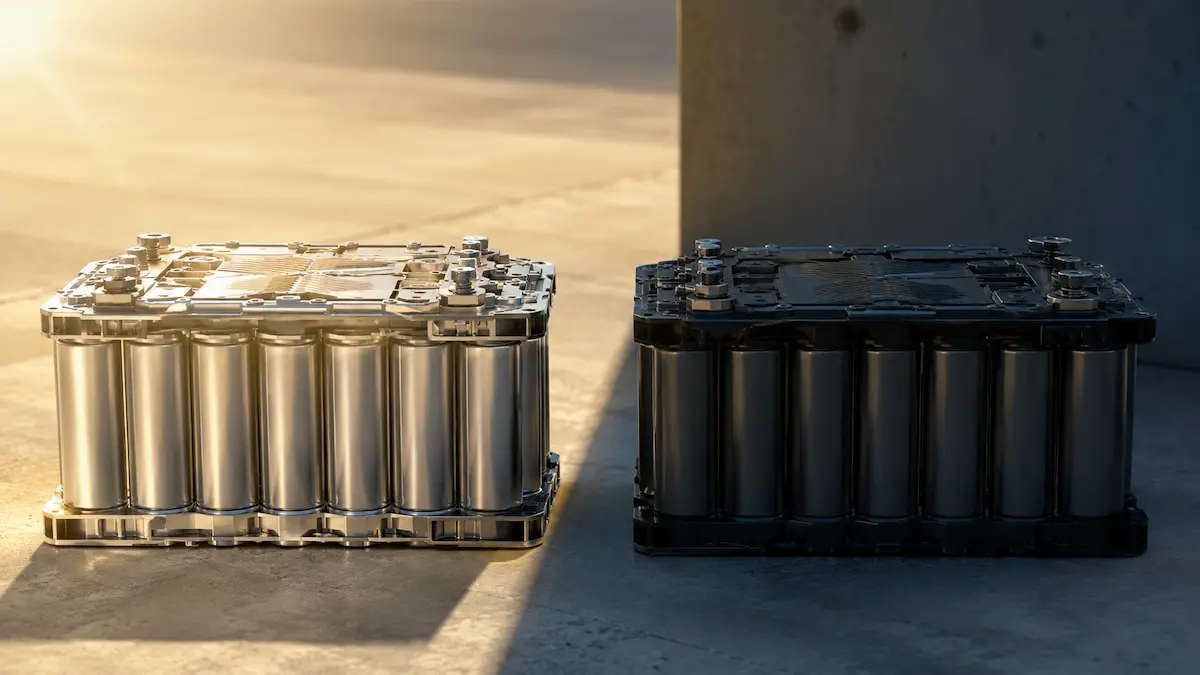
Why Pakistan Needs Cheaper Battery Storage Right Now
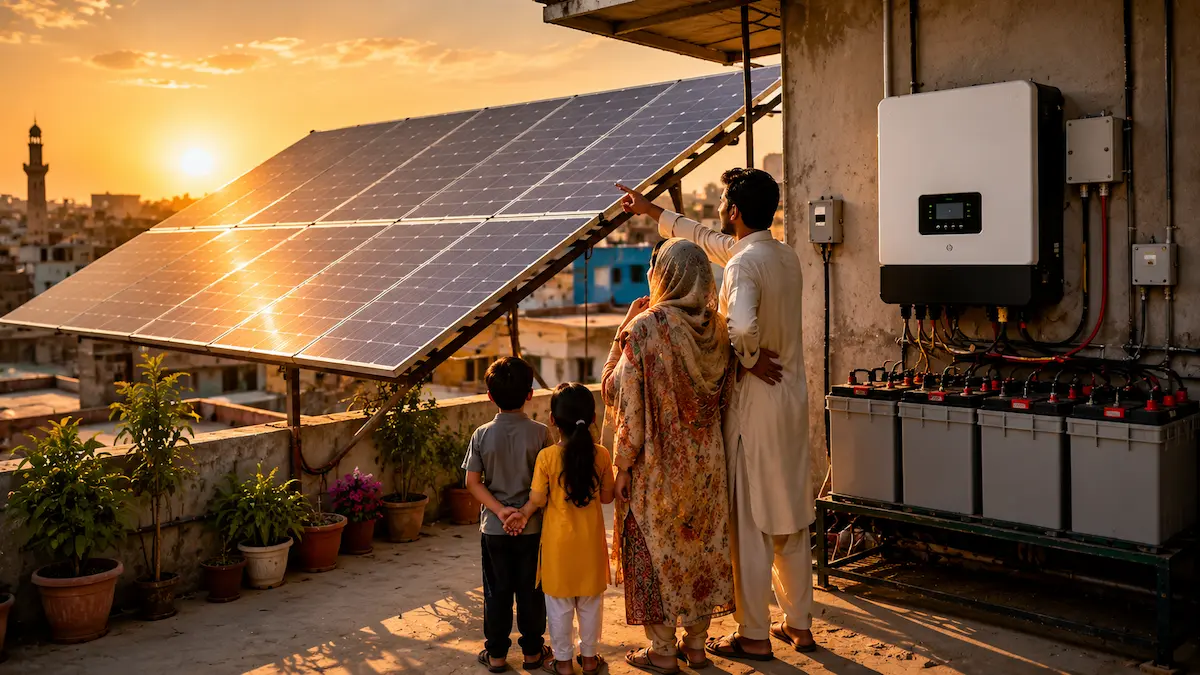
Pakistan’s electricity costs continue to push households toward solar power. Yet one problem remains. Battery storage is still expensive for many families.
Many households install solar panels but delay battery purchases because storage systems significantly raise total project costs. At the same time, battery manufacturers worldwide are looking beyond lithium because raw material prices can fluctuate sharply.
Energy market research shows growing interest in alternative battery chemistries for grid storage. This creates an opportunity for sodium ion systems.
What Are Sodium Ion Batteries?
Sodium ion batteries store electricity using sodium based chemistry rather than lithium. The concept is simple. Replace expensive and supply constrained materials with more abundant alternatives.
This technology is attracting attention because sodium is widely available globally. Unlike electric vehicles, home storage systems care more about cost and safety than weight. This makes sodium ion batteries perfect for rooftop installations, grid backup systems, and rural electrification projects.
Why Pakistan’s Solar Users Should Pay Attention
Several local factors make sodium ion relevant to Pakistan’s energy crisis.
Rising Electricity Bills
Higher monthly bills have increased demand for rooftop solar and backup storage. The cost of electricity makes battery systems a necessary expense, not a luxury.
Extreme Temperatures
Pakistan’s summer temperatures regularly exceed 40°C. Battery systems must perform reliably in harsh conditions. This is where sodium ion shows real promise compared to traditional lithium systems.
Off Grid Needs
Rural communities and peri urban areas often need backup solutions during outages. Affordable storage could reach people who currently have no options.
Import Risks
Pakistan depends heavily on imported energy technologies. Diversifying battery supply chains could improve resilience and reduce costs.
Sodium Ion vs Lithium Ion: The Real Differences
| Feature | Sodium Ion | Lithium Ion |
|---|---|---|
| Raw Material Exposure | Lower dependence on rare minerals | Higher dependence on lithium supply |
| Expected Production Cost | Lower over time | Higher |
| Energy Density | Lower | Higher |
| Heat Performance | Better thermal stability | More cooling requirements |
| Best Use | Stationary storage | EVs and compact systems |
| Market Maturity | Early stage | Mature market |
The lower energy density creates a tradeoff. However, storage systems installed in homes usually prioritize cost, safety, and lifespan over compact size. This is where sodium ion wins.
Heat Safety: Sodium Ion’s Biggest Advantage for Pakistan
Battery performance changes significantly in hot weather. This matters because Pakistan’s climate creates extra stress on storage systems.
Solar batteries often operate in outdoor spaces, rooftop installations, utility rooms without cooling, and high temperature environments. Research suggests sodium ion systems may offer stronger thermal stability compared with some lithium chemistries.
Even so, installation quality still matters. Users need proper ventilation, battery management systems, certified installers, and manufacturer approved setups.
The Cycle Life Challenge
Lithium still holds an edge in durability. Typical lithium systems provide around 3000 to 6000 or more cycles, while sodium ion offers around 2000 to 4000 cycles. This means lithium has more field data and longer proven lifespan.
However, lower purchase costs could balance shorter lifespan for some users. A cheaper system that lasts 10 to 12 years might be more valuable than an expensive system lasting 15 years.
What’s Happening in Global Manufacturing
Commercial scaling matters more than lab results. Large manufacturers are expanding sodium ion production because larger volumes generally reduce prices.
As manufacturing scales, Pakistan may see three phases. In the short term, imported storage products will enter the market. In the medium term, local assembly partnerships could expand. Long term, wider residential adoption could follow as costs drop further.
Real Barriers Pakistan Cannot Ignore
The technology still faces practical obstacles. Pakistan lacks large scale battery manufacturing capacity. Most installers specialize in lithium systems and need training on new chemistries.
Market choices remain limited, and repair networks are still developing. Therefore, sodium ion should currently be viewed as an emerging option rather than a complete replacement.
Pakistan May Skip an Entire Step in Battery Adoption
Many developed markets built storage systems around lithium first. Pakistan may follow a different path.
Because storage adoption is still developing, local buyers may directly adopt lower cost chemistries if pricing becomes attractive enough. This creates a rare opportunity. Countries building energy infrastructure later sometimes adopt newer technologies faster because they avoid older investment cycles.
The government’s free solar panel scheme and solar hybrid tax policies could accelerate adoption if paired with affordable battery options.
What Comes Next: 2026 to 2028 and Beyond
2026 to 2027
More pilot projects and imported products may enter the market. Early adopters in major cities could test sodium ion systems.
2027 to 2028
Assembly partnerships could expand if demand increases. Local companies might begin manufacturing components or complete systems.
Beyond 2028
Pakistan could move toward mixed battery systems where lithium supports premium applications while sodium supports lower cost storage.
The Real Opportunity for Pakistani Households
Sodium ion batteries are moving closer to commercial reality at a time when Pakistan needs cheaper storage options. Lower material costs, stronger heat tolerance, and better suitability for stationary storage make them relevant for the local market.
Still, availability, installer readiness, and long term performance remain key questions. For now, sodium ion looks less like a replacement for lithium and more like a new option for households seeking affordable energy storage.
Frequently Asked Questions
Are sodium ion batteries available in Pakistan now?
Availability remains limited, although imported products may increase as global production expands. Most systems are not yet widely available in the local market.
Are sodium ion batteries safer in hot weather?
Researchers and manufacturers generally position them as more thermally stable for stationary applications. Pakistan’s extreme temperatures make this advantage particularly relevant for solar storage systems.
Will sodium ion replace lithium batteries?
Current market trends suggest both technologies may coexist. Sodium ion is better suited for stationary storage, while lithium continues to dominate electric vehicles and compact applications.
Are sodium ion batteries suitable for home solar systems?
Stationary storage remains one of their strongest use cases. Home solar systems care more about cost, safety, and lifespan than compact size, making sodium ion an attractive option.
Why is Pakistan interested in battery alternatives?
High electricity costs, hot weather conditions, and the need for affordable storage are driving interest in alternative battery technologies that cost less than lithium systems.
When could sodium ion batteries become affordable in Pakistan?
Early timeline suggests 2026-2027 for pilot projects and imported products, 2027-2028 for assembly partnerships, and wider adoption expected beyond 2028 as manufacturing scales up.