PM Electric Bike Scheme Women Quota: What It Promises
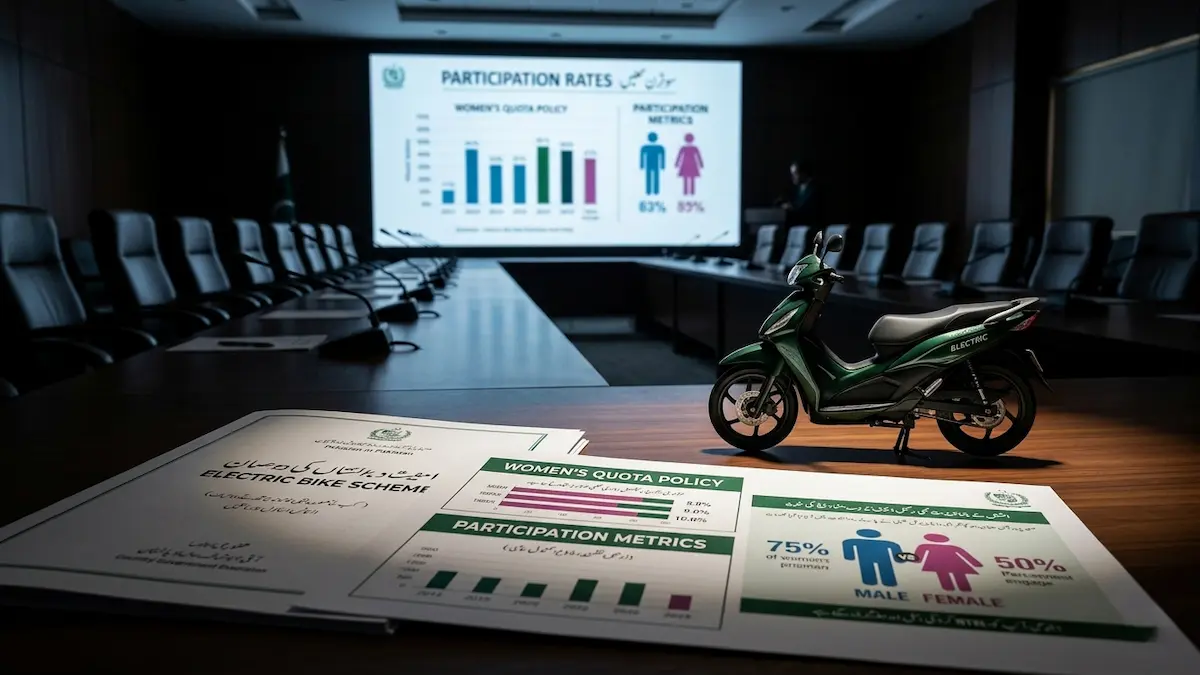
The Prime Minister’s Electric Bike Scheme is part of Pakistan’s Accelerated Vehicle Electrification, or PAVE, program. It plans to hand out around 116,000 electric bikes through subsidies and interest-free loans.
Of that total, 25 percent is reserved only for women. On paper, that is close to 29,000 bikes set aside for female applicants.
Why the Quota Was Added in the First Place
Government scheme information says the quota exists because women in many cities and towns face real barriers to transport. Cost, safety, and limited routes all play a part.
An electric bike runs cheaper than a petrol motorcycle to maintain. For a student or a working woman on a tight budget, that difference adds up fast over a year. For more on how financing works across regions, the PAVE program rollout has faced its own delays that are worth understanding alongside the quota debate.
What the Numbers Look Like
| Item | Details |
|---|---|
| Total planned e-bikes | 116,000 |
| Women’s quota | 25% |
| Estimated bikes reserved for women | About 29,000 |
| Subsidy per bike | Up to Rs 50,000 |
| Financing | Interest-free options available |
| Eligible age group | 18 to 65 years |
| Coverage | Nationwide |
Why Female Participation Is Now in Question
Officials have shared overall registration numbers since the scheme expanded in early 2026. But gender-wise breakdowns have not been released publicly.
That gap has fueled a simple question. Is the quota actually reaching enough women, or is it sitting unused because of barriers that a reserved seat alone cannot fix?
The Barriers Women Are Reporting
Registration for the scheme runs mostly online. That works fine for applicants with steady internet access and digital comfort, but not everyone has both in equal measure.
Banking and income documentation pose another hurdle. Women working informal jobs often lack the paper trail that financing approval expects.
Riding training and licensing access still varies a lot by city. Bigger urban centers have more visible female riders, but smaller towns lag behind.
What Women Actually Say They Need
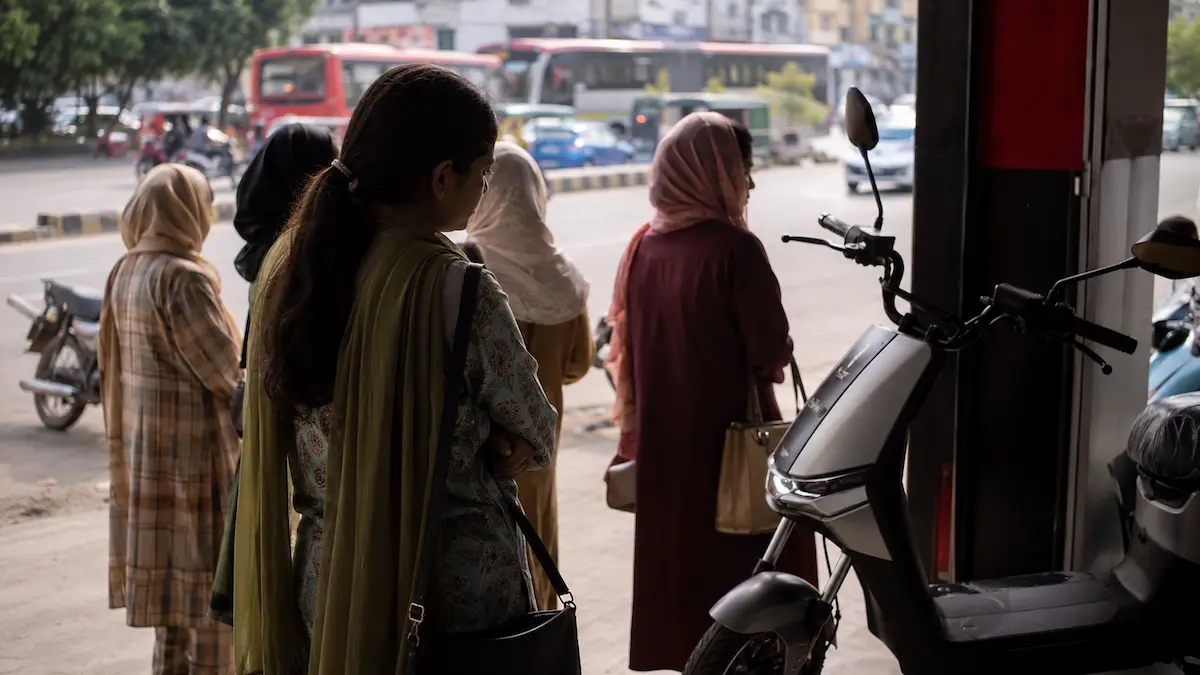
Subsidies get the headlines, but many women raise more basic questions. Where can they get trained to ride? Is the paperwork manageable? What happens if the bike needs repair later?
These concerns differ by city too. A student in Lahore faces a different daily routine than a home based worker in Rawalpindi or a factory worker in Faisalabad. Readers comparing options can also check the Punjab electric bike registration guide for province specific steps.
For many, feeling confident about the process matters just as much as the subsidy amount itself.
How This Compares to Earlier Mobility Programs
Pakistan has tried women focused mobility programs before this one. Sindh’s pink electric scooter initiative focused on rider training and women-only distribution at a provincial level.
Other provincial transport projects have offered similar support on a smaller scale. The federal scheme is different mainly because it ties women’s mobility directly to the country’s wider EV adoption push, alongside province level efforts like the Balochistan electric bike subsidy program.
How to Apply Under the Scheme
According to the State Bank of Pakistan’s financing framework for EV schemes, applicants generally register online, submit identity and income documents, go through verification, and then complete financing before delivery.
Officials advise applicants to rely only on government channels for updates, since unofficial sources have spread confusion in past phases of the program.
What Comes Next for the Quota
Whether the 25 percent quota meets its goal will likely depend on a few things. Wider awareness campaigns, easier registration support, and more access to rider training all matter.
Publishing gender-wise data would also help. Right now, the public has no way to measure how the quota is actually performing.
Frequently Asked Questions
How many electric bikes are reserved for women under the PM scheme?
The scheme reserves 25 percent of available electric bikes for female applicants. Based on the current allocation of 116,000 bikes, that comes to about 29,000 bikes for women.
What subsidy is available under the scheme?
Official program information states that eligible bikes receive a government subsidy of up to Rs 50,000, along with interest-free financing through approved channels.
Can students apply for the scheme?
Yes. Public announcements list students among the groups the scheme is designed to support.
Is the scheme available across all of Pakistan?
Yes. Program details point to nationwide coverage, including Azad Jammu and Kashmir and Gilgit Baltistan.
Why is women’s participation in the scheme being questioned?
The quota was meant to boost women’s access to affordable transport, but no gender-wise application data has been made public yet. This has raised questions about whether barriers like documentation, training access, and awareness are limiting uptake.
What is the eligible age group for the PM Electric Bike Scheme?
Applicants between 18 and 65 years of age are eligible to apply.