
Pakistan Healthcare Workforce Reforms 2026: What’s Changing and Who It Affects
Pakistan faces one of the region’s most serious healthcare worker shortages. Public hospitals report empty positions while medical education institutions struggle to meet demand. During 2025 and 2026, federal and provincial authorities introduced a series of major reforms covering nursing regulation, medical education oversight, digital inspections and hospital staffing management.
These changes affect thousands of nurses, doctors, hospitals and ultimately millions of patients across the country. The reforms also come as Pakistan continues losing healthcare professionals to overseas opportunities in Gulf countries, Europe and North America.
Understanding these reforms matters because they shape how healthcare workers are trained, how hospitals operate and what care patients receive. Here’s what has changed and what it means.
Why Pakistan Is Reforming Its Healthcare Workforce
Pakistan has fewer doctors, nurses and midwives per capita than most regional neighbours. The World Health Organization sets minimum thresholds for healthcare worker ratios, but Pakistan still falls short. Large cities like Karachi and Lahore attract healthcare professionals while smaller districts struggle to fill positions, especially in nursing and specialist services.
Governments have focused on expanding nursing education, improving workforce planning, strengthening licensing systems and digitizing regulatory inspections. These steps aim to increase accountability and transparency in how healthcare institutions train and manage staff.
Latest Government Healthcare Workforce Developments in 2026
During the first half of 2026, several important healthcare workforce announcements took place. The Parliamentary Standing Committee on National Health Services held multiple meetings reviewing nursing reforms, medicine shortages, public health education and medical education governance.
Regulators also introduced digital inspection systems for medical colleges and teaching hospitals to improve transparency. These electronic monitoring tools reduce delays in facility inspections and provide real-time compliance data.
The Pakistan Medical and Dental Council announced updates including digitalization of inspection systems, expansion of family medicine programs and new oversight mechanisms for postgraduate training. These changes aim to modernize how medical education is regulated and monitored.
New Nursing Regulations Update Pakistan’s Healthcare Standards
One of the most important 2026 developments involves modernization of nursing regulation through updated legislation concerning the Pakistan Nursing and Midwifery Council. The proposed framework updates laws related to nurse registration, midwifery licensing, training accreditation, continuing professional education and recognition of nurse practitioners.
These reforms create clearer career pathways for nurses and support better workforce planning. They also align Pakistani nursing standards more closely with international licensing requirements, potentially making Pakistani qualifications more portable for nurses seeking international opportunities.
Improved regulatory clarity could strengthen domestic healthcare capacity while helping nurses access global career development. The changes emphasize professional recognition, expand advanced nursing roles and increase training quality standards nationwide.
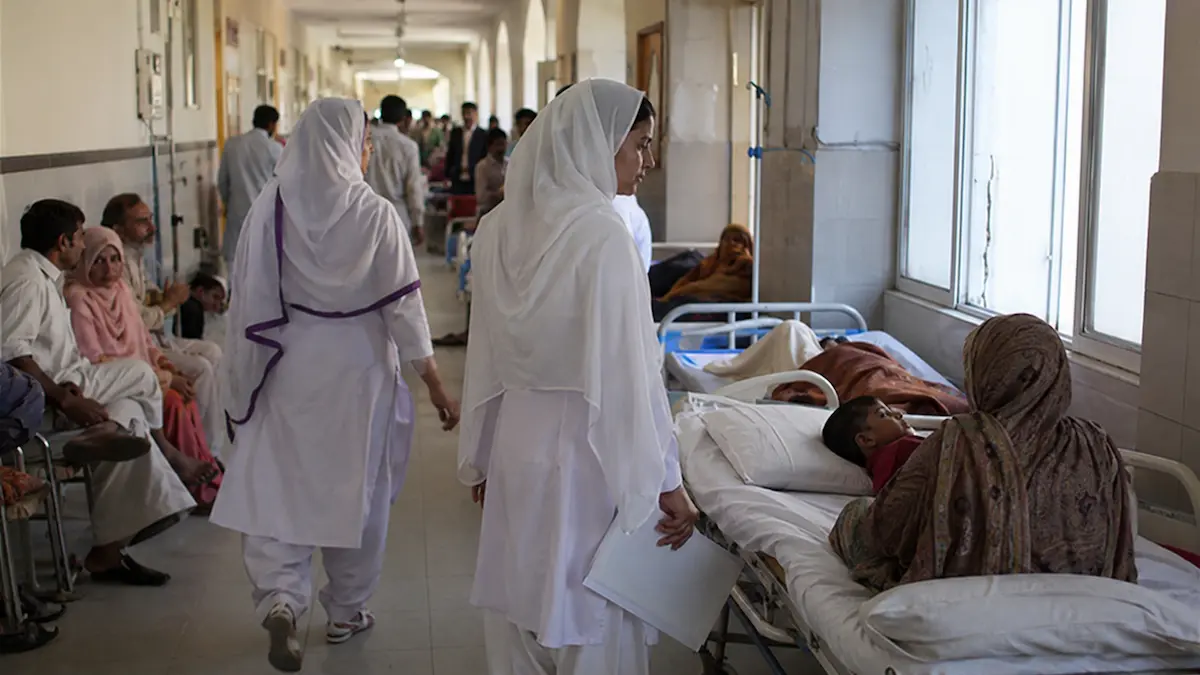
Nurse Staffing Ratios: Pakistan’s Ongoing Challenge
Mandatory nurse to patient ratios are increasingly common internationally because research shows they improve patient safety and reduce staff burnout. Pakistan currently does not operate under a nationwide legally enforced nurse staffing ratio system.
Instead, staffing levels depend on hospital budgets, provincial recruitment policies, bed capacity and availability of trained nurses. Healthcare administrators repeatedly highlight shortages in intensive care units, emergency departments and specialized services.
Several provincial health departments continue reviewing workforce models that could improve staffing allocation. However, no nationwide mandatory ratio policy has been announced publicly as of June 2026. This remains an area where future reforms could make significant impact.
Hospital Workforce Rules and Digital Compliance
Hospitals are seeing changes in how they manage and report on staffing. Recent reforms focus on using staffing data for better planning, faster recruitment approval processes, digital verification systems for licensing and electronic compliance monitoring.
Digital systems are expected to reduce inspection delays and improve monitoring of faculty requirements in teaching institutions. Provincial departments are also reviewing how to distribute healthcare workers more fairly between urban and rural healthcare facilities.
| Reform Area | Current Direction |
|---|---|
| Workforce Planning | Greater use of staffing data and analytics |
| Recruitment Process | Faster approval and hiring procedures |
| Licensing Systems | Digital verification and documentation |
| Compliance Monitoring | Electronic inspections and tracking |
| Staff Training | Standardized requirements nationwide |
| Hospital Governance | Stronger regulatory oversight and accountability |
Medical Education Reforms and PMDC Updates
Medical education remains closely linked to workforce planning. The Pakistan Medical and Dental Council introduced several updates during 2026 including digitalization of inspection systems, expansion of family medicine initiatives and updated recognition procedures for medical qualifications.
PMDC also reviewed scheduling changes for MDCAT examinations to reduce delays in admissions and improve predictability for students and institutions. These scheduling improvements help students plan their education and institutions manage enrollment more effectively.
Family medicine has received particular attention because policymakers view stronger primary healthcare as essential for reducing pressure on tertiary hospitals and expanding access in underserved communities. Relatedly, concerns about the nursing brain drain have prompted discussions about retention strategies, as covered in recent analysis of Pakistan’s nursing brain drain and higher salaries abroad.
How These Reforms Impact Hospitals
Hospitals will experience both benefits and challenges from these workforce reforms. Benefits include improved workforce planning through data analytics, better regulatory compliance, more transparent accreditation systems and reduced administrative delays in approvals and inspections.
Challenges include additional reporting requirements, technology investment costs, ongoing recruitment difficulties in underserved areas and transition costs linked to implementing digital systems. Teaching hospitals face the largest compliance adjustments due to faculty verification and accreditation requirements.
For hospitals managing these transitions, the key is building digital capacity while maintaining quality care. The reforms ultimately aim to create stronger, better-managed healthcare institutions.
What Changes Mean for Nurses and Midwives
Nurses stand at the center of these 2026 healthcare reforms. The updated nursing framework aims to improve professional recognition, expand advanced nursing roles like nurse practitioners, increase training quality and standardize licensing procedures across provinces.
Recognition of nurse practitioners could particularly support expanded primary care services in underserved communities where specialist doctors are scarce. Improved regulatory clarity also strengthens domestic standards while making Pakistani qualifications more recognized internationally.
The reforms signal that policymakers view nursing as essential to solving Pakistan’s healthcare challenges. Better working conditions, clearer career pathways and professional recognition could help address the ongoing challenge of nurses leaving Pakistan for better opportunities abroad.
Impact on Doctors and Medical Students
Recent measures affecting physicians and medical students include earlier planning for MDCAT examinations, stronger oversight of postgraduate programs, digital faculty verification and updated accreditation procedures. Regulators have also warned institutions regarding unrecognized postgraduate programs and qualifications.
These changes aim to improve educational quality and protect graduates from credential recognition problems when seeking employment or international opportunities. Medical students benefit from more predictable examination schedules and clearer accreditation standards.
What This Means for Pakistan’s Patients
Patients may ultimately see the largest long-term benefits from healthcare workforce reforms. The changes aim to support shorter waiting times, better continuity of care, improved patient safety, expanded access in underserved regions and stronger primary healthcare services.
However, solving workforce shortages takes time. Training a nurse requires several years while specialist physician training often takes much longer. As a result, the full impact of reforms may not become visible for several years after implementation.
In the immediate term, patients may experience better regulatory oversight, improved hospital compliance standards and more transparent healthcare institutions. Over years, improved workforce availability should translate to better access and quality of care.
How 2026 Reforms Compare to Previous Healthcare Policies
| Area | Previous Approach | 2026 Direction |
|---|---|---|
| Nursing Regulation | Fragmented oversight across provinces | Unified national framework |
| Hospital Inspections | Manual inspection systems | Digital electronic inspections |
| Medical Admissions | Variable examination timelines | Standardized scheduling |
| Workforce Planning | Institution-based decisions | National coordination and data |
| Family Medicine | Limited emphasis | Expanded policy priority |
The shift toward digital governance represents one of the biggest changes in healthcare regulation during recent years. This modernization improves transparency, reduces processing delays and provides better oversight of healthcare institutions nationwide.
Timeline of Pakistan’s Healthcare Workforce Reforms
| Period | Development |
|---|---|
| 2024 | Workforce shortages remain a major concern for hospitals |
| 2025 | Nursing legislation introduced and discussed |
| January 2026 | Parliamentary review of nursing reforms and policies |
| April 2026 | Medical education reforms discussed by regulators |
| June 2026 | Digital inspection initiatives expanded nationwide |
Key Facts About Pakistan’s 2026 Healthcare Reforms
| Topic | Status in 2026 |
|---|---|
| National Nurse Staffing Law | Not implemented nationally |
| Nursing Legislation | Under reform and modernization |
| Digital Inspection Systems | Being expanded across hospitals |
| Family Medicine Policy | Strengthening and expanding |
| MDCAT Scheduling | Reformed with standardized dates |
| Hospital Workforce Oversight | Increasing with digital tools |
What Happens Next in Pakistan’s Healthcare Sector
Several issues remain under review and development. These include nursing workforce expansion strategies, provincial recruitment policies, rural staffing incentives to attract healthcare workers to underserved areas, digital compliance system implementation and family medicine program development.
According to official sources and government announcements, future reforms may increasingly focus on retention strategies as migration of healthcare professionals continues to influence workforce availability. Addressing the brain drain of nurses and doctors remains a priority for policymakers.
Additionally, related policy areas like healthcare worker safety and occupational health standards continue receiving attention. For context on broader healthcare regulations, new testing requirements before surgery procedures represent similar efforts to strengthen healthcare standards.
Frequently Asked Questions
Has Pakistan introduced mandatory nurse to patient ratios?
No nationwide mandatory staffing ratio law has been announced publicly as of June 2026. Hospital staffing levels currently depend on institutional budgets, provincial policies, available trained nurses and bed capacity rather than legally enforced minimum ratios.
What is changing for nurses in Pakistan’s healthcare system?
The main changes involve updates to nurse registration systems, licensing procedures, training accreditation standards, continuing professional education requirements and recognition of nurse practitioners. These reforms aim to standardize qualifications and create clearer career pathways aligned with international standards.
Are medical colleges and teaching hospitals affected by these reforms?
Yes. Medical institutions face increased digital inspections, stronger accreditation requirements, reformed MDCAT examination scheduling and enhanced oversight of postgraduate training programs through updated regulatory mechanisms introduced by the PMDC.
Why is family medicine receiving more attention in Pakistan’s healthcare reforms?
Policymakers view primary care and family medicine as essential for reducing pressure on tertiary hospitals and improving healthcare access in communities across Pakistan. Strengthened family medicine programs can expand care in underserved areas.
Will these reforms quickly solve Pakistan’s doctor and nurse shortages?
The reforms aim to improve workforce planning and educational quality, but training new healthcare professionals requires several years. Full impacts of these reforms may not become visible until several years after implementation begins.
Which government bodies are implementing these healthcare workforce reforms?
Multiple authorities are involved including federal health ministries, provincial health departments, the Pakistan Medical and Dental Council (PMDC), the Pakistan Nursing and Midwifery Council and the Parliamentary Standing Committee on National Health Services. Implementation is coordinated at both national and provincial levels.